The introduction of dedicated generative AI reporting within Google Search Console marks a significant, albeit contentious, milestone in the evolution of digital search. For years, publishers and SEO professionals have operated in a state of uncertainty regarding how AI-driven search experiences—specifically AI Overviews and AI-mediated search modes—impact traffic acquisition and content visibility. While the current reporting suite provides a window into "impressions" within these environments, the industry remains divided over the utility of this data, particularly regarding the conspicuous absence of click-through metrics and granular query-level insights.
The Evolution of AI Search Visibility
The search landscape underwent a paradigm shift with the integration of generative AI into the primary user interface. Following months of testing and industry feedback, Google began providing site owners with visibility data specifically attributed to generative AI features. According to official developer documentation released in mid-2026, these reports aim to quantify how often a site’s content is surfaced within AI-generated responses.

However, the definition of an "impression" in this context is nuanced. Google has clarified that impressions are recorded when a link to a site is rendered within an AI Overview or AI-enabled search interface. For links that are presented directly, the count is straightforward. For elements that require user interaction—such as expanding a citation or clicking a "more info" prompt—the impression is only logged once the user performs that action. This methodology highlights the technical difficulty of equating traditional organic search metrics with those generated by a non-linear, conversational interface.
Chronology of the Reporting Deficit
The journey to the current reporting state has been marked by a series of iterations and industry critiques:
- Late 2024–Early 2025: The initial rollout of AI Overviews sparked widespread concern among publishers regarding potential traffic cannibalization and the lack of transparent referral data.
- Mid-2025: Search industry leaders and SEO practitioners began formally requesting data transparency, citing that without click-level attribution, it is impossible to calculate the return on investment (ROI) for content creation in an AI-dominated ecosystem.
- June 2026: Google officially launched the dedicated Generative AI performance report within Search Console. The release was met with mixed reviews; while it acknowledged the existence of AI-driven visibility, it simultaneously restricted the scope of available data.
- September 2026: Ongoing debates persist regarding the "half-baked" nature of the reports, with practitioners arguing that the data is siloed and lacks the necessary depth to inform business-critical decisions.
Analytical Frameworks for Assessing Exposure
The absence of click-level data has forced data analysts and digital strategists to develop proprietary frameworks to bridge the gap. By layering Search Console data with server logs and commercial performance indicators, professionals are attempting to build a comprehensive view of "AI Commercial Exposure."

The process typically involves a multi-step diagnostic approach:
- Normalization of Visibility Data: By exporting page-level AI impressions, practitioners can identify which content subfolders are attracting the most attention from AI bots and interfaces.
- Commercial Value Integration: By mapping AI visibility against existing business KPIs—such as revenue, lead generation, or subscription metrics—businesses can distinguish between high-traffic "noise" and high-value "exposure."
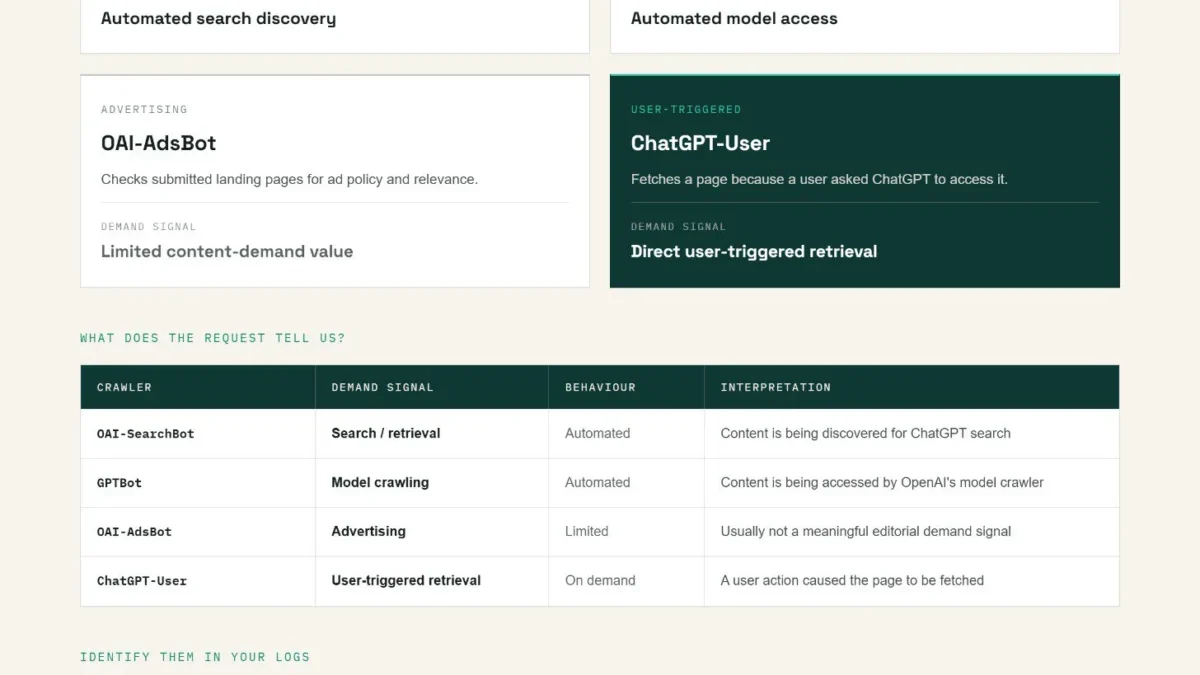
- Bot Traffic Segmentation: Advanced analysis now involves scrutinizing server logs to categorize AI activity into distinct segments: training, search, and retrieval (RAG) bots. This allows companies to determine whether their content is being used for model training or active search discovery.
Implications for Digital Publishing
The primary concern for publishers is the phenomenon of "AI substitution." If a user receives a comprehensive answer from an AI interface, the necessity of clicking through to the source material is significantly reduced. Research conducted by various SEO firms suggests that, in specific verticals, this has led to a measurable decline in organic click-through rates.
The impact varies significantly by sector. For instance, informational content—such as simple factual queries or sports statistics—is inherently more susceptible to full intermediation by AI. Conversely, proprietary, opinion-based, or highly specialized content maintains a higher degree of defensibility.

Industry Reactions and Expert Analysis
Industry experts have emphasized that visibility, while important, is not a proxy for value. The current consensus is that the Search Console report is a foundational tool rather than a comprehensive dashboard.
"The data provided is a starting point, not the destination," says a lead digital strategist at a prominent search consultancy. "When you analyze the concentration of AI visibility against commercial value, you often find that the most ‘visible’ pages are not necessarily the ones driving revenue. The challenge is to identify where AI is creating a threat to your specific business model and where it might be creating new, untapped demand."
Furthermore, there is a growing trend toward "AI Resilience" modeling. Organizations are evaluating their content portfolios based on four core pillars:

- Branded Search Volume: A high volume of searches for the brand name acts as a buffer against general AI-mediated search substitution.
- Direct Audience Retention: Sites with high levels of direct traffic or subscriber loyalty are less dependent on search engine referrals.
- Content Defensibility: A qualitative assessment of how easily a machine can replicate the information provided.
- Returning Audience: Metrics indicating that users return to the site regardless of the search path.
The Road Ahead
As Google continues to refine its generative AI features, the demand for more granular, actionable data will likely increase. The current state of reporting reflects the complexities of balancing user privacy, search engine competitiveness, and the need for publisher transparency.
For now, the burden of proof remains with the publishers. By synthesizing internal commercial data with the available AI visibility metrics, organizations can create a clearer picture of their digital footprint. While the industry continues to lobby for more robust click-level reporting, the most successful firms are those currently investing in their own analytical infrastructure to quantify their exposure.
Ultimately, the goal for digital stakeholders is to transform this data from a diagnostic of "lost traffic" into a strategic assessment of "future opportunity." Whether through licensing agreements, bot management, or content pivot strategies, the ability to measure the impact of generative AI will be a defining capability for successful online publishers in the coming years. The transition from an era of "link-based" search to "answer-based" search is not merely a technical update; it is a fundamental shift in the economics of information. As these models evolve, the organizations that prioritize data-driven resilience will be best positioned to navigate the uncertainty of the next generation of search.