In an increasingly dynamic digital landscape, the traditional boundaries of blogging are rapidly evolving, with social media platforms like Facebook emerging as powerful, complementary hubs for content creators. With over 3.07 billion monthly active users globally in 2024, Facebook remains an undeniable force, offering an immense audience reach and a suite of tools that are transforming how bloggers connect, publish, and monetize their content. This comprehensive guide delves into the strategic advantages, practical steps, and diverse monetization opportunities available for individuals and entities looking to establish a robust blogging presence on the platform.
The Evolving Landscape of Digital Content Creation

For years, self-hosted platforms like WordPress have been the bedrock of blogging, offering unparalleled control and customization. However, the rise of social media has fragmented audience attention and introduced new paradigms for content discovery. Bloggers are increasingly seeking multi-platform strategies to maximize visibility and engagement. Facebook, with its mature ecosystem and vast user base, has become a critical component of this strategy, acting not just as a promotional channel but as a legitimate publishing space. This shift is partly driven by changing search engine algorithms, which have sometimes reduced organic referral traffic to traditional blogs, prompting creators to explore more direct engagement channels offered by social platforms.
Understanding the Facebook Blog Phenomenon
A "Facebook blog" refers to a dedicated Facebook account or, more commonly, a Facebook Page, utilized to create, publish, and promote blog-style content. While it may not offer the same deep customization as a self-hosted WordPress site, it provides essential functionalities for content distribution and audience interaction. Key features that enable a Facebook Page to function as a blogging platform include:
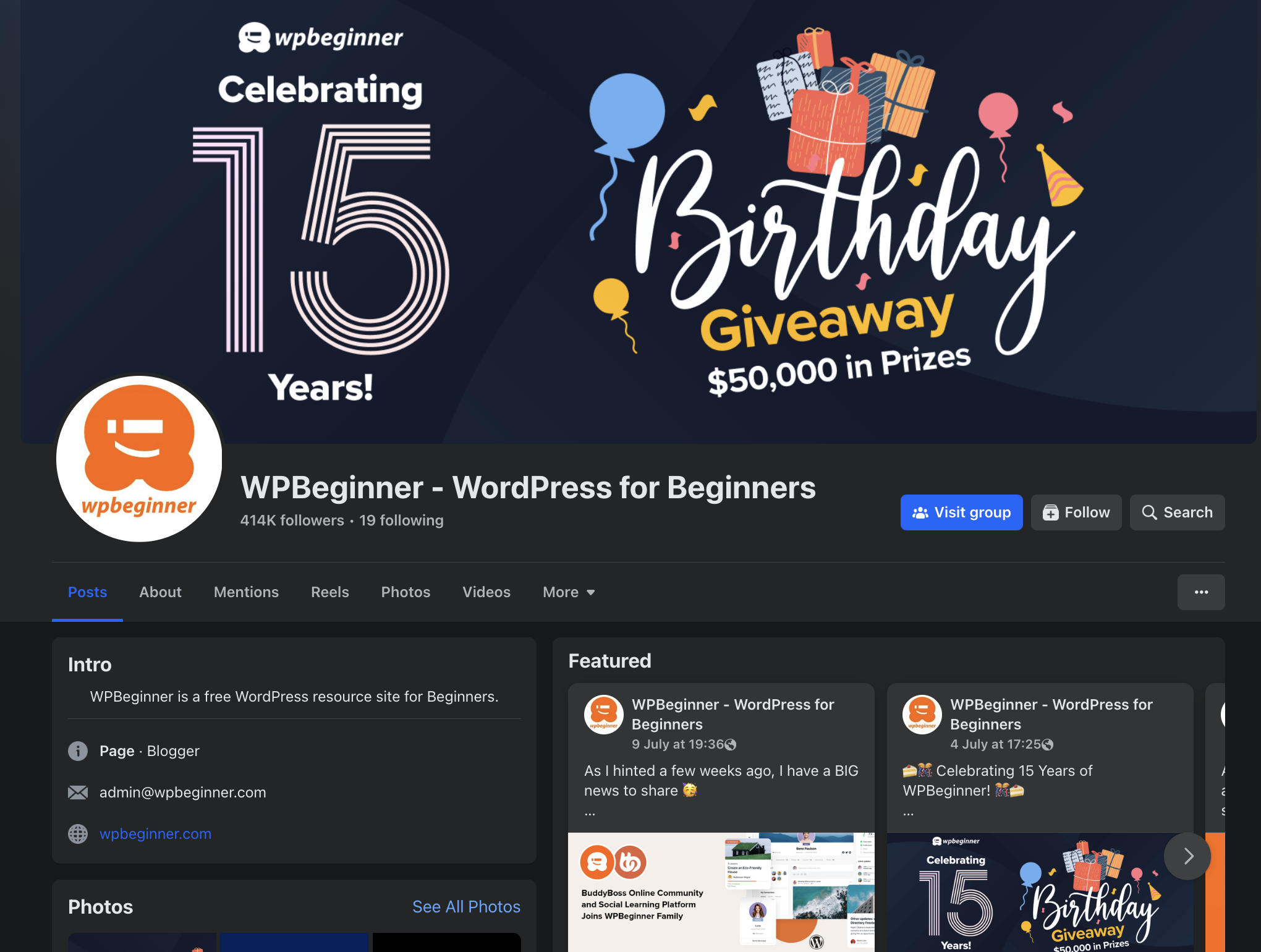
- Content Publishing: The ability to post text updates, articles, images, and videos.
- Audience Engagement: Tools for comments, likes, shares, and reactions, fostering immediate interaction.
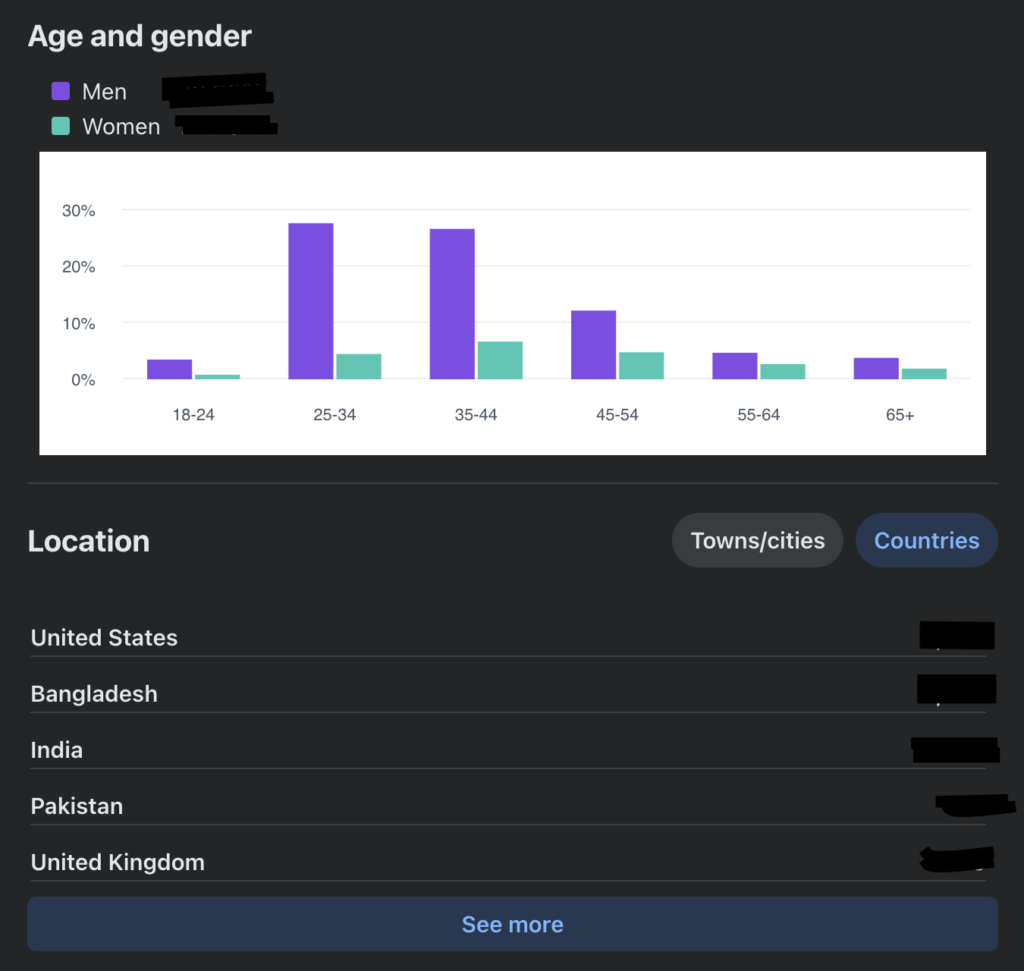
- Analytics: Facebook Page Insights provide data on audience demographics, post reach, and engagement, allowing for informed content strategy.
- Monetization Tools: A growing array of features, from direct product sales to ad placements and fan subscriptions.
- Community Building: Options to create groups linked to the page, fostering deeper connections.
These capabilities position Facebook as a powerful complementary platform, capable of driving significant referral traffic back to a primary blog or serving as a standalone content hub for creators whose primary goal is direct engagement within the Facebook ecosystem.
A Step-by-Step Blueprint for Establishing Your Facebook Presence
Creating a Facebook blog is a streamlined process, primarily centered around establishing and optimizing a Facebook Page. The following steps outline the journey from initial setup to consistent content publishing.
Phase 1: Page Creation and Initial Setup
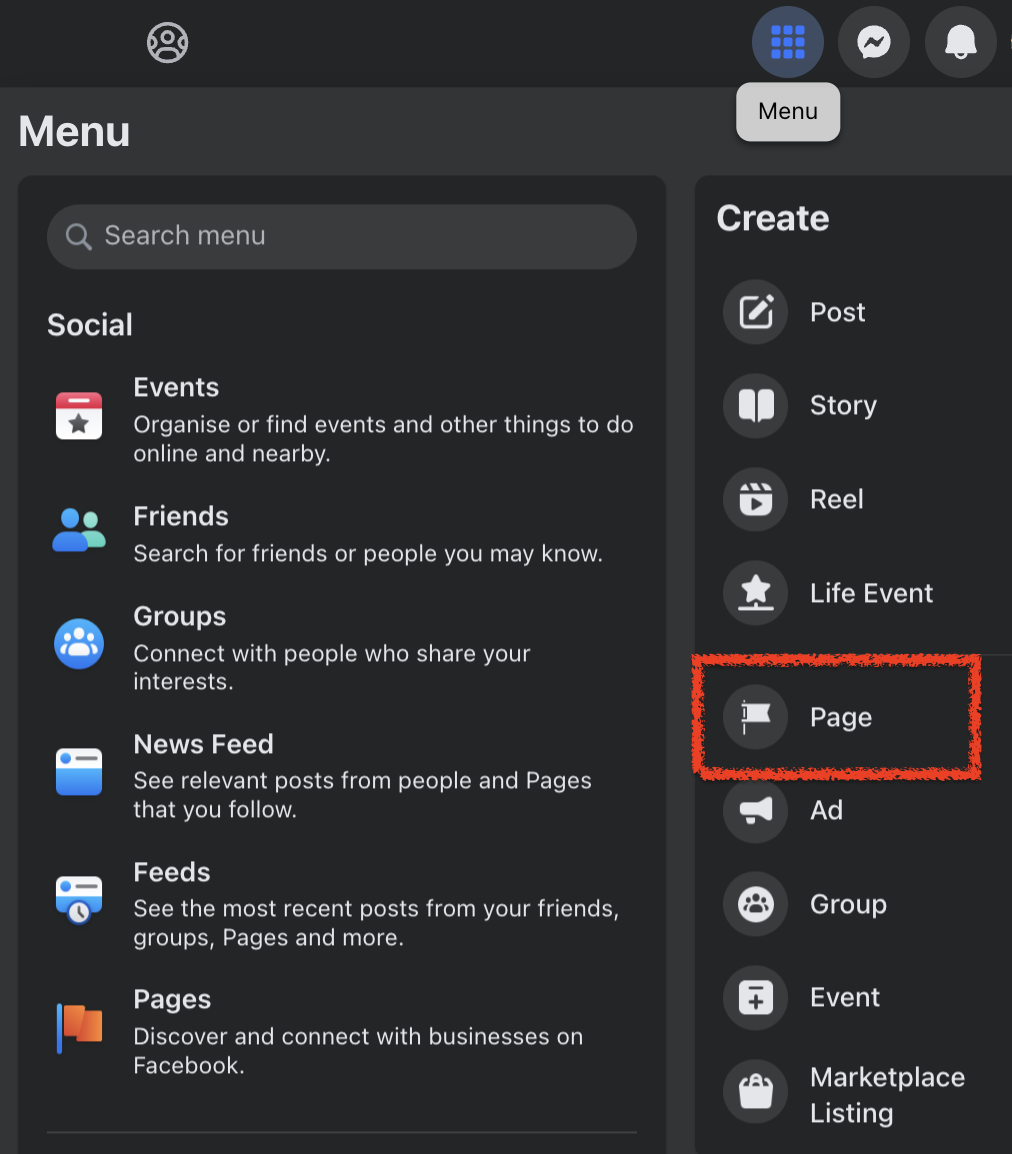
- Log In and Initiate Page Creation: Access your personal Facebook account. From the top-right menu, select the "Page" option under the "Create" section. This initiates the guided page setup process.
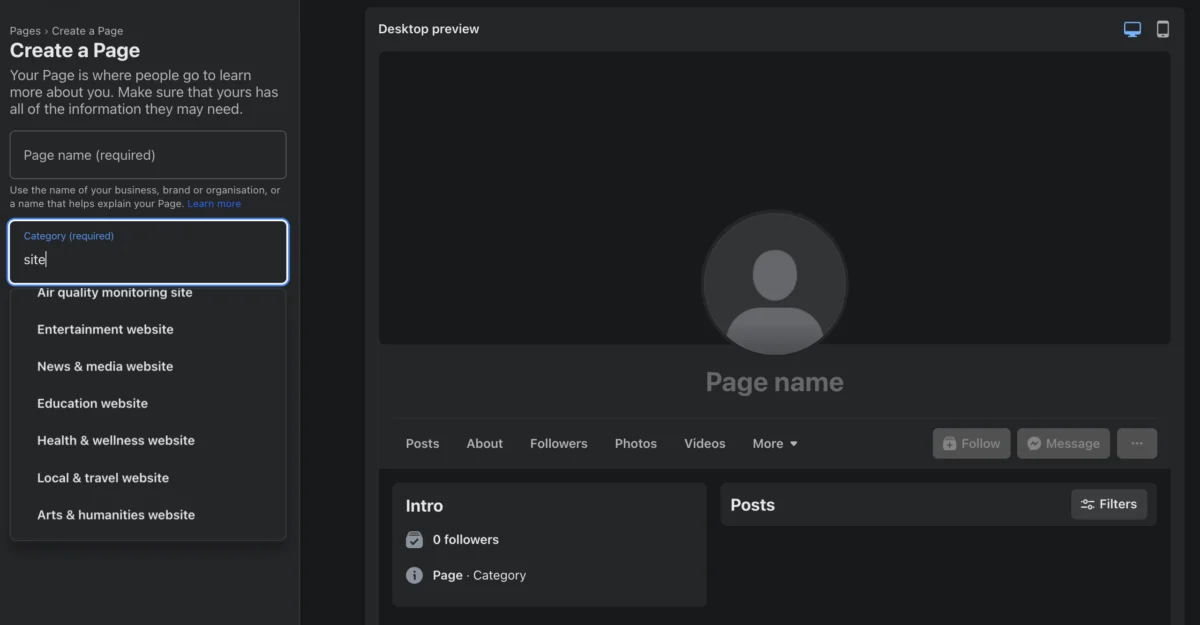
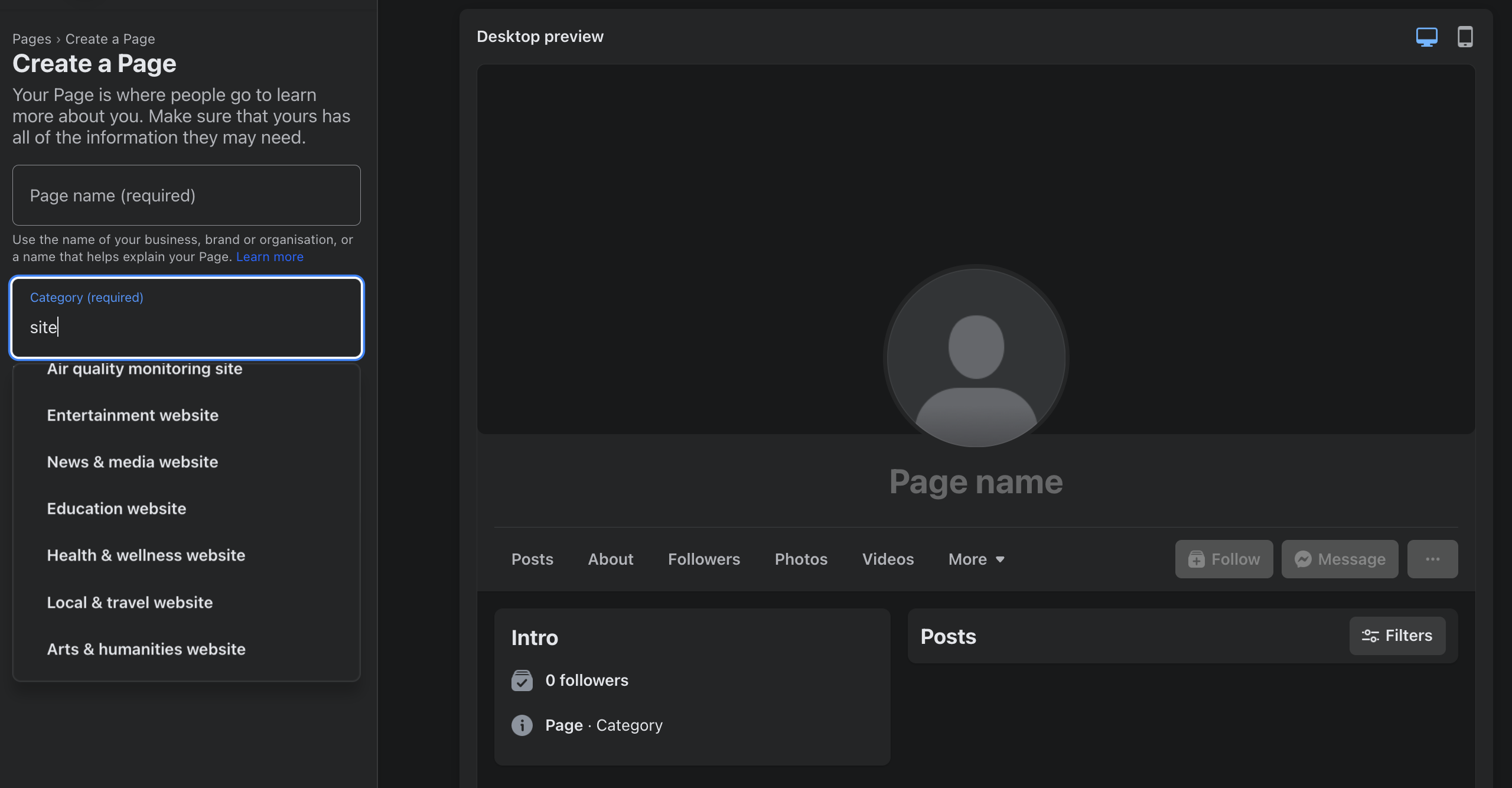
- Define Page Identity: Input your desired "Page name," which ideally should be your blog’s name or a clear representation of its theme. Select a relevant "Category" that accurately describes your blog’s niche (e.g., "Blogger," "Writer," "Digital Creator," or specific subject areas like "Health/Wellness Website"). This categorization aids discoverability and helps Facebook understand your content.
- Craft a Compelling Bio: While optional, a concise and informative "Bio" is highly recommended. This brief description (up to 255 characters) serves as your elevator pitch, quickly informing visitors about your blog’s purpose, target audience, and unique value proposition. For instance, a tech blog might state, "Your go-to source for cutting-edge tech reviews, industry insights, and practical guides."
- Finalize Page Creation: After reviewing the entered details, click "Create Page" to bring your new Facebook blog into existence.
Phase 2: Profile Optimization for Brand Appeal
This stage focuses on enhancing your page’s visual and informational appeal, though some steps are flexible based on your blogging objectives.
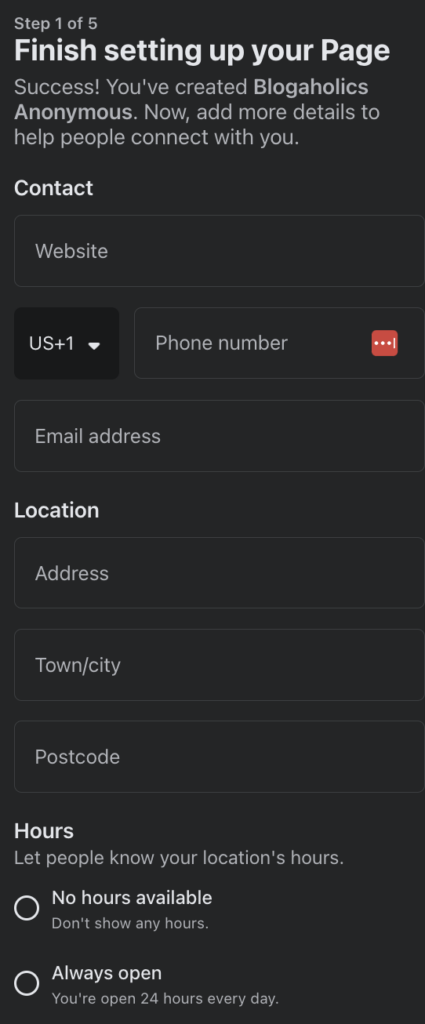
- Add Contact Information (Optional but Recommended): Consider adding contact details such as a website link (if you have an external blog), email address, or business hours. While a blog may not have "hours of operation," providing an email can facilitate direct communication with your audience or potential collaborators.
- Visual Branding: Profile and Cover Photos: Upload a distinct "Profile Picture" and an engaging "Cover Photo." These visual elements are crucial for brand recognition and conveying your blog’s aesthetic. The profile picture should typically be your blog’s logo or a recognizable image, while the cover photo can be more dynamic, reflecting your blog’s current theme or a broader brand message. Ensure they are high-resolution and visually appealing to entice visitors to explore further.
- WhatsApp Integration (Situational): Facebook, as part of Meta’s ecosystem, offers seamless integration with WhatsApp. While useful for businesses requiring direct customer inquiries, it’s generally not essential for most blogs unless you are selling services directly or managing a community that prefers instant messaging.
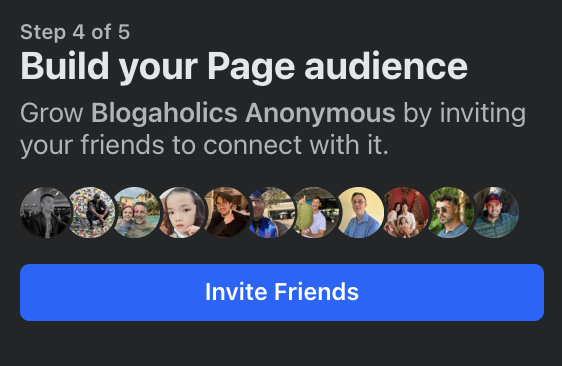
- Initial Audience Building: Invite Friends: Leverage your existing network by inviting Facebook friends to like and follow your new page. This provides an initial boost in followers, which is critical for early traction and unlocking certain Facebook features.
- Customizing Your Vanity URL: An important, often overlooked step, is customizing your page’s vanity URL (e.g.,
facebook.com/YourBlogName). Facebook typically requires a minimum of 25 followers before allowing this change, a measure to prevent "name squatting." Once achieved, this makes your page more professional and easier to share and remember. - Notification Preferences: Configure your notification settings, deciding whether to receive Facebook notifications and marketing emails related to your page. This helps manage information flow and keeps you informed of page activity.
Phase 3: Content Publishing and Promotion
With your page established and optimized, the focus shifts to consistent content delivery and audience growth.
- Start Publishing Engaging Content: Utilize the "Write a Post" box to begin sharing content relevant to your blog’s theme. A key strategy is content repurposing: transform popular articles from an external blog into shorter, digestible Facebook posts. For example, a lengthy guide can be broken down into a series of tips, infographics, or short video snippets.
- Leverage Facebook Insights: As your page grows, Facebook Page Insights become invaluable. This analytics dashboard provides detailed demographics of your audience, post-performance data, and peak engagement times. Use this information to tailor content, ensuring it resonates with your followers and maximizes reach.
- Enhance Posts with Multimedia and Strategic Links: Incorporate eye-catching images, engaging videos, and relevant links to enrich your posts. A critical best practice for maximizing organic reach on Facebook is to place external links in the comments section rather than directly in the main post. Social media algorithms often "demote" posts that direct users off-platform, so placing links in comments can circumvent this tendency while still providing access to external content.
- Promote Your Blog Strategically:
- Facebook Groups: Actively participate in relevant Facebook groups, offering value and expertise. When appropriate and allowed by group rules, share your content or page link. This builds credibility and drives interested users to your blog.
- Facebook Ads: For accelerated growth, consider targeted Facebook advertising. Ads can significantly expand your reach to specific demographics and interests, promoting noteworthy posts or your page as a whole.
- Consistency is Key: Emulate search engine optimization (SEO) principles by posting regularly and consistently. A predictable content schedule helps maintain audience engagement and signals to Facebook’s algorithm that your page is active and valuable.
Phase 4: Audience Engagement and Community Building
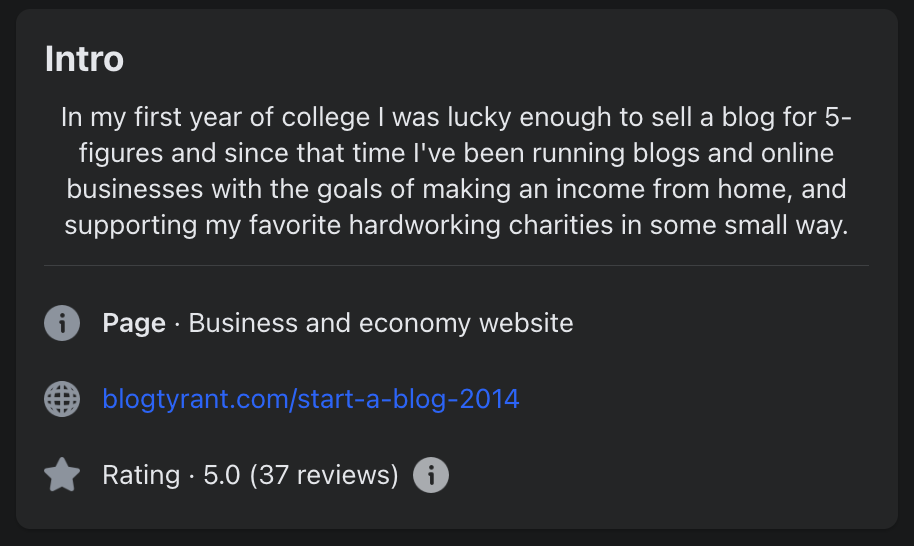
A thriving Facebook blog is built on active interaction.
- Responsive Communication: Respond promptly to comments and messages. This demonstrates that you value your audience and fosters a sense of connection.
- Encourage Interaction: Actively encourage discussions through open-ended questions, polls, and interactive content. Polls, especially on timely or trending topics, can significantly boost engagement rates and provide valuable audience insights.
- Share User-Generated Content: Repost or highlight content created by your audience (with permission). This not only acknowledges their contribution but also builds a stronger community around your blog, reinforcing the idea that "sharing is caring." While Facebook Pages may not achieve the same organic reach as Facebook Groups for deep community interaction, sharing guest blogs or community spotlights can still foster connection.
By meticulously following these steps, content creators can effectively establish and grow their blog presence on Facebook, transforming it into a dynamic hub for content distribution and audience interaction.
Strategic Monetization Avenues on Facebook
Beyond audience growth, Facebook offers a diverse array of monetization strategies, catering to various content types and audience engagement models. Meta’s continuous investment in creator tools underscores its commitment to fostering a vibrant creator economy within its platform.
-
Direct Product Sales via Facebook Shop:
Facebook’s Shop feature allows creators to establish an e-commerce storefront directly on their page. This enables the sale of physical goods (e.g., merchandise, handmade crafts) or digital products (though direct digital product sales within the Commerce Manager often have restrictions, necessitating creative workarounds or external links). The integrated payment options and customizable layouts simplify the selling process, keeping customers within the Facebook ecosystem. To set up a shop, navigate to the "Meta Business Suite" from your page’s professional dashboard, then select "Commerce" to create a shop or catalog. This feature provides an invaluable direct revenue stream from your engaged audience. -
Affiliate Marketing Strategies:
This involves promoting products or services from other companies and earning a commission on sales generated through unique referral links. Bloggers should join affiliate programs that align with their niche, ensuring authenticity in recommendations. Transparency is crucial; disclosing affiliate relationships builds trust. Placing affiliate links strategically, often in comments or specific "Shop Now" buttons (where allowed), is vital for compliance and effectiveness. Tracking link performance provides insights into what resonates with the audience, allowing for optimization of promotional efforts.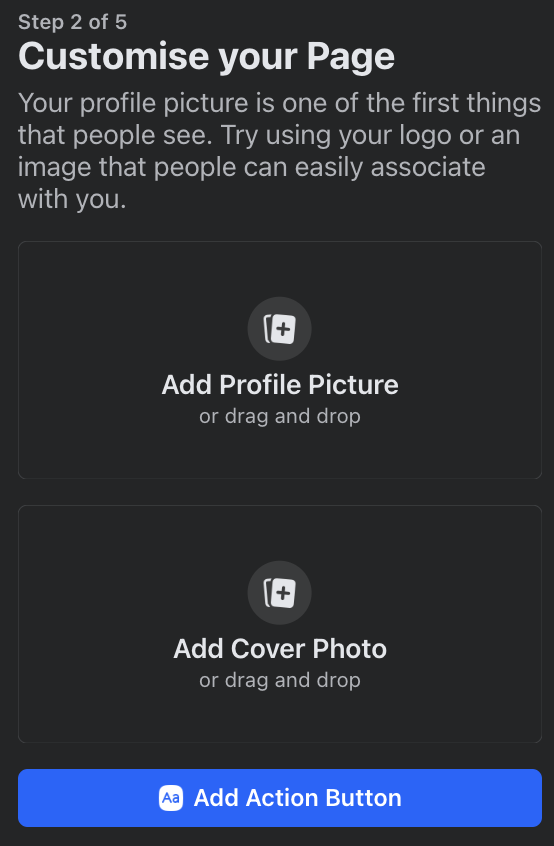
-
Sponsored Posts and Collaborations:
Partnering with brands for sponsored content offers a significant monetization opportunity. Bloggers collaborate with companies to feature their products or services in exchange for compensation. The key to success is selecting brands that genuinely align with your blog’s values and audience interests, ensuring the content feels organic and trustworthy. Crucially, all sponsored content must be clearly disclosed as "Paid Partnership" or "Sponsored" to maintain transparency and comply with advertising regulations (e.g., FTC guidelines in the US). -
Display Ads on Your Facebook Blog (In-Stream Ads):
Eligible creators can monetize their video content through Facebook’s Audience Network, which places in-stream ads within videos. Eligibility criteria typically include follower counts, watch time, and adherence to content guidelines. Once enabled, Facebook automatically inserts ads at natural breaks in longer-form videos. To maximize revenue, creators should focus on producing engaging, high-quality, and sufficiently long videos, as these tend to generate more ad impressions. Meta’s Ads Manager provides analytics to track ad performance and optimize video strategy. -
Paid Memberships or Premium Content (Fan Subscriptions):
Facebook offers "Fan Subscriptions," allowing creators to charge a recurring fee for exclusive access to premium content. This could include members-only posts, exclusive videos, early access to content, or entry into a private, subscriber-only Facebook Group. This model builds a dedicated community and provides a stable, recurring revenue stream from loyal followers, provided the content consistently offers unique value. Compliance with Facebook’s monetization policies is a prerequisite.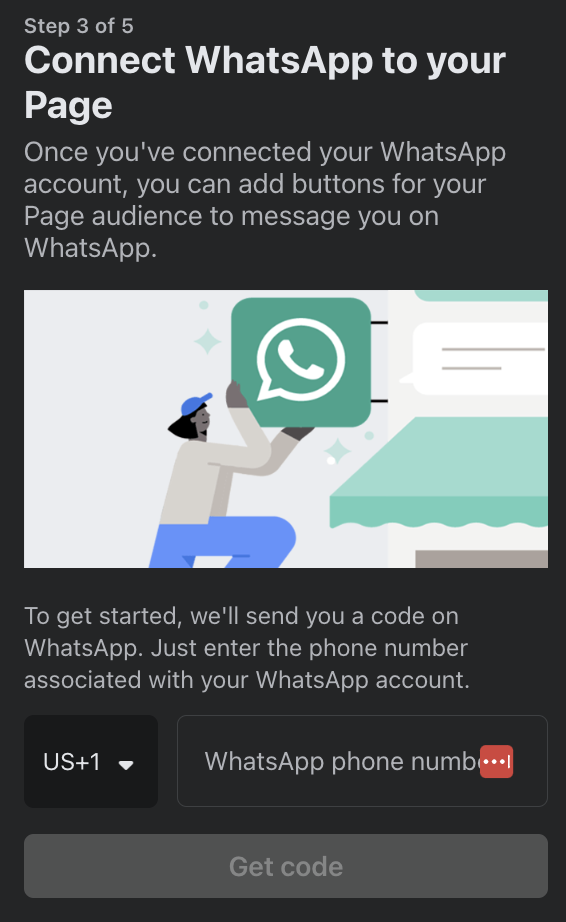
-
Facebook Stars:
Facebook Stars are virtual gifts that viewers can purchase and send to creators during live streams or on-demand videos. Each star translates into real money for the creator. This feature encourages direct audience support and engagement. Creators can maximize Star revenue by actively acknowledging and thanking viewers who send Stars during broadcasts, fostering a sense of community and appreciation that encourages further contributions. -
Facebook Performance Bonus Program (Invite-Only):
This highly sought-after, invite-only program rewards pages and profiles for strong engagement rates on their posts (excluding Reels and Stories). It allows creators to earn revenue based on views, comments, reactions, and shares. Meta recently lifted a previous $30,000 monthly cap, signaling significant earning potential for top-tier creators. While participation is by invitation, the primary strategy for hopefuls is to consistently produce high-quality, engaging content that drives organic reach and interaction, thereby increasing the likelihood of an invitation.
Navigating the Advantages and Limitations of Blogging on Facebook
Before committing fully to a Facebook blogging strategy, it is crucial to weigh the inherent pros and cons.
Pros of Starting a Facebook Blog:
- Unparalleled Visibility and Reach: Facebook’s massive user base means content can appear directly in billions of news feeds, offering immediate exposure and potential for viral sharing. This direct channel bypasses traditional SEO hurdles.
- Simplicity and Accessibility: The platform’s user-friendly interface makes content creation and publishing straightforward, lowering the barrier to entry for new bloggers. Most users are already familiar with Facebook’s posting mechanisms.
- High Interactivity: Posts natively support likes, comments, and shares, facilitating immediate feedback and fostering a dynamic dialogue between the blogger and their audience. This direct interaction is invaluable for understanding audience preferences.
- Rich Multimedia Support: Facebook excels in hosting diverse content formats, allowing easy integration of photos, videos, GIFs, and links, which enhances content engagement and storytelling.
- Built-in Analytics and Monetization: The platform provides robust insights into audience behavior and offers a growing suite of tools for direct monetization, from shops to advertising and subscriptions.
Cons of a Facebook Blog:

- Content Length Limitations: Facebook posts are generally optimized for shorter, digestible content. While longer posts are possible, they can be challenging to consume within the news feed context, potentially hindering the conveyance of complex or in-depth ideas.
- Organizational Challenges: Over time, finding and categorizing specific blog posts on a Facebook Page can become cumbersome. Unlike a traditional blog with clear categories and archives, content can easily get lost in the chronological feed.
- Limited Depth and Formatting: Facebook’s editor offers fewer advanced formatting options compared to dedicated blogging platforms. This can restrict the aesthetic presentation and structural depth of content, making it harder to create highly polished, long-form articles.
- Control and Ownership Issues: Critically, content published on Facebook is subject to Meta’s terms of service and policies. Creators do not own the platform, meaning their content, audience, and monetization potential are at the mercy of platform changes, policy enforcement, or even account suspension. This "walled garden" approach represents a significant risk compared to self-hosted platforms.
- Algorithmic Volatility: Facebook’s algorithms are constantly evolving. Changes can drastically impact the organic visibility and reach of content, leading to unpredictable fluctuations in audience engagement and traffic. Adapting to these changes can be a continuous challenge for creators.
The Choice: Personal Profile vs. Dedicated Page for Blogging
A crucial decision for any aspiring Facebook blogger is whether to use an existing personal profile or create a dedicated Facebook Page.
-
Blogging from a Personal Facebook Account:
This approach is suitable if your primary audience consists of your existing Facebook friends and family, and your blogging intent is informal and personal. It allows for immediate sharing of opinion pieces, personal anecdotes, and daily updates within a familiar social circle. However, personal profiles have a friend limit of 5,000, severely restricting audience reach for broader blogging ambitions. It also blurs the lines between personal and professional content, which may not be desirable for brand building.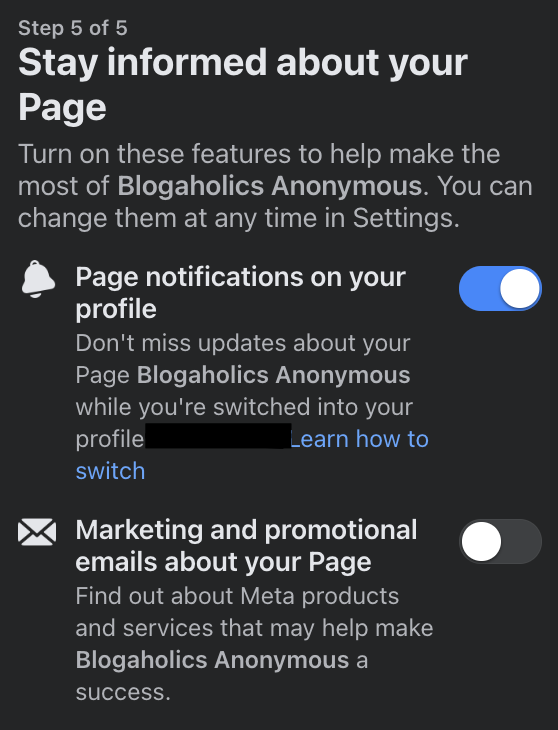
-
Blogging from a Facebook Page:
For serious bloggers aiming to reach a wide audience, build a brand, and monetize their content, a dedicated Facebook Page is the unequivocal choice. Pages have no follower limits, providing infinite scalability for audience growth. They offer a professional separation from personal life, a suite of advanced tools for content management, audience analytics (Facebook Insights), and access to all of Facebook’s monetization features. This professional infrastructure is essential for any blogger looking to establish a credible, growth-oriented presence on the platform.
Conclusion: The Future of Hybrid Blogging
The integration of blogging with social media platforms like Facebook represents a significant evolution in digital content creation. By leveraging Facebook’s vast audience, intuitive tools, and diverse monetization avenues, content creators can forge a powerful presence that complements traditional blogging efforts or stands as a primary content hub. While the platform presents challenges, particularly concerning control and algorithmic shifts, the strategic advantages of visibility, interactivity, and direct monetization are compelling.
For those contemplating a foray into Facebook blogging, the advice is clear: do not overthink it. Begin by establishing a professional Facebook Page, consistently creating engaging content, and actively fostering community interaction. By embracing this hybrid model of content distribution, bloggers can tap into billions of potential readers, diversify their revenue streams, and navigate the complexities of the modern digital landscape with greater resilience and reach. The era of multi-platform content creation is here, and Facebook remains a pivotal player in its ongoing narrative.