Social media marketing stands as an indispensable pillar of contemporary business strategy, offering unparalleled avenues for cultivating genuine, enduring relationships with target audiences. Yet, for those not deeply immersed in the daily currents of social platforms, the prospect of initiating and sustaining an effective social media presence can appear daunting. This comprehensive guide aims to demystify social media marketing, providing the essential knowledge required to determine its suitability for your audience and equipping you with the foundational resources to construct a robust social media marketing plan with confidence and speed.
Defining Social Media Marketing: A Strategic Imperative
At its core, social media marketing (SMM) is the strategic utilization of social media channels and platforms – such as Facebook, Instagram, TikTok, X (formerly Twitter), LinkedIn, and YouTube – by brands and organizations to achieve specific business objectives. Far from merely posting content, SMM encompasses a multifaceted approach designed to engage, inform, and convert audiences within the digital sphere.
The tactical applications of social media marketing are diverse and powerful, extending far beyond simple promotion. These tactics can be employed to:
- Enhance Brand Awareness: Increase visibility and recognition of a brand among a wider audience.
- Drive Website Traffic: Direct users from social platforms to a company’s website, blog, or e-commerce store.
- Generate Leads: Capture potential customer information through targeted campaigns and interactive content.
- Boost Sales and Conversions: Facilitate direct product purchases or service sign-ups on platforms or via linked sites.
- Improve Customer Engagement: Foster dialogue, respond to queries, and build a loyal community around the brand.
- Conduct Market Research: Gather insights into consumer preferences, trends, and competitor activities through social listening and analytics.
- Strengthen Brand Loyalty: Nurture existing customer relationships and encourage repeat business.
- Manage Online Reputation: Monitor brand mentions, address feedback, and shape public perception.
- Provide Customer Service: Offer real-time support and issue resolution, enhancing customer satisfaction.
- Establish Thought Leadership: Position a brand or individual as an expert in their industry through valuable content and insights.
- Facilitate Direct Sales: Leverage integrated shopping features available on many social platforms.
The core components of a successful social media marketing strategy typically include:
- Strategic Planning: Defining objectives, identifying target audiences, and conducting competitive analysis.
- Content Creation and Curation: Developing engaging text, images, videos, and interactive elements tailored to each platform.
- Community Management: Actively interacting with followers, responding to comments, and fostering a sense of belonging.
- Paid Social Advertising: Utilizing platform-specific advertising tools to reach precise demographics and interests.
- Performance Measurement and Analytics: Tracking key metrics (reach, engagement, conversions) to evaluate effectiveness and optimize campaigns.
- Influencer Marketing: Collaborating with individuals who have a significant following to promote products or services.
- Social Listening: Monitoring conversations about the brand, industry, and competitors to gain insights and identify opportunities.
The Evolution of Social Media Marketing
The journey of social media marketing reflects the rapid advancement of digital communication itself. In the early 2000s, platforms like MySpace and Friendster laid the groundwork for online social interaction, albeit without a significant commercial overlay. The mid-2000s saw the rise of Facebook and Twitter, which quickly amassed massive user bases. Initially, brands experimented with organic presence, sharing updates and engaging directly with early adopters. This era was characterized by a focus on "being present" and building an online community.
By the early 2010s, with the proliferation of smartphones and the increasing sophistication of platform algorithms, social media transitioned from a novel communication tool to a powerful marketing channel. Facebook introduced its robust advertising platform, allowing businesses to target users with unprecedented precision. Instagram emerged as a visual storytelling powerhouse, catalyzing the rise of influencer marketing. LinkedIn cemented its position as the premier B2B networking and thought leadership platform.
The late 2010s and early 2020s witnessed further diversification and specialization. TikTok burst onto the scene, revolutionizing short-form video content and appealing primarily to younger demographics. E-commerce integrations became more seamless, with features like "Shop Now" buttons and in-app purchases. The emphasis shifted from merely broadcasting messages to fostering authentic engagement, user-generated content, and personalized experiences. Today, social media marketing is a highly data-driven discipline, demanding continuous adaptation to algorithmic changes, emerging trends, and evolving consumer behaviors.
The Landscape of Popular Social Media Platforms for Marketing
Globally, the dominant social media platforms leveraged by marketers continue to be those with the largest and most engaged user bases. According to recent reports (e.g., DataReportal, Statista), global social media users surpassed 4.95 billion in early 2024, representing over 60% of the world’s population, with an average daily usage of 2 hours and 23 minutes. This immense reach underscores their marketing potential.
The most popular platforms for marketers include:
- Facebook: Despite its maturity, Facebook remains a giant, boasting over 3 billion monthly active users globally. It offers unparalleled demographic targeting for advertising, robust group functionalities for community building, and a versatile content ecosystem supporting text, images, video, and live streaming. It’s particularly strong for reaching a broad audience across various age groups and interests, and its Marketplace and Shop features support direct e-commerce.
- Instagram: With over 2 billion monthly active users, Instagram is a visual-first platform ideal for brand storytelling, product showcases, and influencer collaborations. Its features like Stories, Reels, IGTV (now integrated into main video), and Shopping tags make it a powerful tool for brands in fashion, beauty, food, travel, and fitness. Its demographic skews younger than Facebook, with a strong presence among Gen Z and Millennials.
- TikTok: The undisputed leader in short-form video, TikTok has surpassed 1.5 billion monthly active users and continues to grow rapidly. Its algorithm-driven "For You Page" enables viral reach, making it ideal for brands seeking high engagement, trend participation, and authentic, often humorous, content. It’s a primary channel for reaching Gen Z and younger Millennials, with a significant impact on cultural trends and consumer behavior.
- X (formerly Twitter): With over 550 million monthly active users, X is the go-to platform for real-time news, public discourse, and immediate brand-consumer interaction. Its brevity and speed make it excellent for announcements, customer service, thought leadership, and engaging in trending conversations. Brands often leverage its directness for witty commentary and rapid response.
- LinkedIn: The professional networking behemoth, LinkedIn, boasts over 1 billion members globally. It is the quintessential platform for B2B marketing, employer branding, recruitment, and professional thought leadership. Companies use it to share industry insights, highlight company culture, and connect with potential clients and talent.
- YouTube: The world’s largest video-sharing platform, with over 2.7 billion monthly active users, YouTube is crucial for long-form video content, tutorials, product reviews, and brand storytelling. Its integration with Google’s advertising network provides extensive targeting capabilities, and its creator ecosystem allows for powerful influencer collaborations.
- Pinterest: A visual discovery engine with over 465 million monthly active users, Pinterest excels at inspiring purchases and driving traffic for e-commerce, home decor, fashion, and DIY brands. Users come to Pinterest with intent to plan and buy, making it a high-conversion platform.
- Snapchat: Popular with younger demographics (Gen Z), Snapchat (over 400 million daily active users) is known for ephemeral content, AR lenses, and direct messaging. Brands use it for engaging, interactive, and often playful campaigns that resonate with a youthful audience.
Beyond these giants, there are many newer or less universally popular social networks that can be highly effective if your target audience frequents them. For instance, Reddit, with its vast network of communities (subreddits), offers unique opportunities for niche marketing and direct engagement with highly specific interest groups. Similarly, regional powerhouses like WeChat (over 1.3 billion monthly active users) in China and LINE (over 195 million monthly active users) in parts of Asia are indispensable for marketing in those specific geographical areas, functioning as super-apps encompassing messaging, social media, mobile payments, and e-commerce. The key is always audience alignment.
Examples of Social Media Marketing in Action
Regardless of business size or industry, social media marketing offers tailored avenues to achieve business goals. Observing successful brand strategies provides invaluable inspiration:
-
Wendy’s on X (formerly Twitter): Crafting a Distinct Brand Voice
Wendy’s has become legendary for its audacious, humorous, and often sarcastic presence on X. Their account isn’t just for promotional messages; it’s a dynamic platform where the brand’s personality shines through witty exchanges with followers, playful jabs at competitors, and participation in viral trends. For instance, their #NationalRoastDay campaigns generate immense engagement, with the brand humorously "roasting" other brands and users. This strategy has allowed Wendy’s to:- Humanize the brand: Making it feel relatable and approachable.
- Generate viral buzz: Content often gets shared widely, extending organic reach.
- Differentiate from competitors: Their unique voice sets them apart in the fast-food industry.
- Foster community: Followers actively engage, anticipating the brand’s next witty remark.
This approach demonstrates that authenticity and a well-defined brand voice can be more powerful than traditional advertising, turning social media into a direct line for brand advocacy and customer connection.
-
Netflix on Facebook: Building a Global Entertainment Community
Netflix leverages its Facebook page as a vibrant hub for its global audience. Far from just announcing new shows, the platform is used to share engaging snippets from existing content, offer tantalizing sneak peeks of upcoming releases, pose interactive movie or TV show-related questions, and share relevant memes. The company excels at:- Content Promotion: Generating excitement and anticipation for its vast library of shows and movies.
- Community Engagement: Creating a space where fans can discuss their favorite content, share opinions, and connect with fellow enthusiasts.
- Cultural Relevance: Tapping into pop culture trends and memes to keep content fresh and relatable.
- Audience Insight: Monitoring discussions to gauge audience sentiment and preferences.
Netflix’s strategy transforms its Facebook page into an extension of the viewing experience, making it a go-to place for fans to immerse themselves further in the world of entertainment and stay informed about new offerings.
-
L’Oréal on LinkedIn: Professional Branding and Employer Advocacy
L’Oréal, a global beauty giant, masterfully caters to its extensive LinkedIn following (over 850K followers) by focusing on content that resonates with a professional audience. Their strategy encompasses:- Educational Content: Sharing expert skincare tips, industry insights, and beauty trends, positioning themselves as thought leaders.
- Employer Branding: Highlighting employee achievements, company culture, and career opportunities, attracting top talent.
- Corporate Social Responsibility (CSR): Discussing their environmental activism, diversity initiatives, and sustainable practices, aligning with corporate values.
- Innovation Showcases: Presenting new product development, scientific breakthroughs, and technological advancements within the beauty industry.
L’Oréal understands that its LinkedIn audience expects professionalism, insight, and a glimpse into the company’s values and operations. By consistently delivering high-quality, relevant content, they reinforce their image as an innovative, responsible, and desirable employer in the beauty sector.
-
Gymshark on TikTok: Authenticity and Motivation in Fitness
Gymshark, a prominent fitness apparel and accessories brand, has achieved phenomenal success on TikTok by embracing the platform’s unique content style. Their strategy revolves around:- Motivational Workout Content: Sharing effective workout routines and fitness challenges that inspire their audience to achieve their goals.
- User-Generated Content (UGC): Encouraging users to share their own fitness journeys using Gymshark products, fostering a strong community and leveraging authentic testimonials.
- Humorous and Relatable Content: Posting funny, fitness-related videos that destigmatize the gym experience, showing that fitness can be enjoyable and lighthearted.
- Influencer Collaborations: Partnering with fitness influencers who genuinely use and endorse their products, extending reach and credibility.
Gymshark’s TikTok presence is a masterclass in building a lifestyle brand through authentic engagement, demonstrating that the gym isn’t just about sweat and seriousness, but also about community, motivation, and fun. Their content strategy directly resonates with the platform’s emphasis on authenticity and entertainment, driving both brand affinity and sales.
How to Get Started with Social Media Marketing: Building a Foundation for Success
Embarking on a social media marketing journey requires a structured approach and access to reliable resources. Here are essential steps and recommended materials to help build a strong foundation:
- Define Your Goals and Audience: Before posting anything, clarify what you want to achieve (e.g., brand awareness, lead generation) and who you want to reach. Understanding your target audience’s demographics, interests, and preferred platforms is paramount.
- Choose the Right Platforms: Don’t try to be everywhere at once. Focus your efforts on the platforms where your target audience is most active and where your content can thrive.
- Develop a Content Strategy: Plan the types of content you’ll create (videos, images, articles), your brand voice, and a consistent posting schedule.
- Engage and Interact: Social media is a two-way street. Respond to comments, messages, and mentions promptly. Foster conversations and build a community.
- Analyze and Adapt: Regularly review your performance metrics. What content performs best? When is your audience most active? Use these insights to refine your strategy.
To deepen your understanding and streamline your efforts, consider these valuable resources:
Book: See You on the Internet: Building Your Small Business with Digital Marketing by Avery Swartz
This essential guide serves as a practical roadmap for entrepreneurs, small business owners, and social media managers navigating the complexities of the digital marketing landscape. Avery Swartz emphasizes that in an increasingly crowded online world, mere presence is insufficient; strategic integration across all digital touchpoints is key. She underscores the importance of aligning social media efforts with a broader digital marketing ecosystem, including website design, online advertising, and email newsletters, to create a cohesive and powerful brand message.
The book covers critical aspects such as:
- Developing a comprehensive digital marketing strategy: How to set goals, identify target audiences, and create a roadmap for online success.
- Website optimization: Ensuring your website is discoverable, user-friendly, and converts visitors effectively.
- Search Engine Optimization (SEO) basics: Strategies to improve your organic search rankings and visibility.
- Email marketing best practices: Building subscriber lists and crafting engaging, effective newsletters.
- Understanding social media platforms: Guidance on choosing the right platforms and tailoring content for each.
- Online advertising fundamentals: An introduction to paid campaigns across various digital channels.
- Measuring digital marketing ROI: Tools and techniques to track performance and demonstrate value.
Swartz’s practical advice helps businesses stand out in the vast "ocean of new businesses," ensuring their social media activities contribute meaningfully to overall online growth.
Book: The End of Marketing: Humanizing Your Brand in the Age of Social Media and AI by Carlos Gil
Carlos Gil’s The End of Marketing presents a compelling argument that the traditional, transactional approach to marketing is outdated. Instead, he advocates for a paradigm shift: brands must prioritize genuine engagement and human connection over relentless sales pitches. In an era dominated by social media and increasingly sophisticated AI, consumers demand authenticity and relationships. Gil posits that "people buy from people, not brands," making humanizing your brand a critical imperative for social media marketing success.
This influential book guides readers through:
- The principles of humanizing a brand: Strategies for building trust, fostering transparency, and creating emotional connections with audiences.
- Effective engagement techniques: How to initiate and sustain meaningful conversations on platforms like Facebook and LinkedIn.
- Leveraging social media for authenticity: Moving beyond curated perfection to showcase real stories and genuine interactions.
- The role of AI in enhancing human connection: How artificial intelligence can be used to personalize experiences and streamline customer service without losing the human touch.
- Best practices for various social platforms: Tailored advice for maximizing impact on different social networks.
- Building a loyal community: Cultivating brand advocates who will champion your products and services.
- Navigating the future of marketing: Preparing for emerging trends like the metaverse, live commerce, and advanced personalization.
Gil’s work is a powerful reminder that in the digital age, true marketing success stems from empathy, interaction, and building a brand that genuinely cares about its audience.
Hootsuite’s Resource Hub: Free Templates for Social Media Managers
For those ready to translate strategy into action, Hootsuite’s comprehensive resource hub is an invaluable starting point. This extensive library provides a wealth of free templates, guides, and checklists specifically designed to streamline social media management and accelerate the establishment of a strong social presence. These practical tools remove much of the guesswork, allowing marketers to focus on content creation and engagement.
The free template library includes:
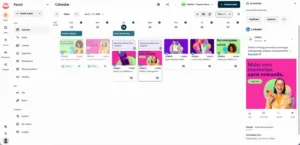
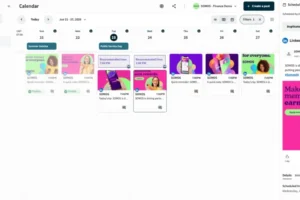
- Social media content calendars: To plan and organize posts across multiple platforms, ensuring consistency and timely delivery.
- Social media audit templates: For evaluating current performance, identifying strengths, weaknesses, and opportunities for improvement.
- Social media strategy templates: Structured frameworks to define goals, audience, platforms, and key performance indicators.
- Competitive analysis templates: To monitor competitors’ social media activities and identify industry benchmarks.
- Social media report templates: For tracking and presenting key metrics to stakeholders, demonstrating ROI.
- Image size guides for all platforms: Ensuring visual content is optimized for each network’s specifications.
- Social media policy templates: To establish guidelines for employees and ensure brand consistency.
With over 50 more useful resources, Hootsuite’s hub empowers marketers to systematically build, manage, and optimize their social media presence, from initial setup to ongoing performance analysis.
The Broader Impact and Future Trajectories of Social Media Marketing
The implications of social media marketing extend far beyond individual business success, shaping consumer behavior, industry standards, and the digital economy at large.
Implications for Businesses:
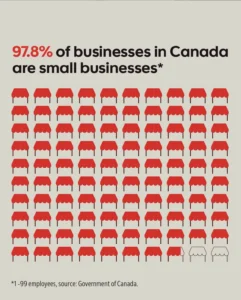
The rise of SMM has democratized marketing, allowing even small businesses to compete with large corporations on a global scale. However, it also introduces challenges such as increased competition for attention, the constant need for fresh and authentic content, managing brand reputation in real-time, and navigating complex data privacy regulations (e.g., GDPR, CCPA). Businesses must invest in continuous learning, agile strategies, and ethical practices to maintain trust and relevance. The average return on investment (ROI) for social media marketing can vary significantly but studies often point to a positive impact on brand awareness and customer loyalty, with some reporting ROI ratios as high as 5:1 or more when effectively managed.
Implications for Consumers:
Consumers benefit from more personalized brand experiences, direct access to customer service, and a greater voice in product development and brand messaging. However, they also face information overload, the potential for misinformation, and concerns regarding data privacy and targeted advertising. The demand for transparency and authenticity from brands is higher than ever, driving a shift towards more ethical and value-driven marketing.
Emerging Trends and Future Challenges:
The landscape of social media marketing is in perpetual motion. Key emerging trends include:
- AI in Content Creation and Personalization: AI tools are increasingly assisting with content generation, personalized ad targeting, and optimizing posting schedules, making marketing more efficient and effective.
- Augmented Reality (AR) in Commerce: AR features (e.g., virtual try-ons) are transforming the online shopping experience, allowing consumers to interact with products in immersive ways directly within social apps.
- Live Shopping and Video Commerce: Integrating live streams with direct purchasing capabilities is blurring the lines between entertainment and e-commerce, driving impulse buys and immediate engagement.
- Metaverse Marketing: As virtual worlds and immersive digital environments evolve, brands are exploring opportunities for virtual storefronts, NFT integration, and experiential marketing in the metaverse.
- Decentralization (Web3): The principles of Web3, including blockchain and decentralized platforms, could reshape how data is owned and shared, potentially impacting advertising models and user incentives.
Challenges persist, including adapting to ever-changing platform algorithms, combating ad fatigue among users, navigating increased regulatory scrutiny over content and data, and effectively managing brand reputation in an instant-feedback environment. The ethical use of data, the fight against misinformation, and fostering inclusive digital spaces will remain paramount.
In conclusion, social media marketing is not merely a trend but a fundamental and ever-evolving component of modern business. It offers unprecedented opportunities to connect with audiences, build communities, and drive commercial success. While the initial steps may seem overwhelming, armed with strategic understanding, a commitment to authenticity, and access to robust resources, businesses of all sizes can harness the immense power of social media to forge lasting relationships and thrive in the digital age. The key lies in continuous learning, adaptation, and a genuine desire to engage and add value to the lives of your audience.