The landscape of the premium smartphone sector is undergoing a profound transformation as the industry grapples with a supply chain phenomenon colloquially termed "RAMageddon." Reports emerging from industry analysts and supply chain leakers, including the prominent source Digital Chat Station, indicate that Oppo has officially abandoned plans to develop and release the Find X10 Ultra. This decision marks a significant departure from the company’s recent trajectory, as the predecessor, the Find X9 Ultra, had been widely lauded by critics as a benchmark for mobile photography and high-end hardware performance. The cancellation of the X10 Ultra underscores the mounting pressure on original equipment manufacturers (OEMs) to balance soaring component costs with consumer affordability in an era where artificial intelligence (AI) demands ever-increasing memory capacities.
The Anatomy of the Cancellation
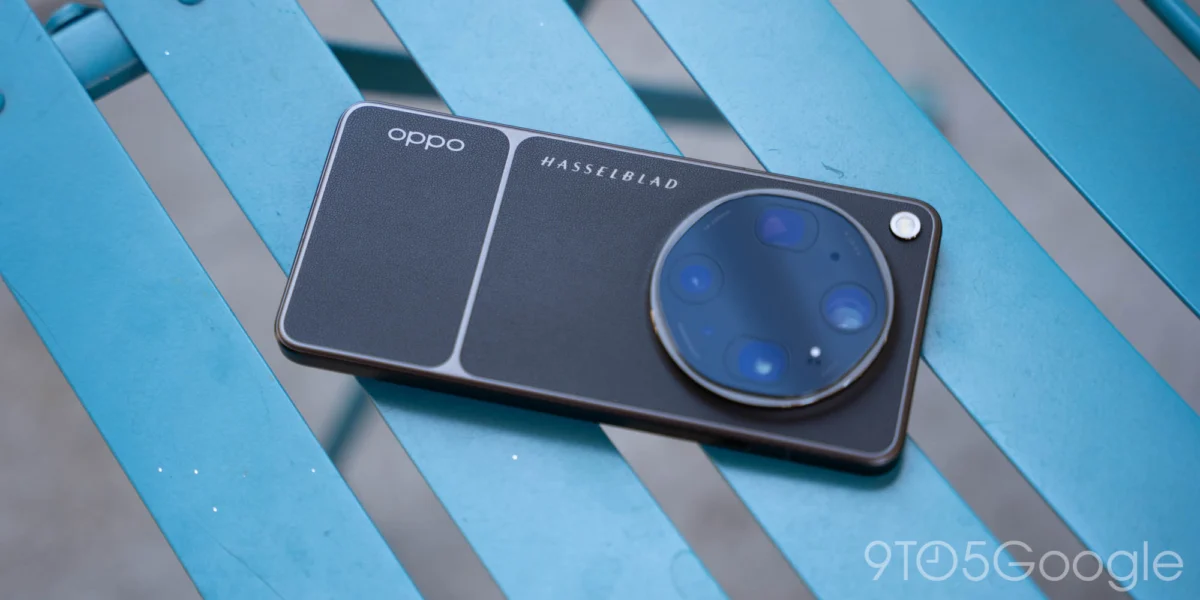
The Oppo Find X9 Ultra was characterized by its aggressive hardware specifications, most notably its inclusion of 16GB of LPDDR5X RAM and a top-tier Snapdragon chipset. It was a device designed to compete at the very pinnacle of the Android market, prioritizing raw performance and a sophisticated, multi-lens camera array. However, the anticipated successor, the Find X10 Ultra, was reportedly poised to push those boundaries even further.
Leaked specifications for the now-defunct device suggested an unprecedented camera configuration: a 200MP main sensor featuring a 1/1.12-inch footprint with advanced LOFIC (Lateral Overflow Integration Capacitor) technology to handle high-dynamic-range scenes. This was to be complemented by a 200MP periscope telephoto lens with a 1/1.3-inch sensor, a secondary 50MP 10x periscope lens for long-range optical zoom, and a 100MP front-facing sensor housed in a unique square module. On paper, the device represented an apex of mobile imaging technology. The fact that such an ambitious product has been sidelined suggests that the economic barriers to bringing such hardware to market have become insurmountable under current industry conditions.
The RAMageddon Phenomenon Explained
To understand the cancellation of the Find X10 Ultra, one must examine the current state of the global semiconductor market. "RAMageddon" refers to the acute shortage and subsequent price volatility of high-bandwidth memory chips. The surge in demand for memory is primarily driven by two sectors: the rapid expansion of data centers required to train and deploy Large Language Models (LLMs) and the integration of on-device generative AI features in consumer electronics.

As smartphones are increasingly marketed as "AI phones," manufacturers have been forced to increase the base RAM requirements of their flagship devices. While 8GB or 12GB of RAM was considered sufficient for premium devices as recently as 2024, the heavy memory overhead of local AI processing has pushed the standard for "Ultra" or "Pro" tiers to 16GB, 24GB, or even 32GB.
Because memory manufacturers are prioritizing the production of high-margin, high-capacity HBM (High Bandwidth Memory) for AI servers, the supply of standard mobile-grade DRAM has tightened. This has created a "price floor" effect, where the bill of materials (BOM) for a flagship smartphone has increased by an estimated 15% to 25% compared to the previous fiscal year. For a company like Oppo, maintaining a competitive price point for an "Ultra" flagship becomes mathematically difficult when component costs alone consume a significant portion of the retail margin.
The Shift Toward MediaTek and Cost Optimization
The current Oppo flagship, the Find X10 Pro Max, serves as a case study in how the company is attempting to navigate these headwinds. Unlike the X9 Ultra, which utilized Qualcomm’s premium Snapdragon platform, the Pro Max variant has transitioned to a high-end MediaTek chipset. Furthermore, the base configurations for the Pro Max have been scaled back to 12GB of RAM in many global markets to maintain a price point that remains palatable to consumers.
Market reactions in regions such as Europe have been telling. Even with the move toward MediaTek and more conservative memory configurations, the X10 Pro Max has faced criticism for its high retail price. Consumers are increasingly wary of paying premium prices for devices that do not offer substantial generational leaps in hardware, especially when those prices are inflated by the increased cost of memory components that may not provide an immediate, tangible benefit in daily use.
A Chronology of Flagship Retrenchment
The trajectory of the Find X-series illustrates a broader trend among major Android manufacturers. In early 2026, the industry was still riding the momentum of high-end hardware innovation, with the Find X9 Ultra setting a standard for high-spec saturation. By mid-2026, supply chain reports began to indicate that the cost of top-tier mobile processors and advanced RAM modules was diverging from the consumer’s willingness to pay.

By the third quarter of 2026, analysts noted that several major Android OEMs began quietly deprioritizing their "Ultra" or "Super-Premium" product lines in favor of "Pro" models that offered a more balanced value proposition. The formalization of the X10 Ultra’s cancellation represents the final stage of this transition, where the market reality of "RAMageddon" forces a strategic retreat from the most expensive product tiers.
Implications for the Smartphone Industry
The cancellation of the Oppo Find X10 Ultra is not an isolated event; it is a signal of a structural shift in the smartphone industry. There are several key implications for stakeholders:
- Stagnation of Hardware "Arms Races": For years, the smartphone industry has relied on a hardware-first strategy, consistently upgrading megapixels, RAM, and storage to justify annual upgrades. The cancellation of the X10 Ultra suggests that this strategy is reaching a point of diminishing returns. Companies are now being forced to pivot toward software differentiation and AI integration as the primary drivers of value.
- Consolidation of Product Portfolios: To manage supply chain risks, manufacturers are likely to consolidate their portfolios. By offering fewer, more versatile devices rather than a fragmented lineup of "Standard," "Pro," and "Ultra" models, companies can achieve better economies of scale and minimize the impact of component-specific shortages.
- The AI Dilemma: There is an inherent contradiction in the current industry narrative. Manufacturers are pushing local AI as the "killer feature" for new phones, yet the hardware required to run these models effectively is driving up costs, which in turn reduces the addressable market for these devices. If AI features are restricted to the most expensive phones, adoption rates may remain lower than anticipated.
- Impact on Consumer Choice: The loss of the Find X10 Ultra leaves a vacuum at the absolute top end of the market. While this may not affect the average user, it represents a loss for power users and mobile photography enthusiasts who rely on the specialized sensors and advanced image processing pipelines that are typically reserved for "Ultra" hardware.
Looking Toward the Future
As the industry looks toward 2027 and beyond, the focus will likely shift from raw hardware specifications to efficiency. If the cost of memory remains high, manufacturers will need to optimize their operating systems and AI models to perform more effectively with less RAM. We may see a return to "lean" software development, where the emphasis is on performance per gigabyte rather than simply increasing the quantity of memory.
Furthermore, the relationship between smartphone OEMs and chip suppliers like Qualcomm, MediaTek, and Samsung will become increasingly complex. The ability to secure stable pricing for essential components will become a competitive advantage, potentially leading to vertical integration or long-term supply contracts that could stabilize prices for the end consumer.
The decision to cancel the Oppo Find X10 Ultra is a pragmatic response to an unsustainable market environment. While disappointing to those who value cutting-edge hardware, it reflects a necessary adjustment to the realities of a global semiconductor landscape that is no longer prioritizing the consumer smartphone market in the way it once did. As the dust settles on "RAMageddon," the industry will likely emerge as a more focused, if perhaps less extravagant, version of its former self, with a renewed emphasis on balancing technological ambition with the economic realities of a changing world.