LG Monitor App Installer Sparks Privacy and User Consent Alarms Amidst Silent System Infiltration

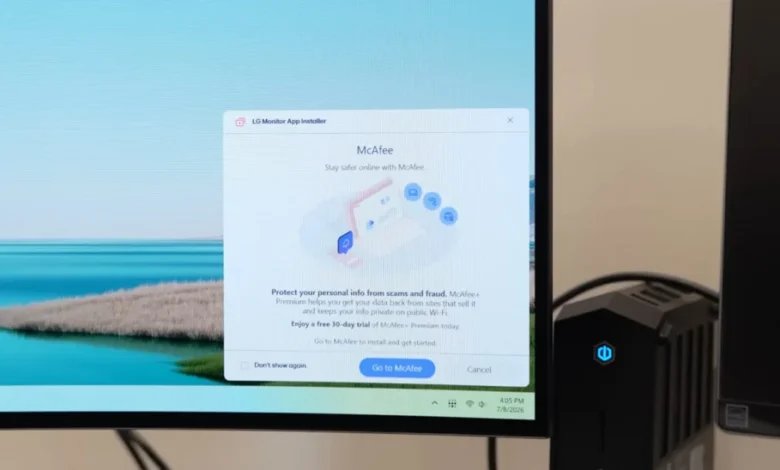
Users are reporting that LG’s Monitor App Installer software is being silently installed on their Windows systems, often without explicit consent or prior notification. This practice, particularly concerning given the premium pricing of LG monitors, has ignited a firestorm of privacy concerns and questions about the role of peripheral companion apps and their installation methods. The implications extend beyond LG, potentially setting a precedent for how hardware manufacturers interact with user systems and manage data.
The core of the issue lies in the unsolicited nature of the LG Monitor App Installer’s deployment. Reports indicate that the application surfaces on user systems without any user-initiated prompt or request for permission, leading to a sense of intrusion and a violation of user control over their own devices. This lack of transparency is amplified by the fact that LG produces some of the most expensive computer monitors on the market, with prices for high-end models frequently exceeding $1,000. For consumers who invest significantly in premium hardware, the expectation is a seamless and respectful user experience, not the forced installation of software that can disrupt workflow and raise privacy red flags.
According to security researcher Burke, once the LG Monitor App Installer is present on a system, "LG technically possesses permission to use ‘all system resources,’ as well as to ‘collect geolocation, device data, online activity, contacts, user credentials, transactions, and more.’" This broad access, granted without a clear and affirmative user action, is the crux of the privacy concern. The potential for such extensive data collection, especially from a device manufacturer, raises serious questions about data stewardship and the security of sensitive personal information.
A Growing Pattern of Unsolicited Software
The problem isn’t entirely new, but recent observations suggest an escalation. Burke noted that the pop-up ads associated with the LG Monitor App Installer have begun appearing on LG monitors he purchased as far back as three years ago, indicating that the practice may have been ongoing and potentially expanded in its reach. This suggests a systemic approach rather than an isolated incident, further fueling user apprehension.
The situation also brings into sharp focus the broader ecosystem of Windows and how it handles companion applications for peripheral devices. The LG Monitor App Installer’s description on the Microsoft Store states its purpose is for users to "easily install and use apps supported by your monitor through LG Monitor App Installer." Among the listed supported applications is McAfee, a cybersecurity software that itself has a complex reputation among users. The inclusion of a third-party security suite as a default offering, installed without explicit user consent, adds another layer of concern regarding the bundle of software being pushed onto user systems.
Windows’ Role in Automatic Installations
Microsoft’s Universal Windows Platform (UWP) device apps play a significant role in enabling this type of automatic installation. According to a Microsoft support page for Windows developers, these apps "can automatically install when the user connects their device to the PC." This automated process is triggered if a user has not opted out of "Recommended Settings" during the Windows installation, is connected to the internet, and is signed into the Microsoft Store.
Critically, the same Microsoft documentation acknowledges the potential for user dissatisfaction: "The automatic installation feature does not provide a notification to the user when the app is installed. Some users may find this experience confusing and frustrating and give your app a bad rating." This candid admission from Microsoft highlights a known friction point in the user experience, yet the practice continues to be facilitated. The absence of a clear notification leaves users blindsided, turning a potentially helpful feature into a source of frustration and distrust.
A Precedent Set by Other Hardware Vendors
LG is not the first hardware manufacturer to face scrutiny for automatically installing software on user devices. In the past, several prominent brands have been criticized for similar practices:
- Razer: Known for its gaming peripherals, Razer has faced criticism for its software installations that users often perceive as intrusive or unnecessary.
- Logitech: Another major player in gaming and productivity peripherals, Logitech has also been the subject of user complaints regarding the automatic installation of its companion software.
- Asus: The motherboard manufacturer has been on the receiving end of similar backlash, with users reporting unwanted software installations bundled with their hardware.
- Gigabyte: Similar to Asus, Gigabyte, a manufacturer of motherboards and other PC components, has also been accused of installing bloatware without explicit user consent.
While companion apps can offer legitimate functionalities, such as customization, firmware updates, or enhanced features for specific hardware, their mandatory and silent installation on expensive devices like high-end LG monitors can feel particularly egregious. For many users, monitors are passive display devices that do not inherently require complex software to function. The expectation is that if such software is offered, it should be an opt-in feature, allowing users to decide if the functionality it provides is valuable to them.
Timeline and Observed Incidents
While a precise start date for the LG Monitor App Installer’s unsolicited installations is difficult to pinpoint, user reports suggest the practice has been ongoing for several years. The recent surge in awareness and complaints, particularly highlighted by tech reviewers and cybersecurity experts, points to a potential recent intensification or broader rollout of this strategy.
The initial discovery and widespread reporting of this issue can be largely attributed to independent tech analysis channels and cybersecurity researchers. Gamers Nexus, a prominent YouTube channel focusing on PC hardware, has been instrumental in bringing this issue to public attention. They shared screenshots, such as the one depicted, illustrating the LG app being installed via Windows Update, a process that users typically associate with essential operating system and driver updates, not third-party manufacturer bloatware. This visual evidence underscores the deceptive nature of the installation, leveraging a trusted update mechanism for an uninvited software deployment.
The monitors identified by Gamers Nexus as auto-installing the LG Monitor App Installer include:
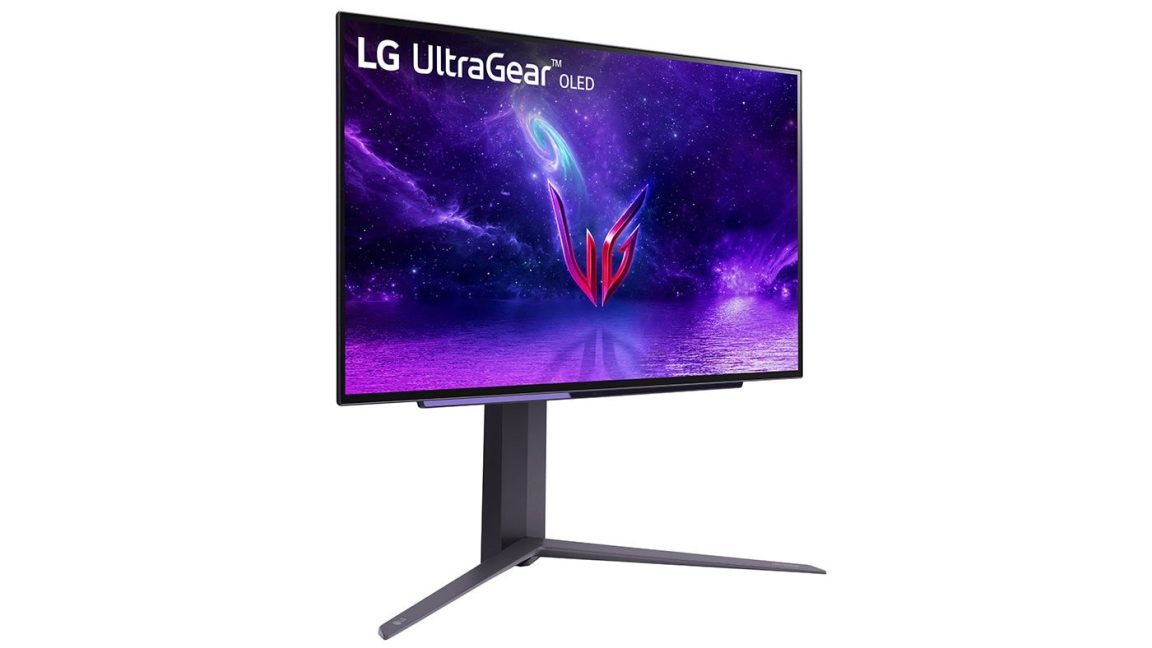
- LG UltraGear 27GN950
- LG UltraGear 32GQ950
- LG UltraGear 27GP950
- LG UltraFine 32UN950
However, given Microsoft’s framework for UWP device apps, it is highly probable that other LG monitor models, and potentially even those from other manufacturers leveraging similar UWP capabilities, could be subject to this practice. The lack of explicit user opt-in for these installations means that the true extent of the issue may be significantly larger than currently reported.
Official Responses and Lack Thereof
As of the publication of this article, Ars Technica reached out to LG for comment regarding the purpose of the LG Monitor App Installer, the specific monitors affected, and their stance on the privacy concerns raised. A company representative acknowledged receipt of these inquiries but had not provided a substantive response. This silence from LG leaves the public and affected users without crucial clarification on their data handling practices and the rationale behind the unsolicited installations.
The absence of a prompt response from LG could be interpreted in several ways: it might indicate an ongoing internal investigation, a deliberate delay in addressing the issue, or a strategy to gauge public reaction before formulating a public statement. Regardless of the reason, the lack of immediate transparency exacerbates the existing distrust and concern among consumers.
Broader Implications and Analysis
The LG Monitor App Installer incident is more than just a localized software installation issue; it represents a confluence of several critical trends in the technology landscape:
- Erosion of User Control: The silent installation of software without clear consent directly challenges the principle of user autonomy over their digital environment. Consumers should have the definitive say in what software resides on their systems, especially when it comes to potentially sensitive data collection.
- Data Privacy in the Age of Connected Devices: As more devices, from monitors to smart home appliances, become "connected," the potential for manufacturers to collect vast amounts of user data grows. This incident highlights the urgent need for clearer regulations and industry standards regarding data collection, storage, and usage by hardware manufacturers.
- The Blurring Lines of Software Distribution: The use of Windows Update and the Microsoft Store for silent installations of manufacturer-specific bloatware blurs the lines between essential system updates and promotional software. This can lead to users becoming desensitized to genuine security updates or, conversely, distrustful of any software that appears without their explicit initiation.
- The Value Proposition of Premium Hardware: When consumers pay a premium for hardware, they expect a commensurate level of quality, performance, and respect for their user experience. The forced installation of software that raises privacy concerns detracts from this perceived value and can lead to significant brand damage.
The incident serves as a stark reminder that the relationship between consumers and technology manufacturers is evolving, and with it, the expectations surrounding transparency, consent, and data privacy. As technology becomes more integrated into our lives, ensuring that user control remains paramount is not just a matter of convenience but a fundamental requirement for trust and security in the digital age. The industry, and potentially regulatory bodies, will need to address these emerging challenges to foster a more responsible and user-centric technological ecosystem.