The modern digital landscape often presents a chaotic scene for brands and individual creators alike: multiple browser tabs dedicated to various social media platforms, a flurry of apps on smartphones, and the perennial task of copy-pasting content across channels to ensure maximum reach. This common scenario underscores a significant challenge in contemporary digital marketing: efficiently managing a pervasive, multi-platform social media presence without succumbing to burnout or sacrificing consistency. For those operating across several social media networks, the imperative is not to "do more," but rather to intelligently automate and streamline repetitive tasks, enabling a focus on high-value creative and strategic work. This comprehensive guide explores seven key tactics designed to cut through the busywork, offering a roadmap for both solo creators and agencies managing extensive client portfolios.
The Evolving Landscape of Digital Presence
A decade ago, a brand’s social media strategy might have revolved primarily around one or two platforms, such such as Facebook or Twitter. Today, the ecosystem has exploded, with Instagram, TikTok, LinkedIn, Pinterest, X, YouTube Shorts, and newer contenders like Threads and Bluesky all vying for audience attention. For businesses and creators, maintaining a visible and engaging presence across these diverse platforms is no longer optional; it is a strategic necessity to connect with segmented audiences, build brand authority, and drive engagement.
However, this ubiquity comes at a cost. A 2023 study by Sprout Social indicated that businesses typically manage between 4 to 10 social media profiles, with larger enterprises often exceeding this number. This proliferation of channels, each with its unique content formats, audience demographics, and posting best practices, can quickly overwhelm even dedicated social media teams. The core challenge lies in the sheer volume of manual effort required: logging into individual accounts, crafting platform-specific content, scheduling posts, monitoring engagement, and analyzing performance data. This fragmentation often leads to inconsistent branding, missed engagement opportunities, and a significant drain on time and resources. Industry reports frequently highlight that social media managers spend upwards of 30% of their time on repetitive tasks, underscoring the urgent need for efficiency.
Strategic Imperatives for Streamlined Operations

The goal for effective multi-platform social media management is not merely presence but optimized presence. This requires a shift from reactive, manual processes to proactive, automated, and strategically aligned workflows. The underlying principle is simple: execute repetitive tasks once, then leverage tools and tactics to disseminate or adapt that effort across the relevant channels. This approach not only saves time but also enhances brand consistency, improves content quality, and provides clearer insights into performance.
The most efficient pathway to managing multiple social media accounts involves centralizing operations through a dedicated social media management tool. By connecting all accounts to a single dashboard, users can schedule posts, reply to comments and direct messages, and track analytics and insights without the constant hassle of logging in and out of individual applications. Complementing this technological backbone are strategic practices such as utilizing content templates, integrating content curation, mastering crossposting and repurposing techniques, and automating routine tasks. Furthermore, a well-defined content strategy and calendar provide the necessary framework, while a measured approach to adding new platforms prevents burnout and ensures sustainable growth.
Leveraging Technology: The Central Role of Social Media Management Tools
At the heart of modern social media efficiency lies the social media management tool. These platforms act as a command center, integrating various social networks into a single, cohesive interface. The market for social media management tools has grown substantially, projected to reach over $18 billion by 2030, reflecting the increasing demand for consolidated solutions.
For creators and brands, these tools offer several critical functionalities:
- Unified Publishing: Draft a post once and schedule it for simultaneous or staggered publication across multiple selected platforms.
- Centralized Engagement: Aggregate comments, mentions, and direct messages from all connected accounts into a single inbox, facilitating quicker responses and consistent customer service.
- Integrated Analytics: Provide comprehensive performance metrics from all platforms in one dashboard, enabling easier tracking of KPIs, identification of trends, and optimization of strategies.
- Team Collaboration: Offer features for drafting, reviewing, and approving content, which is particularly beneficial for teams and agencies managing multiple client accounts.
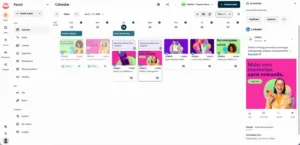
Buffer, for instance, exemplifies such a tool, designed to connect accounts and enable simultaneous publishing. Its offering includes scheduling capabilities, an AI assistant for caption refinement, a landing page builder, and an ideas board, often available through affordable or free tiers for up to three channels, allowing users to experience the benefits before committing financially. While these tools significantly reduce manual effort, it is important to note an honest caveat: no tool can publish natively to every single feature of every platform. Certain platform-specific functionalities, like Instagram’s first comments or some advanced TikTok formats, may still require a manual step. However, even with these minor exceptions, the overall time savings compared to managing five separate apps is substantial.
Tactical Frameworks for Enhanced Efficiency
Beyond the core technology, several tactical approaches can further amplify efficiency and consistency.
-
Content Templates: Ensuring Consistency and Speed
Creating templates for frequently used post formats is a foundational step in cutting design time and maintaining a recognizable brand aesthetic across all accounts. Imagine a brand that consistently posts a "customer testimonial" graphic every Wednesday, a "tip of the day" infographic, or a "behind-the-scenes" photo collage. Instead of designing each from scratch, easily editable templates in tools like Canva or Adobe Express can transform a 20-minute design task into a two-minute content swap. This not only standardizes brand visuals but also alleviates creative pressure, providing a reliable framework for content generation. For optimal cross-platform performance, it’s crucial to adapt template dimensions to suit the specific requirements of each social network, ensuring visual integrity and engagement. -
The Power of Curation: Filling the Content Calendar Strategically
Content curation involves collecting, organizing, and sharing valuable content from other creators or sources that aligns with your audience’s interests and your brand’s niche. This method is a powerful way to augment your content calendar without the continuous burden of generating entirely original material. By rounding up helpful articles, insightful industry reports, or inspiring posts from thought leaders, brands can position themselves as valuable information hubs. This not only saves creation time but also builds trust with the audience by providing diverse perspectives and acknowledges other voices in the industry. Curated content can become a recurring series, such as a "Weekly Industry Roundup" or "Top 5 Marketing Reads," providing predictable value and maintaining consistent publishing schedules. -
Maximizing Reach: Crossposting and Repurposing Content
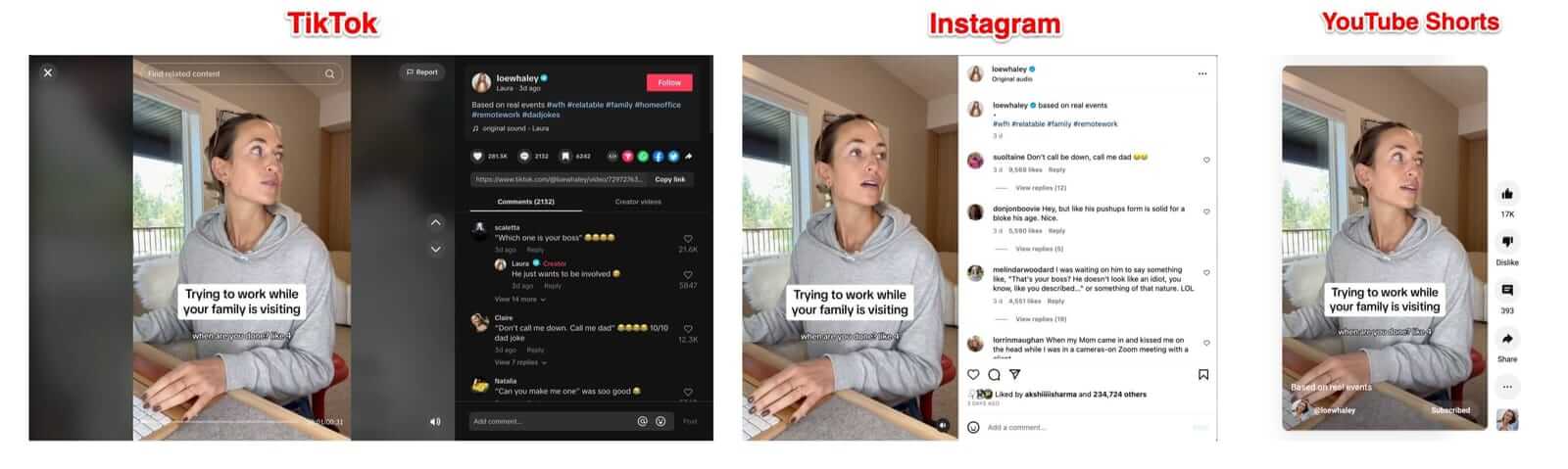
Crossposting refers to sharing the exact same content across multiple platforms with minimal or no alterations. This strategy is most effective for platforms that favor similar content types, such as short-form video shared across Instagram Reels, TikTok, and YouTube Shorts. The success of a video on one platform can directly translate to others, leveraging existing high-performing content. Social media management tools significantly streamline this process, allowing users to draft a single post and publish it simultaneously across chosen networks, eliminating the "copy-paste tax."Content repurposing, on the other hand, involves adapting one piece of content into various formats to suit different platforms and consumption habits. For example, a detailed long-form blog post can be transformed into:
- An Instagram carousel with key takeaways.
- Three short-form videos (Reels/TikToks) focusing on distinct points.
- A series of LinkedIn text posts expanding on specific sections.
- A thread on X or Threads summarizing the core arguments.
- An infographic for Pinterest.
This approach maximizes the return on investment for original content, ensuring that a single idea can fuel a week’s worth of diverse social media output. This iterative process of content creation builds a robust library that can be continuously leveraged and adapted.
-
Automation: Freeing Up Creative and Strategic Bandwidth
Social media automation leverages software to handle routine, repetitive tasks, thereby freeing human resources for more creative, strategic, and interactive work. Key areas for automation include:- Scheduling: Automatically publishing posts at optimal times.
- Reporting: Generating analytics reports on a predefined schedule.
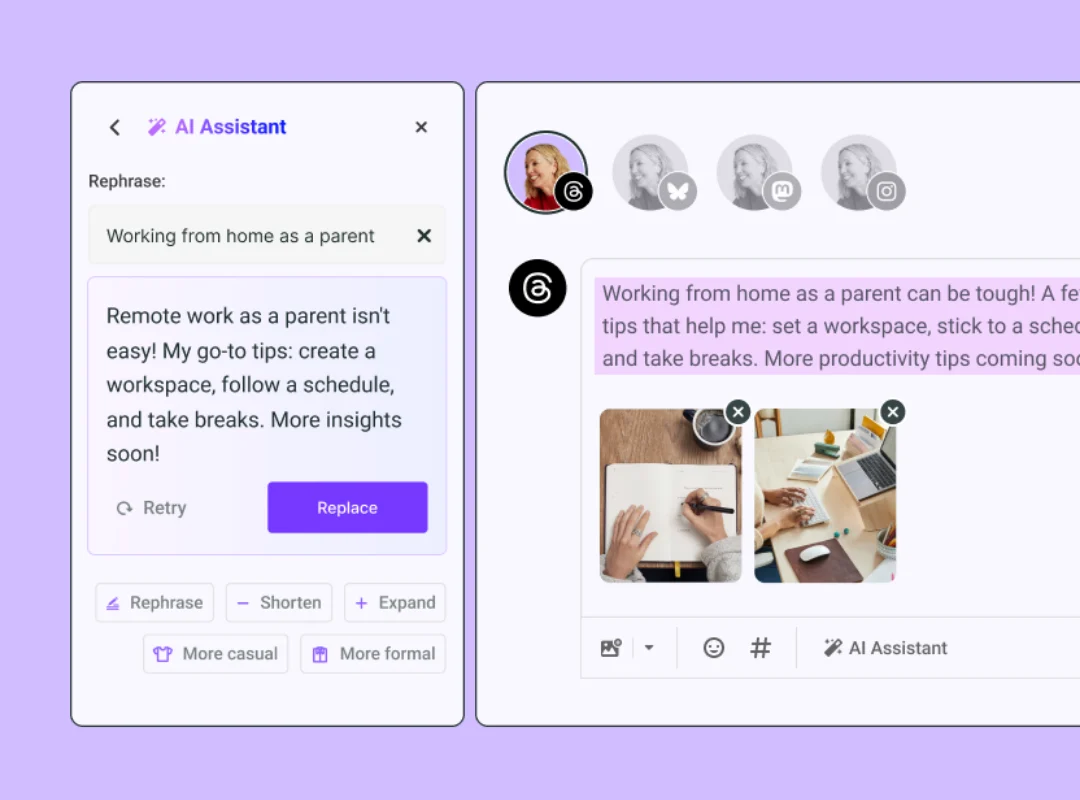
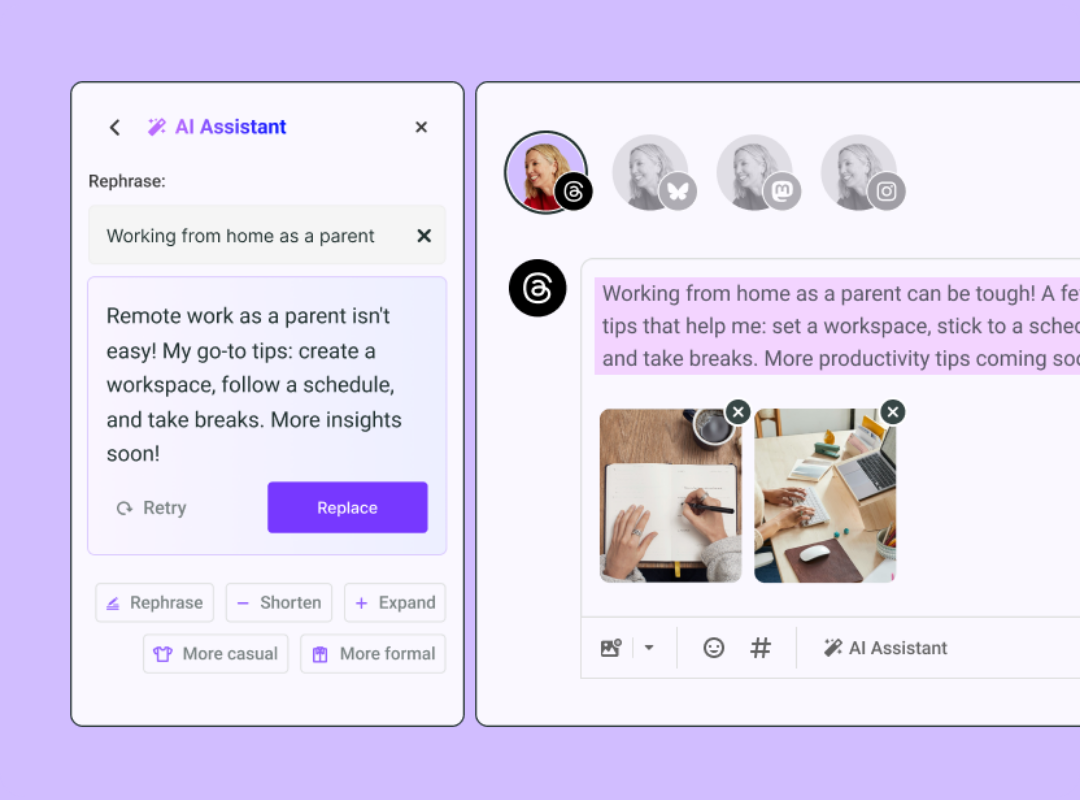
- Caption Optimization: Using AI tools to adjust caption tone (formal, casual, funny) or optimize for keywords and hashtags.
- Comment Moderation: Setting up rules for auto-responses or flagging certain keywords in comments.
Buffer’s AI assistant, for example, can instantly rephrase captions to match desired tones or lengths, demonstrating how AI can significantly accelerate content preparation. By offloading these mechanical tasks, creators and marketers can dedicate more time to content ideation, community engagement, and strategic planning, enhancing the overall quality and impact of their social media presence.
-
Foundational Planning: Strategy and Content Calendar Development
A clear and robust social media strategy is the blueprint that guides all content creation and distribution efforts. Without it, posting becomes haphazard and often yields inconsistent results. A comprehensive strategy defines:- Target Audience: Who are you trying to reach?
- Goals: What do you aim to achieve (e.g., brand awareness, lead generation, sales)?
- Key Performance Indicators (KPIs): How will success be measured?
- Platform Selection: Which networks are most relevant to your audience and goals?
- Content Pillars: What themes or topics will your content consistently cover?
This strategy then feeds directly into an actionable content calendar, which meticulously outlines what content goes live, on which network, at what time, and, crucially, why. A well-maintained content calendar transforms the often-frantic process of managing multiple accounts into an organized, predictable, and results-driven operation. Resources like Buffer’s guide to social media marketing strategy and content calendar templates are invaluable starting points for developing this foundational framework.
-
Scaling Smartly: Phased Platform Adoption
The temptation to establish a presence on every trending platform immediately is strong but often counterproductive. Attempting to manage too many new platforms simultaneously is a fast track to burnout and diluted effort. A more sustainable approach involves phased adoption, focusing on mastering one platform before expanding to the next.Platform selection should always be audience-centric. For example, direct-to-consumer (D2C) brands often find success on visual platforms like TikTok, Instagram, and Pinterest, while business-to-business (B2B) entities might prioritize LinkedIn, X, and professional communities. Researching where your target audience actively engages with products or services in your niche is paramount. It’s not just about where they are, but where they are in a buying mindset.
Once target platforms are identified, implement a "start, learn, expand" methodology. Begin with the most crucial platform, dedicate a few months to understanding its nuances, optimizing content, and building a consistent presence. Once a level of comfort and proven success is achieved, gradually introduce the next platform, leveraging the content and insights gained from the first. This methodical approach yields several benefits:
- Deep Mastery: Allows for a thorough understanding of each platform’s algorithms, audience behavior, and best practices.
- Content Library Development: Builds a strong repository of high-performing content that can be repurposed for subsequent platforms.
- Sustainable Growth: Prevents resource overextension and minimizes the risk of burnout, ensuring long-term engagement.
There is no inherent requirement to be present on every platform; strategic, intentional growth is far more effective than an unfocused, ubiquitous presence.
Managing Client Accounts: Specific Considerations for Agencies and Freelancers
For agencies and freelancers handling social media for multiple clients, the challenge extends beyond content management to maintaining strict separation, ensuring clear approval flows, and providing transparent reporting. Social media management tools designed for agencies become indispensable here. They typically offer:
- Dedicated Workspaces: Separate environments for each client, preventing cross-contamination of content or data.
- Custom Calendars: Individual content calendars for each client, aligning with their unique strategies and approval cycles.
- Approval Workflows: Integrated systems for drafting content, submitting it for client review, and securing approvals directly within the platform, eliminating cumbersome email chains.
- Client-Specific Reporting: Automated generation of detailed analytics reports for each client, simplifying monthly updates and demonstrating ROI.
These features dramatically reduce administrative overhead and improve accountability, allowing agencies to scale their client base efficiently.
Implementation and Future Outlook
Successfully navigating the complexities of multi-platform social media management is not an effortless endeavor. Even seasoned teams grapple with the dynamic nature of platforms, evolving algorithms, and the constant need for fresh, engaging content. The key to sustainable success lies in phased implementation rather than attempting to overhaul everything at once. Identifying the most pressing bottlenecks – perhaps inconsistent branding or a lack of scheduling efficiency – and addressing them with one or two key tactics (e.g., building templates and adopting a scheduling tool) can yield immediate benefits. As these initial systems become ingrained, additional tactics can be progressively integrated, fostering an iterative process of continuous improvement.
The digital landscape will continue to evolve, with new platforms emerging and existing ones refining their features. The ability to adapt quickly, supported by robust tools and strategic frameworks, will remain paramount for brands and creators aiming to maintain a competitive edge. By embracing smart strategies, leveraging powerful management tools, and committing to a methodical approach, the chaos of multi-platform management can be transformed into a streamlined, effective engine for digital growth and engagement.