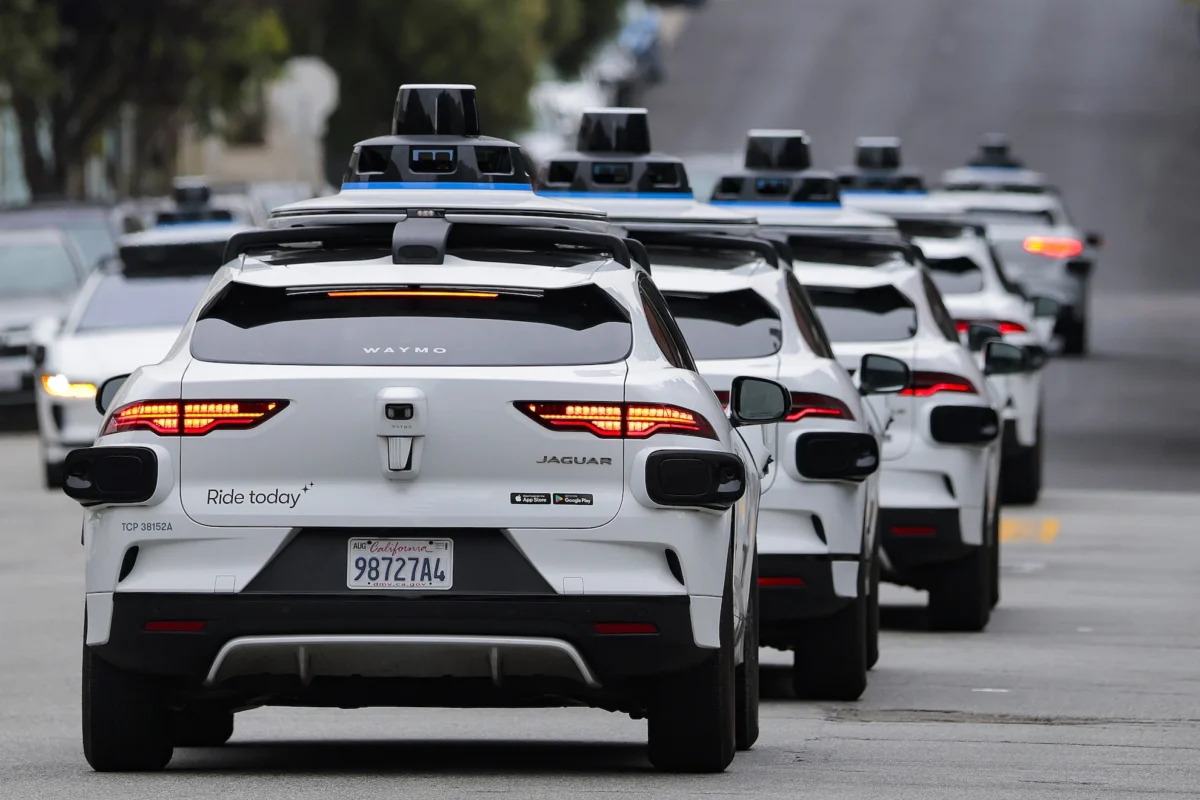
Waymo, the autonomous vehicle subsidiary of Alphabet Inc., has announced that its robotaxi service in San Francisco has resumed operations following a temporary pause. The disruption, which lasted for approximately one hour, was initiated to assess the impact of a significant power outage that affected a large portion of the city. The outage, attributed to issues with Pacific Gas and Electric Company (PG&E) infrastructure, impacted an estimated 7,000 customers across various San Francisco neighborhoods, including the Sunset and Richmond districts.
The temporary suspension of Waymo’s service was communicated to affected customers via an alert, as evidenced by a social media post shared on July 18, 2026. The notification indicated that the robotaxi service was "temporarily paused" and that "freeway routes are unavailable" during the period of assessment. This proactive measure allowed Waymo to monitor local conditions and coordinate with city officials to ensure the safety and efficiency of its autonomous fleet.
A spokesperson for Waymo confirmed the situation in a statement to TechCrunch, explaining, "We are making temporary adjustments to our service while we monitor local conditions. We know riders depend on us, and we will return to normal operations as soon as possible." Subsequent to the initial publication of the article, Waymo provided an update, clarifying that the decision to pause service was a deliberate one, made to "assess the scale of the power outage affecting a large portion of San Francisco and coordinate with local officials." This brief, one-hour hiatus underscores the sensitive reliance of autonomous vehicle operations on stable urban infrastructure, particularly in complex metropolitan environments.
Background of Autonomous Vehicle Operations in San Francisco
San Francisco has been a pivotal testing ground for autonomous vehicle technology, with Waymo and other companies like Cruise (formerly owned by General Motors) operating commercial services within the city. This pioneering role has also brought increased scrutiny and challenges. The city’s dense urban landscape, varied weather conditions, and frequent incidents of human-caused disruptions, such as traffic congestion and emergency events, present unique hurdles for self-driving cars.
The current incident is not the first time that external infrastructure failures have impacted Waymo’s operations in San Francisco. In December 2025, a widespread power outage led to a significant number of Waymo vehicles stalling on city streets, causing considerable disruption and prompting widespread public discussion about the reliability of autonomous fleets during emergencies. Another notable incident occurred during a Fourth of July fireworks show, where a similar power-related issue led to a paralysis of traffic, including Waymo vehicles, on the iconic Golden Gate Bridge.
These recurring events have amplified calls for more robust regulatory frameworks governing the deployment and operation of autonomous vehicles in urban settings. San Francisco Mayor Daniel Lurie has been a vocal advocate for stricter regulations, particularly in the wake of the December 2025 traffic disruption. He has urged for "tougher state regulations" to "adequately address how autonomous vehicles operate during major incidents, planned or not." The mayor’s stance reflects a broader concern among city officials about the potential cascading effects of autonomous vehicle malfunctions or disruptions on public safety and city mobility.
The Role of Infrastructure in Autonomous Mobility

The July 18th incident highlights a critical dependency: the reliance of advanced autonomous systems on the stability of conventional urban infrastructure. While Waymo vehicles are equipped with sophisticated sensors, redundant systems, and the ability to navigate without GPS in some scenarios, widespread power outages can affect not only the vehicles themselves (through their charging infrastructure and communication networks) but also the surrounding traffic management systems and the general predictability of the urban environment.
PG&E, the primary utility provider for San Francisco, has faced scrutiny in the past for infrastructure reliability. Power outages can stem from various causes, including equipment failures, extreme weather, or maintenance work. The precise cause of the July 18th outage affecting 7,000 customers is still under investigation by PG&E. However, the immediate consequence for Waymo demonstrates a vulnerability that regulators and technology providers must continue to address.
Supporting Data and Trends
The growth of the robotaxi market, particularly in cities like San Francisco, has been driven by significant technological advancements and substantial investment. Waymo, a pioneer in the field, has been steadily expanding its service area and operational capabilities. As of early 2026, Waymo had accumulated millions of driverless miles in various cities, including Phoenix, San Francisco, and Los Angeles, showcasing a growing level of operational maturity.
However, the incidents of service disruption, whether due to power outages, unexpected environmental factors, or other operational challenges, serve as important data points for the industry. They underscore the need for:
- Enhanced Resilience: Autonomous vehicle systems need to be designed with greater resilience to external infrastructure failures. This could involve more advanced onboard power solutions, enhanced communication protocols that can function under degraded network conditions, and improved ability to safely pull over or find designated safe havens during widespread disruptions.
- Inter-Agency Coordination: Closer collaboration between autonomous vehicle operators, utility companies, and city emergency services is crucial. Pre-established protocols for communication and response during infrastructure failures can minimize the impact on public services and safety.
- Regulatory Adaptation: As Mayor Lurie has emphasized, existing regulatory frameworks may need to evolve to specifically address the unique challenges posed by autonomous vehicles during large-scale incidents. This includes defining responsibilities, establishing clear performance standards during emergencies, and ensuring mechanisms for accountability.
Analysis of Implications
The temporary pause in Waymo’s service, while brief, has several implications for the future of autonomous mobility in San Francisco and beyond:
- Public Trust and Perception: Recurring disruptions, even if minor, can erode public trust in the reliability and safety of autonomous vehicles. Each incident, especially one that causes visible disruption like stalled vehicles or service unavailability, provides fodder for critics and can slow down public acceptance.
- Operational Scalability: For companies like Waymo to achieve widespread commercial success, their services must demonstrate a high degree of reliability and availability, comparable to or exceeding traditional transportation options. The ability to consistently operate through various urban challenges is paramount.
- Regulatory Landscape: The repeated challenges faced by autonomous vehicles in San Francisco are likely to accelerate regulatory action. Mayor Lurie’s push for stricter rules suggests that the city and potentially the state will seek to implement more prescriptive guidelines for autonomous vehicle deployment, especially concerning their behavior during public emergencies. This could lead to more stringent permitting processes, operational limitations, and mandatory reporting requirements.
- Technological Development: These incidents also serve as critical feedback for the technology developers. They highlight areas where current autonomous systems might be over-reliant on specific infrastructure or where failsafe mechanisms need further refinement. Future iterations of autonomous technology will likely incorporate greater redundancy and adaptability to a wider range of unforeseen circumstances.
Waymo’s swift response in resuming service and its transparent communication about the temporary adjustments demonstrate an effort to mitigate negative impacts. However, the underlying challenge—the integration of advanced autonomous technology into complex, often unpredictable urban environments—remains a significant undertaking. The ability of autonomous vehicles to seamlessly navigate not just traffic, but also the broader challenges of urban infrastructure, will be a key determinant of their long-term success and widespread adoption. As San Francisco continues to be a leading frontier for this technology, the lessons learned from events like the July 18th power outage will undoubtedly shape the future of transportation in the city and across the globe.
The article was updated to reflect Waymo’s confirmation that service had resumed.