Gemini Spark Unveils Enhanced Automation Capabilities for Google AI Pro Subscribers

Google’s ambitious personal AI agent, Gemini Spark, is now expanding its reach, becoming available to Google AI Pro subscribers in the United States. This rollout follows the initial launch of Gemini Spark with AI Ultra in May, signaling a significant step forward in Google’s strategy to integrate advanced AI into users’ daily workflows. While currently limited to the US for AI Pro subscribers, Google has indicated that broader international availability is imminent.
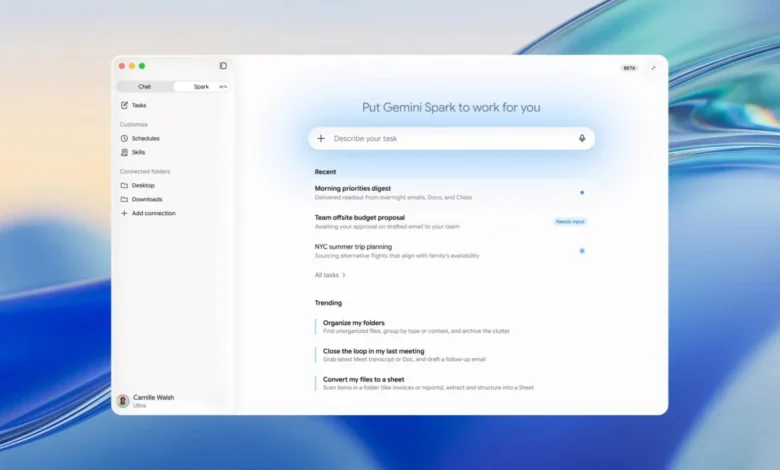
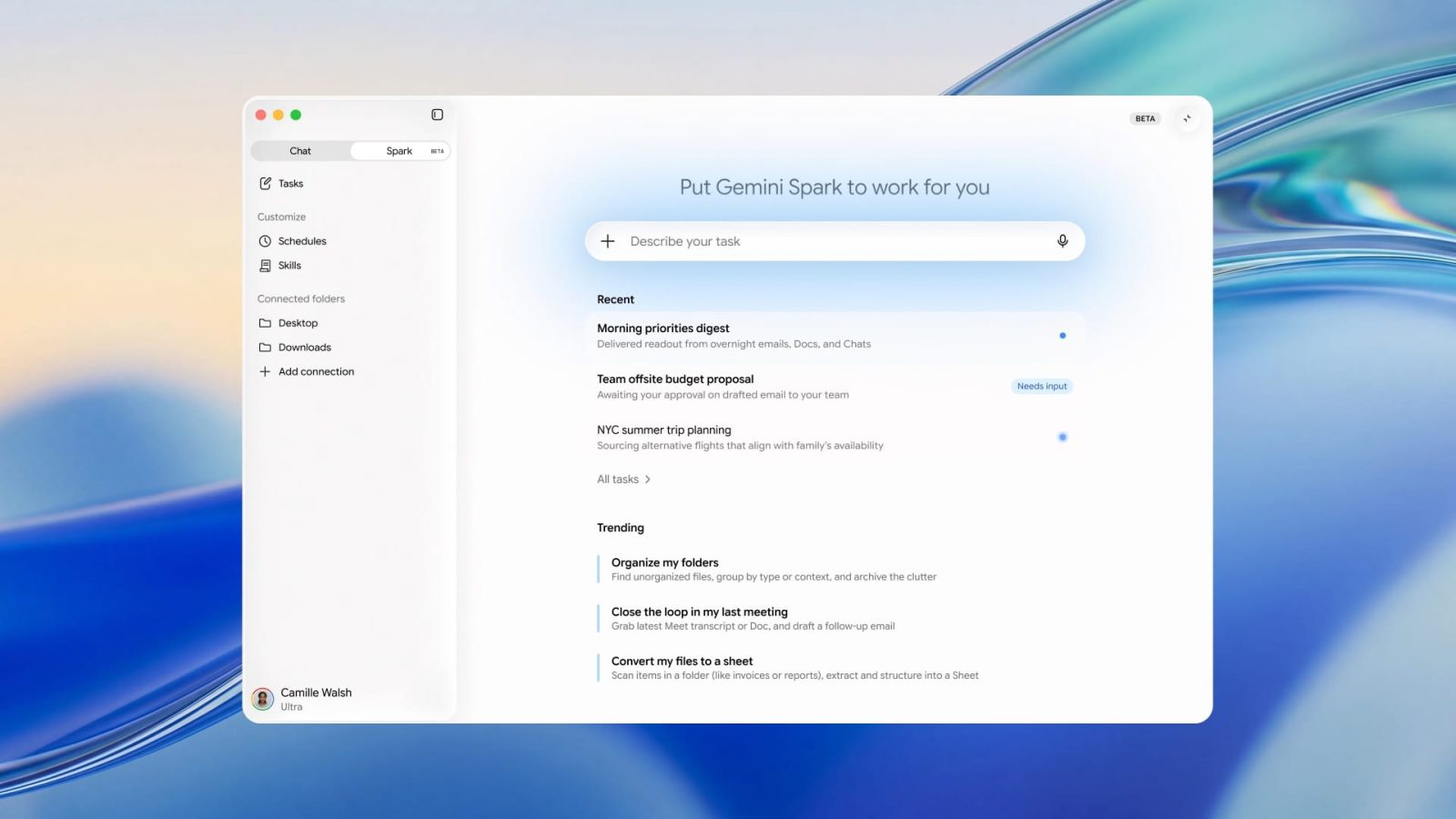
Gemini Spark is designed as a powerful tool for automating complex tasks, aiming to streamline user interactions with digital services. On the web interface, users will notice a new tab within the navigation drawer, signifying Spark’s dedicated presence. For mobile users on Android and iOS, Gemini Spark will be accessible via a distinct new page within the Gemini application. This strategic placement ensures that the AI agent is readily available and discoverable, encouraging user adoption and exploration of its automation potential.
At its core, Gemini Spark leverages a suite of "Connected Apps" to execute user-defined workflows. These integrated services include the robust Google Workspace suite (Docs, Sheets, Slides, Drive, Gmail, Calendar, Keep, Tasks), Google Search, a personal intelligence layer, a remote web browser with code execution capabilities, chat functionalities, Canvas for visual tasks, and location data. By harnessing these diverse tools, Spark aims to act as a central orchestrator, capable of handling intricate requests that would otherwise require multiple manual steps across different applications.
The architecture of Gemini Spark introduces key conceptual advancements: "Skills" and "Schedules." Skills are defined as reusable sets of instructions that can be augmented with additional context, allowing for greater flexibility and personalization. Schedules, on the other hand, enable automated task execution based on predefined triggers, such as specific times or conditional events. These elements combine to form a "Task," which represents the overarching goal the user wishes to accomplish. This modular and event-driven approach is fundamental to Spark’s ability to learn and adapt to user needs.

Users are permitted to have up to 15 tasks actively running concurrently. This limit is in line with the broader compute-based usage policies that govern the Gemini ecosystem, ensuring a balanced and sustainable user experience. The expansion of Spark’s capabilities since its initial launch has been particularly notable in the integration with Google Workspace. The recent introduction of a dedicated Gemini Spark macOS app further exemplifies this commitment, allowing users to initiate tasks, such as browsing files directly from their Mac, even when away from their primary computer. This cross-platform accessibility underscores Google’s vision of a seamlessly connected AI experience.
Deep Dive into Gemini Spark’s Connected Apps and Functionality
The integration of Gemini Spark with Google’s suite of productivity tools represents a significant leap in personal AI automation. Each Connected App offers unique capabilities that Spark can leverage to fulfill user requests.
Calendar Integration
While specific details on Calendar task examples were not fully elaborated in the initial announcement, the integration suggests that Gemini Spark could automate event creation, rescheduling, and even sending out invitations. For instance, a user might instruct Spark to "Schedule a meeting with the marketing team next Tuesday afternoon and send out calendar invites with the agenda from the latest project brief." This would involve Spark accessing the user’s calendar, identifying available slots, creating a new event, and then accessing the contact list for the marketing team to send out invitations.
Gmail Automation
Gmail, a cornerstone of digital communication, is a prime candidate for Spark’s automation prowess. Potential applications include:
- Email Triage and Prioritization: Spark could monitor incoming emails, flag urgent messages, and even draft responses based on predefined templates or learned user communication patterns.
- Information Extraction: The AI could be tasked with extracting key information from emails, such as flight details, invoice numbers, or appointment confirmations, and automatically populating them into relevant applications or calendars.
- Automated Replies: For routine inquiries, Spark could be programmed to send out automated responses, freeing up user time for more critical communications. For example, a user might set up a rule for Spark to "Reply to all emails with ‘Invoice Received’ in the subject line with a confirmation and attach the latest project status report."
Docs, Sheets, Slides, and Drive Integration
The synergy between Gemini Spark and Google’s document creation and storage tools opens up a vast array of possibilities for content management and manipulation.
- Document Generation and Summarization: Spark could generate new documents based on prompts, summarize lengthy reports, or extract specific data points from spreadsheets. A user might say, "Create a new project proposal document using the template from my Drive and populate it with the Q3 sales figures from the ‘Sales Report 2026’ spreadsheet."
- File Organization and Retrieval: Spark can efficiently search for, organize, and retrieve files from Google Drive. This could involve tasks like "Find all documents related to the ‘Alpha Project’ from the last six months and organize them into a new folder named ‘Alpha Project Archive’."
- Collaborative Editing Assistance: While requiring user confirmation for edits to shared documents, Spark can propose changes, identify discrepancies, or even suggest improvements to content. This feature is particularly valuable in collaborative environments where maintaining document integrity and consistency is crucial. The explicit requirement for user review before editing shared documents highlights Google’s focus on maintaining user control and preventing unintended data modification.
Google Keep and Google Tasks Integration
The integration with note-taking and task management applications further enhances Spark’s ability to manage personal productivity.
- Note Creation and Organization: Spark can create new notes in Google Keep, organize them by labels, or even extract action items from existing notes and convert them into tasks. For instance, "Create a new note in Keep titled ‘Meeting Ideas’ and add ‘Brainstorming session for new product launch’ as a bullet point."
- Task Management Automation: For private tasks in Google Tasks, Spark can perform bulk actions without explicit user confirmation, such as marking tasks as complete or reassigning them. However, the emphasis on reviewing requests before submission or managing tasks directly in Google Tasks underscores Google’s commitment to user oversight, especially concerning potentially sensitive operations on private data. Users might be prompted to approve actions like "Mark all tasks in the ‘Urgent’ list as completed" or "Reschedule all tasks due this week to next week."
Evolution and Future Implications
The phased rollout of Gemini Spark, starting with AI Ultra and now expanding to AI Pro subscribers, suggests a strategic approach by Google to refine its AI agent’s capabilities and user experience. The initial launch in May with AI Ultra focused on delivering the most advanced version of Spark, likely targeting early adopters and power users. The subsequent expansion to AI Pro subscribers indicates a broadening of access to a powerful AI assistant that can significantly augment productivity.
The introduction of "Skills" and "Schedules" signifies a move towards a more intelligent and proactive AI. Instead of merely responding to direct commands, Spark is being engineered to anticipate needs and execute tasks based on learned patterns and predefined triggers. This evolution positions Gemini Spark not just as a tool but as a genuine digital assistant capable of managing complex workflows autonomously.
The implications of such advanced automation are far-reaching. For individuals, Gemini Spark promises to liberate significant amounts of time previously spent on mundane administrative tasks, allowing for greater focus on creative endeavors, strategic thinking, and personal pursuits. For businesses, the potential for streamlining operations, improving efficiency, and reducing human error is substantial. Imagine marketing teams automating campaign reporting, sales teams automating lead follow-ups, or research teams automating data aggregation.
However, with increased automation comes a heightened need for robust security and privacy measures. Google’s emphasis on user confirmation for certain actions, particularly with shared documents and private tasks, reflects an understanding of these concerns. The responsible development and deployment of AI agents like Gemini Spark will be crucial in building user trust and ensuring widespread adoption.

The integration of a remote web browser with code execution capabilities also hints at a future where Gemini Spark can interact with a wider array of online services and platforms, potentially extending its automation reach beyond the immediate Google ecosystem. This could pave the way for a more interconnected and intelligent digital landscape, where AI agents seamlessly manage tasks across various applications and services.
The ongoing development and expansion of Gemini Spark underscore Google’s commitment to pushing the boundaries of artificial intelligence and its application in everyday life. As the technology matures and user feedback is incorporated, Gemini Spark is poised to become an indispensable tool for navigating the complexities of the modern digital world. The current rollout to AI Pro subscribers in the US is a significant milestone, and the anticipated global expansion will undoubtedly reshape how individuals and organizations interact with technology and manage their workflows.