As the global spotlight of the World Cup illuminated Kansas City, drawing international media outlets from across the globe, local journalists adopted a shrewd and effective strategy: rather than attempting to compete directly with the vast resources of global news organizations, they leaned even harder into their inherent strength – an unparalleled understanding and dedication to their own communities. This approach not only allowed them to deliver unique, compelling narratives but also showcased the spirit of Kansas City in a way no outside reporter could replicate.
A Strategic Pivot: Hyperlocal Coverage Takes Center Stage
Kansas City’s newsrooms recognized early that their competitive advantage lay in telling stories that were deeply rooted in the local experience, stories that only local journalists could truly uncover. This strategic pivot began years in advance of the first whistle, long before any of the competing teams or their legions of fans had set foot in the heartland city. Madeline Fox, news director at KCUR, the city’s NPR affiliate, articulated this foresight, stating, "We found out that Kansas City would be a host city in 2022, and our coverage started then and really ramped up about a year beforehand."
KCUR, with its relatively smaller 10-person reporting team compared to behemoths like WGBH or WBUR in larger metropolitan areas, meticulously planned its World Cup strategy. In June 2025, a full year before the tournament’s kickoff, KCUR launched a podcast miniseries delving into Kansas City’s rich and often underappreciated soccer history. This early initiative laid the groundwork, educating local audiences and building anticipation. By January 2026, the station debuted "Soccer City ’26," a weekly newsletter offering updates on upcoming matches, local festivities, and community events tied to the tournament. This sustained engagement highlighted the city’s deep passion for sports, a characteristic Fox emphasized: "Kansas City and the surrounding areas love to go all in on sports, and so we knew that this was going to be a big story for us."
Kansas City’s Soccer Pedigree and the Grand Stage
Kansas City might be the smallest of the World Cup host cities, a distinction that initially raised eyebrows among some international observers, but it boasts a remarkable and enduring soccer legacy. The city’s bid to host the World Cup was bolstered by a significant investment in its soccer infrastructure over the past 15 years, totaling approximately $700 million. This includes the development of two premier Major League Soccer (MLS) stadiums: Children’s Mercy Park, home to Sporting Kansas City, and the state-of-the-art CPKC Stadium, the world’s first purpose-built stadium for a professional women’s soccer team, the Kansas City Current. These facilities, combined with a passionate and rapidly growing fanbase, have earned Kansas City the moniker "Soccer Capital of America."
Despite being widely recognized for its American football prowess, particularly through the recent Super Bowl triumphs of the Kansas City Chiefs, soccer has deep, historical roots in the region. The city’s soccer infrastructure, robust youth development programs, and a vibrant local fan culture, including strong support for Sporting KC since its inception as one of MLS’s original franchises, provided a compelling narrative for its World Cup bid. This blend of historical passion and modern investment proved instrumental in securing its place among the elite host cities.
The World Cup itself brought an impressive lineup of international talent to Kansas City. Four nations – Argentina, the Netherlands, England, and Algeria – established their base camps within the metro area, integrating their teams and staff into the local fabric. Arrowhead Stadium, typically a shrine to American football, was transformed into a global soccer arena, hosting six sold-out matches. This included a thrilling quarterfinal clash between Argentina and Switzerland, demonstrating the city’s capacity to handle high-stakes international competition.
A City Transformed: The Scale of the Event
Hosting the World Cup was an event of unprecedented magnitude for Kansas City. More than 300,000 people attended matches at Arrowhead Stadium during the tournament, with an additional 300,000 converging on FIFA’s Fan Festival downtown. This staggering influx of visitors dwarfed previous major events, including the 2023 NFL Draft, which attracted approximately 150,000 attendees. The sheer scale presented both immense opportunities and significant logistical challenges for city officials and local businesses.
Economic impact projections for World Cup host cities typically range into the hundreds of millions, and Kansas City was no exception. Pre-tournament estimates from local economic development agencies and the city council anticipated a direct economic benefit well exceeding $500 million, alongside invaluable global media exposure. This influx of tourism spending was expected to boost local hospitality, retail, and transportation sectors significantly, creating thousands of temporary jobs and leaving a lasting legacy in infrastructure improvements and international connections.

For Kansas City’s journalists, this meant an intensive, "full-court press" reporting effort. KCUR’s Madeline Fox acknowledged the disparity in resources, noting, "I wouldn’t say for sure that we’re the smallest staffed newsroom… But we are far outgunned by WGBH or WBUR or LA or San Francisco." This resource gap necessitated innovative approaches to coverage.
Navigating Challenges: Innovation in Local Newsrooms
A significant challenge for KCUR was the absence of official press access to the matches at Arrowhead Stadium, a common hurdle for smaller local outlets when pitted against global media giants for FIFA credentials. This limitation, however, forced KCUR to redefine its coverage strategy, turning a perceived disadvantage into a unique strength. Fox explained their simple yet profound solution: "hit the streets."
Instead of focusing on play-by-play match analysis, which international broadcasters would handle comprehensively, KCUR immersed itself in the vibrant fan culture and community reactions unfolding across the city. "Not everybody is going to have somebody at the Algerian bakery where all of the Algeria fans are gathering, or the watch party in just north of our historic jazz district for Ghana," Fox pointed out. This hyper-local, community-centric reporting allowed KCUR to "tell the stories in a way that feels more like the people who live here than what happens in the stadium," capturing the authentic spirit of the World Cup experience for local residents.
Beyond the Stadium Walls: Connecting Communities
The World Cup, beyond its sporting spectacle, served as a powerful lens through which Kansas City’s diversity was brought into sharp focus. For KCUR, this meant treating the tournament as much as a community story as a sports story. The influx of international fans, proudly displaying their national colors and celebrating their heritage, offered a vivid reminder of the city’s multicultural fabric.
"We might know that we have a large Latino population, but most of us aren’t frequently reminded that they are Colombians and Argentinians and Ecuadorians," Fox observed. "Now that we’re seeing these jerseys around and seeing the people come out in large numbers, I think it’s not only telling people more about who’s already present in their community, but helping them see what it’s like to be that person in this moment in this city." This approach fostered a deeper understanding and appreciation of cultural identities within Kansas City, bridging divides and celebrating shared humanity through the universal language of soccer.
Moreover, KCUR leveraged the World Cup as a compelling "hook" for reporting on local issues that might otherwise struggle to capture widespread attention. For instance, the Westport neighborhood in Kansas City had grappled with severe flooding after heavy rains for years. In a timely coincidence, the city finally implemented a comprehensive flood control plan in January, just months before the tournament. Stories like these, which previously "didn’t have a hook," suddenly gained significant relevance and audience interest when framed within the context of preparing for a global event. This innovative journalistic strategy demonstrated how a major international event could be used to amplify critical local narratives.
The Kansas City Star’s Comprehensive Approach
While KCUR embraced a strategy born of necessity, The Kansas City Star, with its larger newsroom and FIFA credentials, pursued a more comprehensive approach that still prioritized unique local angles. Vahe Gregorian, a veteran sports columnist at The Star who has covered 10 Olympic Games, echoed the sentiment of seeking stories that visiting reporters would miss. "I want to make sure I’m trying to find something that I can make original, and both not get in somebody else’s way, but also not lose an idea that I think might be special," Gregorian explained. His focus was on narratives that demonstrated "where culture touches culture," capturing the intersection of global celebration and local life.
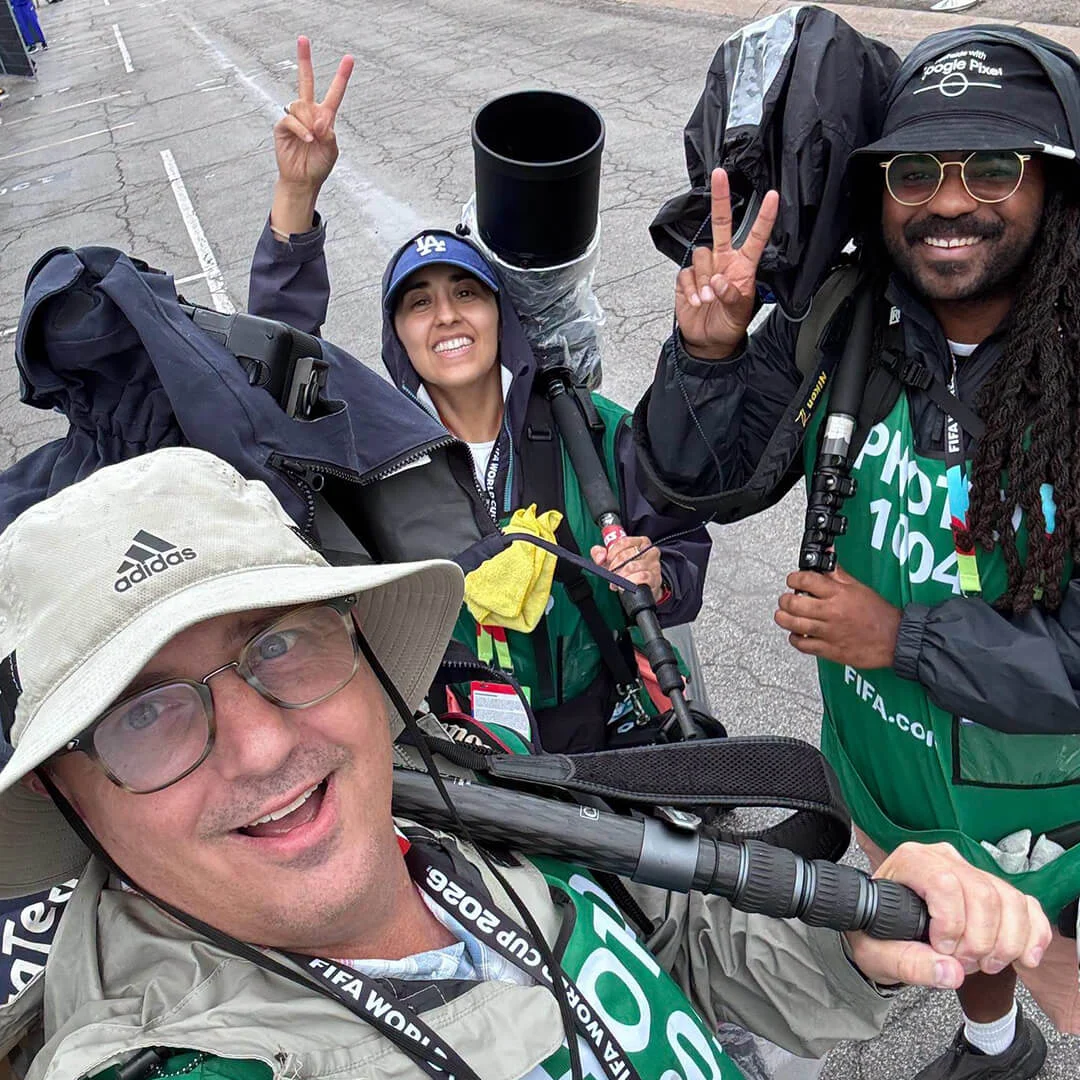
The Star’s access to Arrowhead Stadium meant it could deploy a significant number of reporters, sometimes seven or eight for a single match, providing traditional sports coverage. However, some of its most impactful and memorable stories unfolded outside the stadium, in the vibrant streets of Kansas City. A prime example was the Netherlands vs. Tunisia match on June 25. Kansas City Star photographer Dominick Williams and his team were acutely aware of the famed Dutch Orange Walk – a jubilant parade where Netherlands fans, clad in their national color, stomp and chant through city streets.
Having studied TikTok videos of Orange Walks from other host cities, Williams and his team developed a meticulous game plan. They created spreadsheets, mapped out strategic positions for each reporter along the parade route, and prepared for the spectacle. When the "orange masses" descended upon downtown’s Power & Light District, the team fanned out. Reporters were stationed at the parade’s genesis, while a colleague sought rooftop vantage points to capture the immense scale of the march. Williams himself positioned on the roof of the iconic Western Auto building, framing the vibrant crowds beneath its distinctive red sign. "I keep in mind certain landmarks," Williams stated, "Let’s try to make sure that this is (shown) to people around the world, so they know, like, oh yeah, this is in KC." This meticulous planning and local knowledge allowed The Star to produce iconic imagery that instantly rooted the global event in Kansas City’s unique urban landscape.

Empowering Visitors and Impacting the City
The intrinsic advantage of being local extended to service journalism. Rashad Alexander, a 25-year-old service reporter at The Star, had only lived in Kansas City for eight months when the World Cup arrived. Tasked with making "people’s lives easier this summer," he penned guides for visiting fans, offering practical tips on navigating the city, an overview of local sports teams, and curated recommendations for restaurants and bars. His work was a testament to the power of local journalism in facilitating a positive visitor experience during a massive event.
Alexander’s reporting even had immediate, tangible impacts. During an early walk-through of FIFA’s Fan Festival grounds, he observed that the large television screens for watching matches were positioned unusually low. He highlighted this in his review, noting that it could detract from the experience for shorter individuals. A week later, upon his return, the screens had been raised. "It shows me, oh, people are paying attention to these things, and the work that I did on that story… might have impacted a lot of people in their experience at Fan Fest," Alexander reflected, underscoring the direct influence local reporting can have on public amenities and visitor satisfaction.
While covering the World Cup presented its share of challenges – "not always peaches and cream," as Alexander put it, with long hours, language barriers, and logistical hurdles – the experience was profoundly rewarding. For young journalists like Alexander, it was "a huge blessing," offering an unparalleled opportunity to cover a global moment, meet people from diverse backgrounds, and contribute meaningfully to his adopted city.
A Lasting Legacy: More Than Just Games
For Kansas City journalists, the World Cup experience transcended mere sports reporting; it became deeply intertwined with human connections and community building. These relationships forged during the tournament are expected to outlast the event itself. Vahe Gregorian recounted a poignant moment when an Algerian fan told him, "When you come to Algeria, just tell them you’re from Kansas City, you can stay with us." This anecdote encapsulates the spirit of hospitality and connection fostered by the World Cup in Kansas City.
The positive interactions and global exposure have already spurred broader civic initiatives. There have been preliminary discussions between Kansas City officials and representatives from various foreign nations about establishing new sister-city partnerships, reflecting a desire to formalize and expand the international bonds created during the tournament. Furthermore, Kansas City has already put forth a competitive bid to host the Women’s World Cup in 2031, a testament to the confidence gained and the proven capabilities demonstrated during the men’s tournament. This forward-looking approach highlights the city’s ambition to solidify its reputation as a premier global sports destination.
Even as the final whistle blew and the international crowds began to disperse, the story for local journalists was far from over. As Gregorian predicted, a sense of "withdrawal" might settle in, but the reporting continues. KCUR planned to examine the post-tournament state of the grass at the Fan Fest, an apt metaphor for assessing the physical impact of the event. Alexander expressed excitement about interviewing Kansas City’s youth, exploring how the World Cup had inspired and impacted them, particularly in a city where soccer’s profile continues to rise. And, crucially, newsrooms across the city were eagerly awaiting the final economic impact numbers to truly assess the tournament’s financial legacy. "I think the true measures of its legacy are kind of ahead," Gregorian concluded, emphasizing that the long-term effects on the city’s economy, culture, and global standing will be the ultimate testament to its World Cup journey.
The Enduring Value of Local Journalism
The Kansas City World Cup experience stands as a powerful case study in the enduring value and adaptability of local journalism. In an era where local news organizations often face immense pressure from declining revenues and competition from national and international outlets, Kansas City’s journalists demonstrated how a deep commitment to community, innovative storytelling, and a strategic understanding of their unique position can not only survive but thrive amidst global events. By prioritizing the local narrative, embracing challenges as opportunities, and connecting the grand spectacle to the everyday lives of their readers and listeners, they enriched the World Cup experience for everyone, proving that sometimes, the most insightful stories are found not on the grand stage, but in the heart of the community.