The enduring allure of analog sound has sparked an unexpected revival for the cassette tape, a format once relegated to dusty attics and nostalgic retrospectives. Far from a fleeting fad, the cassette’s comeback is gaining momentum, driven by a confluence of factors including a generational embrace of physical media by Gen Z, a desire for tangible alternatives to the ephemeral nature of digital streaming, and a broader cultural yearning for a more deliberate and tactile engagement with music. While still a niche player compared to the dominant vinyl market, cassette tape sales have demonstrated remarkable growth, with a staggering increase of over 400% reported between 2015 and 2022, underscoring its significant resurgence in the contemporary audio landscape. This revitalization has, in turn, spurred innovation in hardware, with manufacturers re-entering the market with modern interpretations of classic cassette players.
The Resurgence of Analog: A Generational Shift in Music Consumption
The narrative of the cassette tape’s decline is a well-trodden one. Once the ubiquitous soundtrack to personal music collections, its dominance waned with the advent of the Compact Disc and subsequently the digital revolution. However, the 21st century has witnessed a curious re-evaluation of older technologies, particularly among younger demographics. Gen Z, having grown up in a world saturated with digital convenience, is increasingly seeking out physical media as a means of establishing a more profound connection with their music. This trend is not merely about nostalgia; it represents a conscious choice to engage with an artifact, to own a tangible representation of an album rather than a transient digital file. This movement towards physical media is a direct counterpoint to the "always-online" culture, offering a welcome respite from the constant barrage of digital information and the potential for digital obsolescence.
The statistics paint a compelling picture of this shift. While the overall market share of cassette tapes remains modest, the sheer percentage of growth is undeniable. This surge in interest has not gone unnoticed by the audio industry, prompting a renewed focus on providing accessible and functional playback devices for this rediscovered format.
Modern Hardware for a Vintage Format: Reimagining the Cassette Player
The resurgence of any audio format is intrinsically linked to the availability of reliable playback hardware. In response to the burgeoning demand for cassette tapes, several companies have stepped forward to offer brand-new, contemporary cassette players. These new devices aim to bridge the gap between the cherished analog sound of the past and the technological expectations of the present.
Manufacturers like Fiio and We Are Rewind are leaning heavily into the retro aesthetic, producing players that evoke the iconic designs of the past, such as the Walkman and the boombox. These offerings appeal directly to the nostalgia factor, while also incorporating modern conveniences. Teac, on the other hand, has introduced a dual-well tape deck, catering to audiophiles who seek a more traditional hi-fi setup but with the reassurance of a new product.
It is important to acknowledge that these modern devices may not always rival the performance of well-maintained and meticulously calibrated vintage units. Factors such as "wow and flutter" (W&F) – audible variations in pitch and frequency that can degrade sound quality – can be a particular challenge for newly manufactured analog equipment. However, for consumers who either cannot access vintage units or simply prefer the convenience and reliability of new technology, these modern players represent the best available options for experiencing the cassette tape format today.
Spotlight on Modern Cassette Players:
We Are Rewind Cassette Player: A Sleek, Retro-Futuristic Revival
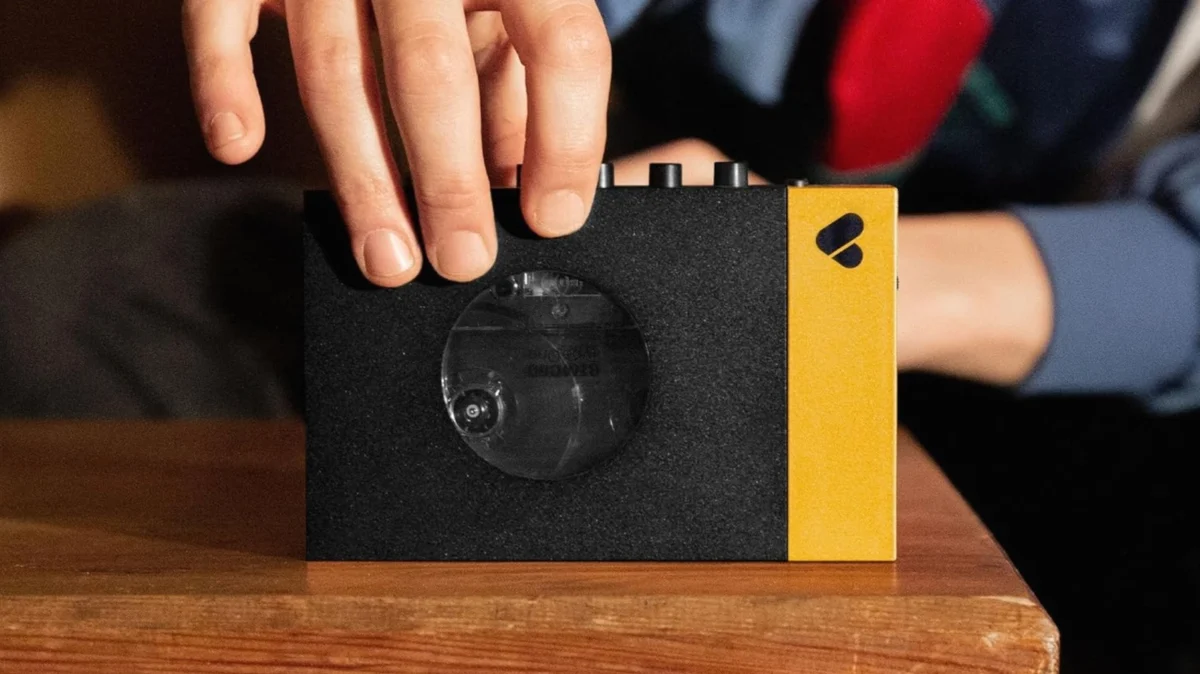
The We Are Rewind Cassette Player, launched towards the end of 2023, has garnered significant attention for its sophisticated blend of vintage inspiration and modern design. Priced at approximately $160, this portable cassette player reimagines the classic Walkman form factor with a minimalist aluminum body available in a range of colors, from vibrant orange to understated gray.
Beyond its striking aesthetics, the We Are Rewind Cassette Player is engineered to be a compelling option for individuals looking to explore the world of cassette tapes in the mid-2020s. While the inherent limitations of the cassette format mean that pristine audio quality is an ambitious goal, this player delivers an enjoyable sound signature that faithfully reproduces the source material. A notable modern feature is its Bluetooth connectivity, allowing users to pair it with wireless earphones or high-quality wireless speakers. Furthermore, its 2,000mAh rechargeable battery provides an impressive playback time of approximately 10 to 12 hours, making it a suitable companion for extended listening sessions.
A particularly thoughtful inclusion is the 3.5mm stereo input jack, enabling users to record audio directly onto blank tapes. However, the absence of an input level control is a minor drawback for those seeking precise recording adjustments. While the player’s output volume is not sufficient for direct connection to a full hi-fi system, its design as a portable unit means it is primarily intended for use with headphones or earphones, a limitation that aligns with its intended use case.
Fiio CP13: Affordable Analog Charm with Modern Sensibilities
The affordability of cassette tapes is a significant draw for many, offering an analog listening experience at a considerably lower cost than vinyl. The Fiio CP13, available for around $90, exemplifies this accessible approach to analog audio.
Despite its competitive price point, the CP13 does not necessarily represent a significant compromise in features or quality. While it omits an auxiliary input for recording and Bluetooth connectivity, these are relatively minor omissions. The absence of Bluetooth is less of a concern given the recent resurgence of wired headphones, which perfectly complement the CP13’s distinctly retro aesthetic.
From a brand known for producing some of the best modern CD players, the Fiio CP13 delivers where it counts: sound quality. It offers a balanced sound profile that respects the integrity of the original recording. While it won’t magically enhance the sound of older tapes, it provides an enjoyable and clear listening experience suitable for contemporary ears. Some users have reported instances of units playing slightly fast, a common issue that Fiio provides a video tutorial to address. The wow and flutter on the CP13 are predictably more pronounced than on vintage units, but this may be less of an issue depending on the musical genre. Music with sustained notes, such as slow piano pieces, will be more susceptible to these fluctuations, whereas rock and electronic music tend to be more forgiving. Nevertheless, for its price, the Fiio CP13 stands out as a commendable choice for embracing the cassette format.
We Are Rewind Blaster GB-001: Reliving the Boombox Era
The portable cassette player, epitomized by the Sony Walkman, was not the only iconic device for on-the-go music playback in the past. The boombox, a staple of ’70s and ’80s hip-hop culture and a symbol of mainstream musical expression, also holds a special place in audio history. We Are Rewind (WAR), having successfully launched its portable cassette player, has now turned its attention to recapturing the boombox experience with its Blaster GB-001, also known as "Curtis."
Released in 2025, the WAR Blaster aims to reignite the magic of the boombox for a new generation of enthusiasts. This $580 device boasts an impressive quad-speaker system, comprising two woofers and two tweeters on each side, delivering a substantial 104 watts of power. This configuration produces a surprisingly robust and punchy sound that harmonizes well with the inherent sonic characteristics of cassette tapes. While not aiming for an ultra-high-fidelity presentation, some reviews suggest a reduction in mid- and high-end clarity and a highly directional sound profile, which may limit its effectiveness in filling larger spaces.
However, for creating a personal listening environment in a bedroom or living room, the Blaster is an excellent choice. Although it lacks AM/FM radio functionality, it compensates with visually engaging VU meters, Bluetooth and auxiliary inputs, recording capabilities, and crucially, support for both Type I and Type II chrome tapes via a top-mounted selector. The Blaster is powered by a 3,000mAh lithium-ion battery, which the manufacturer claims provides up to 10 hours of playback on a single charge.
Teac W-1200: The Modern Hi-Fi Cassette Deck
The Teac W-1200 stands out as arguably the sole new cassette deck currently available on the market. Unlike the portable Walkman- and boombox-style players offered by Fiio and We Are Rewind, the W-1200 is a fully-fledged dual-well tape deck designed for individuals serious about both recording and high-fidelity playback. Consequently, it represents the most feature-rich option among the current selection of modern cassette players.
Key features of the Teac W-1200, as detailed on Teac’s official website, include a USB audio output, facilitating the digital archiving of cassette collections for preservation or further use. It also incorporates a microphone input and a mixer, enabling direct audio input and blending. The deck features two independent tape mechanisms, allowing for simultaneous recording onto two tapes and other versatile functionalities. Additionally, it offers pitch control for fine-tuning playback speed and, uniquely among modern units, incorporates proper noise reduction, ensuring that Dolby B encoded tapes can be enjoyed as originally intended. The unit is further enhanced by a classic fluorescent display that showcases audio levels and tape counters, offering a nostalgic yet functional interface. It provides a near-vintage experience without the inherent complexities and maintenance demands of older equipment.
The W-1200 comes with a price tag of approximately $600, which, while substantial, is comparable to or less than the cost of serviced vintage decks. However, it offers a level of convenience and modern functionality that vintage units cannot match. While its wow and flutter specifications may not be exceptional, they are generally sufficient to remain unnoticeable with most music genres. Its recording capabilities are robust, and its playback frequency response is adequate, ensuring it is not the limiting factor in the listening experience. For consumers seeking a modern, feature-packed cassette deck, the W-1200 presents a compelling, albeit premium, solution.
Our Methodology: Ensuring Authenticity and Quality
The primary criterion for selecting the cassette players featured in this analysis was their status as "modern" units. This meant they had to be available for purchase brand-new through conventional retail channels, such as Amazon, or directly from the manufacturer. Refurbished or used units were explicitly excluded to ensure a consistent baseline of new product performance and availability. Following this initial screening, our evaluation incorporated direct product experience, where applicable, and cross-referenced these insights with reviews from reputable audio publications. The objective was to identify the most compelling options for consumers interested in exploring the cassette tape format in the current market landscape.
Broader Implications and the Future of Analog
The resurgence of cassette tapes is more than just a nostalgic trend; it signifies a broader cultural shift in how we engage with media. In an era of constant digital flux, the tangible nature of physical media offers a sense of permanence and ownership. This trend has implications beyond the music industry, potentially influencing other sectors that rely on physical formats or tactile experiences.
The continued innovation in cassette player technology, as demonstrated by the products discussed, suggests that this revival is not a transient phenomenon. As more consumers seek alternatives to the often sterile and impersonal digital realm, the demand for formats like the cassette tape is likely to persist and even grow. This could lead to further investment in analog technologies and a more diverse audio market, where digital and analog formats coexist and cater to a wider spectrum of consumer preferences. The humble cassette tape, once written off as obsolete, is proving to be a remarkably resilient and relevant medium, offering a unique and satisfying listening experience for a new generation of audiophiles.