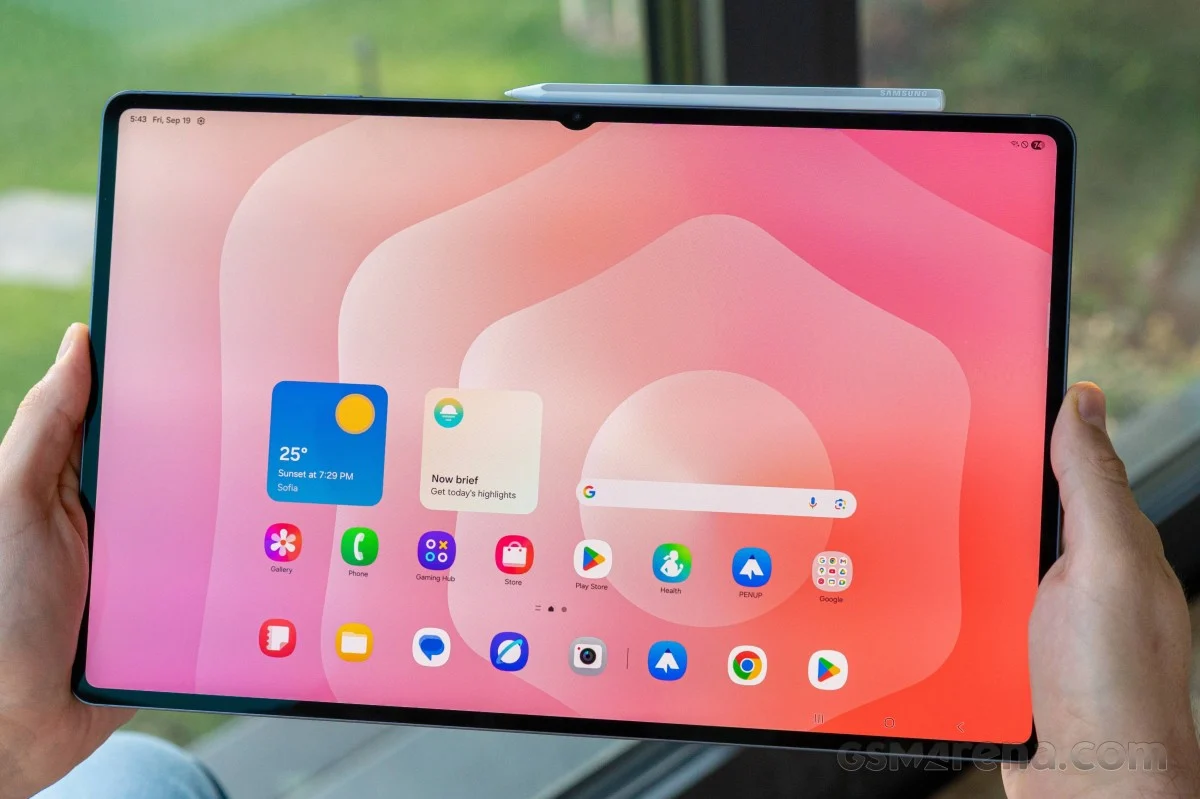
Samsung has recently implemented a series of price adjustments across its online store in the United States, impacting a range of popular Galaxy smartphones and tablets. This follows a previous price hike for the 512GB and 1TB variants of the Galaxy Z Fold7. The latest round of increases affects higher-capacity models of the Galaxy Z Flip7, Galaxy S25 Edge, and several Galaxy Tab S11 and Tab S10 series devices, as well as the Galaxy Tab A11+. These adjustments suggest a potential shift in Samsung’s pricing strategy for the US market, with the company’s official online store now reflecting these elevated costs for consumers seeking premium storage configurations.
Chronology of Price Adjustments
The recent price increases represent an escalation of a trend that began last week. Initially, Samsung announced a price hike for the 512GB and 1TB configurations of its flagship foldable device, the Galaxy Z Fold7, sold within the United States. This move, while significant for a high-end device, was a precursor to broader adjustments.
This past week, the price adjustments expanded to encompass a wider array of Samsung’s mobile and tablet offerings available through its official US online platform. The specific devices and storage variants that have seen their prices increase are detailed below, with the most recent adjustments becoming effective in the days leading up to this report.
- Galaxy Z Fold7 (512GB and 1TB): These premium foldable devices were the first to experience a price adjustment, signaling the beginning of Samsung’s updated pricing strategy.
- Galaxy Z Flip7 (512GB): Following the Z Fold7, the 512GB variant of the popular clamshell foldable, the Z Flip7, also saw its price elevated.
- Galaxy S25 Edge (512GB): The high-end Galaxy S25 Edge, in its 512GB configuration, has also been subjected to a price increase.
- Galaxy S25 FE (256GB): The more accessible Galaxy S25 FE, specifically its 256GB version, has also become more expensive.
- Galaxy Tab S11 Series: A significant number of Galaxy Tab S11 models have been affected. This includes various storage configurations of the standard Tab S11, the Tab S11 Ultra, and the Tab S11 Ultra 5G. The increases range from modest to substantial, particularly for higher storage options.
- Galaxy Tab S10 Series: Older yet still capable models from the Galaxy Tab S10 lineup have also seen price adjustments. This includes the Tab S10 FE, Tab S10 FE+, Tab S10 Lite, and the Tab S10+.
- Galaxy Tab A11 Series: Even Samsung’s more budget-friendly tablet line, the Galaxy Tab A11, has seen price increases on its 128GB and 256GB variants, including a 5G-enabled model.
The cumulative effect of these adjustments indicates a strategic decision by Samsung to re-evaluate the pricing of its devices, particularly those with larger storage capacities, within the competitive US market.
Detailed Breakdown of Price Increases
The recent price adjustments affect a substantial number of Samsung’s smartphone and tablet portfolio, with the most pronounced increases impacting devices equipped with higher storage capacities. These changes are now reflected on Samsung’s official US online store.

Smartphones Affected:
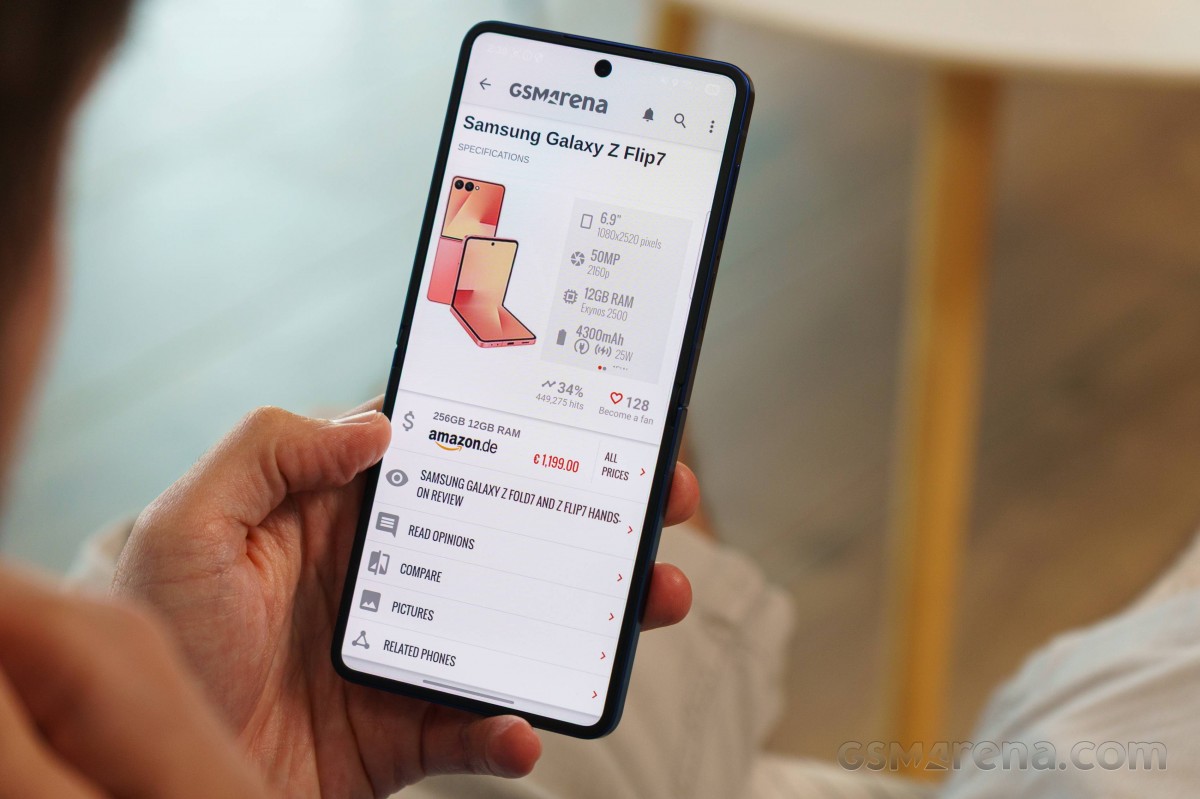
- Galaxy Z Flip7 (512GB): This popular foldable smartphone has seen a price increase of $80, now retailing for $1,299.99, up from $1,219.99.
- Galaxy S25 Edge (512GB): Mirroring the Z Flip7, the 512GB version of the Galaxy S25 Edge has also become $80 more expensive, with its new price set at $1,299.99, a rise from $1,219.99.
- Galaxy S25 FE (256GB): For users opting for more storage on the Galaxy S25 FE, the 256GB model is now $40 pricier, with its new price at $749.99, compared to the previous $709.99.
Tablets Affected:
The impact on Samsung’s tablet lineup is particularly notable, with substantial price hikes across various models and storage tiers.
- Galaxy Tab S11 Ultra (1TB): This flagship tablet experiences the most significant increase, with the 1TB storage variant now costing $280 more, bringing its price to $1,899.99 from $1,619.99.
- Galaxy Tab S11 (512GB): The 512GB version of the standard Galaxy Tab S11 is now $220 more expensive, priced at $1,199.99, up from $979.99.
- Galaxy Tab S10+ (512GB): Even the previous generation Tab S10+ sees a substantial increase, with the 512GB model now costing $180 more, at $1,299.99, compared to its previous $1,119.99 price.
The following table provides a comprehensive overview of all affected devices, their old and new prices, and the magnitude of the price difference:
| Device | Storage | Old Price | New Price | Difference |
|---|---|---|---|---|
| Galaxy Z Flip 7 | 512GB | $1,219.99 | $1,299.99 | $80 |
| Galaxy S25 Edge | 512GB | $1,219.99 | $1,299.99 | $80 |
| Galaxy S25 FE | 256GB | $709.99 | $749.99 | $40 |
| Galaxy Tab S11 | 128GB | $799.99 | $899.99 | $100 |
| Galaxy Tab S11 | 256GB | $859.99 | $999.99 | $140 |
| Galaxy Tab S11 | 512GB | $979.99 | $1,199.99 | $220 |
| Galaxy Tab S11 Ultra | 256GB | $1,199.99 | $1,299.99 | $100 |
| Galaxy Tab S11 Ultra | 512GB | $1,319.99 | $1,499.99 | $180 |
| Galaxy Tab S11 Ultra | 1TB | $1,619.99 | $1,899.99 | $280 |
| Galaxy Tab S10 FE | 128GB | $499.99 | $549.99 | $50 |
| Galaxy Tab S10 FE | 256GB | $569.99 | $669.99 | $100 |
| Galaxy Tab S10 FE+ | 128GB | $649.99 | $699.99 | $50 |
| Galaxy Tab S10 FE+ | 256GB | $749.99 | $819.99 | $70 |
| Galaxy Tab S10 Lite | 128GB | $349.99 | $399.99 | $50 |
| Galaxy Tab S10 Lite | 256GB | $419.99 | $489.99 | $70 |
| Galaxy Tab S10+ | 256GB | $999.99 | $1,099.99 | $100 |
| Galaxy Tab S10+ | 512GB | $1,119.99 | $1,299.99 | $180 |
| Galaxy Tab A11+ | 128GB | $249.99 | $299.99 | $50 |
| Galaxy Tab A11+ | 256GB | $309.99 | $379.99 | $70 |
| Galaxy Tab A11+ 5G | 128GB | $279.99 | $329.99 | $50 |
Underlying Causes and Market Context
While Samsung has not issued an official statement directly addressing the reasons behind these widespread price increases, industry analysts and market observers point to a confluence of factors, primarily driven by the global semiconductor market. The cost of critical components, particularly RAM (Random Access Memory) and flash memory, has been on an upward trajectory. These components are integral to the performance and storage capabilities of modern smartphones and tablets, and their increasing price directly impacts the manufacturing costs for device manufacturers.
The global supply chain has been under pressure for an extended period, exacerbated by factors such as increased demand for electronics during the pandemic, geopolitical tensions, and disruptions in manufacturing and logistics. This has led to higher procurement costs for essential raw materials and components. For memory chips, specifically, increased demand from data centers, automotive sectors, and consumer electronics has tightened supply and driven up prices.
Samsung, as one of the world’s largest manufacturers of both finished electronic devices and memory components, is directly exposed to these market dynamics. The decision to pass on some of these increased component costs to consumers through higher retail prices is a strategic move to maintain profitability and margins in a challenging economic environment.
This pricing strategy is not unique to Samsung. Several other technology companies have also been adjusting their product pricing in response to rising production expenses. The current market conditions suggest that consumers may continue to see price adjustments across various electronic goods in the near future. The specific focus on higher-capacity models by Samsung might also reflect a strategy to balance profitability, as these configurations typically command higher margins but also utilize more of the expensive memory components.
Broader Implications and Consumer Impact
The recent price adjustments by Samsung in the US market have several implications for consumers and the broader tech landscape. For consumers looking to purchase higher-storage variants of popular Samsung devices, the increased cost represents a significant financial consideration. The hikes, particularly for the premium Galaxy Tab S11 Ultra with 1TB storage, are substantial, potentially influencing purchasing decisions and encouraging consumers to consider devices with lower storage capacities or explore alternative brands.
This move could also invigorate competition in the market. As Samsung’s prices rise, consumers may become more receptive to offerings from competitors that maintain more stable or lower pricing structures for comparable specifications. This could benefit brands that are either less exposed to the same component cost pressures or are willing to absorb them to gain market share.
Furthermore, the decision to increase prices, especially for higher-end models, might influence Samsung’s own product development and marketing strategies. It could lead to a greater emphasis on mid-range devices or a more aggressive push for trade-in programs and promotional offers to mitigate the impact of higher retail prices. The company may also explore ways to optimize component usage or explore alternative sourcing to manage costs in the long term.
The current trend of rising prices for electronic components suggests that this may not be a temporary fluctuation. If these cost pressures persist, consumers could face a sustained period of higher prices for new devices. It remains to be seen if Samsung’s pricing strategy will extend to other regions or if these adjustments are specific to the US market’s competitive dynamics and consumer spending patterns. The company’s future announcements and market performance will be closely watched to understand the long-term impact of these recent price changes. The industry will be observing whether this is a short-term adjustment to market conditions or a more permanent shift in Samsung’s pricing philosophy for its premium device segments.