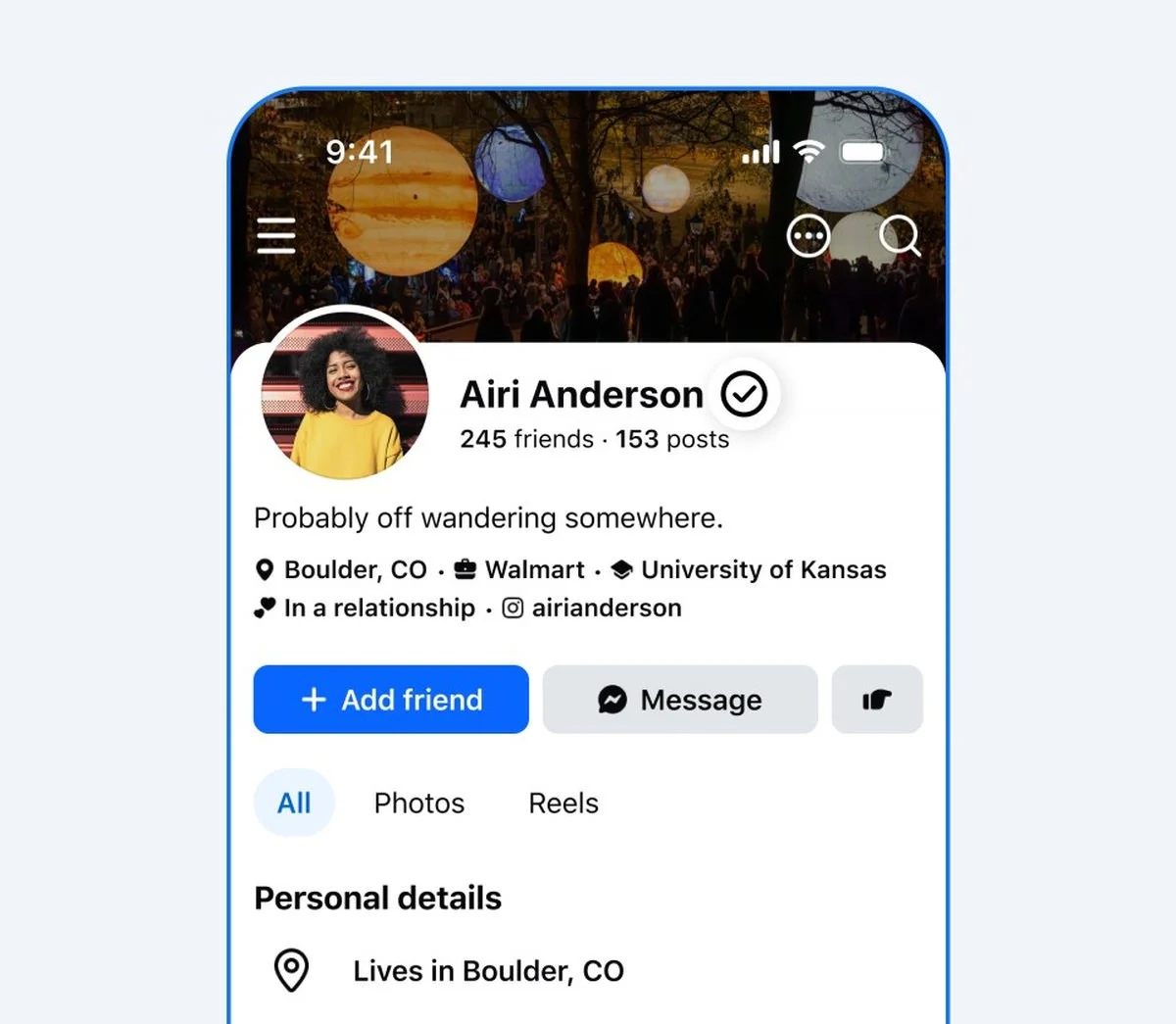
Meta, the parent company of Facebook, has initiated a significant rollout of a new feature designed to bolster authenticity and trust on its flagship platform: Facebook Verified. This free verification badge aims to assure users that a real person is operating an account, a move that arrives amidst ongoing global concerns regarding misinformation, impersonation, and the proliferation of bot networks across social media. The verification process itself is streamlined, requiring users to submit a selfie video that Meta’s systems will then cross-reference with existing profile pictures to confirm identity. The company states this process is designed to be swift, taking only a few minutes to complete.
Unveiling Facebook Verified: A New Era of Authenticity
The introduction of Facebook Verified signifies Meta’s latest effort to differentiate genuine user accounts from those that may be automated, fraudulent, or used for deceptive purposes. In an increasingly digital world where the lines between real and artificial can blur, a tangible indicator of human presence behind an account can serve as a crucial tool for users navigating the social media landscape. This initiative is particularly timely, given the persistent challenges platforms like Facebook face in moderating content and ensuring user safety against a backdrop of sophisticated online manipulation tactics.
Initially, the Facebook Verified badge will be prominently displayed in several key areas of the platform: Facebook Marketplace, Facebook Dating, Facebook Groups, and on individual user profiles. This strategic placement aims to immediately draw attention to verified accounts in contexts where trust and authenticity are paramount. For instance, in Marketplace, buyers can have greater confidence when interacting with sellers. In Dating, users can feel more secure in their connections. Within Groups, discussions might benefit from the assurance that participants are real individuals. The company has also indicated plans to extend the visibility of the badge to Feed posts in the future, further integrating it into the core Facebook experience.
It is crucial to understand what the Facebook Verified badge signifies, and perhaps more importantly, what it does not. Meta has been explicit that the badge "doesn’t mean that Facebook ‘endorses the user or guarantees their trustworthiness’". Instead, its sole purpose is to confirm that a human being, rather than a bot or a fraudulent entity, is behind the account. This distinction is vital for managing user expectations and preventing any misinterpretation of the badge as a form of official endorsement or a guarantee of ethical conduct.
Eligibility and Rollout: A Phased Approach to Global Implementation
The eligibility criteria for obtaining the Facebook Verified badge have been carefully defined to ensure the feature serves its intended purpose. To qualify, users must be at least 18 years of age. Furthermore, they must be in good standing with Facebook’s Community Standards. This implies adherence to rules that prohibit fraud, scams, and deceptive practices. Accounts exhibiting any evidence of "inauthentic behavior" will be excluded from the verification process. It is also important to note that the Facebook Verified badge is exclusively for individual user accounts; it will not be available for Facebook Pages or accounts utilizing "ProMode," which typically represent businesses or creators.
The rollout of Facebook Verified is being conducted in phases. Meta has commenced the deployment in "select markets," without specifying their exact locations. This phased approach allows the company to monitor the feature’s performance, gather user feedback, and address any technical issues or unforeseen challenges before a wider, global expansion. This strategy is common for major platform updates, enabling a controlled and iterative deployment process.
Context and Rationale: Addressing the Growing Challenge of Inauthentic Activity
The launch of Facebook Verified arrives at a time when the digital ecosystem is grappling with an escalating volume of inauthentic activity. Social media platforms have become fertile ground for the spread of misinformation, disinformation, impersonation, and coordinated inauthentic behavior (CIB) campaigns. These campaigns, often orchestrated by state actors or malicious groups, aim to manipulate public opinion, sow discord, and undermine democratic processes.
According to various reports and academic studies, the scale of inauthentic accounts and CIB is substantial. For example, Meta itself has reported taking action against millions of fake accounts and coordinated networks of inauthentic behavior on its platforms annually. A 2022 report by the NYU Stern Center for Business and Human Rights highlighted the pervasive nature of disinformation and the difficulty in combating it, underscoring the need for more robust verification mechanisms. The economic impact of online scams and fraudulent activities, often perpetrated through inauthentic accounts, also runs into billions of dollars globally each year, affecting individuals and businesses alike.
The push for greater account authenticity is not new for Meta. Over the years, the company has implemented various measures, including AI-powered detection systems and human moderation, to identify and remove fake accounts and malicious content. However, the dynamic nature of these threats means that new strategies are continuously required. The Facebook Verified badge represents a proactive, user-facing measure that complements these backend efforts, empowering users with a clearer indication of account authenticity.
Potential Implications and Analysis: A Double-Edged Sword?
The introduction of Facebook Verified carries several potential implications for the platform and its users. On the positive side, it has the potential to significantly enhance user trust and safety. By making it easier for users to identify real individuals, the feature could mitigate the risks associated with interacting with bots, scammers, and impersonators. This could lead to more meaningful connections, safer transactions on Marketplace, and a generally more reliable user experience. For users who actively engage in discussions or share information, the badge could lend greater credibility to their contributions.
However, like any new feature, Facebook Verified also presents potential challenges and areas for scrutiny.
Accessibility and Equity Concerns:
While the verification process is described as simple, there are always considerations regarding accessibility for all users, particularly those with limited technical proficiency or access to reliable internet and devices capable of recording selfie videos. Meta’s phased rollout and ongoing monitoring will be crucial in identifying and addressing any such disparities.
Privacy Considerations:
The process involves submitting personal biometric data (a selfie video) for analysis. While Meta has stated that this data will be checked against existing profile pictures, users may have concerns about how this data is stored, protected, and used. Transparency regarding data retention policies and security measures will be paramount to building user confidence.
Potential for Gaming the System:
While Meta’s AI systems will be responsible for matching the selfie video against profile pictures, there is always a possibility that sophisticated actors could attempt to circumvent the system. Continuous updates and improvements to the verification technology will be necessary to stay ahead of potential exploits.
Impact on Anonymity and Expression:
For some users, particularly activists, whistleblowers, or individuals in regions with oppressive regimes, the ability to maintain a degree of anonymity on social media can be crucial for their safety and freedom of expression. While Facebook Verified is not mandatory, its increasing prevalence and potential benefits could inadvertently pressure some users to verify their accounts, potentially limiting their ability to operate anonymously if they choose. Meta will need to balance the drive for authenticity with the protection of diverse forms of expression.
The "Trust" Paradox:
The badge signifies a real person, not trustworthiness. However, the very presence of a badge implying authenticity might, for some users, subconsciously translate into an assumption of greater trustworthiness. Educating users about the precise meaning of the badge will be an ongoing communication challenge for Meta.
Expert and User Reactions (Inferred)
While specific official statements from third-party experts or immediate widespread user reactions are not yet available given the nascent stage of the rollout, one can anticipate a spectrum of responses. Security researchers and digital trust advocates are likely to view the initiative with cautious optimism, recognizing its potential to combat malicious actors. They will likely be keen to observe the effectiveness of the verification algorithms and Meta’s commitment to addressing potential vulnerabilities.
Consumer protection groups may welcome the move as a step towards a safer online marketplace and a reduction in fraudulent activities. However, they might also urge Meta to ensure robust recourse mechanisms for users who are unfairly denied verification or whose accounts are flagged as inauthentic.
On the user front, early adopters in the "select markets" are likely to share their experiences, providing anecdotal evidence of the process’s ease or difficulty. Some may find it a valuable addition, while others might express concerns about privacy or the perceived invasiveness of the selfie video requirement. The success of Facebook Verified will ultimately depend on its ability to deliver on its promise of enhanced authenticity without compromising user privacy or creating new barriers to participation.
Looking Ahead: The Future of Authenticity on Social Media
The launch of Facebook Verified is a significant development in Meta’s ongoing efforts to cultivate a more trustworthy online environment. As the feature rolls out globally, its impact will be closely monitored by users, regulators, and industry observers alike. The success of this initiative could set a precedent for other social media platforms grappling with similar challenges, potentially driving a broader industry shift towards greater account verification and a more transparent digital public square. Meta’s commitment to refining the technology, addressing user concerns, and clearly communicating the badge’s limitations will be key to its long-term effectiveness. The journey towards a truly authentic and safe social media experience is complex, and Facebook Verified represents another important, albeit incremental, step in that direction.