Samsung’s Motorized Screen Unrolls With Zero Crease: The Galaxy Z Roll 5G Poised to Redefine Mobile Versatility

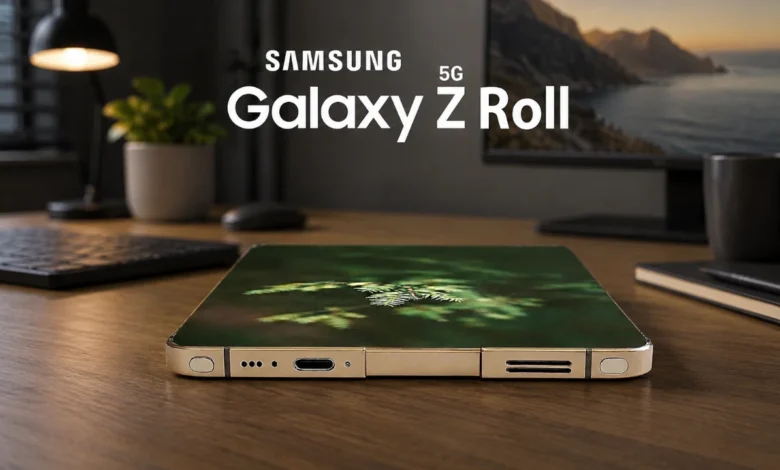
Samsung is on the cusp of a significant technological leap with the forthcoming Samsung Galaxy Z Roll 5G, a device that promises to revolutionize the smartphone landscape. Set to launch in early 2028, this groundbreaking handset integrates a novel motorized screen that smoothly expands horizontally, transforming from a compact smartphone into a larger, tablet-like display. This innovative design, coupled with a movable rear camera system, could fundamentally alter user interaction with mobile devices. While the potential for unparalleled versatility is immense, the success of the Galaxy Z Roll 5G will ultimately hinge on its ability to address critical considerations surrounding practicality, long-term durability, and broad market appeal. Early insights into this ambitious project are provided by a detailed video analysis from GregglesTV.
The Engineering Marvel: A Rollable Display Without Compromise
The defining characteristic of the Samsung Galaxy Z Roll 5G is its pioneering rollable display. This technological achievement is engineered to optimize both user experience and device portability. The screen mechanism allows for horizontal expansion, projecting an expansive display estimated to reach approximately 10 inches with a standard 16:9 aspect ratio. This expansive screen real estate is projected to boast a pixel density of around 440 PPI, ensuring sharp and vibrant visuals. The strategic advantage of this design lies in its ability to deliver an immersive viewing experience without compromising the device’s sleek and compact profile when retracted.
Unlike current foldable smartphones, which rely on intricate hinge mechanisms that often result in a visible and sometimes distracting crease in the display, the rollable screen utilizes a highly flexible display material that unfurls with exceptional smoothness. This seamless transition between a compact smartphone mode and a larger display mode offers a more refined and aesthetically pleasing alternative to existing foldable form factors. For consumers, this translates to a device that intuitively adapts to a multitude of usage scenarios. Whether engaged in streaming high-definition video content, managing multiple applications simultaneously through enhanced multitasking capabilities, or simply browsing the web with greater visual comfort, the Galaxy Rollable aims to provide a fluid and responsive experience. The rollable display has the potential to redefine convenience by offering a significantly larger screen area without the inherent bulk and reduced portability typically associated with traditional tablets.
Integrated Mobility: The Movable Rear Camera System
Complementing the innovative display technology, the Samsung Galaxy Z Roll 5G features a sophisticated movable rear camera system. This camera module is ingeniously integrated into the expanding section of the device. As the screen extends to reveal the larger display, the camera unit smoothly slides outward, ensuring optimal positioning for photography and videography. Conversely, when the device is returned to its compact smartphone form, the camera automatically retracts into the phone’s internal frame. This intelligent design not only maximizes internal space efficiency but also crucially ensures that the camera lens remains protected from external elements and potential damage when not actively in use.
This engineering feat offers a compelling balance between advanced functionality and refined aesthetics, directly benefiting users. The movable camera design promises practical advantages, including enhanced durability for the camera components and a sleeker overall device profile. Simultaneously, it aims to maintain high-quality imaging capabilities, a non-negotiable aspect for modern smartphone users. This approach underscores Samsung’s long-standing commitment to integrating cutting-edge technology with practical, user-centric design principles, aiming to eliminate the need for users to compromise on camera performance for the sake of a novel form factor.
Strategic Rollout: Samsung’s Two-Tiered Launch Plan
Samsung has strategically outlined a phased release approach for its rollable technology. The first generation of the Galaxy Rollable is slated for introduction in the first half of 2028. This initial launch will serve as a critical testing ground, allowing Samsung to gather real-world user feedback and identify areas for refinement. A subsequent second-generation model is anticipated to follow by 2030, incorporating lessons learned from the initial release and further enhancing the technology. This deliberate timeline demonstrates Samsung’s dedication to meticulously refining the rollable display technology and addressing any potential technical or user-experience challenges before a wider market rollout. While a precise release date for the first-generation device remains officially unconfirmed, the sustained anticipation surrounding the Galaxy Rollable highlights its significant potential to establish a new benchmark in the evolution of mobile communication devices.
Navigating the Hurdles: Key Challenges for Rollable Smartphones
Despite the groundbreaking potential of the rollable smartphone concept, several significant challenges must be overcome to ensure widespread adoption and long-term success. These critical hurdles include:
- Durability and Longevity: The intricate mechanical system required for rolling and unrolling the display presents inherent durability concerns. Users will need assurance that the mechanism can withstand repeated use over several years without degradation or malfunction. The flexibility of the display material itself also raises questions about its resistance to scratches, punctures, and the cumulative effects of being rolled and unrolled.
- Manufacturing Costs and Scalability: The advanced engineering and specialized materials required for rollable displays are likely to result in high manufacturing costs. Scaling production to meet global demand while maintaining profitability will be a significant challenge for Samsung. This could translate into a premium price point, potentially limiting the device’s accessibility to a niche market initially.
- Water and Dust Resistance: Integrating a complex motorized mechanism and a flexible, expanding screen into a device that can achieve robust water and dust resistance (IP ratings) is a considerable engineering feat. Current foldable phones have made strides in this area, but the added complexity of a rollable mechanism could pose new challenges.
- Software Optimization and User Experience: The seamless transition between smartphone and tablet modes necessitates sophisticated software optimization. Applications will need to adapt fluidly to different screen sizes and aspect ratios to provide a consistent and intuitive user experience. Developing a user interface that leverages the full potential of the rollable display without becoming overly complex is paramount.
- Battery Life: Powering a larger, expandable display and the associated motorized mechanisms will undoubtedly place increased demands on the device’s battery. Optimizing power consumption and ensuring competitive battery life will be crucial for user satisfaction.
For consumers, these challenges translate directly into the need for the Galaxy Rollable to demonstrate clear and tangible advantages over established foldable devices, which already offer a compelling blend of functionality and portability. Addressing these issues comprehensively will be critical to securing the device’s success in an increasingly competitive and discerning mobile technology market.
A Legacy of Innovation: Building on Samsung’s Proven Track Record
The Samsung Galaxy Z Roll 5G is not emerging from a vacuum; it represents the culmination of Samsung’s extensive research and development in flexible display technologies. The company has consistently pushed the boundaries of innovation, notably with its earlier Flex Hybrid rollable prototypes, which were showcased at industry events. These prototypes served as crucial proof-of-concept demonstrations, effectively highlighting the practical viability and future potential of rollable screen technology. They laid the essential groundwork for a new category of mobile devices. By leveraging its deep-seated expertise in flexible display manufacturing, advanced materials science, and sophisticated engineering, Samsung is strategically positioned to advance the capabilities of what personal mobile devices can achieve.
Should the Galaxy Rollable achieve its intended goals, it could signify a pivotal moment in the ongoing evolution of the smartphone. For discerning users, this device offers a compelling glimpse into the future of mobile technology, where adaptability and enhanced functionality converge to create a truly seamless and integrated user experience. The ability to seamlessly switch between distinct device modes, tailored to specific tasks, represents a significant step forward in personal computing.
Market Potential and Consumer Acceptance: The Road Ahead
The ultimate market appeal and widespread consumer acceptance of rollable smartphones remain subjects of considerable interest, as the concept must successfully address several critical factors to gain broad traction. These include:
- Demonstrating Clear Value Proposition: The Galaxy Rollable must offer benefits that significantly outweigh its potential cost and complexity compared to existing smartphones and even foldable devices. This could involve enhanced productivity features, unparalleled media consumption experiences, or unique multitasking capabilities enabled by the larger screen.
- Pricing Strategy: The cost of cutting-edge technology is often a barrier to entry. Samsung will need to carefully consider its pricing strategy to make the Galaxy Rollable an attractive proposition for a significant segment of the market, rather than solely a luxury item. Competitive pricing, relative to its feature set and innovation, will be key.
- User Interface and Ecosystem Integration: The success of any new mobile device is heavily reliant on its software and how well it integrates with existing digital ecosystems. Samsung will need to ensure that the user interface is intuitive and that the device seamlessly works with popular apps and services.
- Perceived Durability and Reliability: Beyond the actual engineering, the perception of durability is crucial. Consumers are often hesitant to invest in expensive, novel technology if they have concerns about its longevity and susceptibility to damage. Samsung will likely need to invest in extensive marketing campaigns to build consumer confidence in the robustness of the rollable mechanism and display.
- Competitive Landscape: The smartphone market is intensely competitive. While rollable technology is novel, Samsung will face competition from established players in the foldable space and potentially from other manufacturers exploring similar form factors. Differentiating the Galaxy Rollable through unique features and a superior user experience will be vital.
For a large segment of users, existing foldable smartphones already present a compelling compromise between the portability of a smartphone and the larger screen real estate of a tablet. To truly stand out and capture market share, the Galaxy Rollable must provide demonstrable and tangible benefits that clearly justify its adoption. Whether achieved through significantly enhanced usability, truly innovative features that unlock new possibilities, or a carefully considered competitive pricing structure, the device must effectively address evolving consumer needs and desires to make a significant impact.
A Forward-Looking Vision: The Next Chapter in Mobile Devices
The Samsung Galaxy Z Roll 5G represents an ambitious and forward-looking vision for the future of personal mobile devices. By ingeniously combining a revolutionary rollable display with an intelligent movable camera system, Samsung aims to create a device that is both exceptionally versatile and undeniably futuristic. While the underlying technology holds immense potential to redefine user interaction, its ultimate success will be determined by Samsung’s ability to navigate the complex landscape of manufacturing scalability, ensure robust long-term durability, and crucially, cultivate significant market demand.
For the end-user, the Galaxy Rollable offers the compelling promise of a device that can seamlessly adapt to their dynamic lifestyle. It has the potential to transition effortlessly between a compact smartphone mode for on-the-go communication and a larger, immersive tablet mode for enhanced productivity and entertainment, precisely meeting their needs in any given situation. As the projected 2028 release date draws nearer, this groundbreaking innovation is undoubtedly a device that warrants close observation, offering a tantalizing glimpse into the next significant chapter in the ongoing evolution of mobile technology.
The journey towards a truly adaptable and integrated mobile future is ongoing, and Samsung’s rollable device is poised to be a significant milestone in that progression. Further analysis and updates will undoubtedly emerge as Samsung continues to refine its vision and prepare for the market introduction of this potentially transformative technology.
Source & Image Credit: GregglesTV