In the dynamic landscape of digital entrepreneurship, the ability to cultivate and leverage online communities has become a cornerstone of sustainable income generation. Facebook groups, once primarily informal gathering spaces, have evolved into powerful platforms offering diverse monetization opportunities for creators, businesses, and community leaders alike. This transformation reflects a broader trend in the creator economy, where direct engagement with an audience translates into tangible value. With over 1.8 billion people engaging with Facebook Groups monthly, according to Meta, these communities represent a significant untapped potential for revenue generation, irrespective of their size or specific niche. The following exploration delves into ten proven strategies, offering a structured approach to understanding and implementing effective monetization within Facebook groups, always emphasizing transparency, value provision, and adherence to platform policies.
The Evolution of Community-Led Commerce

The shift towards community-led commerce is a defining characteristic of the modern digital economy. Consumers are increasingly seeking authentic connections and recommendations from trusted sources rather than traditional advertising. Facebook groups, by their very nature, foster these intimate environments, allowing for deeper engagement and the cultivation of trust among members. This makes them fertile ground for various commercial activities, from direct sales to affiliate partnerships and exclusive content offerings. The key to successful monetization lies in understanding the group’s demographics, interests, and needs, and then strategically aligning monetization efforts with the value provided to the community.
Strategic Pathways to Group Monetization
1. Leveraging Affiliate Marketing for Commission Earnings

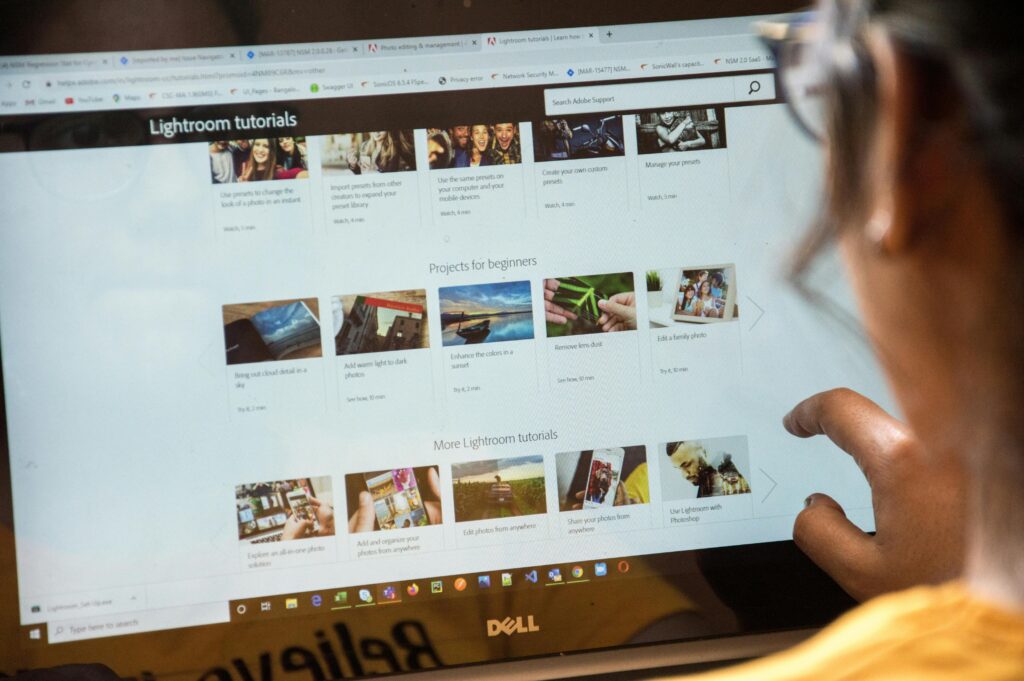
Affiliate marketing stands as a robust and accessible method for monetizing a Facebook group, effective regardless of member count. This strategy involves promoting products or services from other companies and earning a commission for every sale or lead generated through a unique affiliate link. Platforms such as Amazon Associates, ShareASale, and ClickBank offer a vast array of products, from household goods and digital software to online courses, with commission rates typically ranging from 5% to 30%. The success of affiliate marketing within a Facebook group hinges on relevance and authenticity. Group administrators should meticulously select offers that genuinely resonate with their members’ interests and pain points. For instance, a group dedicated to digital photography could promote camera equipment, editing software, or online photography courses. Transparency is paramount; members must be informed when a link is an affiliate link, fostering trust and ensuring compliance with both Facebook’s policies and consumer protection laws. Best practices include integrating affiliate links naturally into helpful content, such as product reviews, tutorials, or curated recommendation lists, rather than aggressive, standalone advertisements.
2. Cultivating Exclusive Paid Communities
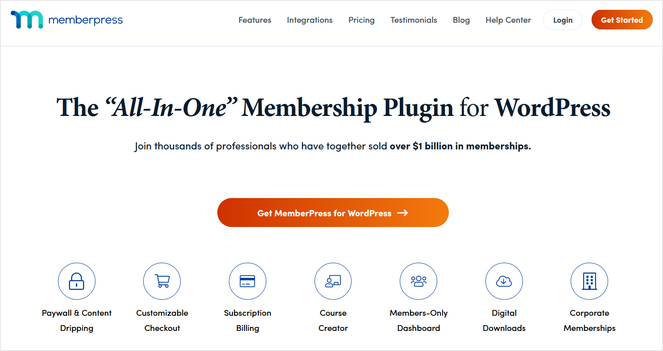
For creators or thought leaders with established expertise and a loyal following, establishing an exclusive paid community represents a powerful recurring revenue model. This strategy involves offering premium content, direct access, or enhanced networking opportunities in exchange for a monthly or annual subscription fee. The average consumer spends approximately $133 per month on subscription services, indicating a strong market appetite for valuable, curated experiences. Niches that thrive with paid communities often include professional development (e.g., marketing masterminds, coding bootcamps), specialized hobbies (e.g., advanced culinary techniques, rare collectible groups), and personal growth (e.g., fitness coaching, mindfulness practices). The core value proposition must be compelling, offering benefits beyond what is freely available in the public group. This could include exclusive webinars, Q&A sessions, personalized feedback, private forums, or early access to new products. Building trust and demonstrating consistent value in the free group is crucial before inviting members to a paid tier. Platforms like MemberPress or Patreon can facilitate the management of these subscription-based communities, providing tools for content delivery and payment processing.

3. Direct Sales of Products to Group Members
A Facebook group can serve as a highly targeted marketplace for selling physical or digital products. The inherent community aspect means members are often pre-qualified leads, sharing common interests that align with specific product offerings. The initial step involves identifying products that directly address the needs or desires of the group. While merchandise and branded apparel (often via print-on-demand services) are popular choices for groups with strong brand recognition, the possibilities extend far beyond. Digital products like e-books, templates, presets, and stock photos are low-cost to produce and highly scalable. Physical goods such as handmade crafts, specialized tools, or curated bundles can also perform exceptionally well. For example, a parenting group might sell educational toys or child-safe home accessories, while a gaming community could offer custom peripherals or game-themed collectibles. Leveraging platforms like Shopify, Etsy, or even Facebook’s own Marketplace features, creators can streamline sales. Conducting polls or pre-release interest checks within the group can help gauge demand and minimize inventory risk, ensuring that product offerings genuinely resonate with the audience.
4. Hosting and Ticketing Online Events & Workshops

Utilizing the collective influence of a Facebook group to organize and sell tickets to online events, webinars, or workshops is an effective monetization strategy that also strengthens community bonds. Members often join groups to connect, learn, and engage with like-minded individuals. Offering exclusive events caters to this desire while generating revenue. These events can range from expert-led seminars on industry trends to interactive workshops teaching specific skills, or even virtual meet-and-greets with prominent figures in the group’s niche. For online events, platforms like Zoom, Google Meet, or even Facebook’s own Live features can be used for hosting, while ticketing can be managed through tools like Eventbrite or a simple WordPress form builder like WPForms. Promoting events with early-bird discounts, featuring guest speakers, and offering bonus downloadable content can significantly boost ticket sales. For groups capable of organizing physical gatherings, local meetups or conferences can also be highly lucrative, further cementing the group’s identity and influence.
5. Establishing a Donation Page for Community Support
For groups focused on charity, welfare, or niche content creation that may not fit traditional commercial models, a donation page provides a direct avenue for community support. This method relies heavily on the value and appreciation members have for the group’s mission and the efforts of its administrators. While often associated with non-profits, individual creators who provide significant free value (e.g., educational content, free resources, moderation of a highly supportive community) can also benefit from voluntary contributions. Platforms like GoFundMe, Buy Me a Coffee, Patreon, or even direct PayPal links make it straightforward to collect donations. Website plugins such as WP Charitable can also integrate donation functionality directly into a creator’s site. Transparency about how donations will be used (e.g., to cover hosting costs, create more content, or support a specific cause) is essential to maintain donor trust and encourage continued generosity.

6. Selling Online Courses or One-on-One Training
Expertise is a valuable commodity, and a Facebook group provides a ready audience for individuals looking to share their knowledge through online courses or personalized one-on-one training. This strategy is particularly effective for groups centered around skill development, professional growth, or complex topics. Financial advisors, marketing consultants, fitness coaches, and language instructors can all leverage their groups to sell educational content. The process begins with designing a comprehensive course curriculum that addresses specific learning objectives of the target audience. Platforms such as Teachable, Thinkific, or Udemy offer robust tools for hosting, delivering, and marketing online courses. For a more personalized approach, one-on-one coaching programs can command higher fees, providing tailored mentorship and accelerated learning. Building a professional membership site using a tool like MemberPress on a self-hosted WordPress platform offers maximum control over content, pricing, and user experience. Testimonials and success stories from early students, shared within the Facebook group, are invaluable for building credibility and attracting new enrollments.
7. Implementing a Sales Funnel through Email List Building

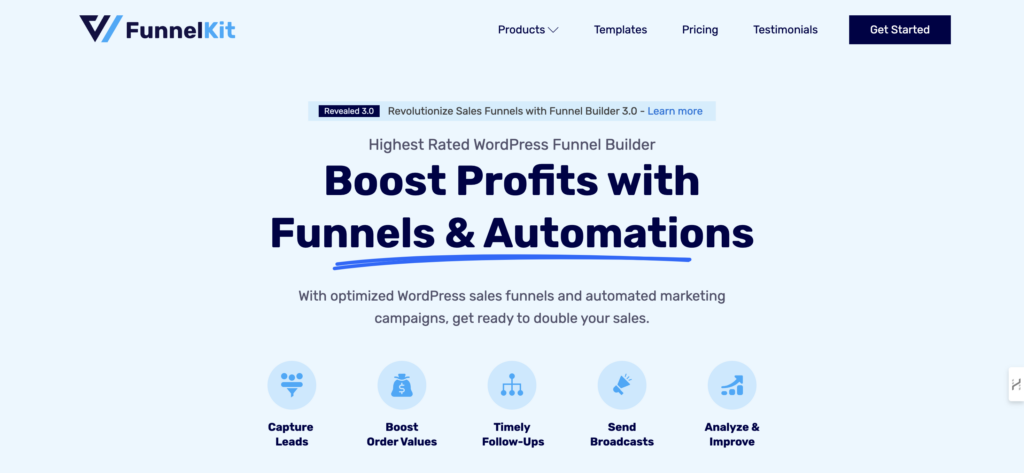
Relying solely on Facebook for audience engagement and monetization carries inherent risks due to algorithm changes and platform policy shifts. A crucial long-term strategy involves converting Facebook group members into subscribers on an owned asset, such as an email list, thereby creating a robust sales funnel. By requesting email addresses upon group entry (where permitted and clearly stated) or through valuable lead magnets (e.g., free guides, checklists, mini-courses) promoted within the group, administrators can build an independent communication channel. An email drip campaign, managed by tools like FunnelKit, Mailchimp, or ConvertKit, can then deliver consistent value, share exclusive content, and occasionally promote affiliate products, personal courses, or services. This not only diversifies income streams but also insulates the business from potential Facebook disruptions, ensuring continued access to a highly engaged audience. The email list becomes a direct line to potential customers, enabling more personalized and controlled marketing efforts.
8. Driving Targeted Traffic to a Personal Blog or Website
A Facebook group can serve as a powerful traffic driver to an external blog or website, creating a synergistic relationship that enhances overall digital presence and monetization. By sharing valuable blog posts, articles, or resources from their site within the group, administrators can direct engaged members to content hosted on their own platform. This strategy yields multiple benefits: increased website traffic can boost ad revenue (if the blog is monetized with display ads), generate more affiliate sales through embedded links on the blog, and provide opportunities to sell digital products or services directly. Furthermore, consistent referral traffic from a strong social presence signals to search engines like Google that the website is a reputable and active brand, which can positively impact search engine optimization (SEO) rankings. Higher organic search traffic, in turn, opens up even more monetization avenues. The Facebook group acts as a community hub that feeds into a broader content ecosystem, solidifying the creator’s authority and reach.
9. Securing Brand Sponsorships and Paid Posts
For groups with a substantial and engaged member base, attracting brand sponsorships and paid promotional posts becomes a viable and often lucrative monetization channel. Brands are constantly seeking direct access to niche audiences, and a well-moderated Facebook group offers a highly targeted advertising opportunity. If a group achieves significant scale and engagement, advertisers may directly approach administrators with sponsorship proposals. Alternatively, creators can proactively seek out partnerships or register with platforms like Facebook’s Brand Collabs Manager (available for public groups) to be matched with suitable brands. When negotiating sponsorships, administrators should establish clear rates based on factors such as post duration (e.g., $X for a pinned post for 7 days), exclusivity, and the type of content (e.g., dedicated post, mention in a newsletter). It is crucial to adhere strictly to Facebook’s branded content policies, clearly disclosing sponsored content to maintain transparency and trust within the community. This method allows administrators to leverage their audience’s attention directly for advertising revenue.
10. Creating and Selling Established Facebook Groups
The act of "flipping" Facebook groups—building a community and then selling it to another party—can generate significant capital in a single transaction. This strategy is often pursued by entrepreneurs who enjoy the community-building phase but wish to move on to other ventures or are looking to capitalize on a valuable digital asset. The valuation of a Facebook group typically depends on factors such as member count (groups with 500,000+ members can fetch substantial prices), member engagement, niche profitability, and existing monetization structures. While potentially lucrative, this approach carries significant risks. Facebook’s terms of service generally do not explicitly endorse the sale or transfer of group ownership in a commercial sense. Violations can lead to the group being banned or shut down, leaving the new owner with no asset. Therefore, extreme caution and a thorough understanding of Facebook’s policies are necessary if considering this monetization path. It’s a high-risk, high-reward strategy best undertaken with careful consideration of the platform’s guidelines and the potential for account termination.
Overarching Principles and Best Practices
Regardless of the chosen monetization strategy, several fundamental principles underpin long-term success in Facebook group monetization. Foremost among these is value provision. A group must consistently offer meaningful content, foster genuine connections, and solve problems for its members before any monetization efforts can truly thrive. Transparency is equally critical; members appreciate honesty regarding affiliate links, sponsored content, or the introduction of paid services. Clear disclosure builds and maintains trust, which is the bedrock of any successful community.
Adherence to Facebook’s Community Standards and Policies is non-negotiable. Ignorance of these rules can lead to warnings, content removal, or even the permanent shutdown of a group. Administrators must stay informed about guidelines concerning spam, prohibited content, intellectual property, and branded content. Furthermore, active moderation ensures a safe and positive environment, which is essential for sustained engagement and growth.
Challenges and Broader Implications
While Facebook groups offer immense monetization potential, they also present challenges. Platform dependency is a significant concern; changes to Facebook’s algorithms, policies, or even its long-term viability can directly impact a group’s reach and monetization capabilities. This underscores the importance of diversifying revenue streams and building owned assets like email lists. Maintaining community trust while implementing commercial strategies requires a delicate balance. Overly aggressive or deceptive monetization tactics can quickly alienate members and erode the community’s foundation.

The ethical implications of selling personal data or leveraging community sentiment for purely financial gain must also be carefully considered. Successful group monetization is a marathon, not a sprint, requiring consistent effort, genuine engagement, and a member-first mindset.
Conclusion
Monetizing a Facebook group is a multifaceted endeavor that merges community building with strategic business acumen. From affiliate marketing and direct product sales to creating exclusive paid communities and leveraging a group for blog traffic, the opportunities are diverse and adaptable to various niches and audience sizes. The digital landscape continues to evolve, but the fundamental human desire for connection and valuable information remains constant. By prioritizing value, fostering transparency, and meticulously adhering to platform guidelines, digital entrepreneurs can transform their Facebook groups into powerful engines of income, benefiting both themselves and the vibrant communities they cultivate. The journey to successful monetization is ultimately about understanding one’s audience and serving their needs in innovative and authentic ways, turning collective engagement into sustainable prosperity.