Failing to master the art of the writing hook is increasingly recognized as a critical impediment to successful communication in any medium. In an era deluged with information, the ability to immediately engage and retain a reader’s attention is not merely advantageous; it is an absolute necessity for any written work to achieve its intended impact. This foundational skill, often overlooked in the pursuit of detailed content, determines whether an audience will proceed beyond the initial few seconds of exposure.
The Evolving Landscape of Attention in the Digital Age

The concept of an attention-grabbing opening is not new. For centuries, playwrights, novelists, and journalists have understood the importance of compelling first lines to draw audiences into their narratives or reports. From the dramatic opening of Shakespeare’s "Romeo and Juliet" to the declarative statements of classic newspaper headlines, the initial impression has always been paramount. However, the advent of the digital age has profoundly intensified this requirement. The sheer volume of content produced daily across blogs, social media platforms, news websites, and digital publications means that readers are constantly bombarded with choices.
Modern studies on digital consumption frequently highlight a shrinking human attention span, often cited as less than eight seconds—shorter, in some analyses, than that of a goldfish. While the exact figures are debated, the trend is undeniable: users scroll rapidly, skim content, and make instantaneous decisions about what is worthy of their time. This accelerated consumption pattern places unprecedented pressure on writers to deliver immediate value and intrigue. Consequently, the opening sentences of an article, a social media post, an email, or even a book description, must function as potent gateways, arresting the reader’s scroll and compelling them to delve deeper. Without an effective hook, even the most meticulously researched and insightful content risks remaining unread, its potential impact nullified by the inability to initially connect with its intended audience.
Defining the Effective Hook: Core Attributes and Psychological Underpinnings
A hook in writing is fundamentally the initial line or brief sequence of sentences designed to seize a reader’s attention and cultivate an immediate desire for more information. This extends beyond merely the introductory paragraph of an article; it encompasses headlines, email subject lines, book titles and subtitles, and even the opening frames of video content or podcast descriptions. The primary objective is to create an "open loop" in the reader’s mind, posing a question or presenting a scenario that demands resolution, thus fostering curiosity.
Effective hooks share several key characteristics: they are succinct, highly compelling, relevant to the target audience’s interests or pain points, and often evoke an emotional response or a sense of intrigue. Psychologically, hooks tap into fundamental human drives such as curiosity (the desire to close information gaps), self-interest (the promise of benefit or avoidance of harm), empathy (the recognition of shared experience), and novelty (the unexpected or controversial). Mastering these principles allows writers to transcend mere information delivery, transforming it into an engaging experience that respects the reader’s limited attention and high expectations. While daunting to craft such impact in a few words, a structured approach based on proven techniques can render hook writing a refined and instinctive skill.
Eight Strategic Approaches to Crafting Potent Hooks
Centuries of literary and journalistic practice, now augmented by digital marketing insights, have yielded several highly effective archetypes for writing hooks. By understanding these approaches and their underlying psychology, writers can strategically choose the most appropriate hook for their content and audience.
1. The Promise Hook
The promise hook directly appeals to a reader’s self-interest by offering a tangible benefit or solution. It answers the fundamental question, "What’s in it for me?" before the reader even has to ask. This type of hook is ubiquitous and highly effective in marketing copy, self-help literature, and instructional content because it clearly communicates value.
- Mechanism: It triggers the brain’s reward system, suggesting a positive outcome.
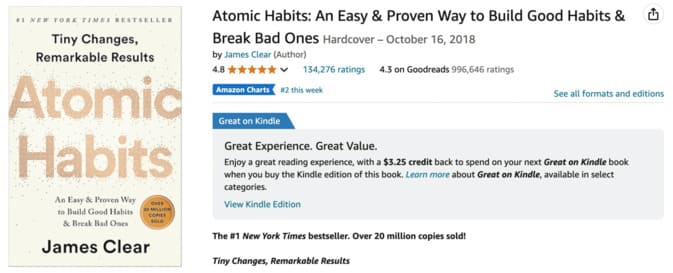
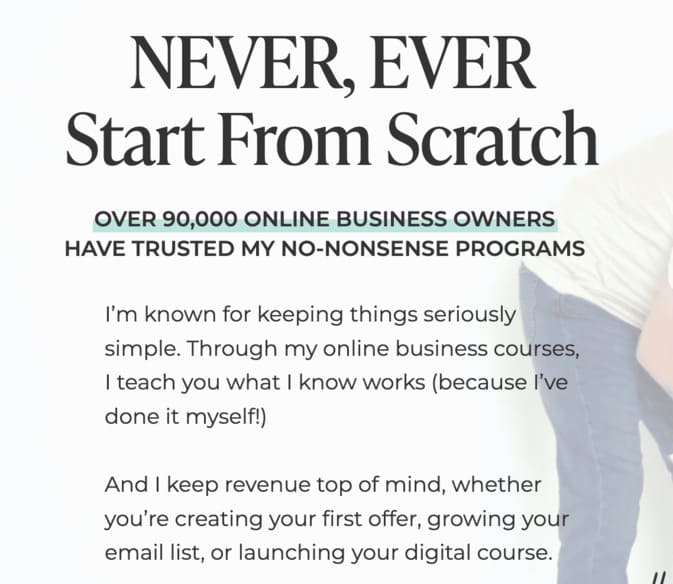
- Application: Ideal for headlines, subheadings, and introductory paragraphs of articles, particularly in fields like personal development, business, and health. For example, a book titled "Atomic Habits" with the subtitle "An Easy & Proven Way to Build Good Habits & Break Bad Ones" immediately promises a clear, actionable path to self-improvement. Similarly, sales page copy that promises to "Unlock Your First 100K in Online Business Without the Overwhelm" directly addresses an entrepreneur’s desire for financial success and relief from common anxieties.
- Strategic Use: Best used when your content offers a clear, desirable outcome or solution to a common problem.
- Impact: Creates anticipation and a strong motivation to learn how the promise will be fulfilled.
2. The Proof Hook
Proof hooks establish immediate credibility and authority by showcasing a writer’s (or a source’s) achievement or expertise relevant to the reader’s aspirations. In a world skeptical of unsubstantiated claims, demonstrating a track record of success builds trust.
- Mechanism: Leverages the psychological principle of authority bias; people are more likely to trust and follow advice from perceived experts.
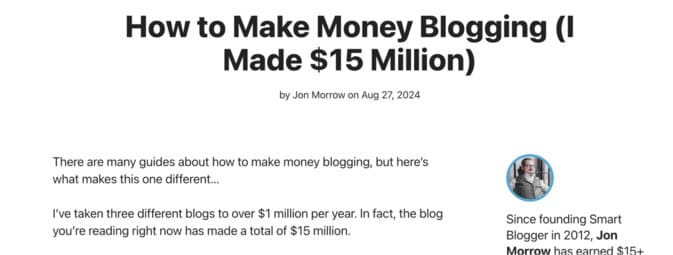
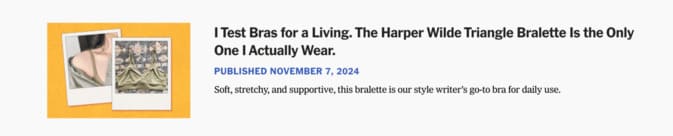
- Application: Often found in the introductions of expert articles, professional profiles, or product reviews. A blog post titled "How I Made $15 Million Blogging (And How You Can Too)" immediately establishes the writer’s authority and offers a compelling reason for readers interested in monetizing their blogs to continue reading. Similarly, a product review article from "Wirecutter Magazine" that starts with "We test bras for a living to find you the best one" instantly assures the reader that the recommendations are backed by rigorous, specialized experience.
- Strategic Use: Employ when your personal experience or data provides a compelling argument for your expertise.
- Impact: Builds immediate trust, positions the writer as a credible guide, and increases the perceived value of the information shared.
3. The Empathy Hook
Empathy hooks forge an immediate connection by articulating a reader’s unspoken pain points, struggles, or desires, making them feel seen and understood. This emotional resonance is a powerful driver for continued engagement.
- Mechanism: Taps into the human need for connection and validation. When a writer articulates a reader’s internal experience, it creates a bond of trust and mutual understanding.
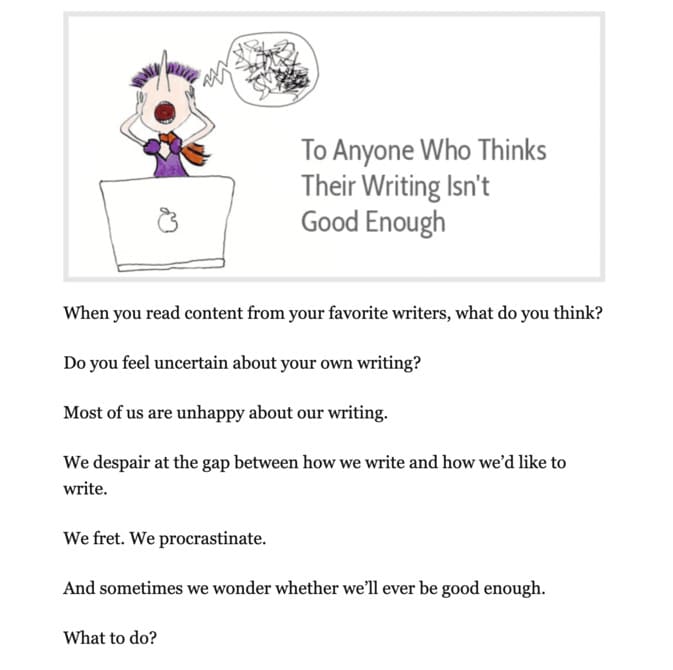
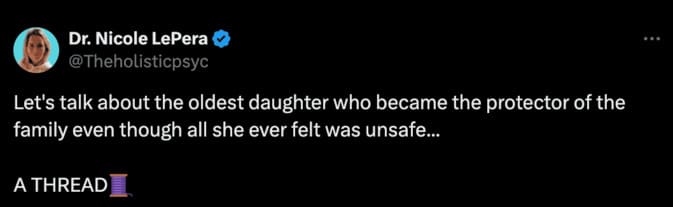
- Application: Effective in personal essays, therapeutic content, and problem-solution articles. An article from "Enchanting Marketing" that addresses "anyone who thinks their writing isn’t good enough" and describes feelings of despair, fretting, and procrastination speaks directly to the insecurities of many writers. Similarly, a social media thread beginning with "To the oldest daughters: the ones who protected everyone else, yet never truly felt safe themselves…" resonates deeply with individuals who identify with that specific experience, drawing them into the subsequent discussion.
- Strategic Use: Best when addressing common emotional challenges or universal human experiences.
- Impact: Establishes rapport, makes the reader feel validated, and positions the writer as a compassionate guide or fellow traveler.
4. The Contrarian Hook
Contrarian hooks disrupt conventional wisdom or popular beliefs, challenging the reader’s assumptions and sparking intellectual curiosity. This approach thrives on surprising the audience with an unexpected viewpoint.
- Mechanism: Exploits the human brain’s affinity for novelty and its tendency to be drawn to conflict or divergence from the norm. It creates a cognitive dissonance that the reader feels compelled to resolve.
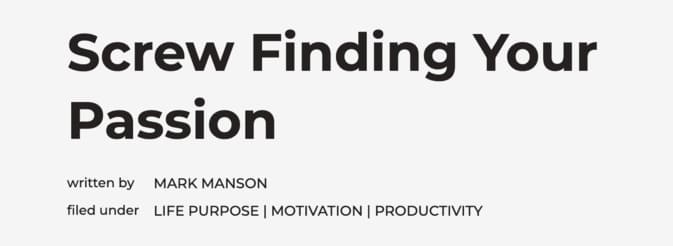
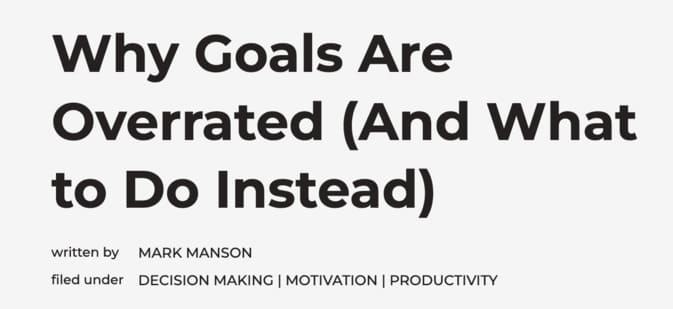
- Application: Frequently used in opinion pieces, thought leadership articles, and content aiming to shift paradigms. Author Mark Manson is a master of this, with headlines like "Screw Finding Your Passion" or "Goals Are Overrated." These statements directly contradict widespread self-help advice, prompting readers to question their own beliefs and seek the rationale behind such audacious claims.
- Strategic Use: Ideal for topics where popular opinion might be misguided or where you offer a genuinely fresh perspective.
- Impact: Generates immediate curiosity, makes the content stand out, and encourages critical thinking.
5. The Statistic Hook
Statistic hooks leverage compelling data, facts, or figures to underscore the importance or gravity of a topic, or to provide immediate, irrefutable evidence for an argument. Numbers lend an air of objectivity and authority.
- Mechanism: Appeals to logic and reason. Startling statistics can create a sense of urgency, shock, or intellectual intrigue, prompting readers to understand the context or solution.
- Application: Common in scientific reports, policy briefs, persuasive essays, and business presentations. An article on New Year’s resolutions might open with "80% of New Year’s resolutions fail by February," immediately highlighting the scope of a common problem. A technology company like Slack might use a statistic like "77% of Fortune 100 companies use Slack" to instantly convey market leadership and reliability, selling its product through impressive adoption rates.
- Strategic Use: Crucial for establishing the scale of a problem, supporting a claim, or demonstrating impact. Ensure statistics are accurate, sourced, and relevant.
- Impact: Adds credibility, quantifies the issue, and can evoke a strong emotional or intellectual response based on the data presented.
6. The Massive Mistake Hook
The massive mistake hook capitalizes on human relatability by sharing a significant error or failure from which valuable lessons can be drawn. This approach fosters transparency, builds trust, and offers readers the benefit of learning without having to endure the same pitfalls.
- Mechanism: Taps into our innate desire to avoid pain and learn from others’ experiences. It also humanizes the writer, making them more approachable and credible.
- Application: Particularly effective in business advice, personal development, and cautionary tales. An introduction from a marketing CEO discussing "a mistake that almost cost us our business" immediately grabs the attention of fellow business owners who wish to avoid similar catastrophic errors. Similarly, a content marketing article might open with a personal anecdote about a copyright infringement penalty, creating a visceral sense of warning and highlighting the importance of the subsequent advice.
- Strategic Use: Powerful when you can genuinely share a significant learning experience that directly benefits your audience.
- Impact: Builds empathy, establishes the writer as experienced (even if through failure), and creates a strong incentive for the reader to absorb the forthcoming lessons.
7. The Story Hook
Story hooks tap into humanity’s ancient and deeply ingrained love for narratives. By beginning with a compelling anecdote, personal experience, or vivid scene, writers create an "open loop" that inherently makes readers want to know what happens next.
- Mechanism: Stories are naturally engaging; they activate multiple parts of the brain, making information more memorable and persuasive. They bypass purely logical processing to connect on an emotional level.
- Application: Versatile across all forms of writing, from creative works to business articles and persuasive essays. A blog post opening with "The doctor delivered the news. My wife started to cry…" immediately establishes a dramatic, personal stakes scenario that compels readers to understand the context and resolution. A persuasive essay about environmental issues might start with "As a child, I never felt safe to breathe," evoking empathy and curiosity about the author’s formative experiences and their connection to the broader topic.
- Strategic Use: Excellent for building emotional connection, illustrating a point, or making complex ideas more accessible.
- Impact: High emotional engagement, fosters empathy, and creates a natural flow that draws the reader effortlessly into the main content.
8. The Question Hook
The question hook is perhaps the most direct way to engage a reader, as it inherently invites a mental response. By posing a relevant or thought-provoking question, writers compel the audience to pause, reflect, and seek the answer within the subsequent text.
- Mechanism: Questions create an immediate cognitive interaction. They leverage the "curiosity gap" by highlighting something the reader doesn’t know but wants to.
- Application: Widely used in all forms of content, from blog posts to academic papers and sales pitches. An article opening with "Do you ever feel like you’re constantly busy, but never actually getting anything done?" directly addresses a common frustration, prompting a mental "yes" and a desire for solutions. Marie Forleo masterfully uses this, not just to identify pain points but to hint at solutions, making the reader think, "I wonder what she knows?"
- Strategic Use: Effective for diagnosing a problem, challenging assumptions, or leading the reader toward a specific point of view. Ensure the question is relevant and genuinely intriguing.
- Impact: Direct engagement, stimulates thought, and creates a clear path for the reader to follow in search of answers.
The Broader Implications for Modern Communication
Mastering the art of the writing hook carries significant implications across various professional and personal domains. For content creators and marketers, effective hooks are directly correlated with higher engagement rates, increased click-throughs, and improved conversion metrics. In journalism, a strong hook can mean the difference between a widely read investigative piece and one that fades into obscurity. For educators and researchers, compelling openings can make complex subjects more accessible and engaging, fostering deeper learning and greater impact for their work.
Furthermore, in an age where misinformation can spread rapidly, the ethical application of hooks becomes crucial. While the goal is to attract attention, responsible writing ensures that hooks genuinely reflect the content’s value and do not devolve into deceptive clickbait. The challenge for contemporary writers is not just to capture attention, but to do so authentically and sustainably. Therefore, the continuous refinement of hook-writing skills is not a peripheral concern but a central pillar of effective and responsible communication, enabling writers to not only be heard but also to convey meaningful messages in a crowded digital world. The initial seconds of engagement are the gatekeepers to influence, understanding, and ultimately, success.