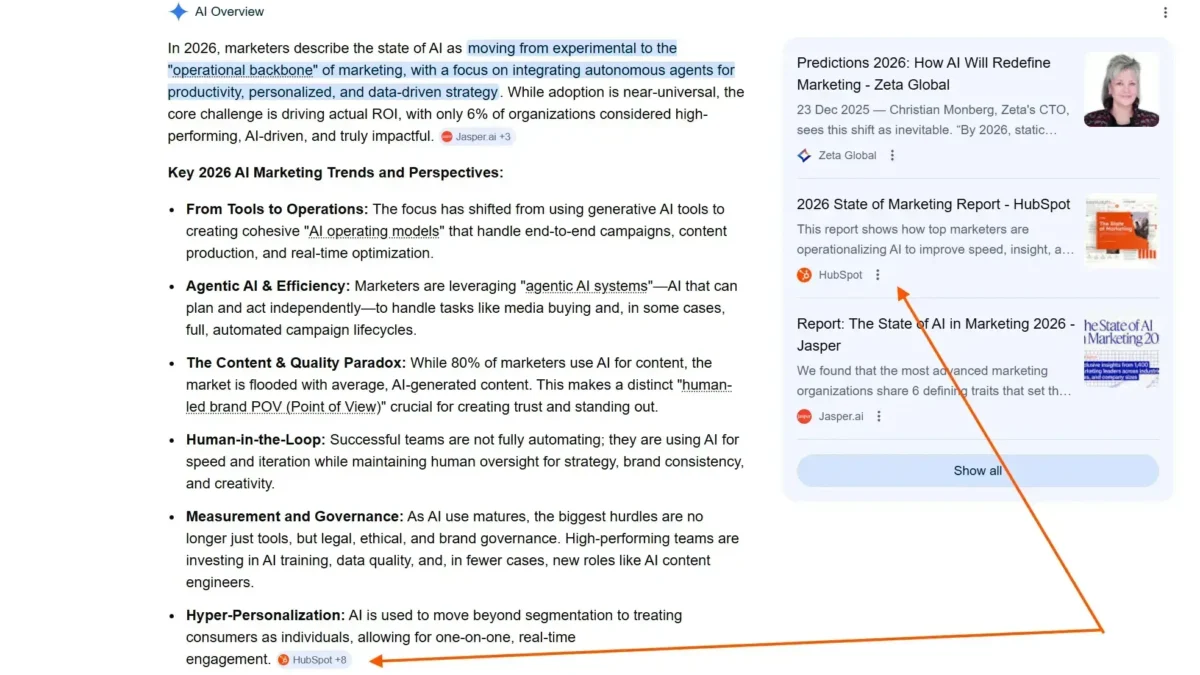
The digital discovery journey has undergone a fundamental structural transformation, permanently altering how prospective consumers locate, evaluate, and purchase products and services. With artificial intelligence increasingly dominating the top of the search funnel, modern marketers face an urgent imperative: understanding and tracking brand visibility within AI-generated ecosystems.

Historically, search engine optimization (SEO) relied heavily on blue links, keyword rankings, and click-through rates. Today, conversational agents, large language model (LLM) interfaces, and answer engines supply direct, synthesized responses to user queries before traditional search engine results pages (SERPs) even come into play. This evolution has rendered legacy tracking methodologies insufficient, prompting organizations to adopt specialized measurement tools and new Key Performance Indicators (KPIs) to protect their market share and revenue streams.
The Shift in Consumer Behavior and Search Infrastructure

The transition from keyword-based web crawling to generative answer engines accelerated rapidly over the last several years. According to industry data from market research and marketing trend reports, nearly a third of Gen Z consumers—approximately 31%—defaulted to chatbots and AI platforms for primary information gathering. By 2026, major technology platforms reported exponential growth in conversational search modes, with queries doubling on a quarterly basis and usage metrics reaching over one billion monthly active users on dedicated AI search interfaces.
This widespread adoption means that brands missing from AI Overviews (AIO), ChatGPT, Perplexity, Claude, and Microsoft Copilot are effectively invisible to a substantial segment of high-intent buyers. Unlike traditional SEO, where a lower-ranking website might still capture traffic on page two or three, AI search engines typically synthesize a definitive list of recommended solutions or authoritative sources. Brands excluded from these synthesized answers disappear entirely from the consideration set, experiencing zero impressions, zero direct citations, and no obvious mechanism for recovery without a deliberate optimization strategy.

Defining AI Search Visibility and Core Metrics
Brand visibility in the context of conversational search refers to the frequency, sentiment, and accuracy with which a brand is mentioned or cited within AI-generated responses. Measuring this phenomenon requires distinct metrics that depart from conventional web analytics.

Industry analysts emphasize several foundational KPIs for tracking performance within generative platforms:
- Brand Mention Rate: This foundational metric evaluates the percentage of analyzed prompts in which a brand is explicitly named by the AI engine. A low mention rate indicates that the brand lacks topical authority or broad enough digital footprints for the model to surface it during category-level inquiries.
- Citation Rate: Unlike a simple text mention, a citation involves an active hyperlink or explicit reference to a brand-owned domain. Tracking citation rates helps marketing teams identify which specific web pages and content assets successfully earn authoritative references within AI answers.
- Sentiment and Accuracy: Generative platforms do not merely list companies; they describe them. Sentiment analysis measures whether these descriptions are positive, neutral, or negative, while accuracy ensures that pricing, core features, and value propositions are correctly represented. Notably, a negative sentiment may be acceptable if it is factually accurate—such as an AI correctly noting that a product is positioned at a premium price point compared to budget competitors.
- Share of Voice: This metric compares a brand’s mention and citation frequency against direct competitors across identical prompt sets, revealing competitive gaps and broader market opportunities.
Establishing a Repeatable Tracking System

To move beyond ad-hoc manual spot-checks—which are inherently skewed by user history, personalization, and single points in time—marketing organizations are establishing systematic, data-driven tracking frameworks. A repeatable system typically follows a structured protocol:
- Baseline Assessment: Organizations initiate tracking by deploying automated graders or specialized Answer Engine Optimization (AEO) tools to evaluate how major platforms currently characterize the brand across sentiment, presence quality, and share of voice.
- Prompt Taxonomy Development: Teams curate a consistent, documented set of queries that mimic actual buyer behavior. These prompts span brand-specific, competitor, category, task-based, and comparison categories. By locking in the exact wording, marketers ensure that ongoing performance shifts reflect actual changes in visibility rather than altered phrasing.
- Cadence and Automation: Utilizing specialized software designed for continuous monitoring, teams schedule automated prompt execution across multiple engines on a weekly or daily basis. This longitudinal data exposes underlying trends rather than isolated snapshots.
- CRM and Workflow Integration: Advanced enterprises route visibility data directly into Customer Relationship Management (CRM) systems. This integration transforms isolated marketing metrics into actionable revenue inputs, allowing teams to tie content gaps directly to pipeline generation and closed-won deals.
Mitigating Inaccuracies and Enhancing Entity Consistency

A critical challenge in generative search management is the mitigation of "hallucinations" or outdated information. Because AI models aggregate data from disparate web sources—including review sites, forums, legacy blog posts, and official documentation—inconsistent brand messaging frequently leads to erroneous citations or negative portrayals.
To combat this, digital strategists emphasize entity consistency. Ensuring that a company’s name, core offering, physical location, and pricing models remain uniform across all owned and earned digital properties significantly reduces the likelihood of AI misrepresentation. Furthermore, creating highly structured, fact-backed content that directly answers complex niche problems increases the probability that LLMs will parse and cite owned domains as primary sources.

Implications for the Future of Digital Marketing
The maturation of generative search signifies that AEO is no longer a peripheral experiment but a core pillar of modern corporate visibility. While traditional SEO remains essential—as search engines continue to supply the foundational crawl data that AI models ingest—the ultimate arbiter of brand consideration is shifting toward conversational recommendation engines.

Industry experts note that organizations failing to adapt their analytics, content architectures, and cross-departmental workflows risk ceding considerable market share to more agile competitors. By systematically tracking brand mentions, refining entity data, and aligning visibility metrics with actual business revenue, enterprises can successfully future-proof their market presence in an increasingly automated digital economy.