The digital publishing landscape has undergone a profound evolution over the past decade, shifting from traditional blogging models to direct-to-consumer email newsletters. As creators and media companies increasingly rely on email service providers (ESPs) to distribute content and monetize audiences, selecting the right platform has become a critical business decision. Among the dominant platforms currently shaping the industry are Beehiiv and ConvertKit, two distinct tools that cater to vastly different publishing strategies, budget frameworks, and business models.

While comparative reviews frequently frame these platforms as mutually exclusive competitors vying for market dominance, experienced digital publishers often evaluate them through the lens of specific operational requirements. Understanding the nuances of Beehiiv and ConvertKit requires an examination of their architectural designs, cost efficiencies, automation capabilities, and monetization ecosystems.
Background and Evolution of Email Service Providers

Email marketing remains one of the highest-yielding channels for digital publishers, boasting return-on-investment metrics that consistently outperform social media acquisition strategies. Historically, the ESP market was dominated by legacy platforms such as Mailchimp, AWeber, and GetResponse, which served as foundational infrastructure for early bloggers. However, as the creator economy matured, these legacy systems struggled to adapt to the specialized needs of modern newsletter operators, who demanded cleaner writing interfaces, integrated monetization features, and advanced audience growth mechanisms.
ConvertKit emerged in the mid-2010s specifically tailored for professional bloggers, course creators, and independent entrepreneurs. Its core architecture prioritized robust tagging systems, visual automation funnels, and sophisticated segmentation. By allowing creators to track user behavior and deliver hyper-targeted sequences, ConvertKit positioned itself as a powerhouse for businesses selling high-value digital products and services.

Conversely, Beehiiv entered the market later as a next-generation platform designed by former members of the Morning Brew team. Built specifically with the modern newsletter operator in mind, Beehiiv focused heavily on rapid subscriber acquisition, native referral programs, seamless content curation tools, and cost-effective scaling for large, broad-audience publications. The divergence in their developmental origins largely dictates their current operational strengths and limitations.
Financial Implications and Pricing Structures

For digital publishers managing thousands or tens of thousands of subscribers, the financial overhead of an ESP significantly impacts profit margins. The pricing models of Beehiiv and ConvertKit reflect their respective target markets and value propositions.
ConvertKit operates on a tiered pricing structure that scales rapidly as a publication’s subscriber base grows. Because the platform is engineered to support advanced funnel logic, automated sales sequences, and intricate tagging matrices, its monthly subscription costs are substantially higher. For instance, managing a database of approximately 19,000 subscribers on ConvertKit can easily exceed $270 per month. This pricing model is generally justifiable for publishers operating in high-value niches—such as finance, B2B software, or specialized consulting—where a single converted subscriber can yield significant revenue.

Beehiiv, on the other-hand, has disrupted traditional ESP pricing by offering flat-rate tiers that accommodate massive subscriber volumes at a fraction of the cost. A publisher can manage up to 100,000 subscribers across multiple publications for a flat monthly fee of approximately $99. This pricing strategy makes Beehiiv exceptionally attractive for publishers operating in broader consumer, lifestyle, or hobbyist niches, where individual subscriber value is lower, and financial success relies on sheer audience scale rather than high-ticket funnel conversions.
Content Creation, Editorial Workflows, and User Interfaces
The day-to-day experience of drafting and dispatching newsletters depends heavily on the underlying writing editor. Here, the divergence in platform philosophy is stark.
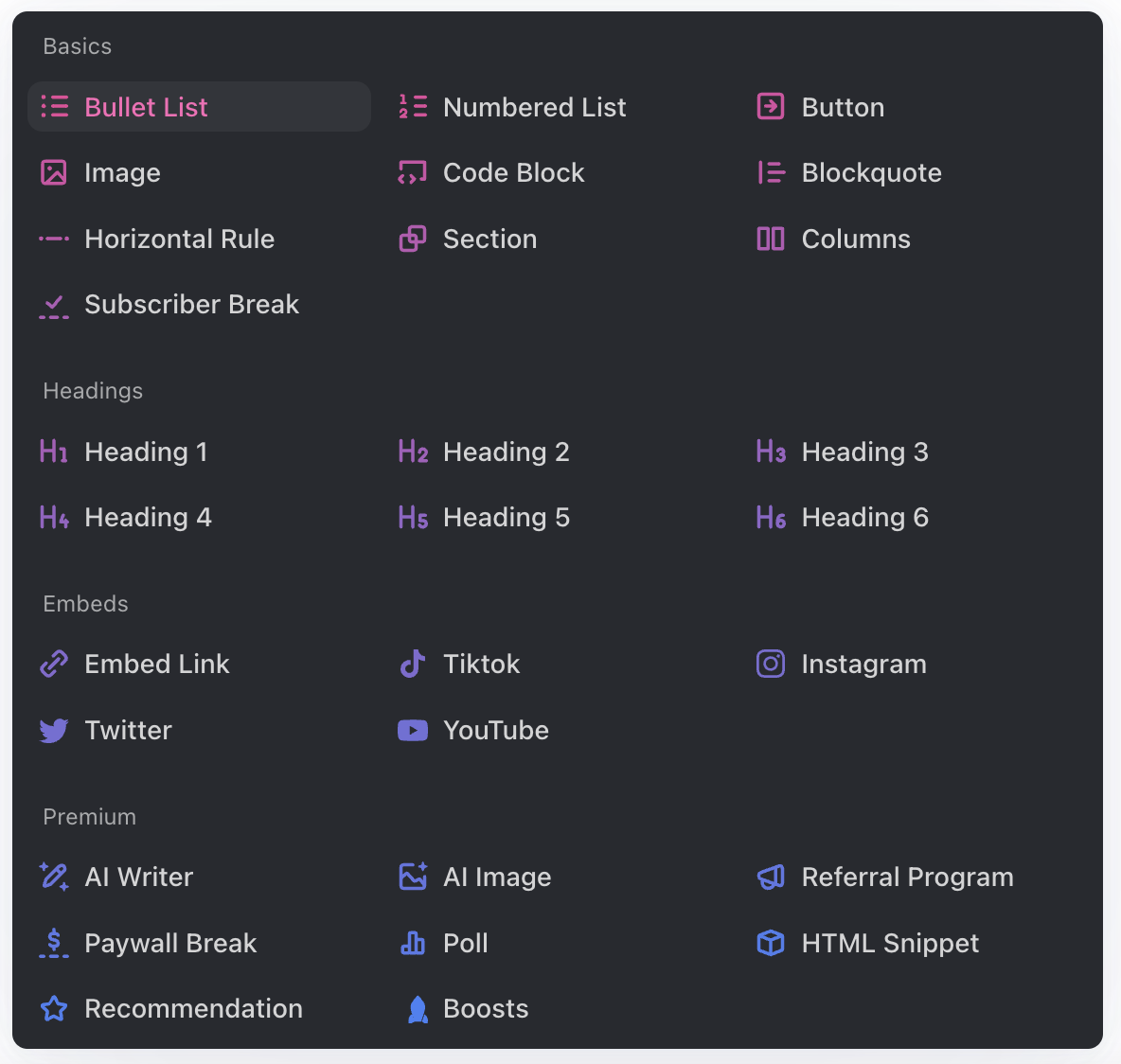
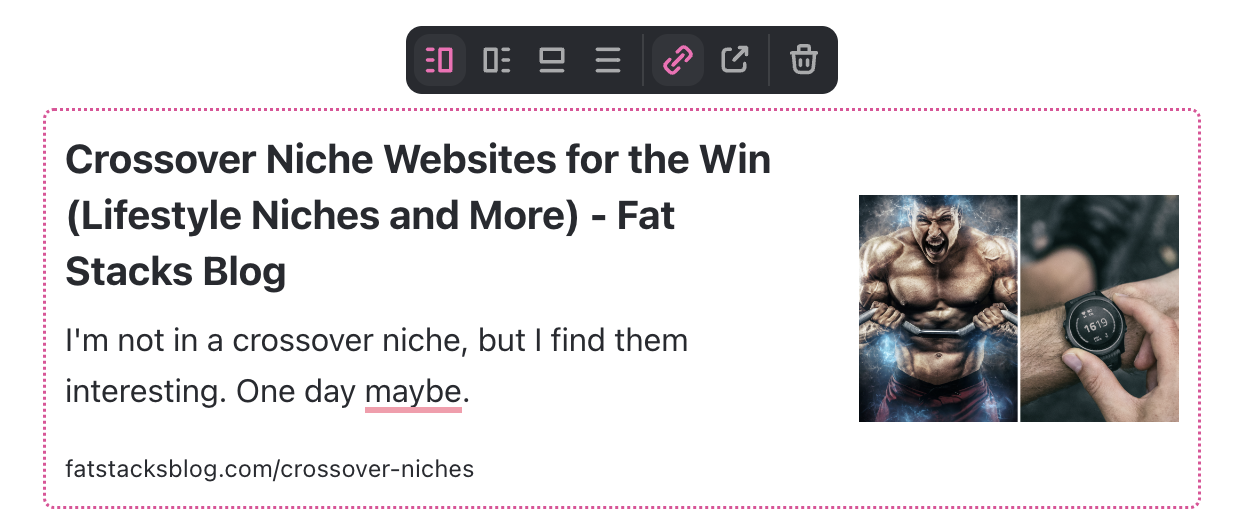
Beehiiv features a modern, block-based editor that prioritizes visual appeal, layout flexibility, and curation efficiency. One of its standout features for content curators is the automated URL embed function. When a publisher inputs a link to an external article or blog post, Beehiiv automatically extracts the meta-title, featured image, and description, formatting it into a clean, professional module within the email body. This capability drastically reduces the time required to compile curated roundups and daily digests. Furthermore, Beehiiv offers robust customization options regarding image placement, typography, and layout structure, enabling publishers to produce visually striking broadcasts without coding knowledge.

ConvertKit utilizes a more minimalist, text-focused editor. While effective for traditional prose and personal, narrative-driven emails, its interface offers fewer native design elements and layout variations. A frequent critique among professional users is the historical absence of a basic "undo" function within the ConvertKit editor, a limitation that can lead to accidental text deletion and workflow friction. While ConvertKit remains reliable for straightforward, plain-text style newsletters, it requires significantly more manual formatting to achieve the polished aesthetic natively supported by Beehiiv.
Automation, Segmentation, and Integration Ecosystems

When evaluating technical infrastructure for complex marketing funnels, ConvertKit maintains a distinct operational advantage over Beehiiv.
ConvertKit was built from the ground up to support intricate behavioral automation. Its visual automation builder allows creators to construct branching paths based on subscriber interactions, link clicks, and tag applications. For publishers running e-commerce operations, selling online courses through platforms like Teachable, or managing multi-tier membership sites, ConvertKit’s native and direct integrations are extensive. It connects seamlessly with virtually all major third-party marketing software, ensuring that data flows reliably without the need for fragile middleware solutions like Zapier or Integrately.
Beehiiv’s automation and segmentation capabilities, while improving, are comparatively streamlined. While it supports basic email sequencing, it lacks the deep, granular tagging structures and behavioral logic found in ConvertKit. Publishers who rely heavily on complex sales funnels, dynamic content replacement based on purchase history, and automated tagging often find Beehiiv’s native automation suite too restrictive unless paired with external tools.
Monetization and Revenue Generation Mechanisms

Both platforms recognize that audience monetization extends beyond traditional affiliate marketing and direct sponsorships, prompting them to build native revenue streams directly into their dashboards.
Beehiiv has aggressively expanded its monetization infrastructure through programs such as Beehiiv Boosts and its internal ad network. The platform connects newsletter publishers with brand sponsors, offering cost-per-click (CPC) sponsorship opportunities that can be integrated directly into broadcasts. Additionally, Beehiiv’s internal recommendation network allows publishers to earn revenue by recommending other newsletters to their newly subscribed users during the opt-in process. These built-in monetization tools are particularly beneficial for publishers seeking plug-and-revenue streams without negotiating private sponsorship deals.

ConvertKit approaches monetization through integrated product sales and partnership ecosystems. The platform features native landing pages and checkout carts that allow creators to sell digital downloads, newsletters, and coaching services directly without requiring an external e-commerce plugin. For broader network-level monetization, ConvertKit integrates with platforms like Sparkloop, enabling creators to participate in referral and partner programs. However, these supplemental monetization avenues often require additional configuration and may yield variable results depending on the specific demographic and niche of the readership.
Subscriber Growth and Acquisition Tools
Acquiring new subscribers is the lifeblood of any digital publication, and both platforms offer distinct mechanisms to drive audience expansion.
Beehiiv excels in viral growth loops. Features such as customized referral programs incentivize existing readers to share the publication in exchange for rewards, while "magic links" allow seamless cross-subscription across multiple newsletters within the Beehiiv ecosystem. Its recommendation engine fosters collaborative growth among publishers, creating a self-sustaining network effect.
ConvertKit relies heavily on its Creator Network, a quid pro quo referral system where creators recommend each other’s publications upon sign-up. While effective for business and entrepreneurial niches, publishers seeking advanced growth mechanics on ConvertKit often need to integrate external third-party software—such as ConvertBox for lead capture or Sparkloop for advanced referral tracking—which can increase both monthly software expenditures and technical complexity.
Strategic Implications for Publishers

The choice between Beehiiv and ConvertKit ultimately hinges on the publisher’s economic model and content strategy.
For publishers operating in broad B2C, lifestyle, hobby, or high-volume curation niches where individual subscriber lifetime value is relatively modest, Beehiiv offers an optimal balance of cost-efficiency, sophisticated design tools, and aggressive growth features. Its flat-rate pricing structure ensures that scaling subscriber counts does not result in prohibitive monthly software bills.
Conversely, publishers operating in high-ticket B2B, finance, SaaS, or specialized educational niches—where automated sales funnels, precise behavioral segmentation, and deep third-party integrations are paramount—will find ConvertKit’s robust infrastructure worth the premium investment.
Ultimately, the modern ESP market demonstrates that no single platform serves all use cases universally. By aligning technical requirements, financial constraints, and audience monetization goals with the specific strengths of Beehiiv or ConvertKit, digital publishers can establish a sustainable and scalable foundation for long-term growth.