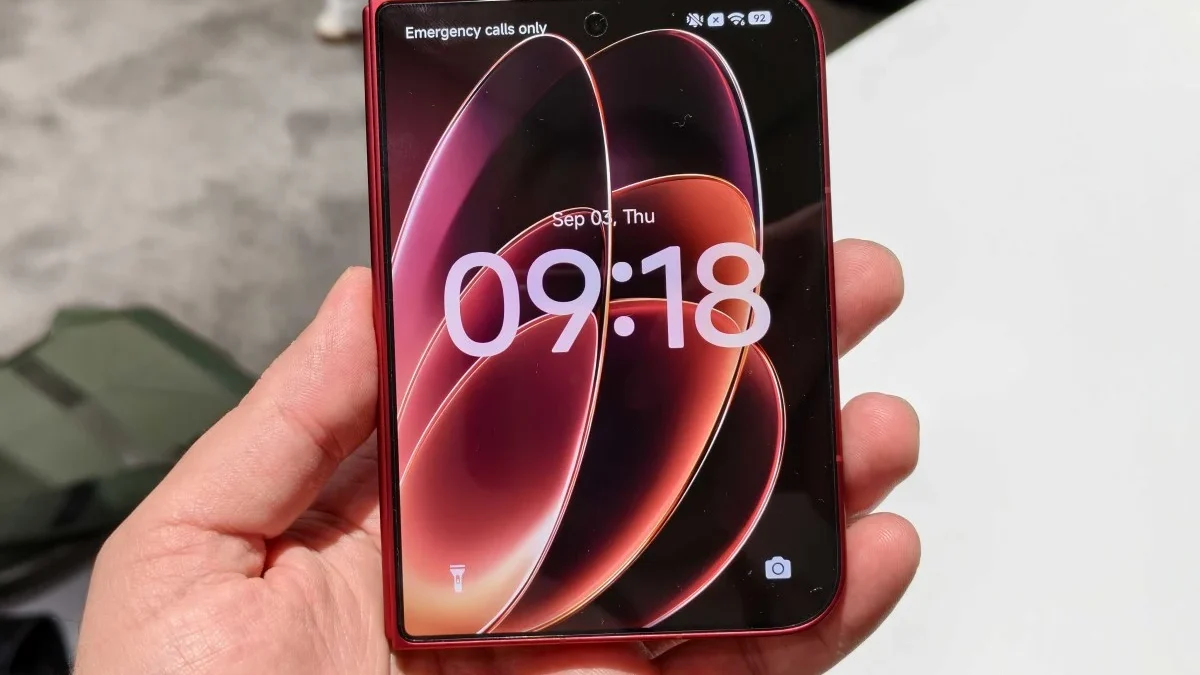
The global smartphone market is witnessing a resurgence of unconventional form factors as manufacturers move away from the standardized elongated aspect ratios that have dominated the industry for the past decade. Recent reports indicate that Xiaomi is actively developing a wide-screen candybar-style smartphone, joining a growing cohort of manufacturers seeking to capitalize on the aesthetic and functional shift pioneered by the Huawei Pura X View. This development marks a significant departure from the current industry trend of tall, narrow displays, signaling a potential shift in consumer preference toward more compact, landscape-oriented viewing experiences.
The Emerging Trend of Wide-Screen Devices
The smartphone industry has spent years optimizing for a 20:9 or 21:9 aspect ratio, primarily to accommodate one-handed usage and cinematic vertical scrolling. However, the success of the Huawei Pura X View has challenged this paradigm. By reintroducing a 16:9 or 16:10 aspect ratio—reminiscent of the early smartphone era but refined with modern display technology—Huawei has demonstrated that there is a niche, yet vocal, consumer base interested in a "squatter" form factor.
According to prominent industry insider Digital Chat Station, an unnamed major Android manufacturer is currently prototyping a device that mirrors this wide-screen philosophy. While the leaker did not explicitly confirm the brand, the use of specific brand-associated emoji in the social media announcement has led analysts to conclude that Xiaomi is the entity behind the project. Unlike the folding mechanisms that have defined high-end innovation in recent years, this device appears to be a traditional candybar smartphone, albeit with a wider physical footprint.
Technical Specifications and Expected Architecture
Preliminary reports suggest that the Xiaomi device will prioritize a 16:10 or 16:9 display configuration. This choice of aspect ratio is strategically significant; it aligns the device more closely with traditional desktop monitors and legacy television standards, which could offer a unique advantage for media consumption and productivity tasks that feel cramped on taller, narrower displays.
Hardware specifications for the prototype remain in the early testing phase, but several key design decisions have been confirmed by industry leaks. The device is expected to incorporate a side-mounted fingerprint scanner. This design choice is a logical consequence of the wider form factor, which makes traditional under-display sensors more complex to integrate due to the chassis width and internal component stacking. The inclusion of a physical side-mounted sensor suggests that Xiaomi is prioritizing ergonomic reliability and cost-efficiency in the early iterations of this product line.

Chronology of the Wide-Screen Movement
The shift toward wider displays did not occur in a vacuum. It is the result of a gradual accumulation of market experimentation over the last eighteen months:
- Early 2024: Huawei introduces the Pura X View, capturing attention for its unconventional, stubby design that bucked the industry’s "long-phone" trend.
- Mid-2024: Niche manufacturers like Doogee and Coolpad begin announcing products explicitly modeled after the Pura X View aesthetic, specifically targeting the budget and mid-range segments.
- Q3 2024: Oppo enters the fray with reports surfacing about a specialized wide-screen device within its Reno lineup. This device is rumored to include high-end specs, such as a 6.35-inch display and a massive 8,000mAh battery.
- Late 2024: Leak reports confirm that Huawei is planning to expand this form factor into its sub-brand ecosystem, specifically the upcoming Osta brand, aiming to lower the price barrier for the segment.
- Present Day: Xiaomi joins the developmental pipeline, indicating that the wide-screen form factor is moving from a niche experiment to a viable, secondary product tier for major OEMs.
Competitive Landscape: Oppo, Doogee, and Huawei
The competition in the wide-screen space is becoming increasingly stratified. While Huawei is focusing on brand expansion through its Osta sub-brand, Oppo is attempting to push the technical boundaries of the form factor. The leaked details surrounding the upcoming Oppo wide-screen device are particularly aggressive. With a proposed 8,000mAh battery—significantly larger than the industry standard of 5,000mAh—and dual 200MP rear camera sensors, Oppo appears to be positioning its wide-screen offering as a premium, utility-focused powerhouse rather than just a design novelty.
Furthermore, the integration of the MediaTek Dimensity 9600M chipset suggests that these devices are intended to handle high-performance tasks. The presence of smaller players like Doogee and Coolpad, which have already unveiled the Note60 and Cool X Wide respectively, suggests that the supply chain for wide-screen panels has matured enough to support a wider array of manufacturers.
Market Implications and Future Outlook
The pivot toward wide-screen candybar phones presents both opportunities and challenges for the industry. From a manufacturing perspective, the return to 16:9 or 16:10 panels allows companies to reuse existing display technologies while differentiating their product stacks without the immense cost associated with developing foldable screen hinges and complex internal folding mechanisms.
However, the implications for software developers are significant. Most current Android applications are optimized for tall, narrow screens. A move back to wider aspect ratios will require developers to revisit their interface layouts to ensure that content does not appear stretched or improperly aligned. If a significant portion of the market adopts this form factor, we may see a transition in UI/UX design trends, shifting away from "bottom-heavy" interaction models back to more centered or balanced interfaces.
From a consumer standpoint, the wide-screen phone serves as a potential middle ground for users who are disillusioned by the fragility of foldable devices but are bored by the uniform appearance of standard smartphones. By offering a "chunky" or "stout" design, these manufacturers are effectively creating a new category of "productivity slabs" that feel distinct in the hand.
Analysis of the Xiaomi Strategy
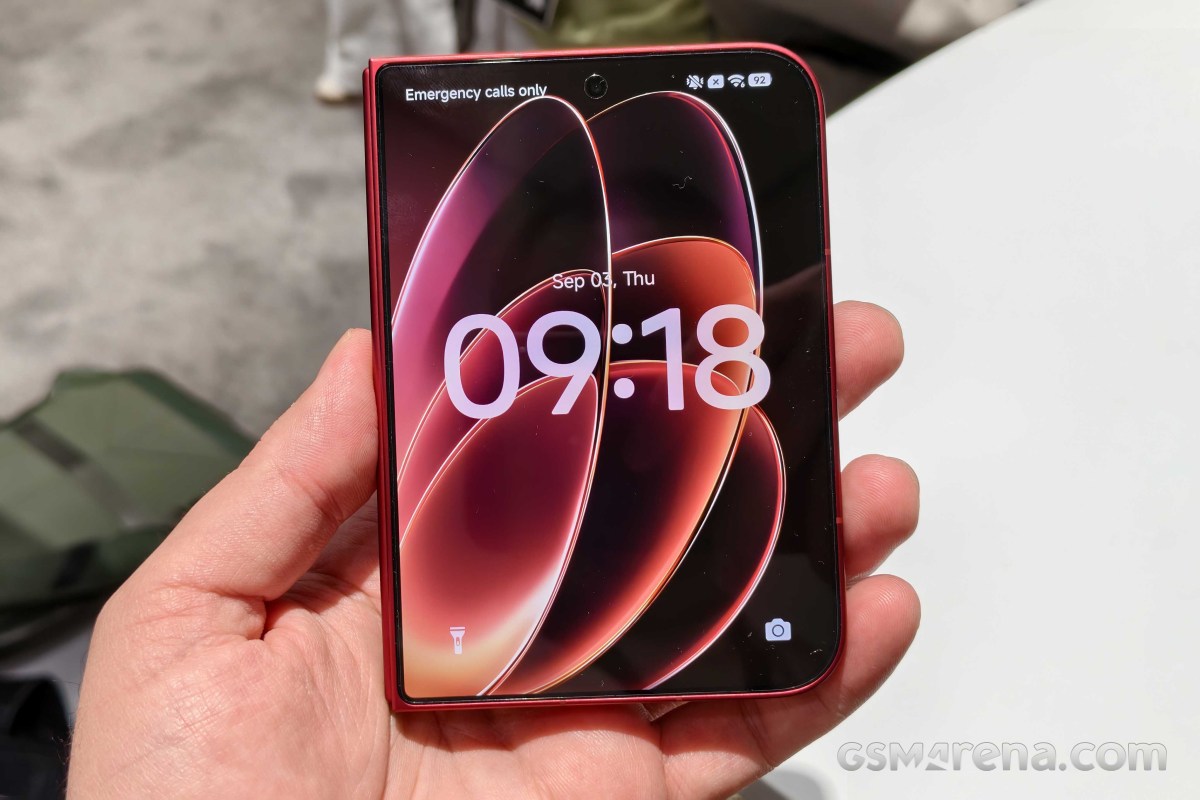
Xiaomi’s entry into this segment is a calculated move. Known for its "prosumer" approach and its ability to scale production rapidly, Xiaomi’s involvement suggests that the wide-screen category is nearing a transition point. If Xiaomi brings its signature aggressive pricing to this form factor, it could force a rapid adoption cycle among other Chinese smartphone brands.
The objective of these manufacturers is clear: market segmentation. As the primary flagship market becomes increasingly saturated, brands are looking for ways to capture the "long-tail" of consumer preferences. The wide-screen phone is not intended to replace the primary flagship but to serve as a secondary, specialized device that appeals to power users and those seeking a nostalgic yet modern aesthetic.
Conclusion: A New Era of Form Factors?
While it is too early to determine if the wide-screen candybar phone will become a permanent fixture in the smartphone ecosystem, the collective momentum from Huawei, Oppo, and now Xiaomi is undeniable. The industry is currently in a phase of architectural diversification, where the "one size fits all" mentality of the last decade is being replaced by a broader range of physical configurations.
As these devices move from the testing phase to mass production, consumers can expect to see more detailed specifications, including camera capabilities and battery performance metrics, emerge in the coming months. The success of these devices will ultimately hinge on software optimization and whether the utility of a wider screen—specifically for media and multitasking—is perceived as a genuine improvement over the current standard. For now, the industry is watching closely as the "wide-screen revolution" transitions from a niche design choice to a mainstream experimental trend.