The global smartphone market is bracing for a significant shift as Xiaomi prepares to launch its latest flagship duo, the Xiaomi 18 Pro and the Xiaomi 18 Pro Max, on November 17. Following the arrival of these units at our testing facilities, we have conducted an initial assessment of the hardware, design philosophy, and the functional utility of their unique dual-display configuration. This release marks a strategic effort by the manufacturer to capture the premium segment by blending high-end internal specifications with design choices that emphasize both utility and aesthetic refinement.
Hardware Specifications and Unboxing Experience
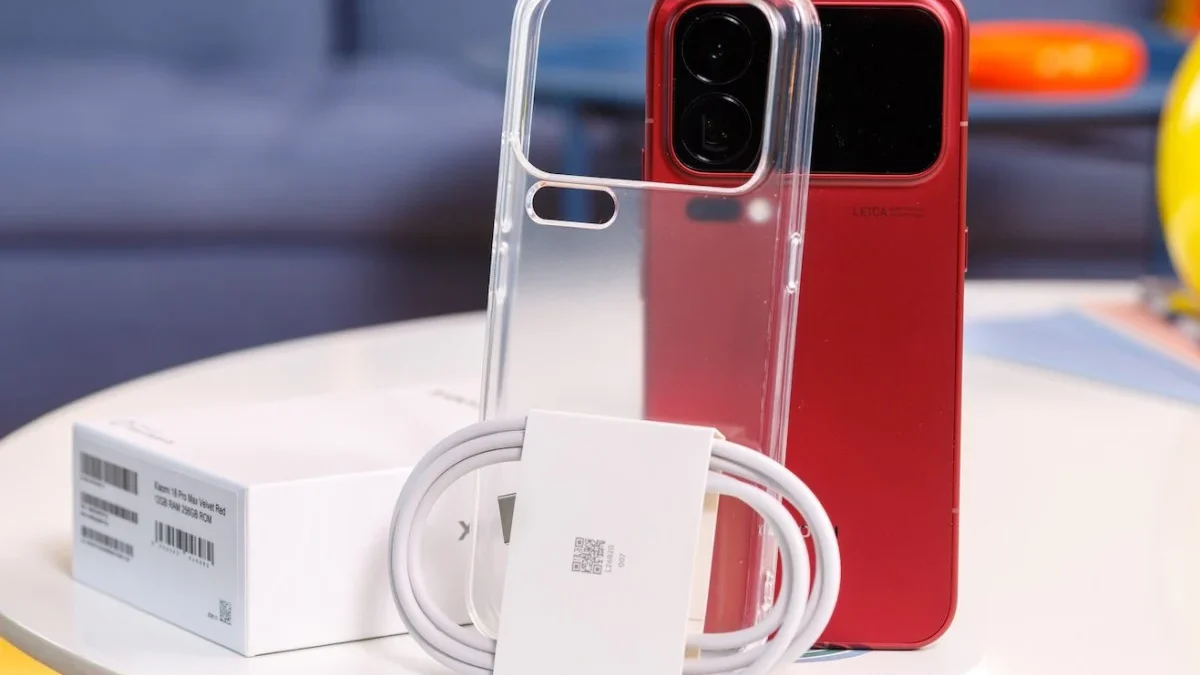
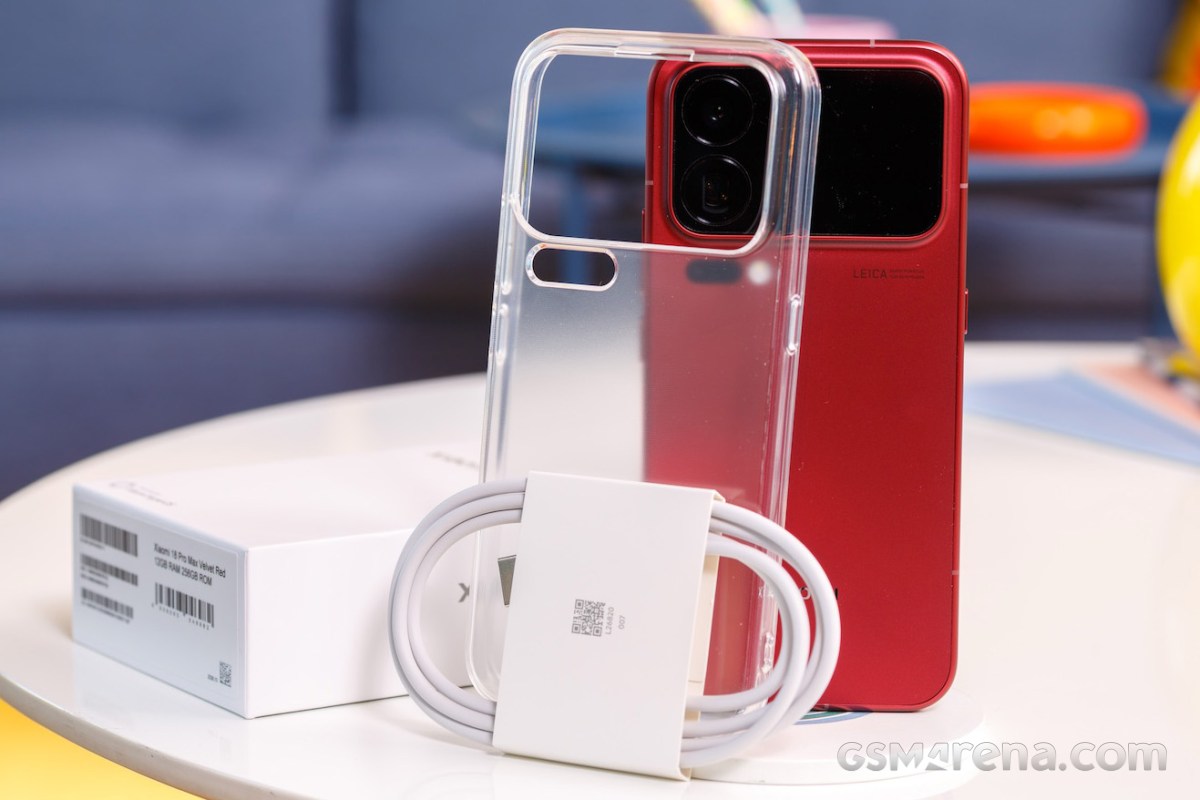
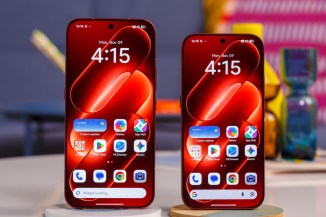
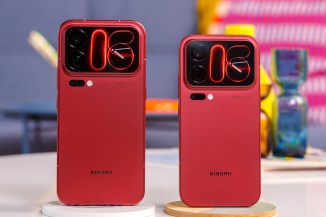
The global retail packaging for the Xiaomi 18 Pro Max arrives with a focus on essential utility. Each unit includes a high-durability transparent protective case and a USB-C interface cable. Our evaluation unit, finished in the striking Velvet Red colorway, features a robust 12GB of LPDDR5X RAM paired with 256GB of internal storage.
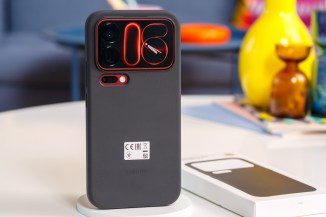
The included transparent case is notably thicker than standard factory-bundled accessories, providing a high level of shock absorption. However, for users seeking a more integrated aesthetic and enhanced utility, Xiaomi has introduced an official Silicone Magnetic case. This accessory features a premium soft-touch exterior, a protective microfiber-style velvet lining, and integrated magnets compatible with the Qi2 wireless charging standard, facilitating a more stable connection with magnetic power banks and mounting hardware.
Comparative Design and Ergonomics
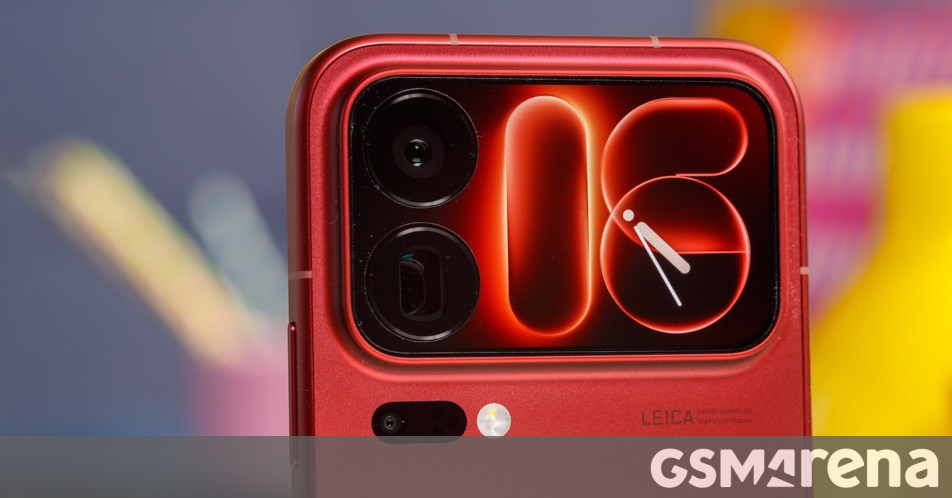
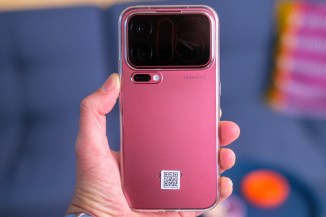
The Xiaomi 18 Pro and 18 Pro Max share an identical design language, with physical differentiation primarily dictated by screen size, chassis dimensions, and battery capacity. While the core hardware—including the SoC, primary camera architecture, and build materials—remains consistent across both models, the Pro Max variant features a larger 2.9-inch rear display, compared to the 2.7-inch panel found on the standard Pro.
The structural engineering of these devices is notable for its stability. Despite the prominent camera island, which houses the rear secondary screen, the phones remain perfectly balanced when placed on a flat surface. This stands in contrast to several contemporary flagship models, including recent iterations of the iPhone Pro, which have been noted for "wobbling" due to uneven weight distribution and camera protrusion profiles. The Xiaomi 18 Pro series achieves a level of flush surface contact that suggests a sophisticated approach to internal component distribution.
The Utility of the Rear Display Architecture
The most defining feature of the Xiaomi 18 Pro series is the integration of a functional rear display. This is not merely a novelty; it is a feature-rich secondary interface designed to augment the primary user experience. The display enables users to manage essential tasks without interacting with the main screen, including:
- Camera Integration: Acting as a viewfinder for the primary camera sensor, it allows for high-fidelity selfies, bypassing the limitations often associated with front-facing camera hardware.
- Notifications and Productivity: The interface supports notification management, incoming call handling, calendar alerts, and timer functions.
- Media Control: It provides a dedicated hub for playback controls, effectively functioning as a localized smartwatch interface integrated directly into the chassis of the device.
By offloading these interactions to the rear panel, Xiaomi aims to reduce screen-on time for the primary display, potentially impacting power efficiency positively.
Contextualizing the Market Strategy
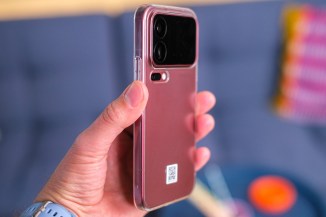
The release of the Xiaomi 18 Pro series follows a year of intense competition in the flagship sector. Historically, Xiaomi has utilized the latter half of the calendar year to refresh its premium lineup, often competing directly with the release cycles of Samsung’s S-series and Apple’s iPhone Pro models.
The current design trajectory, which incorporates a distinct camera housing and an emphasis on rear-facing functionality, reflects a broader trend in Chinese smartphone manufacturing. Industry analysts suggest that by integrating secondary displays, manufacturers are attempting to solve the "camera bump" dilemma—transforming a design necessity into a functional hardware asset.
Xiaomi’s focus on the "Pro" branding suggests an intent to target power users who prioritize multi-tasking capabilities. By offering two distinct sizes, the company is catering to both the compact flagship market and the "Ultra-large" segment, ensuring that those who prefer larger, more immersive screens—and the associated larger battery capacity—are not forced to compromise on hardware performance.
Timeline of the Global Rollout
- Early November: Initial technical samples and press units were distributed to global reviewers and regional media outlets.
- November 17: The official global unveiling is scheduled to take place, detailing regional pricing, carrier availability, and exclusive launch promotions.
- Late November: Retail availability is expected to commence across major markets in Europe, Asia, and select global regions, following the conclusion of the launch event.
- December: Comprehensive long-term reviews and performance benchmarks, including battery longevity and thermal throttling analysis, are slated for release.
Implications for the Premium Smartphone Segment
The decision to lean into the dual-display design indicates that Xiaomi is confident in its software integration. Historically, secondary screens on smartphones have suffered from poor software support, often rendering them useless after a few months of ownership. However, Xiaomi’s approach—which includes system-wide integration for music, calls, and calendar tasks—suggests a more polished software ecosystem.
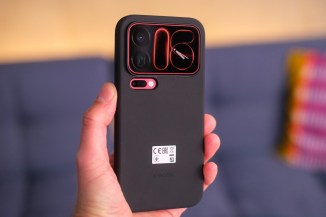
Furthermore, the integration of Qi2 magnetic charging through the optional case suggests that Xiaomi is aligning itself with industry-wide standards for wireless power, moving away from proprietary charging solutions that often alienate consumers looking for a unified ecosystem of accessories.
From an economic standpoint, the Xiaomi 18 Pro series represents an aggressive play against the established dominance of Apple and Samsung. By providing high-end build quality—such as the Velvet Red finish and robust chassis—at a competitive price point, Xiaomi is attempting to lower the barrier to entry for users who want "Pro" features without the premium tax often associated with legacy flagship brands.
Technical Outlook and Future Analysis
As we move toward the official November 17 launch, our testing will focus on several key areas that remain to be verified. The primary concern for consumers remains the software longevity of the rear-facing display. How will third-party applications interact with this secondary interface? Will Xiaomi provide an API for developers to utilize the rear screen for unique tasks?
Additionally, the thermal management of the device under heavy workloads will be a critical metric. A larger, more powerful SoC requires significant heat dissipation, and the inclusion of a rear screen potentially complicates internal cooling paths. Our forthcoming full review will analyze how the device manages heat dissipation during intensive gaming sessions and prolonged 4K video recording, both of which will utilize the rear display for feedback.
In summary, the Xiaomi 18 Pro and 18 Pro Max are not merely iterations of their predecessors; they are a calculated attempt to redefine the utility of the modern smartphone backplate. By turning a necessary design component into a useful, interactive display, Xiaomi is betting that the future of flagship hardware lies in versatility and the seamless integration of secondary inputs. Whether this strategy will resonate with a global audience remains to be seen, but the initial hardware impressions suggest a device that is as functional as it is visually distinctive.
As we continue our rigorous testing protocol, we will keep readers updated on all developments leading up to the official global release. The market is shifting, and with the Xiaomi 18 Pro series, the company is clearly signaling that it intends to lead that transition.