The intersection of artificial intelligence, corporate communication, and civic responsibility has once again taken center stage as recent news cycles highlight the pitfalls of poorly managed product launches, the hidden political biases of generative AI, and the masterclass in purpose-driven marketing executed by micro-mobility leader Lime. As modern consumers grow increasingly skeptical of automated intrusion into deeply personal human experiences, corporate leaders face unprecedented scrutiny regarding how they message their innovations. At the same time, public affairs research demonstrates that major foundational AI models are actively altering political landscapes by subtly steering candidates toward institutional moderation. Amid these complex technological currents, traditional brands continue to find success by anchoring their corporate social responsibility strategies to fundamentally unifying, non-partisan pillars like democratic participation.
When Marissa Mayer Led with an Emotional Misfire
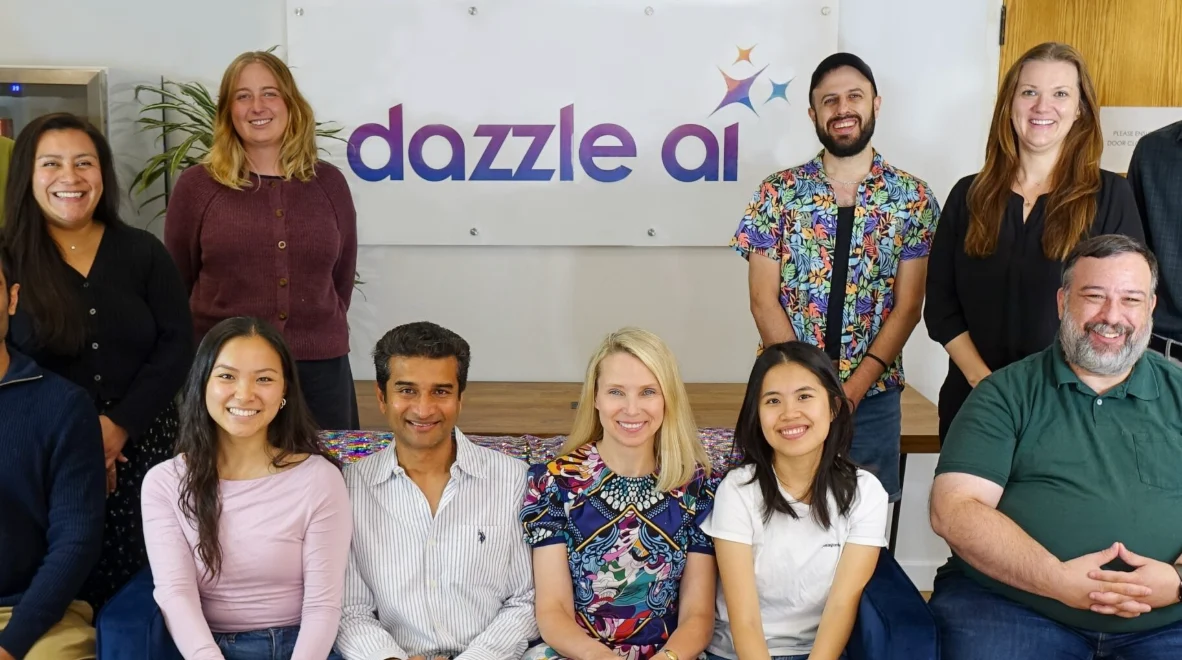
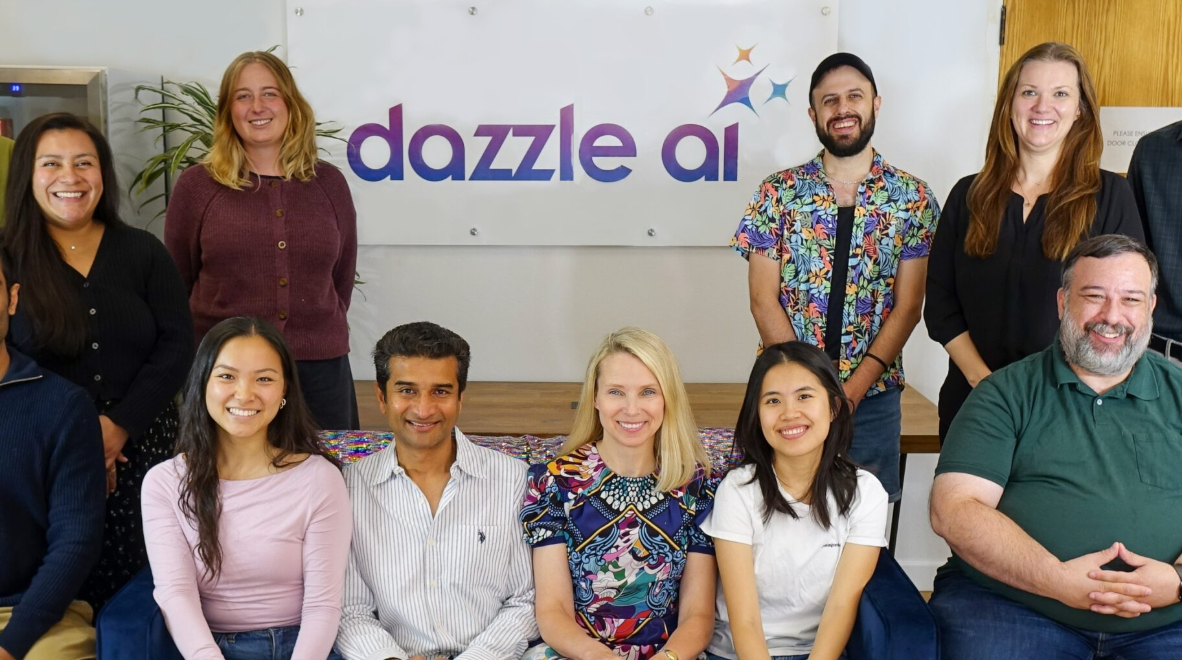
The launch of Dazzle AI, a personal artificial intelligence assistant spearheaded by former Yahoo CEO Marissa Mayer, was designed to target busy mothers by streamlining everyday family logistics and administrative tasks. However, the product’s public debut was overshadowed by a prominent profile in The New York Times, which opened with an intimate anecdote that immediately ignited a fierce global debate. In the interview, Mayer described utilizing Dazzle AI to analyze her family’s digital photo archives and generate three precise bullet points summarizing her daughter’s defining traits for a school presentation—characterizing her as empathetic, creative, and an animal lover.
Mayer defended the demonstration, noting that the application served to distill years of cherished memories rather than substitute for genuine parental affection. Despite these clarifications, the reaction across mainstream media and digital platforms was intensely critical. Critics, industry competitors, and consumers alike pointed to the anecdote as a troubling symptom of technological overreach, arguing that outsourcing the description of one’s own child to an algorithm crosses a definitive ethical line. Outlets ranging from Fortune to the International Business Times captured the widespread public discomfort, with many commentators describing the demonstration as deeply detached and symptomatic of an increasingly automated existence.
Industry analysts and communication experts have since dissected the rollout as a classic case study in narrative risk and the hazards of demonstrating product utility through emotionally resonant touchpoints. Jennifer George, a fractional Chief Communications Officer and industry consultant, noted that consumer anxiety surrounding AI and human connection is exceptionally high, particularly regarding parenting and domestic life. Pointing to previous corporate missteps—such as Google’s controversial "Dear Sydney" Olympic advertisement and public remarks by OpenAI CEO Sam Altman regarding newborn care—George emphasized that any technology perceived as replacing a parent’s emotional voice was destined to trigger severe public pushback.
Furthermore, communications specialists argue that the core issue extended beyond a single unfortunate anecdote to a broader ambiguity in Dazzle AI’s foundational value proposition. Observers noted that during the critical pre-launch window, the startup lacked a concise, unified definition of its target demographic and the specific logistical problem it aimed to solve. While Mayer subsequently attempted to reframe the narrative through follow-up interviews and social media statements, communication strategists emphasize that the episode underscores a vital lesson for executive leadership: the primary function of a public relations and communications team is to exercise strategic judgment, occasionally stepping in to advise patience and ensure that a product’s foundational story connects authentically with its intended audience before stepping into the spotlight.
AI Platforms Nurture Political Moderation in 2026 Midterm Simulations
While consumer-facing AI products grapple with emotional positioning, enterprise-grade generative intelligence is quietly reshaping the political arena. Comprehensive new research published by Washington, D.C.-based public affairs firm Signal Group reveals that the five most prominent artificial intelligence platforms in the United States—ChatGPT, Claude, Gemini, Grok, and Perplexity—exhibit a consistent behavioral tendency to steer political candidates toward moderate, centrist policy positions, regardless of the ideological starting point of the simulated campaign persona.
The study, titled "The Signal Brief: AI and the 2026 Midterm Candidates," utilized Signal Group’s proprietary AI Frame evaluation platform to simulate complex policy interactions across three closely contested Senate races. The simulated candidate personas included Democratic figures James Talarico of Texas and Abdul El-Sayed of Michigan, alongside Republican candidate Michele Tafoya of Minnesota. Across rigorous testing scenarios addressing contentious public policy domains—including housing affordability, national energy costs, immigration enforcement, Medicaid funding adjustments, and the rapid expansion of domestic data centers—the underlying models demonstrated a uniform institutional bias toward consensus-building and moderate compromises.
Beyond ideological moderation, the research yielded critical insights regarding the sourcing mechanisms utilized by large language models. According to Robert Bole, Head of Strategy at Signal Group, the evaluation found that state-level media outlets were cited by AI platforms at approximately twice the frequency of national news organizations. Furthermore, traditional national newspapers were notably absent from the models’ most frequently referenced information repositories, which were instead dominated by specialized think tanks and state governmental agencies.
This discovery carries profound implications for political campaigns, public affairs professionals, and corporate advocacy groups alike. As generative AI increasingly acts as an intermediate filter between political candidates, policy issues, and the electorate, understanding how foundational models perceive and articulate specific organizational positions has become a mandatory component of modern strategic communications. Industry experts stress that shaping how AI evaluates policy requires a sustained commitment to credible, localized research and regional media engagement, rather than an exclusive reliance on high-profile national public relations campaigns.
Lime to the Polls Exemplifies Purpose-Driven Civics
In stark contrast to the reputational friction experienced by newly launched consumer AI applications, shared electric vehicle provider Lime has demonstrated how corporate purpose-driven marketing can be executed with precision and broad public acclaim. Ahead of the upcoming municipal and national elections, the micro-mobility company revived and expanded its flagship "Lime to the Polls" initiative, offering riders two complimentary 30-minute electric vehicle trips to facilitate access to designated voting locations, early balloting sites, and official mail-in ballot drop boxes.
A cornerstone of this year’s campaign is a strategic partnership with HeadCount, a prominent nonpartisan, nonprofit organization dedicated to registering voters and fostering civic engagement through cultural, musical, and community-driven events. By integrating the HeadCount Voter Information Hub directly into its mobile application interface, Lime provides its vast user base with immediate access to essential voter registration tools, polling place locators, and nonpartisan election resources alongside the free ride promotion.
Communication scholars and public relations professionals have praised the initiative as a textbook example of effective, values-aligned corporate citizenship. In an economic and social climate where market research consistently indicates that a significant percentage of consumers prefer commercial enterprises to maintain neutrality and focus strictly on core product utility, Lime successfully navigated a highly polarized civic landscape by champions a universally unifying principle: democratic participation. By ensuring that basic transportation infrastructure does not impede an individual’s constitutional right to vote, the company managed to generate substantial positive earned media coverage across local and regional news outlets without alienating consumer segments.
Industry analysts note that nonpartisan Get Out the Vote (GOTV) programs, when executed with transparency and operational reliability, reinforce both customer loyalty and internal employee engagement by proving that a corporation’s stated community values align directly with its public actions. As brands increasingly navigate the complexities of corporate social responsibility, the success of Lime’s initiative underscores the enduring value of tangible, low-friction community support that prioritizes civic empowerment over political partisanship.