The cultural landscape surrounding the video game industry has undergone a fundamental transformation over the past three decades. When Rockstar Games launched the modern iteration of its flagship Grand Theft Auto franchise in the late 1990s and early 2010s, the primary source of public friction stemmed from traditional moral panics. Conservative activists, politicians, and parent-teacher associations routinely denounced the series for its unvarnished depictions of illicit sex, graphic violence, crude satire, and widespread criminality. High-profile figures, including billionaire entrepreneur Elon Musk, publicly admitted their discomfort with the title’s thematic elements, specifically citing the moral friction of controlling virtual characters who engage in violent confrontations with law enforcement officers.
However, as the gaming industry matured and the cultural zeitgeist shifted, the nature of the opposition evolved in tandem. In the years leading up to the highly anticipated November 19 release of Grand Theft Auto VI—a title arriving nearly 13 years after its predecessor—the axis of conservative media criticism pivoted sharply. While concerns regarding impressionable youth engaging in real-world delinquency have not entirely vanished, the dominant narrative among a vocal subset of right-wing culture warriors has become centered on anxieties regarding ideological conformity, often broadly categorized under the term "woke." Despite limited initial gameplay footage and plot details, various online commentators and self-appointed cultural watchdogs concluded that the upcoming release would function as a clandestine vehicle for identity politics, gender parity, LGBTQ+ acceptance, and racial diversity. Rockstar Games has largely maintained a policy of public silence regarding these online controversies, declining immediate requests for comment.
The Roots of Online Backlash and the Gamergate Legacy
The contemporary pre-release campaign against Grand Theft Auto VI does not exist in a vacuum; rather, it is the direct descendant of ideological fault lines that crystallized during the Gamergate controversy of 2014. That period marked a turning point in internet culture, fostering a persistent and paranoid subculture of aggrieved male gamers hyper-vigilant against the perceived encroachment of women, minorities, and LGBTQ+ developers within the digital entertainment sphere.
Because Rockstar Games subjected fans to an unprecedentedly long development cycle punctuated by multiple delays, the digital echo chambers of social media platforms like X (formerly Twitter) and YouTube became breeding grounds for preemptive outrage. Commentators have spent years scrutinizing every frame of leaked footage, official promotional material, and corporate history to construct a narrative of ideological betrayal. This phenomenon mirrors similar manufactured controversies directed at major entertainment properties, such as the ideological hand-wringing that accompanied Christopher Nolan’s cinematic releases or various high-profile fantasy and science-fiction franchises.
Micro-Analysis of Pre-Release Outrage
The scrutiny reached granular levels following the release of brief promotional clips and extended preview footage. In one widely circulated instance, online commentators targeted a scene featuring the game’s dual protagonists, Lucia Caminos and Jason Duval—a couple whose relationship dynamic shifts based on player choices. In the clip, Lucia asks Jason to help select an outfit, expressing minor frustration at his neutral reaction. Despite the scene reflecting standard comedic tropes found in television sitcoms for half a century, reactionary social media accounts framed the interaction as a targeted humiliation ritual designed to subjugate male gamers under a perceived feminist agenda.
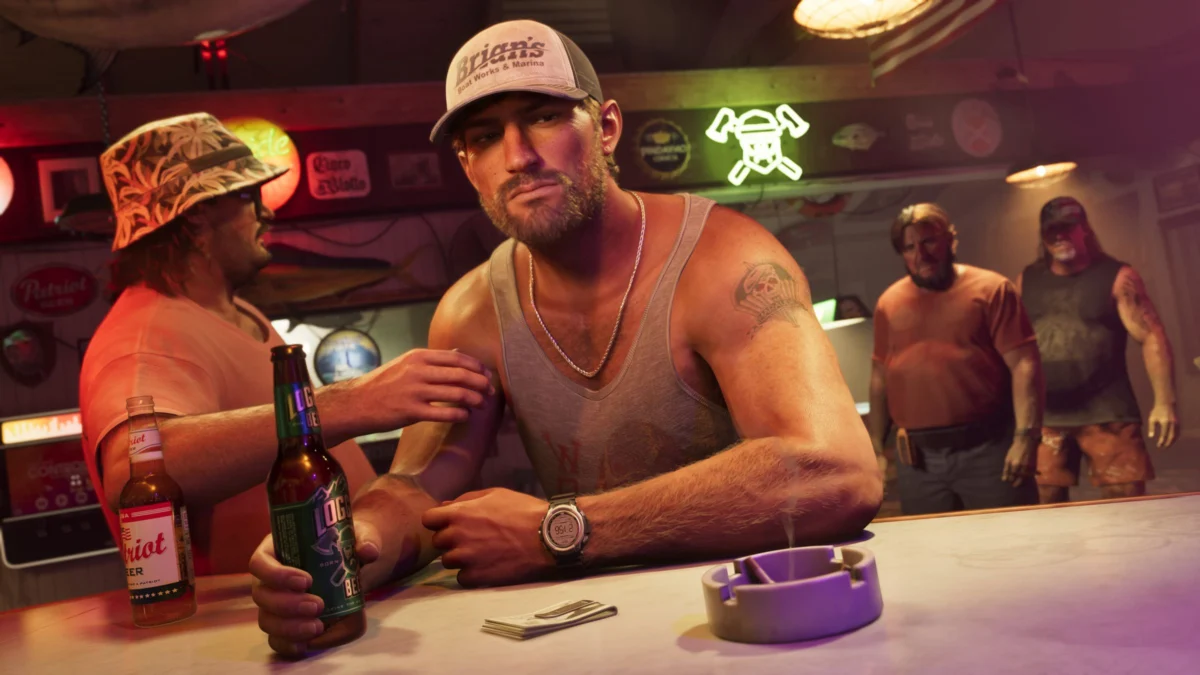
Further analytical gymnastics from online critics manifested in bizarre critiques of the male protagonist’s dialogue and mannerisms. Some users argued that Jason exhibited a "gay vibe" simply because he used the word "cocktails" or acknowledged sequins, asserting that the script must have been authored by a writer unfamiliar with male psychology. Other prominent gaming YouTubers voiced dismay over a scene depicting Jason shirtless, lamenting the supposed death of "edgy based masculine GTA games" and predicting an ideologically compromised experience.
Other detractors focused their attention on the physical characteristics of the game’s female lead, Lucia, with some posters baselessly speculating that her character model was altered due to corporate inclusivity initiatives, while others utilized artificial intelligence tools to alter promotional artwork to align with traditional beauty standards. These reactions underscore a broader anxiety regarding the diversification of character archetypes within AAA video game development.
A Timeline of Rockstar’s Shift and Fan Reaction
To understand the current friction, it is necessary to examine the chronological progression of Rockstar Games’ corporate and creative adjustments over the past decade:
- March 2019: Rockstar’s studio in Scotland shares a photograph of its female staff to commemorate International Women’s Day, an image that years later becomes a focal point for internet trolls blaming female developers for the perceived softening of the franchise.
- March 2022: Amid the release of the remastered version of Grand Theft Auto V, Rockstar quietly removes several non-playable characters and dialogue gags previously criticized as transphobic. This decision sparks initial friction within dedicated fan forums regarding corporate censorship.
- December 2023: Rockstar releases the historic first trailer for Grand Theft Auto VI, confirming Lucia as the series’ first mandatory female protagonist. Trolls immediately proliferate groundless conspiracy theories regarding the character’s gender identity and background.
- June 2024–August 2025: Various industry commentators, including former video game executives known for anti-diversity crusades, spark multi-day social media debates over the character designs and narrative direction of the upcoming title, with comment sections frequently devolving into explicit misogyny and racism.
- November 19, 2026: The scheduled global release date of Grand Theft Auto VI across current-generation consoles.
Despite the vociferous nature of these online campaigns, prominent streaming figures on the right, such as Zack Hoyt (Asmongold) and political commentator Nick Fuentes, have occasionally adopted a pragmatic wait-and-see approach, urging their audiences to exercise restraint and focus on actual gameplay rather than preemptive ideological warfare.
Commercial Realities and Economic Implications
While the cultural discourse online suggests a fractured consumer base, financial indicators paint a starkly different economic reality. Third-party data analytics firms tracking consumer behavior and pre-order metrics estimate that Rockstar Games has already secured approximately 5.28 million pre-orders for Grand Theft Auto VI, translating to upwards of half a billion dollars in gross revenue prior to launch.
Industry analysts project that Grand Theft Auto VI is likely the most expensive video game ever produced, with development and marketing budgets estimated to exceed one billion dollars. However, given the historic demand for the franchise, financial experts note that the publisher is poised to recoup its entire investment—potentially within the first twenty-four hours of commercial availability.
This stark disparity between vocal internet backlash and monumental commercial success highlights a persistent disconnect between niche online subcultures and the broader global consumer market. Historically, attempts to organize consumer boycotts against globally recognized entertainment blockbusters yield negligible impact on final sales figures. As Grand Theft Auto VI approaches its launch date and inevitably shatters industry revenue records, the cultural debate surrounding its narrative choices will likely subside, leaving reactionary commentators to search the horizon for their next ideological battleground while the mainstream public engages with the software on its own terms.