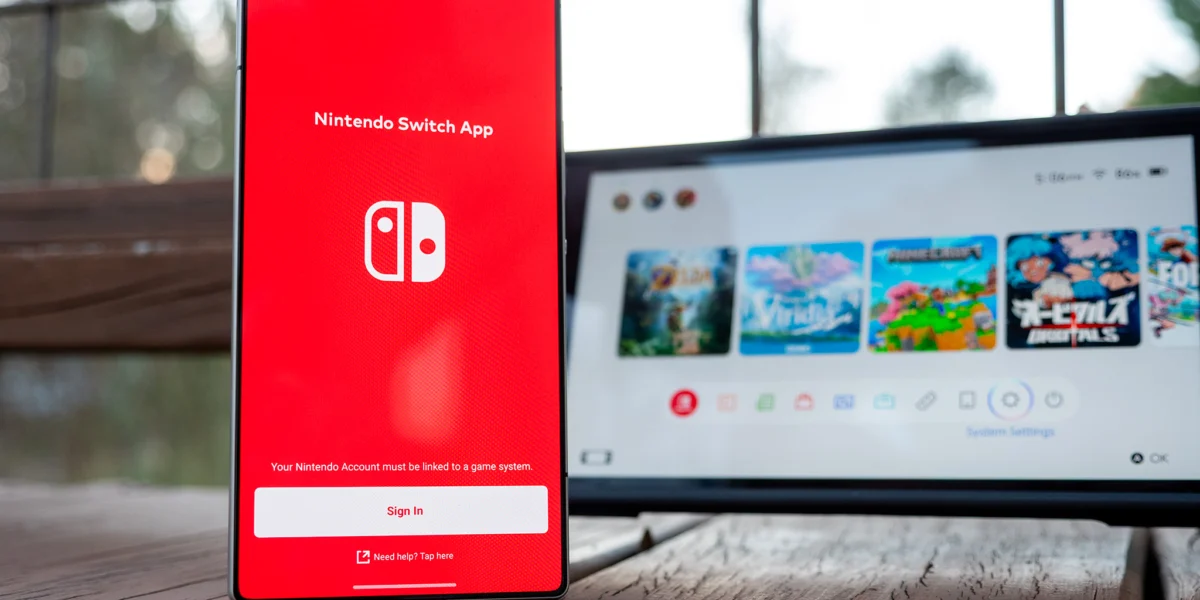
The Scope of the Authentication Transition
For millions of Nintendo Switch users, the integration of Google and Apple login services has long served as a convenience, allowing for rapid authentication across mobile devices. However, this convenience is being retired in favor of a more centralized and controlled security model. According to official documentation from Nintendo, the change is absolute: after the January 25 cutoff, the "Sign in with Google" and "Sign in with Apple" buttons will no longer be functional within the Nintendo Switch ecosystem.
This transition is not limited to just the Nintendo Switch smartphone application; it affects the overarching Nintendo Account infrastructure. Users who fail to decouple their third-party sign-in methods and register a standard Nintendo password or passkey prior to the deadline will face immediate access barriers. While Nintendo has noted that users who miss the transition window can regain access via the "Forgot Password" recovery flow on the primary Nintendo account portal, the company strongly advises proactive migration to avoid service disruption.
Chronology of the Security Shift
The move toward passkeys represents the latest step in a broader industry trend toward passwordless authentication. Passkeys, which utilize public-key cryptography to authenticate users via biometric data or device-specific PINs, are widely regarded as being significantly more resistant to phishing and credential-stuffing attacks than traditional password-based systems.
- Pre-2026: Nintendo continued to support OAuth-based third-party logins, prioritizing user accessibility and ease of account creation.
- Late 2026: Nintendo announces the formal deprecation of third-party login services, citing a need for enhanced security measures.
- January 25, 2027: The final date for users to update their account credentials and transition away from Google and Apple sign-in dependencies.
- January 26, 2027: Official enforcement begins; third-party login endpoints for Nintendo accounts are deactivated.
Contextualizing the Security Landscape
The timing of this decision coincides with a period of heightened scrutiny regarding the integrity of digital identities. Cybersecurity analysts have noted that the rise of sophisticated automated bots, often powered by advanced machine learning models, has rendered traditional third-party integration points vulnerable to high-velocity credential stuffing. In these attacks, malicious actors use leaked databases from unrelated breaches to automate login attempts across various platforms, exploiting the fact that many users recycle credentials across multiple services.

By forcing a migration to its own passkey-based system, Nintendo is effectively isolating its user database from the risks associated with external account compromises. If a user’s Google or Apple account were to be breached in the future, the Nintendo account—now secured by its own independent passkey—would remain insulated from that specific vector of compromise. This architecture allows Nintendo to maintain direct oversight of its authentication protocols, ensuring that it can implement security patches and multi-factor authentication (MFA) requirements without waiting for changes to third-party APIs.
Broader Implications for User Experience
The transition presents both a hurdle and an improvement for the average consumer. In the short term, the requirement to register a passkey or update login settings introduces a friction point for millions of users who have grown accustomed to the "one-click" login experience provided by Google and Apple. The risk of account lockout is non-trivial, particularly for casual users who may not be monitoring their email or the Nintendo support portal for updates regarding this policy change.
However, the long-term implications for account security are substantial. Passkeys are widely considered the gold standard for consumer security, as they eliminate the risk of password fatigue and the inherent dangers of password reuse. Furthermore, by moving away from third-party identity providers, Nintendo reduces its reliance on external corporate ecosystems, potentially shielding its user base from service-level outages or data policy changes enacted by Google or Apple that might otherwise impact access to the Nintendo Switch app.
Analysis of Technical Necessity
While Nintendo has not issued a detailed white paper on the specific vulnerabilities that prompted this change, industry experts suggest that the "control" factor is paramount. Integrating with large identity providers requires adherence to their evolving standards and exposes the platform to the risk of "API drift," where changes to Google’s or Apple’s developer requirements could inadvertently break access for millions of Nintendo users.
Furthermore, in an era of AI-driven cybersecurity threats, the ability to monitor and restrict login attempts is crucial. By centralizing authentication, Nintendo’s internal security teams can more effectively utilize threat-detection algorithms to identify and flag suspicious login patterns in real-time. The move is a classic example of "hard-shell" security, where the company opts to trade off the convenience of a federated identity model for the safety of a self-contained, highly secure system.

Steps for User Migration
Nintendo has provided a clear roadmap for users looking to secure their accounts. For those currently utilizing a Google or Apple account to sign in, the process is as follows:
- Log in to the Nintendo Account website: Users must sign in using their current third-party credentials.
- Access Security Settings: Navigate to the "Sign-in and security" section of the account profile.
- Update Credentials: Register a new, unique password and configure passkey authentication if the user’s device supports it.
- Verify Information: Ensure that the email address associated with the account is current and accessible, as this will serve as the primary recovery method once third-party links are severed.
The company emphasizes that this should be done as soon as possible. With the January deadline approaching, the surge in account management traffic could potentially lead to delays in verification emails or support responses.
Industry Reaction and Expert Perspective
The move by Nintendo is being viewed as a bellwether for the gaming industry. Other major publishers, who have historically relied on "Login with Facebook" or "Login with Google" to lower the barrier to entry, may soon face similar pressures. As the threat landscape shifts toward more automated, AI-assisted exploitation, the burden of security is increasingly falling back onto the platform holders.
"The decision to move away from third-party identity providers is a signal that the convenience of federated login is being outpaced by the necessity of total security control," noted one cybersecurity consultant specializing in digital platform infrastructure. "Nintendo is effectively saying that they no longer trust the security posture of the user’s peripheral accounts to be sufficient for their own ecosystem. It’s a bold move, but one that is likely to be replicated by other high-stakes digital platforms in the coming years."
Summary of Future-Proofing Efforts
As the gaming industry continues to evolve, the distinction between a "game console" and a "digital platform" has blurred. The Nintendo Switch app is not merely a tool for voice chat; it is a gateway to the Nintendo eShop, cloud saves, and online multiplayer services. Protecting this gateway is essential to maintaining the integrity of the user’s digital property.

By enforcing the adoption of passkeys, Nintendo is ensuring that the transition into its next generation of hardware and software services will be built upon a robust security foundation. While the current inconvenience of re-registering login credentials is an immediate concern, the shift is ultimately designed to prevent unauthorized access and ensure that the Nintendo ecosystem remains a safe environment for both children and adults.
For the end user, the directive is simple: prioritize the migration of your Nintendo account credentials. By decoupling your account from Google and Apple before January 26, 2027, you ensure continuous access to your library, your cloud data, and your social circles within the Nintendo network. This transition marks the end of an era of social-login convenience, but it heralds a more secure future for the millions of players who depend on the Nintendo Switch for their entertainment and community engagement.