Google has initiated a comprehensive software rollout for its Google Home ecosystem, addressing long-standing technical grievances for Nest Cam users while simultaneously deepening the integration of its Gemini artificial intelligence across smart home interfaces. This update represents a significant step in Google’s ongoing strategy to transition its home automation infrastructure from a reactive, command-based platform to a proactive, conversational AI-driven environment. The update includes a mix of critical maintenance, such as the resolution of the persistent "Live View" errors on older Nest hardware, and forward-looking feature additions like enhanced Model Context Protocol (MCP) support.
The Gemini Integration: From Commands to Conversations
The most significant aspect of the latest update centers on the continued expansion of Gemini’s role within the smart home. Google has been systematically replacing the legacy Google Assistant architecture with Gemini, a shift that promises more natural language processing and complex reasoning capabilities.
Users enrolled in the early access program for Gemini will benefit from several performance optimizations. Among these are faster execution times for routine tasks, such as setting timers or broadcasting messages between speakers. More importantly, the update focuses on "conversational voice feedback," aiming to reduce the robotic, repetitive nature of smart speaker responses. By leveraging Gemini’s Large Language Model (LLM) capabilities, the system can now better interpret the intent behind a user’s query, providing more context-aware responses rather than strictly following rigid command strings.
Perhaps the most visually impactful change is the update to Nest Hub smart displays. Historically, smart displays were limited in how they could present information derived from voice queries. With this update, Google has implemented a "Visual Answers" feature. When a user asks a query, the Nest Hub will now dynamically pull and display relevant images alongside the text-based response. This functionality is intended to allow users to digest complex information at a glance, transforming the Nest Hub from a simple speaker with a screen into a more robust information hub.
Addressing the Nest Cam Live View Crisis
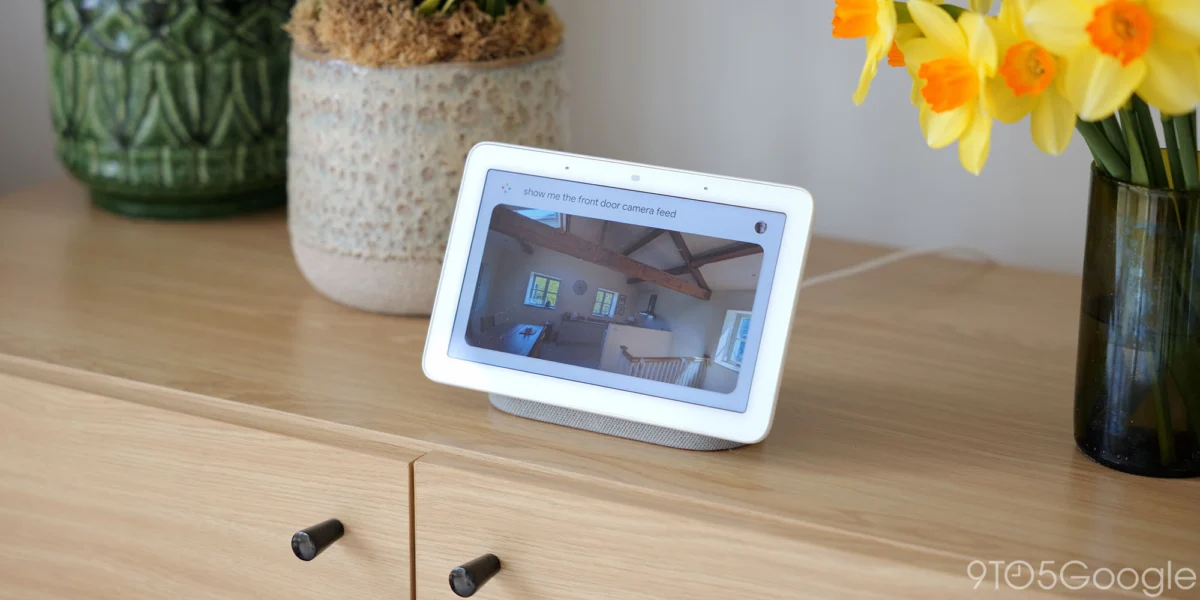
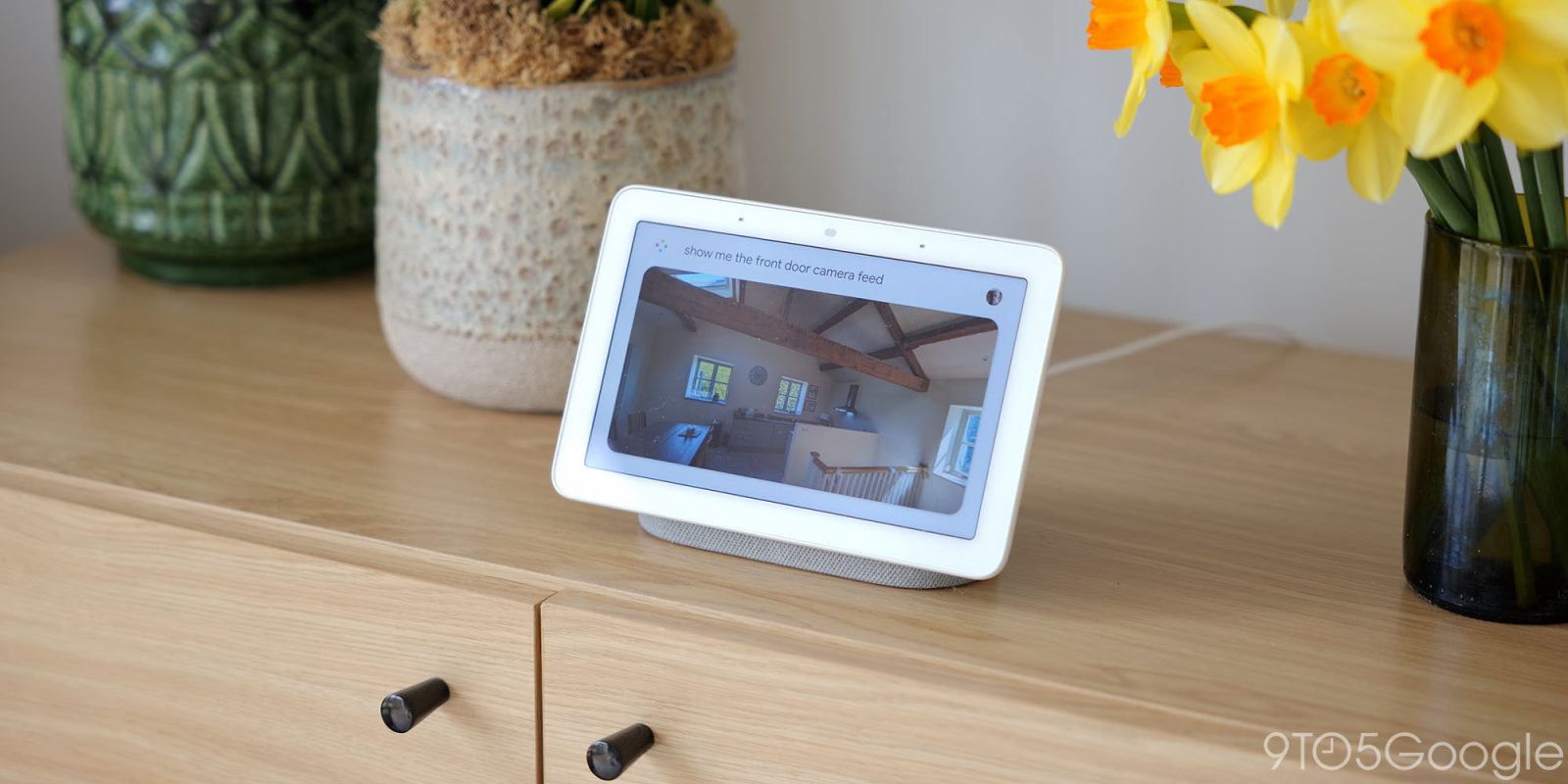
For many users, the headline of this update is the technical resolution of the "Live View" failure that has plagued specific legacy Nest devices for months. Since late 2024, numerous users—particularly those utilizing the first-generation Nest Hello video doorbell—reported that the "Live View" functionality, which allows for real-time streaming of camera footage, had become inaccessible. This issue effectively rendered the primary utility of these security devices void.
The frustration surrounding this bug was compounded by the transition period between the legacy Nest app and the newer Google Home application. Many users found themselves caught in a migration limbo where they could not access their devices in either interface. With this update, Google has not only deployed a server-side or firmware-level fix to restore the streaming functionality but has also introduced a quality-of-life improvement for those struggling with unmigrated devices. Users can now remove an unmigrated Nest Hello from the Google Home app, even if the device appears as offline. This is a crucial administrative fix for users who have replaced faulty or legacy units but were previously unable to prune their digital device inventory.
New Administrative Controls and Ecosystem Expansion
The Google Home app itself is undergoing a structural refinement. Within the settings menu, Google is introducing a dedicated "Google Home Premium" page. While specific subscription pricing and feature tiers are still being finalized in certain markets, this indicates a clear pivot toward a tiered monetization strategy for home automation services. This could potentially include advanced analytics, extended cloud storage for camera history, or premium AI features that move beyond basic smart home management.
For multi-device households, the update introduces an "Eco Mode Everywhere" toggle. This feature allows users to synchronize energy-saving settings across all connected Nest Thermostats simultaneously. By unifying the temperature management of a residence, Google is attempting to lower the friction associated with home energy efficiency, a move that aligns with broader environmental sustainability initiatives.
Furthermore, Google is expanding the integration of Google Wallet with home security. Compatible smart locks will now support Home keys in Google Wallet. This move standardizes the process of granting digital access to guests or family members, moving away from proprietary app-based access codes toward a more unified, secure credential system managed through the user’s primary digital wallet.
Expanding the Agentic Framework: MCP and Device Compatibility
Beyond consumer-facing features, the update significantly expands the reach of the Model Context Protocol (MCP). MCP is an open standard that allows AI agents to interface securely with local and remote data sources. In the context of the Google Home ecosystem, this means that Gemini can now act as a more capable "agent" with granular control over a wider array of hardware.
The list of supported devices for these agentic controls has grown to include:
- Climate Control: Advanced settings for thermostats and air purifiers.
- Home Comfort: Direct control over fans and lighting effects.
- Safety: Real-time status checks for smoke and carbon monoxide alarms.
- Lifestyle: Integration with robot vacuums, kitchen appliances, and electric vehicle (EV) chargers.
This transition toward "agentic" smart home management means that the AI is no longer just a listener; it is becoming an executor. Instead of needing to navigate through specific sub-menus to adjust an EV charger or check a smoke detector, users can delegate these tasks to the AI, which can now perform status checks and adjust settings across these disparate categories.
Chronology of Google’s Smart Home Evolution
To understand the weight of these updates, it is necessary to view them within the timeline of Google’s smart home strategy.

- 2016–2018: The era of rapid hardware expansion, marked by the launch of the Google Home speaker and the acquisition of Nest.
- 2019–2021: The transition period, where Google began forcing the migration of Nest accounts into Google accounts, creating significant user friction and early reports of software instability.
- 2022–2023: The "Platformization" phase, where Google began prioritizing the Google Home app as the central hub for all Matter-compatible devices, often at the expense of legacy app support.
- 2024–2025: The "AI-First" pivot. The integration of Gemini across all touchpoints, moving away from the "Google Assistant" model that characterized the previous decade.
The current update is a reaction to the technical debt accumulated during the 2021–2023 transition years. By finally addressing the legacy camera issues while simultaneously pushing the Gemini AI agenda, Google is attempting to balance the maintenance of its legacy user base with the requirement to remain competitive in the AI-saturated market.
Broader Implications and Industry Analysis
The implications of this update are two-fold. First, it signifies that Google is settling into a "maintenance-as-a-service" model. By introducing a "Google Home Premium" section, Google is signaling to investors and users alike that the ecosystem is shifting toward recurring revenue streams, rather than relying solely on hardware sales. This is a common trajectory for tech giants—moving from the point of sale to the point of service.
Second, the expansion of MCP for smart home devices suggests that Google is attempting to solve the fragmentation problem that has plagued the smart home industry for years. By creating a standardized protocol for AI agents to interact with devices ranging from kitchen appliances to smoke alarms, Google is creating a "walled garden" that is, paradoxically, more open to third-party integrations, provided they adhere to the MCP standard.
The "Visual Answers" update for Nest Hubs also reveals a shift in hardware utility. As screen-based AI assistants become more prevalent, the value proposition of a smart display is shifting from "voice control" to "visual verification." If an AI can accurately provide a visual confirmation of a status (such as showing the current cleaning map of a robot vacuum or the air quality levels on a graph), the user experience becomes significantly more intuitive.
Conclusion
The current Google Home update is a critical juncture for the platform. By fixing long-standing issues with Nest Cam "Live View," Google has mitigated the immediate risk of user churn among its most loyal, long-term hardware owners. Concurrently, by pushing forward with Gemini-driven features, Visual Answers, and MCP integration, the company is betting that the future of home automation lies in intelligent, agentic systems that can anticipate user needs. While the success of these features will depend on the stability of the rollout, the direction is clear: the home of the future will be less about manual input and more about intelligent, contextualized interaction. As the industry watches, the efficacy of this AI-first approach will likely determine whether Google can successfully fend off increasing competition from ecosystem-integrated rivals in the smart home space.