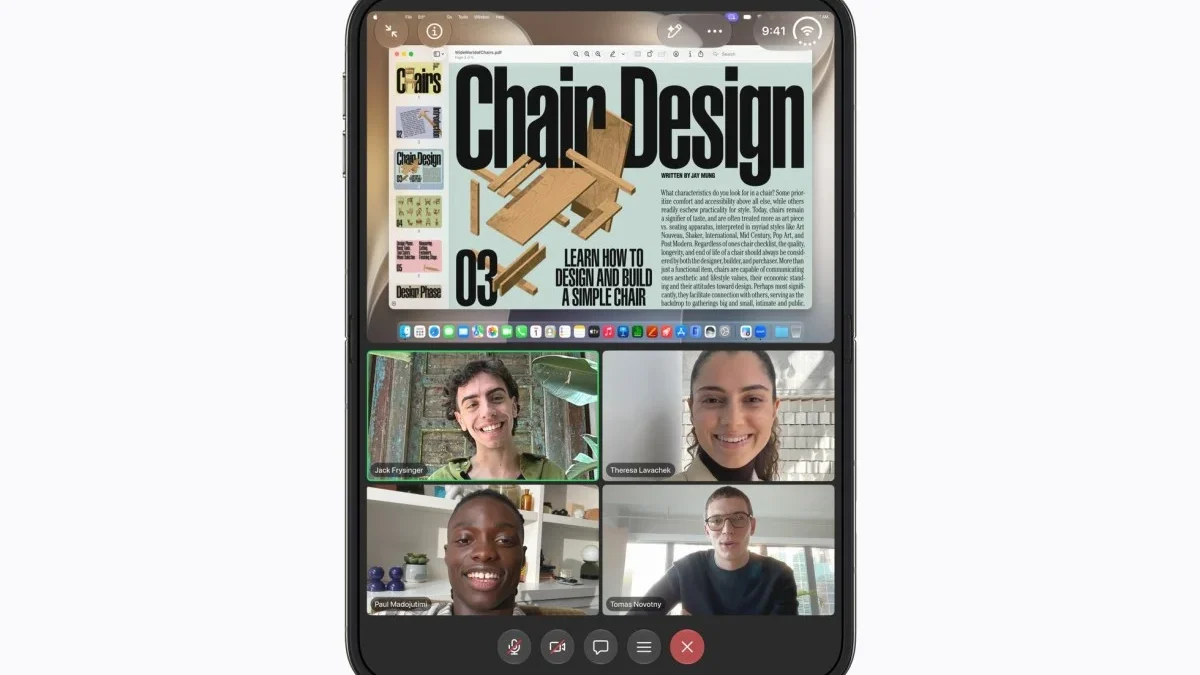
While the current foldable smartphone market is firmly established with devices like the Samsung Galaxy Z Fold8 and the Apple iPhone Duo, recent industry reports suggest that both technology giants are looking to push the physical boundaries of the form factor. According to emerging rumors originating from supply chain observers on social media platform X, both Samsung Electronics and Apple are in the preliminary stages of engineering "Plus" iterations of their existing wide-folding flagship devices. These rumored handsets, which could potentially arrive as early as 2027, represent a strategic shift toward larger display real estate for mobile productivity and multimedia consumption.
The Evolution of the Foldable Form Factor
To understand the significance of these rumors, one must examine the current trajectory of the foldable market. Since the introduction of the first-generation Galaxy Fold, Samsung has focused on refining the hinge mechanism, durability, and internal display integration. The Galaxy Z Fold8, the latest iteration in this lineage, features a refined wide-aspect ratio that addresses long-standing complaints regarding the narrow, "candy-bar" style cover screens of earlier models.
Apple’s entry into the space with the iPhone Duo signaled a maturation of the foldable segment, as the Cupertino-based company brought its proprietary iOS ecosystem to a device that could bridge the gap between a standard smartphone and a compact tablet. By adopting a wide-format approach, Apple challenged the vertical-oriented design language that dominated the first five years of foldable development.
If these new rumors hold merit, the industry is preparing for a "size war." A transition toward larger foldable displays suggests that manufacturers believe the next frontier for mobile growth is not just in the folding technology itself, but in the total display surface area available to the user.

Strategic Implications of Supply Chain Synergy
The potential for both companies to release larger foldable devices simultaneously points to an underlying reality of the display industry: shared infrastructure. Samsung Display, a subsidiary of the Samsung Group, remains the global leader in the production of high-end flexible OLED panels. Historically, Samsung Display has acted as a primary supplier for Apple’s iPhone lineup.
Industry analysts suggest that if Samsung Display successfully engineers a larger, more resilient wide-folding panel, it is economically logical to provide that technology to other major original equipment manufacturers (OEMs), including Apple. This symbiotic relationship allows Samsung to subsidize the high research and development costs associated with next-generation display technology while enabling Apple to secure the volume of high-quality components necessary for a global launch. Consequently, a move by Samsung to increase the screen size of its own foldable line almost inevitably signals that the necessary panel technology will be available to its competitors, including Apple.
Technical Challenges and Ergonomic Hurdles
While the prospect of a larger foldable device is appealing for power users, it introduces significant ergonomic and engineering challenges. The current design of the Galaxy Z Fold8 and the iPhone Duo already stretches the limits of one-handed usability. The width of the cover display is a critical factor in user comfort. If manufacturers opt to increase the overall footprint of the device while maintaining the current wide-aspect ratio, the resulting cover screen could become difficult to grip and manipulate with a single hand.
Furthermore, increasing the surface area of a foldable display increases the mechanical stress placed on the hinge and the flexible glass layer during every opening and closing cycle. As screens grow, the "crease"—the visible line where the display bends—becomes more difficult to mask. Achieving a larger, truly flat display surface without compromising structural integrity will require significant breakthroughs in thin-glass technology and hinge friction management. These challenges underscore why a 2027 timeline is considered realistic by industry insiders; it provides sufficient time for material science to catch up with the conceptual designs currently circulating in R&D labs.
Chronology of Market Developments
The foldable market has matured rapidly over the last several years. The following timeline highlights the critical shifts that have led to the current rumors:

- 2019-2021 (The Experimental Phase): Samsung launches the Galaxy Fold series, establishing the category. Early devices struggle with screen durability and narrow aspect ratios.
- 2022-2024 (The Refinement Phase): Competitors enter the market. Samsung transitions to the wide-aspect ratio seen in the Z Fold series, and Apple enters the market with the iPhone Duo, validating the foldable segment for the premium consumer.
- 2025-2026 (The Current Status): Brands focus on hinge slimness and "crease-less" display technology. Market penetration remains concentrated in the ultra-premium tier.
- 2027 (The Projected Growth Phase): Expected release of "Plus" or "Ultra" foldable models, focusing on maximum display real estate to replace traditional tablets.
Analysis of Consumer Demand
Market data suggests that while foldables remain a niche segment compared to standard smartphones, the attach rate among enterprise users and creative professionals is increasing. These users are demanding larger canvases for multitasking, document editing, and digital sketching. The current wide-format foldables are successful because they mimic a small notebook; a "Plus" version would arguably mimic a full-sized tablet.
However, price remains a barrier. The current pricing for a 512GB Galaxy Z Fold8 or an iPhone Duo frequently exceeds $1,500-$2,000, limiting the addressable market. A larger device would likely command an even higher price point, potentially moving the device out of the "consumer electronics" category and into the "professional workstation" category.
Official Responses and Market Skepticism
It is important to note that both Samsung and Apple have maintained a policy of silence regarding unannounced hardware projects. The information regarding these larger foldable devices originates from supply chain leaks and third-party analysts.
Skeptics point out that such leaks often serve as "trial balloons" to gauge consumer interest or as misdirection within the supply chain. In the past, rumors regarding a "foldable iPad" or a "tri-fold Samsung" have surfaced frequently, only to be delayed or cancelled as the manufacturers pivoted their R&D focus. Investors should view these reports as speculative until such time as component orders are confirmed by verified suppliers or official product announcements are made at major industry trade shows.
Future Outlook and Industry Impact
If these rumors materialize into retail products, the impact on the smartphone industry will be profound. A successful launch of "Plus" foldables would effectively end the tablet market as a separate category, as the foldable device would render the standalone tablet redundant for most users.

Furthermore, the pressure on software developers will be immense. To justify a larger foldable, the operating systems—Android for Samsung and iOS for Apple—will need to evolve to take advantage of the additional screen space. We can expect to see deeper integration of multi-window workflows, drag-and-drop capabilities, and specialized UI elements that remain hidden on smaller screens.
In conclusion, while the report of larger wide-format foldables from Samsung and Apple remains unconfirmed, it aligns perfectly with the historical trends of the mobile industry. As hardware margins on standard smartphones continue to compress, the shift toward higher-value, larger-format devices is a logical progression. Whether these devices arrive in 2027 as predicted or face the common delays of experimental technology, the industry is clearly moving toward a future where the line between a smartphone and a portable computer is effectively erased. Industry observers will be watching the supply chain closely over the coming eighteen months for signs of mass-production orders that would confirm the existence of these ambitious new platforms.