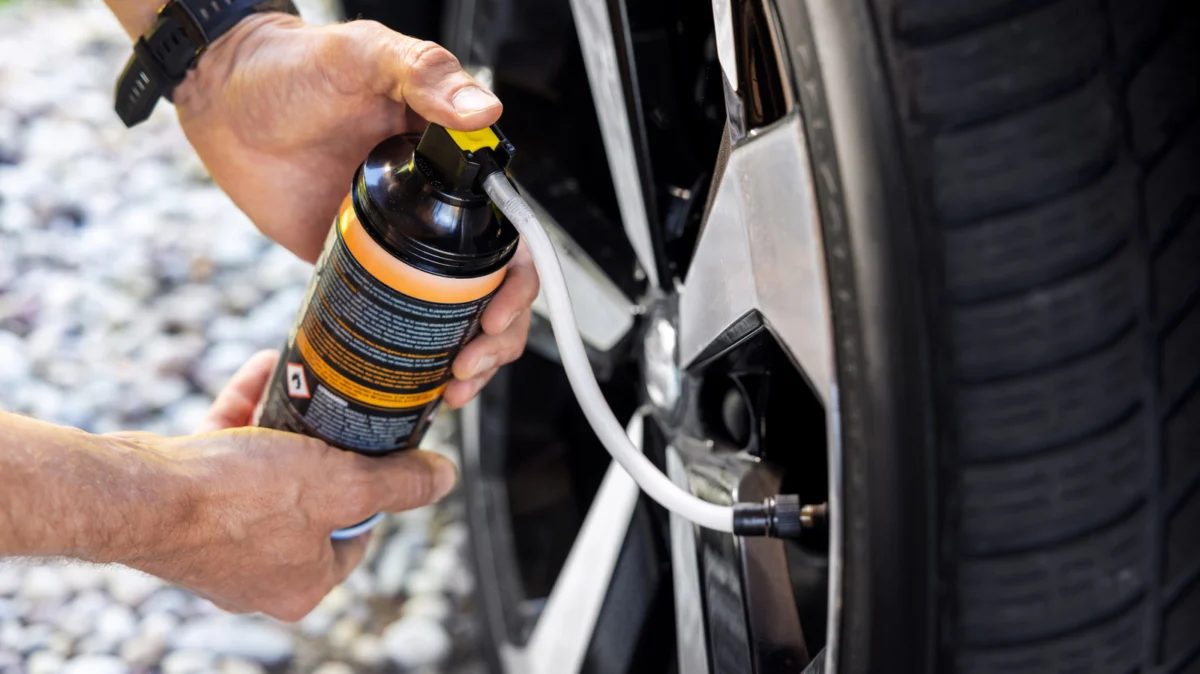
Handling a flat tire remains one of the most common and frustrating mechanical issues for modern motorists. While the instinctual reaction is to reach for a quick-fix solution, such as an aerosol tire sealant, the long-term mechanical implications of these products are often overlooked. Tire sealant, a specialized liquid composite usually comprised of polymers, fibers, adhesives, or latex, is engineered to provide a temporary, pressurized seal for minor punctures. However, automotive industry experts and professional tire technicians frequently caution that these "emergency" solutions can evolve from a temporary aid into a costly, complex mechanical problem.
The Evolution of Emergency Tire Repair
The history of tire sealants dates back several decades, initially gaining popularity in the bicycle and off-road vehicle sectors where standard rim-and-tire configurations were susceptible to frequent, small-scale punctures. As vehicle manufacturing evolved, so did the tire repair market. Today, manufacturers like Slime, Fix-A-Flat, and various proprietary OEM roadside assistance kits market these fluids as the ultimate convenience.
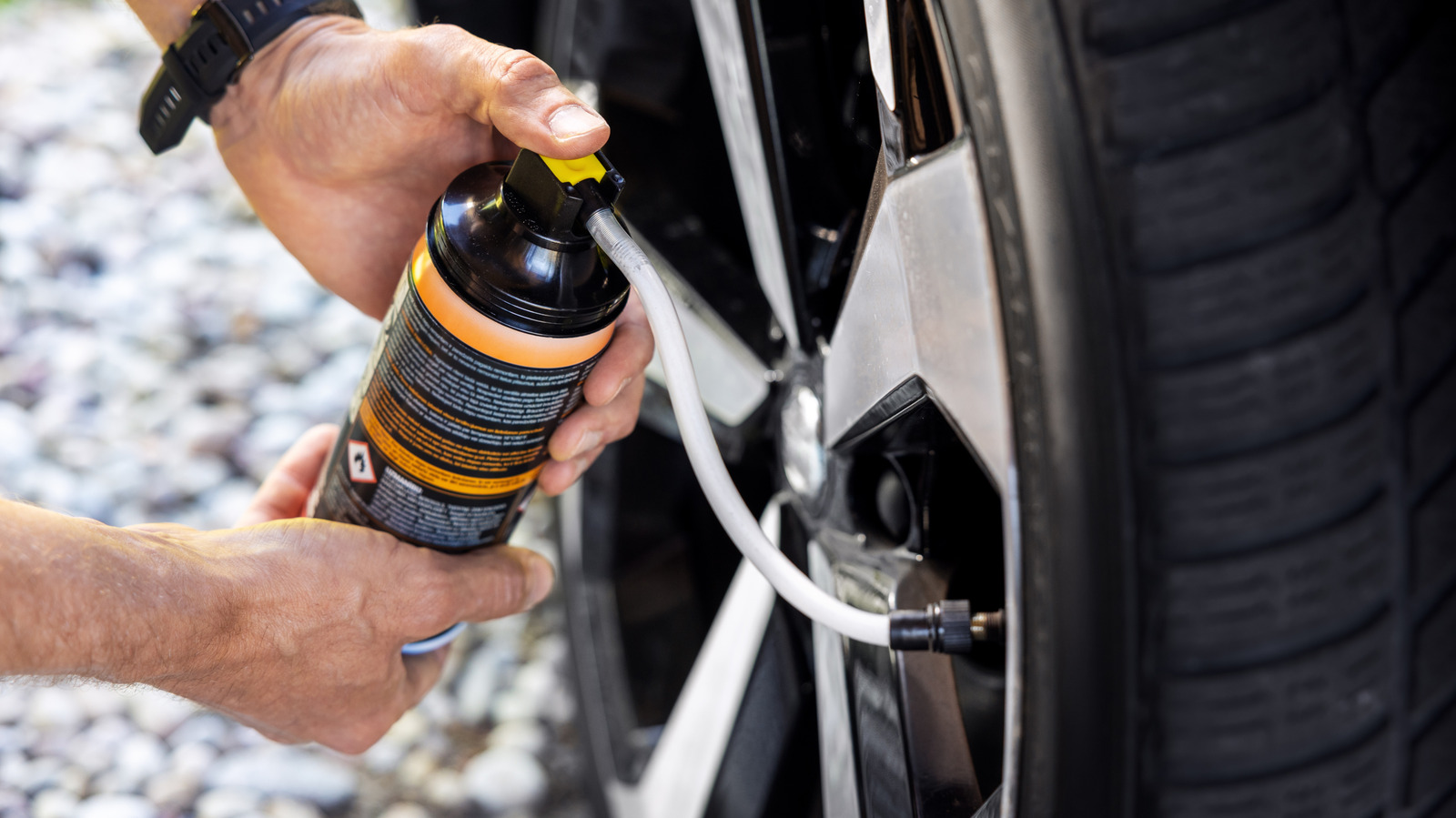
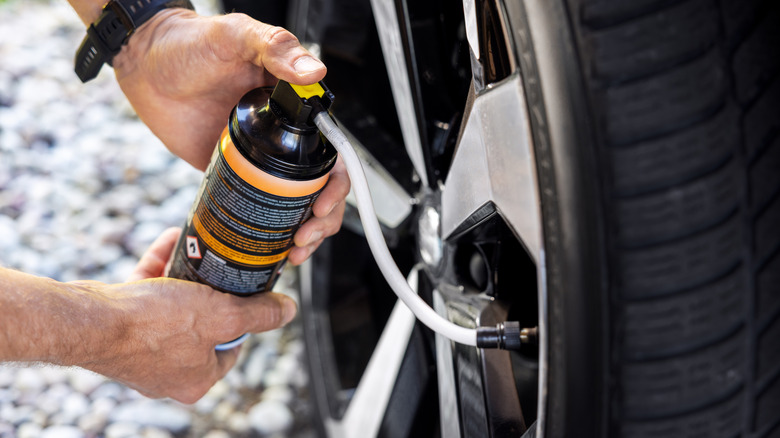
The operational principle is straightforward: the sealant is injected through the valve stem, coating the interior of the tire. As the wheel rotates, centrifugal force distributes the liquid. When the substance encounters a puncture—a small hole caused by a nail or screw—the escaping air pressure forces the sealant into the gap, where it coagulates to form a plug. While effective for getting a vehicle to the next exit, the practice is increasingly viewed by tire shops as a significant impediment to proper, long-term maintenance.
The Fallacy of the Permanent Fix
A primary misconception surrounding tire sealants is their durability. Many consumers operate under the assumption that if the sealant holds the air pressure, the problem is resolved. However, the industry consensus is that these products are strictly temporary. According to guidelines provided by major sealant brands, the "repair" is intended to facilitate a journey of no more than 100 miles or a duration of three days.
This timeline is critical. Beyond this window, the physical properties of the sealant—specifically its viscosity and chemical stability—begin to degrade. For standard automotive tires, the internal environment is high-heat and high-friction. Once the sealant begins to break down, the structural integrity of the temporary plug is compromised, frequently leading to a recurrence of the leak. Furthermore, marketing terminology often causes confusion; products intended for slow-moving, non-highway equipment, such as tractors or lawnmowers, are occasionally marketed with "long-lasting" claims that consumers erroneously apply to passenger vehicles traveling at highway speeds.
The Hidden Costs of Cleanup
When a vehicle arrives at a tire center with a "sealed" tire, the repair process changes drastically. Standard tire repair involves a "plug and patch" method from the inside out, which requires a clean surface. Tire sealant creates a pervasive, sticky residue that coats the inner liner and the bead of the rim.
Professional technicians frequently report that removing this material is a labor-intensive, time-consuming process. While manufacturers argue that their formulas are water-soluble, the reality on the shop floor is often different. Once the sealant has been subjected to heat cycles inside the tire, it can become tacky or, conversely, harden into a difficult-to-remove mass. Some service centers have implemented "sealant cleaning fees" to account for the extra labor, while others maintain a policy of refusing to patch tires treated with sealant entirely, citing liability concerns. In these instances, the consumer is forced to purchase a brand-new tire, rendering the cost of the sealant and the subsequent service call a total loss.
TPMS Sensor Vulnerabilities
Perhaps the most technically significant drawback of tire sealant is the potential for damage to the Tire Pressure Monitoring System (TPMS). Modern vehicles are equipped with sophisticated electronic sensors mounted on the inside of the rim, directly in the path of any liquid injected into the tire.
These sensors rely on a tiny, pinpoint-sized pressure port to measure internal PSI. Industry leaders, including sensor manufacturer NGK, have repeatedly cautioned against the introduction of foreign substances into the tire cavity. The sealant’s primary function is to plug holes; it does not distinguish between a puncture in the tread and the intake port of a TPMS sensor. Once the sealant clogs this port, the sensor often ceases to function, triggering a dashboard warning light that cannot be reset without replacing the sensor. With the average cost of TPMS sensor replacement ranging between $300 and $400, the use of a $15 can of sealant can result in a significant, unforeseen financial burden. While some products are labeled "TPMS safe," technicians note that this generally refers to the chemical composition not corroding the plastic housing, rather than an immunity to clogging.
Mechanical Imbalance and Vibrations
The physics of a rotating wheel requires precise balancing to ensure a smooth ride and prevent uneven wear on suspension components. Tire sealant is a fluid, and when a vehicle is parked, that fluid settles to the bottom of the tire. If the sealant does not redistribute evenly once the vehicle resumes movement, it creates an area of concentrated mass.
This imbalance manifests as a rhythmic vibration or "wobble," particularly noticeable at highway speeds. Persistent vibration is not merely a comfort issue; it accelerates the wear on wheel bearings, tie rods, and shock absorbers. In cases where the sealant has been left in the tire for an extended period, it may begin to cure or solidify unevenly, creating a permanent imbalance that no traditional wheel weight calibration can correct.
Chemical Corrosion and Material Degradation
Beyond the mechanical issues, there are legitimate concerns regarding the chemical impact of sealants on tire and wheel components. Many sealants utilize ammonia as a stabilizer, which is highly alkaline. When this substance comes into contact with the aluminum alloy wheels common on modern vehicles, it can cause pitting, surface oxidation, and corrosion.
Furthermore, the internal components of a tire—the steel belts and rubber plies—are sensitive to chemical exposure. Glycol-based sealants, if left in contact with the inner liner for extended periods, can lead to the oxidation of the steel belts. This process, while slow, can undermine the structural integrity of the tire carcass, leading to potential sidewall failure. Additionally, premium "acoustic" tires, which feature a layer of sound-dampening foam on the interior, are rendered permanently useless by tire sealant. The foam acts as a sponge, absorbing the liquid and effectively destroying the tire’s noise-cancellation properties.
The Professional Verdict
The consensus among automotive professionals is clear: tire sealant should be reserved exclusively for genuine emergency scenarios where no other option exists. In the event of a flat, the preferred course of action remains the use of a spare tire, or, if a spare is unavailable, contacting a roadside assistance service to transport the vehicle to a professional facility.
While the convenience of a "get-home" repair is undeniable, the long-term impact on the wheel, the tire’s internal structure, and the vehicle’s sophisticated sensor arrays suggests that the "quick fix" is often a false economy. As vehicles continue to integrate more complex electronic safety systems, the compatibility of chemical additives like tire sealants will likely remain a contentious issue. Motorists are advised to prioritize traditional, manual repairs or professional service to ensure both the safety of the vehicle and the longevity of their tires.