
Digital marketing professionals managing campaigns on Meta’s ecosystem frequently encounter a frustrating operational roadblock: logging into Facebook Ads Manager to discover that active advertisements are failing to deliver. This phenomenon, officially classified as a "Not delivering" status within the platform’s Ads Manager interface, means that the campaign is generating zero impressions and failing to reach the designated target audience. Whether impacting newly launched creatives or established campaigns that previously performed well, delivery halts can severely disrupt marketing momentum, strain promotional budgets, and delay critical business objectives.
Understanding the mechanics behind these delivery disruptions requires examining Meta’s complex ad-serving infrastructure, automated compliance checks, and algorithmic auction dynamics. When technical glitches prevent an ad from entering the distribution pipeline, the platform typically flags the campaign with an "Update required" sub-status. However, the root causes extend far beyond simple technical errors, encompassing policy compliance, budgetary constraints, audience saturation, and algorithmic optimization hurdles. Industry analysts note that identifying these issues swiftly is vital for maintaining return on ad spend (ROAS) in an increasingly competitive digital marketplace where millions of businesses vie for consumer attention daily.

Understanding the Mechanics of Ad Delivery Halts
To diagnose a delivery failure, media buyers must first navigate to the Ads Manager dashboard and inspect the "Delivery" column. A status indicating that an ad is not delivering signifies that the ad set parameters, funding, or creative assets are currently misaligned with Meta’s ad-serving requirements. According to platform data, delivery issues generally fall into two broad categories: administrative blocks (such as rejections or account spending caps) and algorithmic bottlenecks (such as overly restrictive bidding, narrow audience targeting, or poor engagement metrics).
The implications of these halts can be severe for small and medium-sized enterprises (SMEs) as well as enterprise-level brands. A sudden stoppage in ad delivery disrupts customer acquisition funnels, skews attribution data, and wastes valuable campaign timelines, particularly during high-stakes retail periods such as Black Friday, Cyber Monday, or end-of-year holiday shopping seasons. Consequently, digital advertising teams must systematically audit their accounts to isolate and rectify the underlying causes of delivery failures.
Administrative and Compliance Barriers to Ad Delivery
One of the most frequent catalysts for halted ad delivery involves administrative triggers, compliance reviews, and account-level restrictions imposed by Meta’s automated governance systems.
1. Ongoing or Failed Ad Reviews
Every advertisement submitted to the Meta platform undergoes a rigorous review process before it can be served to users. This evaluation is conducted primarily by automated systems, supplemented by manual reviews performed by human support staff when flagged for potential violations. While official platform guidelines state that the majority of advertisements are reviewed within 24 hours, peak advertising windows and complex policy categories frequently extend this timeframe.
To mitigate delivery delays caused by review backlogs, media planners are advised to schedule campaigns several days in advance, incorporating a buffer period for potential manual approvals. Furthermore, making edits to scheduled or active campaigns—such as altering creative assets, modifying destination URLs, or adjusting targeting parameters—will automatically trigger a fresh review cycle, temporarily pausing delivery.
2. Ad Rejections and Policy Violations
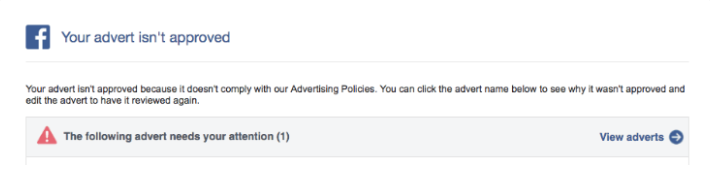
When an ad violates Meta’s advertising policies, it is formally rejected, resulting in an immediate cessation of delivery. Rejections are typically communicated via email and indicated within the Ads Manager interface. Common triggers include prohibited content, misleading claims, sensationalized language, or the use of profanity. Crucially, Meta’s automated compliance checks extend beyond the ad creative to evaluate the post-click landing page. If the destination URL features broken links, mismatched products, or misleading headlines, the entire campaign can be penalized.
Advertisers facing rejections have two primary recourses: modifying the offending elements to comply with terms of service or submitting a formal appeal through the Account Quality dashboard if they believe the rejection was erroneous. Additionally, campaigns falling under special ad categories—such as housing, employment, or social issues—face mandatory targeting limitations regarding age, gender, and postal code, requiring strict adherence during setup to prevent distribution penalties.
3. Account Spending Limits Reached
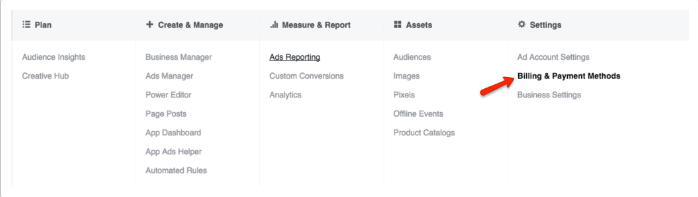
A frequent oversight among digital marketers is the exhaustion of pre-configured account spending limits. This administrative threshold caps the total cumulative expenditure across all campaigns associated with a specific ad account. Once this financial ceiling is reached, Meta halts all active ad delivery regardless of individual campaign budgets. Resolving this requires marketing managers to navigate to the Billing and Payment Methods section within Ads Manager to increase, reset, or completely remove the account spending threshold.
Algorithmic, Budgetary, and Targeting Impediments
Beyond direct policy violations and administrative caps, many delivery failures stem from how Meta’s machine learning algorithms interpret budget allocations, audience parameters, and user engagement signals.

4. Restrictive Budgets and Bid Caps
Meta’s ad-serving algorithm relies on a continuous stream of financial and behavioral data to optimize delivery. When daily budgets or bid caps are set artificially low—such as allocating a nominal daily spend or enforcing an overly restrictive bid limit—the algorithm lacks the financial leverage necessary to participate effectively in real-time ad auctions. Without sufficient budgetary momentum, the system cannot gather statistically significant performance data, prompting it to suspend delivery entirely to preserve capital. Media experts recommend utilizing lifetime budgets or adopting automated, lowest-cost bidding strategies during the initial learning phase to give algorithms the flexibility needed to secure impressions efficiently.
5. Overly Narrow Audience Targeting
While precise audience segmentation is a cornerstone of effective digital marketing, hyper-restrictive parameters can inadvertently stall campaigns. Meta’s delivery architecture generally requires an estimated audience size of at least 1,000 active users within a given target set to function optimally. If custom audience lists underperform or demographic filters exclude too many potential viewers, the system cannot scale delivery. Expanding geographical boundaries, broadening age ranges, or enabling Advantage+ audience expansion features helps restore the necessary scale for algorithmic distribution.
6. High Auction Overlap
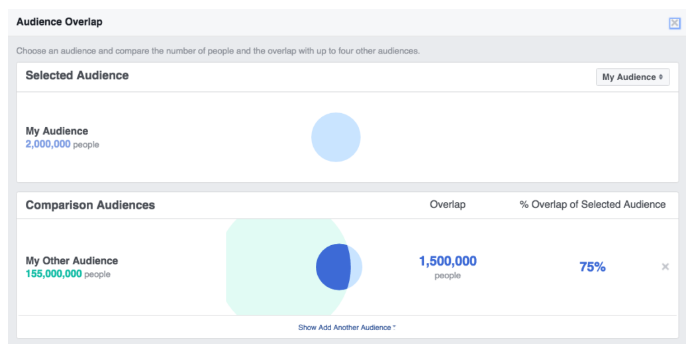
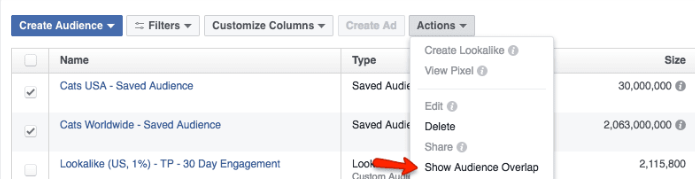
When an advertiser runs multiple ad sets targeting similar or identical demographic segments, those campaigns frequently end up competing against one another within the real-time ad auction—a phenomenon known as auction overlap. To prevent internal competition from artificially inflating costs, Meta’s delivery system automatically prioritizes the ad set with the highest total value while pausing underperforming counterparts. Marketers can diagnose this issue using the native Audience Overlap tool within the Audiences tab of Ads Manager. If high overlap percentages are detected, consolidating ad sets or redefining audience parameters is essential to restore balanced delivery.
Engagement, Scheduling, and Optimization Challenges
The final category of delivery hurdles relates to how target audiences interact with the advertisements and how campaigns are technically structured.
7. Low Ad Engagement and Relevance Diagnostics
Meta’s core economic model prioritizes user experience, meaning the platform favors ads that generate positive user engagement. Through ad relevance diagnostics—which measure quality ranking, engagement rate ranking, and conversion rate ranking—the system continuously evaluates how users respond to specific creatives. Ads that consistently underperform relative to competitors receive lower distribution priority. To combat this, marketing teams must periodically refresh creative assets, refine copywriting, and ensure that post-click landing pages deliver high value to incoming traffic. Industry insights indicate that lifting an ad’s ranking from "low" to "average" yields a substantially greater improvement in delivery than moving from "average" to "above average."
8. Scheduling Errors and Campaign Expirations
Human error regarding campaign calendars remains a persistent cause of unexecuted ad delivery. Campaigns configured with expired end dates, paused ad sets, or future launch dates will fail to generate impressions until the scheduling parameters are actively corrected within Ads Manager. Ensuring that start and end dates accurately reflect the intended flight dates eliminates this straightforward operational barrier.
9. Misaligned Optimization Goals
The optimization goal selected during campaign creation instructs Meta’s algorithm on the exact consumer action to prioritize. While optimizing for hard conversions (such as completed purchases or high-value sign-ups) is standard practice, selecting a conversion event that the audience is not yet generating in sufficient volume can stall delivery. If conversion data is scarce, the algorithm cannot identify prospective buyers. To resolve this, marketers often shift the optimization goal to an earlier funnel event—such as "Add to Cart" or "Link Clicks"—allowing the algorithm to gather sufficient behavioral data before transitioning back to bottom-funnel conversion goals once momentum is established.
Broader Implications and Strategic Best Practices
The multifaceted nature of Facebook ad delivery failures underscores the increasing complexity of modern programmatic advertising. As Meta continues to refine its machine learning algorithms and privacy frameworks—such as Apple’s App Tracking Transparency and evolving data-sharing regulations—advertisers face mounting pressure to balance creative quality with strict technical compliance.
Industry analysts emphasize that successful campaign management requires a proactive, systematic approach rather than reactive troubleshooting. Establishing routine audit protocols for account spending limits, monitoring relevance diagnostics weekly, and maintaining a thorough understanding of evolving platform policies are essential practices for marketing agencies and in-house teams alike. By addressing these foundational elements, digital marketers can minimize downtime, optimize advertising expenditure, and ensure sustained campaign performance across Meta’s vast digital landscape.