The Evolution of the American Kitchen: A Retrospective Analysis of Domestic Design and Culinary Habits from the 1980s to the Present


The American kitchen underwent a profound transformation during the late 20th century, moving from a space defined by manual labor and communal aesthetics to one centered on technological convenience and sleek minimalism. To understand the modern kitchen, one must examine the specific artifacts and habits that defined the 1980s, a decade that served as a bridge between the analog mid-century household and the digital, hyper-connected residences of today. During this period, the kitchen was more than a place for food preparation; it was a socio-economic hub where marketing, emerging technology, and traditional frugality intersected.
The Material Culture of the 1980s Kitchen
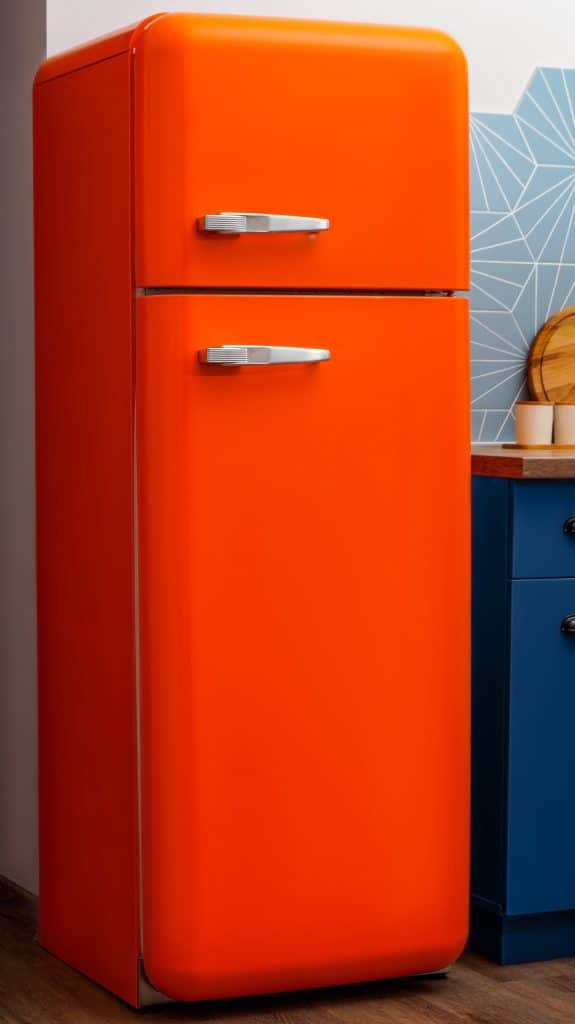
The visual identity of the 1980s kitchen was characterized by a transition from the vibrant, often earthy tones of the 1970s toward a more standardized, utility-driven aesthetic. Standardized appliances in "Avocado Green" or "Harvest Gold" remained common fixtures well into the early 1980s, representing a time when manufacturers prioritized long-term durability over rapid fashion cycles. Data from the Association of Home Appliance Manufacturers suggests that appliances manufactured during this era had a significantly longer lifespan—averaging 15 to 20 years—compared to the 7 to 10 years expected of modern, electronically complex units.

Beyond large appliances, the decade was defined by specific decorative motifs. The "country-craft" style, featuring roosters on canisters, apple prints on dish towels, and fruit-patterned wallpaper borders, dominated suburban interior design. This aesthetic was largely popularized by the limited media landscape of the time. With only three major television networks and a handful of prominent home magazines, design trends were more homogenous across the country than they are in the current era of fragmented social media algorithms.
Technological Shifts: From Analog Tools to Early Automation
The 1980s marked the peak of the "countertop gadget" era. The electric can opener, often mounted under cabinets to save space, was marketed as a futuristic necessity. However, retrospective analysis by consumer advocacy groups suggests these devices were often more difficult to sanitize and more prone to mechanical failure than their manual counterparts. This represents a broader trend of the decade: the pursuit of automation for tasks that were not inherently burdensome, a precursor to the modern "smart home" movement.
Perhaps the most significant technological milestone was the mainstream adoption of the microwave oven. In the early 1980s, a microwave was a substantial investment, often costing upwards of $400—approximately $1,400 when adjusted for modern inflation. Because of this high price point, the microwave was often treated as a centerpiece of the kitchen, requiring specialized furniture such as the "microwave cart." Over the subsequent decades, the microwave transitioned from a luxury status symbol to a commodified appliance used primarily for reheating, as culinary trends shifted back toward air frying and high-heat roasting.

The Chronology of Information Management in the Kitchen
Before the advent of smartphones and cloud-based applications, the kitchen served as the primary information center for the American family. This was manifested in several physical objects that have since become obsolete:
- The Recipe Box: A collection of hand-written index cards and newspaper clippings. These boxes were not merely repositories for cooking instructions but were physical archives of family history and regional culinary trends.
- The Wall Calendar: Often provided for free by local businesses like banks or insurance agencies, these served as the central scheduling system for the household.
- The Phone Book: Usually kept in a dedicated "junk drawer" or on a shelf near the wall-mounted telephone, the Yellow Pages were the sole resource for locating local services and businesses.
- The Refrigerator Gallery: Before digital photo sharing, the front of the refrigerator—provided it was not made of non-magnetic stainless steel—was a chaotic display of coupons, school schedules, and family photographs.
Sociologists note that the disappearance of these items reflects a shift from "tactile organization" to "digital invisibility." While digital tools are more efficient, they lack the communal visibility that allowed all household members to stay informed about family logistics at a glance.

Economic Drivers of Domestic Frugality
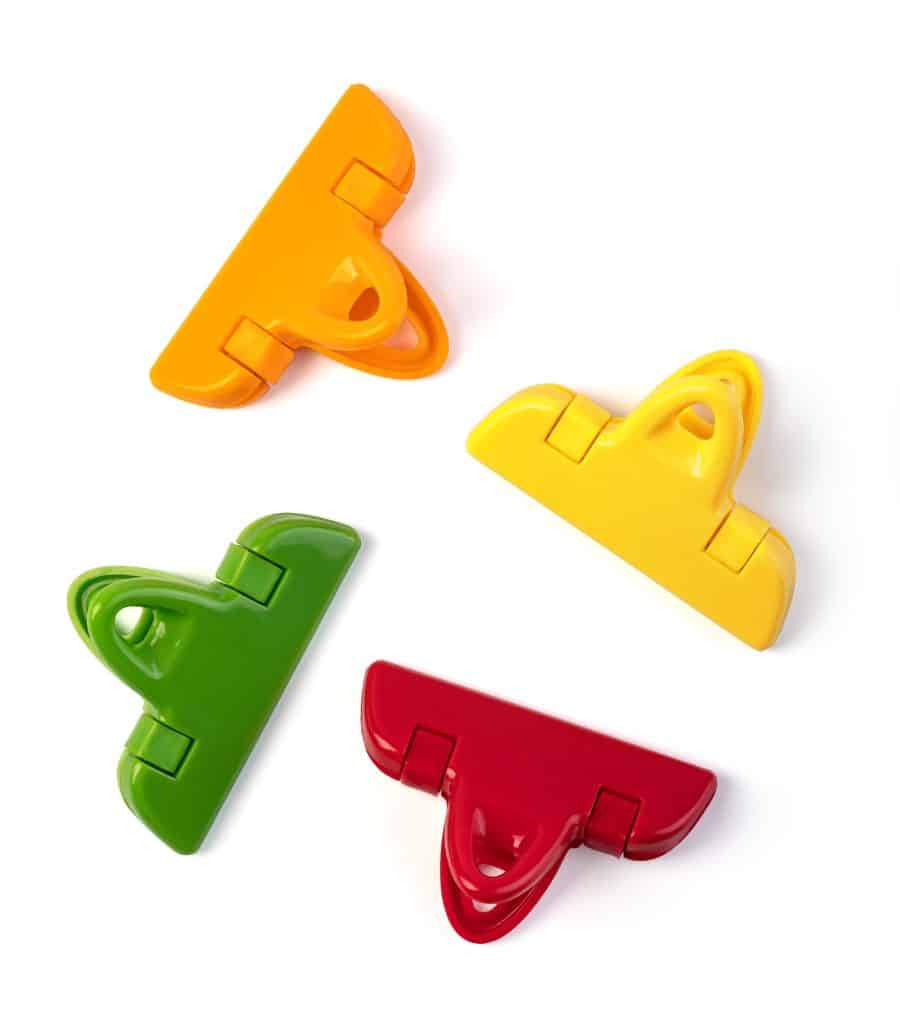
The 1980s kitchen was also a site of specific frugal habits that were born out of the economic volatility of the late 1970s. The practice of saving plastic bread bag clips, washing and reusing glass jars (long before "zero-waste" was a marketing term), and maintaining a "rubber band ball" in a junk drawer were standard behaviors across various income levels.

The "junk drawer" itself remains a fascinating subject of domestic study. In the 1980s, these drawers were often more complex than they are today, containing physical currency, loose matches, and spare keys to locks that may no longer exist. The decline of cash as a primary medium of exchange has significantly altered the contents of the modern junk drawer, which is now more likely to contain charging cables and obsolete electronic adapters.

The Slow Cooker and the Rise of the Dual-Income Household
The 1980s solidified the role of the Crock-Pot (slow cooker) in American life, a trend directly linked to the changing labor market. Data from the U.S. Bureau of Labor Statistics shows that the labor force participation rate for women with children rose sharply during this decade. The slow cooker provided a solution for dual-income households, allowing a meal to be prepared in the morning and left to cook unattended for eight to ten hours.

While modern multicookers and pressure cookers have reduced the necessity for all-day simmering, the 1980s version of slow cooking relied on inexpensive, tougher cuts of meat that were tenderized over long periods. This was a form of "passive frugality" that maximized grocery budgets during a period when food costs were a significant portion of the average household’s monthly expenditure.

Broader Impact and Implications of the Design Shift
The transition away from the 1980s kitchen model has several implications for modern domestic life. First, the shift toward minimalism and "open-concept" kitchens has reduced the amount of storage and wall space available for items like spice racks or pot racks. While the modern kitchen is more aesthetically "clean," it often lacks the utilitarian density of the 1980s model.
Second, the loss of durable, repairable appliances has led to an increase in domestic waste. The 1980s "Avocado Green" refrigerator, while often mocked for its color, was an engineering marvel of longevity. Modern appliances, laden with sensors and computer chips, are frequently deemed "total losses" by repair technicians when a single electronic component fails, leading to a shorter replacement cycle and higher long-term costs for homeowners.

Finally, the disappearance of the tactile recipe box and the hand-written list pad represents a subtle but real change in how skills are passed down through generations. Culinary historians argue that the "stains and scrawls" on old recipe cards provided a connection to past generations that a digital link simply cannot replicate.

Conclusion: Lessons from the Retro Kitchen
While many of the items found in a 1980s kitchen—such as the Jell-O mold or the rooster-themed wallpaper—may seem ridiculous to modern sensibilities, they were part of a cohesive system of living. The 1980s kitchen was designed for a world where information was physical, technology was a durable investment, and domestic habits were passed down through direct observation and manual practice.

As modern consumers look for ways to reduce their environmental footprint and manage their finances more effectively, many are ironically returning to 1980s-era habits: bulk buying, glass jar reuse, and slow cooking. The "retro" kitchen, it seems, was not just about style; it was built on a foundation of practical constraints and sensible financial behaviors that remain relevant even in the digital age. The evolution of the kitchen is a reminder that while technology advances, the fundamental human need for a functional, communal space for nourishment remains unchanged.
Related posts: