
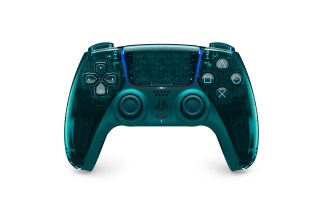
Sony Interactive Entertainment has officially unveiled its latest endeavor in hardware customization: the Prism Collection. This new line of peripherals and console accessories for the PlayStation 5 ecosystem introduces a transparent design language that marks a departure from the solid, matte-white and earth-toned aesthetic that has dominated the console’s design since its initial launch in 2020. By incorporating semi-translucent materials, Sony aims to appeal to enthusiasts who appreciate the industrial design and internal engineering of their gaming consoles. The collection comprises three distinct colorways—Flare Orange, Emerald Green, and Graphite Gray—applied to both the DualSense wireless controller and the console’s exterior faceplates.
The Evolution of PlayStation Customization
The introduction of the Prism Collection arrives at a pivotal moment in the PlayStation 5’s lifecycle. Historically, Sony has utilized specialized hardware editions to maintain consumer interest during the mid-cycle refresh phase of its consoles. From the limited-edition translucent consoles of the PlayStation 1 and 2 eras to the more recent "Deep Earth" collection, Sony has consistently leveraged nostalgia to drive accessory sales.
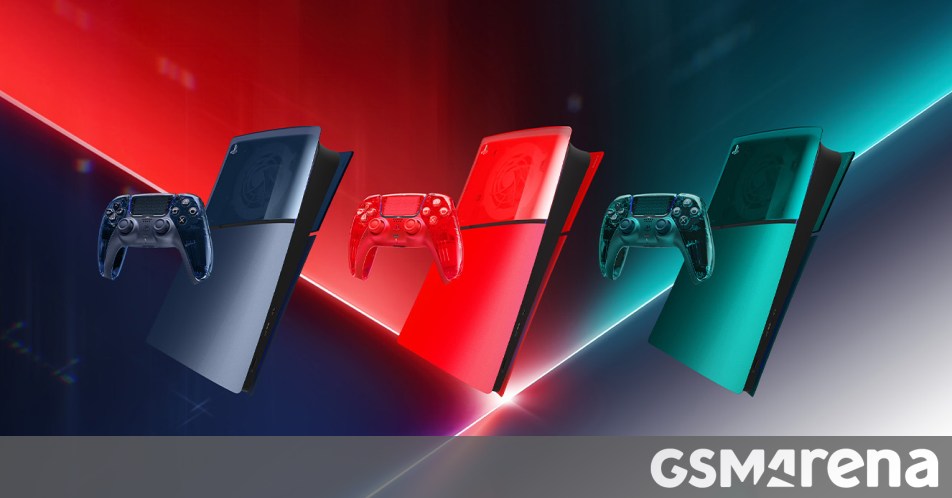
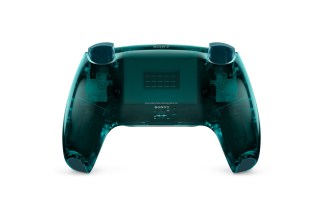
The Prism Collection, however, represents a more technical approach to aesthetics. By exposing the internal components—such as the cooling fan on the console covers and the intricate circuitry and switch mechanisms within the DualSense controllers—Sony is inviting users to interact with the hardware on a more granular level. This "exposed" design philosophy has seen a resurgence in popularity across consumer electronics, ranging from smartphone backplates to high-end mechanical keyboards.
Chronology of the Prism Collection Launch
The announcement, made in late October 2026, initiates a multi-stage release schedule designed to manage inventory and build anticipation.
- October 28, 2026: Sony officially announces the Prism Collection via the PlayStation Blog and accompanying video marketing materials, detailing the design inspiration and color palette.
- November 10, 2026: The pre-order window opens for authorized retailers and the direct-to-consumer PlayStation Direct platform. This period is expected to be a critical indicator of consumer demand for aesthetic-only hardware upgrades.
- February 4, 2027: The official retail launch date. On this day, the accessories are expected to be available for general purchase across global markets, including North America, Europe, and the United Kingdom.
Technical Specifications and Pricing
The pricing structure for the Prism Collection aligns with Sony’s premium accessory tier. The DualSense wireless controllers are priced at $85 / €85 / £75, reflecting the complexity of the internal assembly required to maintain the transparent aesthetic while retaining all standard features, such as haptic feedback and adaptive triggers. The console faceplates are set at $75 / €75 / £65.
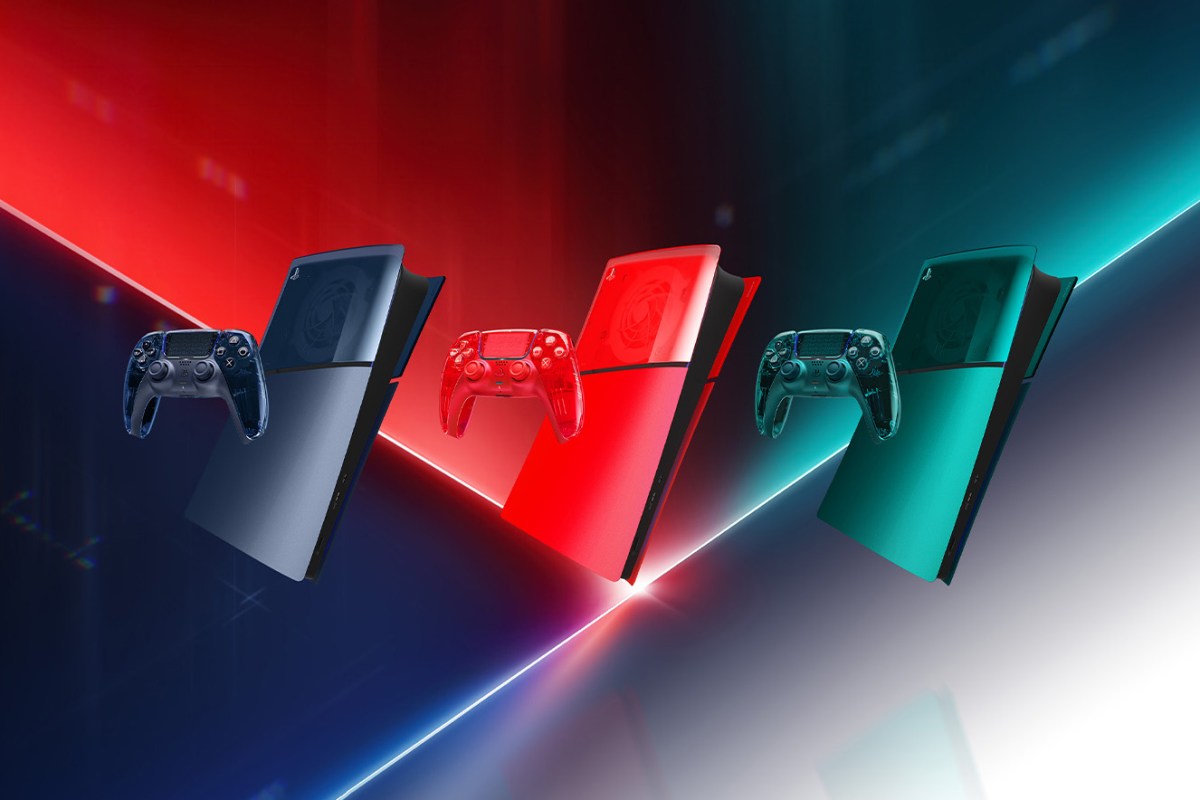
A point of ongoing discussion among the community is the compatibility of these covers. While the press release highlights the visual appeal, it remains ambiguous regarding whether these plates are engineered specifically for the latest PS5 Slim and Pro iterations or if they maintain backward compatibility with the original 2020 chassis. Industry analysts suggest that given the modular nature of the current PS5 hardware, the plates are likely tailored for the Slim and Pro models, which have moved to a more standardized plate-swapping system compared to the initial launch model.
Market Context and Supporting Data
The gaming accessory market has seen a compound annual growth rate (CAGR) of approximately 7% to 9% over the last three years. This growth is largely driven by the "personalization economy," where console owners increasingly view their gaming setup as an extension of their personal workspace or home decor.
Data from the Circana group (formerly NPD) indicates that controller sales remain a primary revenue driver for platform holders. While the core console serves as the anchor, the accessory market—specifically premium controllers and aesthetic mods—provides higher profit margins and creates recurring engagement with the brand. By releasing the Prism Collection, Sony is capitalizing on the "collector" mentality of its user base, ensuring that even as the console ages, the hardware remains relevant through visual updates.
Official Stance and Design Philosophy
In a statement accompanying the reveal, Sony representatives noted that the Prism Collection was designed to "celebrate the engineering marvel that sits at the center of the living room." The choice of colors—Flare Orange, Emerald Green, and Graphite Gray—was selected to provide a balance between vibrant flair and professional, muted tones.
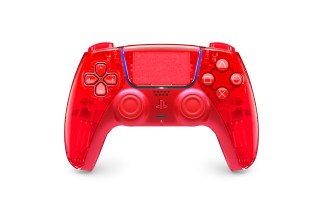
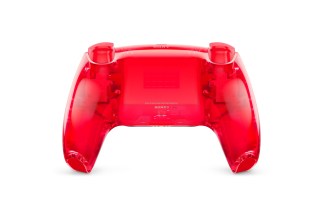
The transparent shell of the DualSense is particularly noteworthy. Unlike standard controllers, the Prism variant allows users to see the vibration motors, the battery housing, and the internal ribbon cables. This level of transparency is a deliberate nod to the "see-through" tech trend of the 1990s, updated with modern materials that provide a sleek, matte-finish transparency rather than the glossy, brittle plastics of previous decades.
Broader Impact and Implications
The launch of the Prism Collection has several implications for the future of the PlayStation brand and the broader gaming industry:
1. Sustaining Hardware Interest: As the current generation of consoles approaches the middle of its lifecycle, maintaining consumer interest becomes a challenge. By offering high-quality, manufacturer-sanctioned customization, Sony avoids the "boredom" factor that can lead to a decline in accessory sales.
2. Countering Third-Party Competition: The market for aftermarket console shells and custom controllers is vast, with numerous third-party manufacturers providing varying levels of quality. By entering this space directly, Sony ensures that it maintains control over the quality standards and the user experience. It also ensures that the warranty status of the console remains intact, as users are not forced to dismantle their devices to achieve a custom look.
3. The Pro-Console Strategy: With the recent introduction of the PS5 Pro, Sony is segmenting its user base into those who prioritize raw performance and those who prioritize the total ecosystem experience. Accessories like the Prism Collection serve as a bridge, allowing owners of all tiers of the PS5 to feel that their device is part of the latest "vibe" or trend, regardless of the internal hardware capabilities.
4. Supply Chain and Inventory Management: The staggered release, with a significant gap between pre-orders and general availability, suggests that Sony is carefully monitoring manufacturing output. Transparent plastics require specific molding techniques to ensure that internal components are visible without compromising the structural integrity of the controller or the console plates. Any imperfections in the plastic during the injection molding process would be immediately visible to the consumer, placing a higher demand on quality control than opaque, solid-color shells.
Future Outlook
As of late 2026, the reception to the Prism Collection has been largely positive, with online forums and social media platforms noting the "premium feel" of the new design. The success of this launch will likely dictate whether Sony continues to expand the Prism line to other peripherals, such as the Pulse Elite headsets or the PlayStation Portal remote player.
While some consumers have expressed concerns regarding the longevity of transparent plastics—which can occasionally yellow or become brittle over time—Sony’s commitment to high-grade polymers suggests that these concerns have been addressed in the manufacturing process.
Ultimately, the Prism Collection is more than a mere cosmetic update. It is a strategic tool for Sony to reinforce the identity of the PlayStation 5 as a premium, customizable, and technologically transparent piece of hardware. As the industry looks toward the next phase of the current console generation, such initiatives provide a necessary spark of excitement, ensuring that the hardware remains not just a utility, but a centerpiece of the modern digital home. The February 2027 retail launch will serve as the final test of this strategy, providing a clear picture of how much value consumers place on the intersection of industrial design and gaming performance.