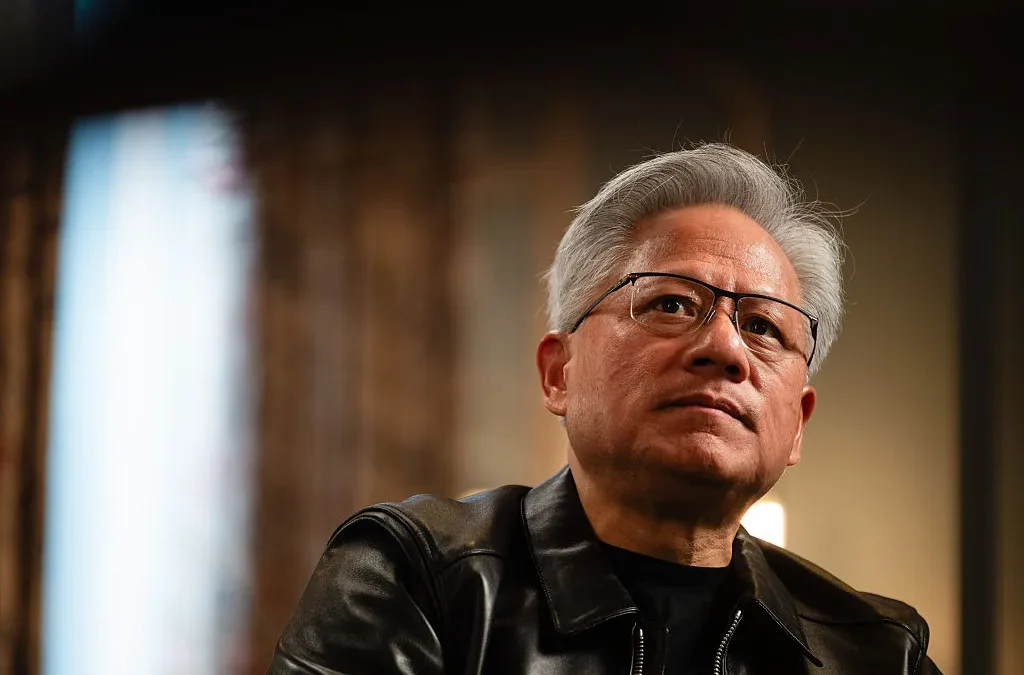
The corporate landscape surrounding Nvidia, the world’s most valuable chipmaker, has been thrown into turmoil following the revelation that CEO Jensen Huang retained the services of Heller Inc.—a boutique crisis communications firm renowned for managing high-profile sex scandals—more than a year before publicly disclosing an extramarital affair. This strategic move suggests that the leadership at one of the tech industry’s most critical infrastructure providers may have been bracing for a reputational storm long before the details of Huang’s personal life and their intersection with national security concerns became public knowledge.
The disclosure, which follows a series of investigative reports, has prompted an official inquiry by the Nvidia Board of Directors. At the center of the controversy is not only the personal conduct of the CEO but the potential for a severe breach of corporate governance and geopolitical security, as the affair involves an individual with alleged ties to Chinese intelligence operations.
A Chronology of Concealment and Strategy
The timeline of events reveals a calculated attempt to manage information flow as pressure mounted on both the personal and professional fronts for the Nvidia chief.
- October 2025: The New York Times publishes an investigation into "Megaspeed," a Singapore-based data center operator. The report highlights that Megaspeed had acquired approximately $2 billion in high-performance Nvidia chips, raising questions about whether the hardware was being used to circumvent U.S. export controls intended to limit China’s AI development capabilities. The article features a photograph of Alice Huang, the CEO of Megaspeed, standing beside Jensen Huang at a major Nvidia client event in Taipei.
- Late 2025: Shortly after the publication of the Times report, internal communications protocols at Nvidia are quietly amended. Staff members are instructed to include representatives from Heller Inc. on all press inquiries regarding the CEO. This move effectively outsourced the management of Huang’s public image to a firm whose founder, Risa Heller, has made a career of guiding prominent figures—including Anthony Weiner, Mario Batali, and Jeffrey Toobin—through public disgraces and allegations of sexual misconduct.
- November 2026: Following sustained reporting by outlets like Wired, Jensen Huang issues a formal statement acknowledging a past extramarital affair with a former Megaspeed executive. Simultaneously, the Nvidia Board of Directors initiates an independent investigation into the matter, specifically citing concerns that Huang may have been the "target of a foreign intelligence effort."
The Risa Heller Factor: Reputation Management in the Spotlight
Risa Heller has long been the consultant of choice for individuals navigating the intersection of private scandal and public fallout. Her firm’s involvement with a tech CEO of Huang’s stature marks a significant escalation in the scope of crisis communications within Silicon Valley.
For the better part of the last decade, Silicon Valley executives have often managed their own PR or relied on internal teams to handle public perception. However, the decision to hire a firm specialized in "scandal mitigation" suggests that Nvidia’s leadership recognized the vulnerability of their CEO early on. The implication is that the firm was brought in not merely to handle standard media inquiries regarding chip exports, but to manage the fallout of a situation that posed a direct threat to the company’s standing with the U.S. government.
The Geopolitical Stakes: Chips and Intelligence
The core of the issue extends far beyond the personal failings of a corporate executive. Nvidia is currently the primary engine of the global artificial intelligence boom. Its H100 and Blackwell series GPUs are the lifeblood of modern large language models, making the company a central figure in the escalating tech cold war between the United States and China.
The U.S. Department of Commerce has implemented stringent export controls to prevent the most advanced chips from reaching Chinese military and intelligence entities. By allegedly forming a relationship with a high-ranking executive at Megaspeed—a firm with deep ties to the Chinese data center market—Jensen Huang potentially compromised his position as a neutral leader of a U.S.-based technology titan.
Intelligence experts suggest that such relationships are a classic vector for "honey pot" operations. If Alice Huang or her associates were indeed acting on behalf of Chinese intelligence, the access granted to a CEO of Jensen Huang’s level could have provided invaluable insights into Nvidia’s supply chain vulnerabilities, future product roadmaps, or the company’s internal compliance strategies regarding export restrictions.

Corporate Governance and Board Response
The Nvidia Board of Directors is now under intense pressure to demonstrate that it can hold its leader accountable, regardless of his status as the architect of the company’s trillion-dollar valuation. An independent investigation is the standard mechanism for such accountability, but it faces several hurdles.
First, the investigation must determine the timeline of the relationship. If the board was aware of the relationship—or the potential security risk it posed—prior to the public disclosure, they may face shareholder lawsuits for failure to disclose material risks. Conversely, if they were kept in the dark, the investigation will focus on the extent to which the CEO utilized company resources, such as the hiring of Heller Inc., to shield his private life from board oversight.
"The board’s commitment to transparency will be tested," says a corporate governance expert familiar with large-cap tech companies. "When a CEO is the face of the company’s technological and market success, there is a natural tendency for the board to provide leniency. However, when national security is involved, the calculus shifts entirely. The board must prioritize the integrity of the firm’s relationship with federal regulators over the personal career of any one individual."
Broader Industry Implications
The scandal serves as a stark reminder of the risks associated with the concentration of power in the hands of a few dominant tech leaders. As Nvidia continues to supply the hardware for the global AI revolution, its leadership is scrutinized not just by shareholders, but by national security apparatuses.
The impact of this news on Nvidia’s stock price and market sentiment remains to be seen. Historically, tech companies have been resilient to executive scandals, but the entanglement with Chinese state-linked entities adds a layer of complexity that could invite further regulatory scrutiny. Legislators in Washington have already signaled an interest in reviewing Nvidia’s export compliance procedures. If it is found that the CEO’s personal life facilitated even a minor lapse in adherence to U.S. law, the repercussions could include significant fines, the revocation of export licenses, and a permanent shift in how Silicon Valley handles executive oversight.
Looking Ahead
As the investigation continues, the tech industry is waiting to see what the board uncovers regarding the flow of information. Did Jensen Huang inadvertently share proprietary information with individuals linked to foreign intelligence? Was the hiring of Heller Inc. a defensive measure paid for by shareholders to protect an executive from his own indiscretions?
For now, Nvidia remains largely silent, with the company’s official communication channels referring all inquiries to the ongoing board investigation. The public acknowledgement of the affair is likely only the beginning of a larger reckoning. As the investigation progresses, the findings will likely serve as a case study in the dangers of failing to separate private interests from the immense public responsibility of leading the world’s most critical technology provider.
The silence from both Risa Heller and the Nvidia executive team continues to amplify the speculation surrounding the timeline. Until the board releases its final report, the questions surrounding the intersection of chip diplomacy, corporate governance, and personal accountability will continue to hang over the company, casting a long shadow over its future in the global AI landscape.