
The landscape of personal finance is frequently dominated by discussions regarding high-yield investment portfolios, real estate equity, and aggressive career scaling. However, a burgeoning movement of "strategic frugality" suggests that the foundation of significant wealth is often built through unconventional, and sometimes socially stigmatized, micro-habits. These behaviors, ranging from the mechanical optimization of household products to the psychological deconstruction of consumer impulses, represent a systematic approach to capital preservation. Financial analysts note that while individual actions—such as cutting sponges in half—may yield negligible immediate returns, the cumulative effect of a frugality-oriented mindset creates a "wealth buffer" that protects households against economic volatility.

The Economic Context of Modern Frugality
As of 2024, the average American household faces a complex economic environment characterized by persistent inflation in essential sectors and record-high consumer debt. According to data from the Federal Reserve, total household debt reached $17.69 trillion in the first quarter of 2024. In this climate, the "silent savers"—individuals who employ unconventional methods to reduce expenditures—are increasingly outperforming their peers in net worth accumulation. The following 33 habits, categorized by their operational impact, illustrate how granular efficiency translates into macro-financial stability.
Household Resource Optimization and Waste Reduction
The initial tier of unconventional frugality focuses on the extraction of maximum utility from low-cost consumables. This category functions as a "gateway" to more significant financial shifts.

33. The Dilution Method for Bottled Goods
When containers for shampoo, dish soap, or condiments appear empty, they often retain 5% to 10% of their volume adhered to the interior walls. Adding water to liquify these remnants can extend the product’s lifespan by approximately one week. While the annual savings are estimated at a modest $20 to $50, the habit serves to eliminate the "autopilot" replacement cycle.
32. Dimensional Reduction of Disposables
The practice of cutting sponges and dryer sheets in half recognizes that the surface area required for a standard task is often significantly less than the manufacturer-provided size. This effectively doubles the product’s lifespan.

31. Preservation of Gift Packaging
The gift-wrap industry is valued at billions of dollars annually, yet the product has a singular, short-term utility. Households that archive and reuse gift bags, ribbons, and intact paper exit a recurring expense cycle that peaks during high-inflation holiday seasons.
30. Reconditioning Polyethylene Storage Bags
Standard freezer bags are often durable enough for multiple uses. By washing and air-drying bags that have not contained raw proteins, consumers can reduce their plastic consumption by up to 80%.

29. Substitution of Shelf-Stable Dairy for Baking
Powdered milk offers a significantly lower price-per-gallon compared to fresh milk and eliminates the risk of spoilage for occasional bakers.
28. Acquisition of "Ugly" Produce
Retailers often discount produce with cosmetic imperfections. Data suggests that up to 40% of food in the U.S. goes uneaten, often due to aesthetic standards. Purchasing these items reduces grocery overhead without compromising nutritional intake.

Behavioral Psychology and Impulse Control
The second tier of habits involves the implementation of "friction" between the desire to spend and the act of transaction.
27. The Corporate "Spite List"
Maintaining a record of companies that have imposed predatory fees or provided substandard service prevents "convenience-based" overspending. This petty-but-effective strategy ensures capital is only directed toward high-value providers.

26. Strategic Use of Loyalty Freebies
By utilizing a dedicated email address for restaurant loyalty programs, consumers can access a concentrated "birthday circuit" of free meals. This provides social engagement without the associated "dining out" costs.
25. Indoor Ambient Drying
Electric dryers are among the most energy-intensive appliances in a home. Utilizing drying racks not only reduces utility bills but significantly extends the life of textiles by preventing heat-induced fiber breakdown.

24. Periodic Pantry Audits
Implementing a "pantry week" once a month—where groceries are limited to essential perishables—forces the consumption of existing inventory. This prevents the "forgotten capital" often found at the back of cupboards.
23. Culinary Upcycling (Scrap Soup)
The collection of vegetable ends and bones in the freezer to create stocks turns organic waste into nutrient-dense meals, effectively lowering the cost-per-meal for the household.

22. Incremental Thermostat Adjustment
Data from the Department of Energy suggests that homeowners can save about 10% a year on heating and cooling by simply turning their thermostat back 7° to 10°F for 8 hours a day from its normal setting.
21. Real-Time Freezer Inventory
Affixing an inventory list to the freezer door prevents the "duplicate purchase" phenomenon, ensuring that frozen assets are utilized before they suffer from freezer burn.

20. The 24-Hour Consideration Rule
For non-essential online purchases, a mandatory 24-hour waiting period in the digital cart allows the "dopamine spike" of shopping to subside, often resulting in the realization that the item is unnecessary.
Financial Engineering and Service Management
As the habits progress, the focus shifts from physical goods to the management of digital and financial services.

19. Domestic Replication of Luxury Goods
A $10 milk frother allows for the domestic production of espresso-based beverages that retail for $5 to $7. For a daily consumer, this shift represents an annual savings of over $1,500.
18. The Dollar-Per-Use Calculation
By evaluating purchases based on their projected frequency of use, consumers can justify higher spending on quality goods (e.g., a winter coat) while avoiding "cheap" items that have a high cost-per-use due to poor durability.

17. Counter-Seasonal Procurement
Purchasing winter gear in March or swimwear in September allows consumers to capitalize on retailers’ need for inventory turnover, often resulting in discounts of 50% to 75%.
16. Mitigation of "Vampire" Energy Loads
Electronic devices in standby mode can account for up to 10% of a household’s electric bill. Using power strips to fully disconnect non-essential electronics overnight provides a passive reduction in utility overhead.

15. Transition to Communal Dining (Potlucks)
The social cost of frugality is often cited as a barrier. Transitioning from restaurant-based socializing to home-based potlucks preserves social capital while reducing the financial burden of entertainment.
14. Systematic Asset Liquidation
A policy of selling one unused item per month on secondary markets (such as eBay or Facebook Marketplace) ensures that household clutter is converted back into liquid capital.
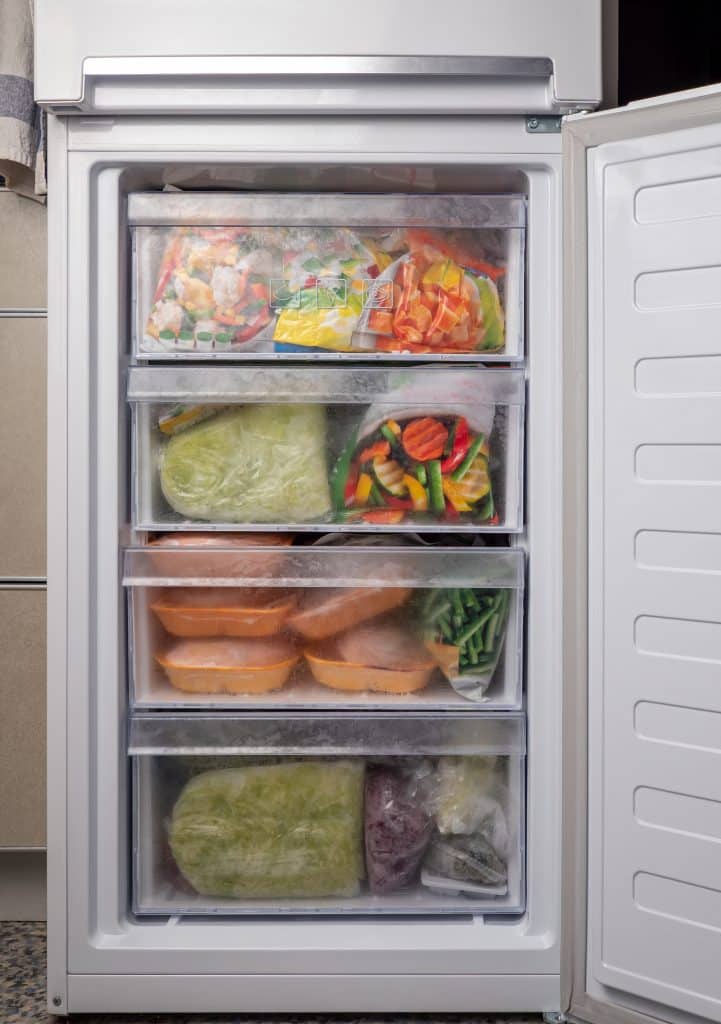
13. Tactical Meat Procurement
Identifying the specific "markdown windows" at local grocers—often early morning or late evening—allows for the purchase of proteins at 30% to 50% off. Immediate freezing ensures safety and quality.
12. Pre-Purchase of Discounted Gift Cards
Utilizing secondary gift card markets for stores already within the household’s routine provides an immediate, stackable discount on all future purchases at that retailer.
11. Subscription Rotation
Rather than maintaining simultaneous subscriptions to multiple streaming services, strategic savers rotate one service at a time, binging specific content and سپس canceling, reducing monthly entertainment costs by over 60%.
10. The "YouTube First" Repair Policy
The "right to repair" movement has been bolstered by digital tutorials. Addressing minor appliance failures or home maintenance issues via DIY methods avoids the $100+ minimum service call fee standard in most trades.

9. Retention Department Negotiations
A 15-minute annual call to internet and insurance providers to discuss "intent to cancel" often triggers retention offers. These discounts can save $300 to $600 annually with minimal effort.
8. The Monthly No-Spend Weekend
Implementing two days of zero discretionary spending per month serves as a psychological "reset," forcing the use of existing resources and local free amenities (libraries, parks).

High-Impact Wealth Building
The final tier of habits involves structural changes to how money is stored and moved.
7. Digital Micro-Savings
Automated "round-up" apps move negligible amounts of money into savings or investment accounts. Because these transactions are under $1, they do not trigger the psychological "pain of paying," yet they can accumulate thousands of dollars over several years.

6. Verbal Price Negotiation
Simply asking "Is that your best price?" at furniture stores, medical billing offices, or for professional services can yield unexpected discounts. Many industries have built-in margins for negotiation that are only accessed by those who ask.
5. Annual Expense Audits
Writing down every transaction for 30 days once a year provides a "financial physical." This audit reveals "lifestyle creep" and identifies forgotten subscriptions or habitual leaks that automated tracking apps often miss.

4. The "N-1" Technology Strategy
Purchasing a flagship smartphone or laptop one generation behind the current release avoids the "innovation tax." Modern hardware cycles have plateaued, meaning the functional difference between a current model and its predecessor is often negligible, while the price difference is substantial.
3. Bi-Annual Subscription Purges
A dedicated review of bank statements specifically for recurring charges often reveals "zombie" subscriptions. In an era of "subscription-based everything," this habit is essential for maintaining a lean budget.

2. Utilization of High-Yield Savings Accounts (HYSA)
While traditional "Big Banks" offer interest rates as low as 0.01%, online-only HYSA providers currently offer rates between 4% and 5%. For an emergency fund of $20,000, this represents a difference of nearly $1,000 in passive income annually.
1. The Ten-Year Vehicle Ownership Policy
The most significant wealth-building habit is the rejection of the perpetual car payment. The average new car payment in the U.S. has climbed to over $730 per month. By maintaining a paid-off vehicle for a decade or more, a household can divert nearly $9,000 annually into investments. Over a 30-year period, this single habit can result in a difference of over $1 million in retirement savings due to compound interest.

Analysis of Broader Impact
The transition from "embarrassing" habits to strategic wealth building reflects a shift in consumer consciousness. Economists argue that the primary driver of these habits is not necessarily the dollar amount saved on a single sponge or shampoo bottle, but the cultivation of "intentionality." When an individual becomes conscious of the waste in a $3 bottle of dish soap, they become hyper-aware of the waste in a $50,000 car purchase or a $150 monthly cable bill.
This "top-down" awareness creates a defensive financial posture that is highly effective in high-inflation environments. Furthermore, the psychological benefits of these habits include a reduced "fear of loss." Households that know they can thrive on a "scraps soup" or a "no-spend weekend" are less likely to experience the debilitating stress associated with temporary job loss or economic downturns. In summary, the "weird" habits of the frugal are not merely about saving pennies; they are about the systematic reclamation of financial agency in an increasingly expensive world.