The global landscape of luxury retail has undergone a profound digital transformation over the past decade, shifting away from exclusive brick-and-mortar storefronts and heavily guarded print catalogs toward immersive, digitally native environments. A newly published comprehensive research report commissioned by Snapchat sheds light on this ongoing evolution, offering unprecedented insights into how modern luxury consumers discover, evaluate, and purchase high-end goods. According to the survey data, an overwhelming 84 percent of Snapchat users report that social media platforms successfully bridge the gap between everyday consumers and the traditionally elite luxury universe, outperforming the general consumer average.
The study, which was jointly conducted by APP Media and the Ifop group, examines emerging behavioral patterns and purchasing motivations among contemporary luxury shoppers. By surveying more than 9,000 luxury consumers across nine distinct global markets, the research attempts to decode the complex psychology driving high-end retail in the digital age. As legacy fashion houses, jewelry brands, and premium automotive markers increasingly allocate their marketing budgets toward digital ecosystems, findings from reports like Snapchat’s provide critical guidance on how brands can effectively engage discerning audiences without diluting their exclusive appeal.
Background and Context of the Digital Luxury Shift
Historically, the luxury sector maintained a strict barrier to entry, relying heavily on scarcity, elite physical retail locations, and word-of-mouth exclusivity among high-net-worth individuals. However, the democratization of the internet and the rise of mobile-first platforms fundamentally disrupted this paradigm. Millennial and Generation Z consumers now represent a dominant and growing share of the luxury market, bringing with them a radically different set of expectations regarding brand transparency, accessibility, and digital engagement.
Recognizing this generational shift, platforms like Snapchat have actively positioned themselves as vital conduits between high-end brands and digitally savvy consumers. Rather than viewing digital platforms as a threat to exclusivity, modern luxury brands are increasingly leveraging augmented reality (AR), virtual try-ons, and targeted social campaigns to recreate the intimacy and personalization of a private boutique appointment on a global scale. This new study serves as a quantitative examination of that strategy, measuring the tangible

psychological and commercial impact of social media integration within the luxury retail funnel.
Key Findings and Demographic Data
At the heart of the report is the widespread acknowledgment of social media’s influence on brand perception. Across the broader spectrum of 9,000 surveyed luxury shoppers spanning nine international markets, 76 percent agreed that social platforms make them feel tangibly closer to the luxury universe. This sentiment is amplified among Snapchat’s core user base, where 84 percent of respondents endorsed the statement. This elevated alignment suggests that Snapchat’s specific interface—which emphasizes visual storytelling and direct messaging—successfully resonates with consumers seeking an immersive relationship with high-end brands.
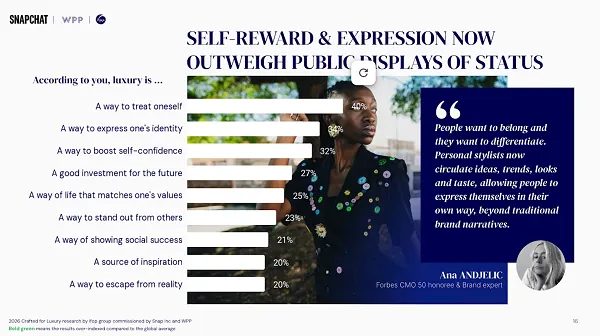
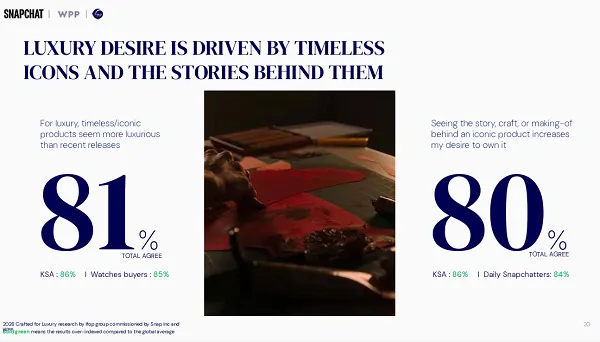
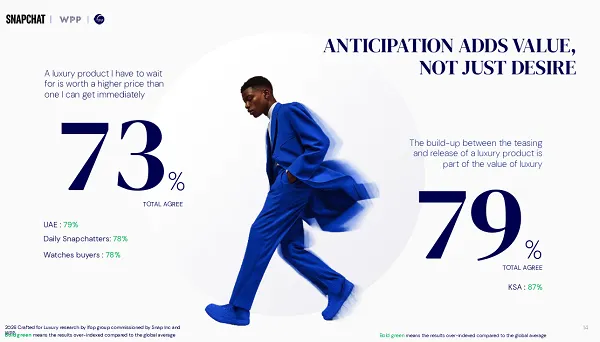
Beyond brand proximity, the research delves deeply into the mechanics of luxury purchasing decisions. The report outlines how modern buyers approach acquisition, categorizing their primary motivations ranging from self-expression and status signaling to experiential value and investment potential. Crucially, the data evaluates the psychological impact of perceived scarcity—a cornerstone of luxury marketing—and how digital channels can either heighten or diminish that sense of exclusivity depending on execution.
The Power of Peer Validation and Close Connections
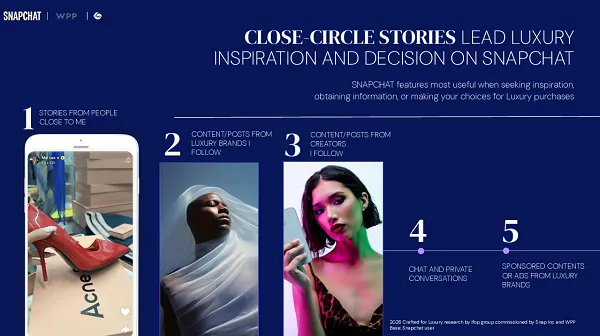
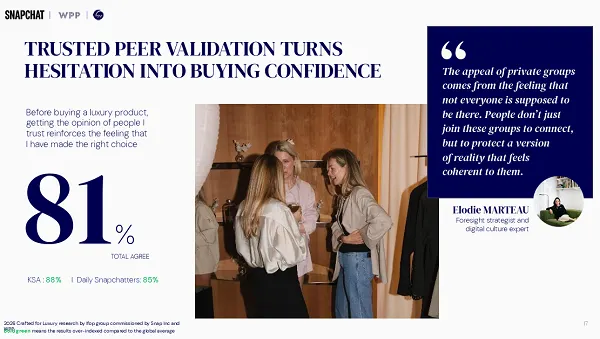
One of the most significant takeaways for marketers is the profound role that peer validation plays throughout the luxury shopping journey. While traditional luxury advertising often relies on aspirational figures, celebrities, and global ambassadors, the study highlights that everyday consumers are heavily influenced by their immediate social circles.
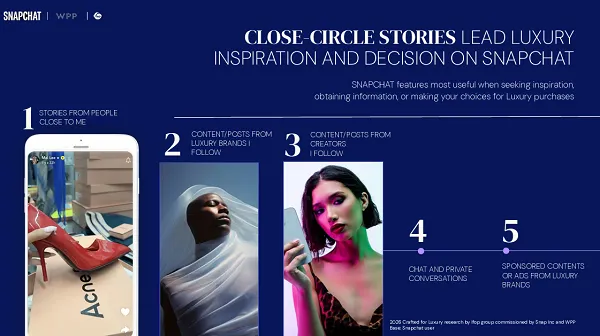
This dynamic holds particular relevance for Snapchat, an ecosystem structurally distinct from broadcast-style social networks. Because Snapchat users predominantly engage within closed messaging streams and smaller groups of close friends rather than public feeds, peer recommendations carry unique weight. According to the survey data, content and recommendations originating from close personal connections serve as a primary catalyst for luxury purchase decisions among Snapchatters. For luxury brands, this indicates that successful marketing strategies must look beyond macro-influencer campaigns and find ways to stimulate organic, peer-to-peer sharing and advocacy among actual consumers.
Strategic Implications for Luxury Brand Marketing
The comprehensive data points provided in the Snapchat report offer actionable intelligence for brand strategists and media planners. By identifying the exact types of content to which luxury shoppers respond most favorably, the study removes much of the guesswork associated with digital outreach.
For instance, the research underscores the necessity of balancing broad awareness campaigns with hyper-targeted, intimate messaging. Luxury brands must carefully curate their digital presence to maintain an aura of prestige while remaining approachable enough to capture the attention of younger, digitally native demographics. Furthermore, the integration of interactive elements—such as Snapchat’s proprietary augmented reality lenses that allow users to virtually interact with luxury apparel, accessories, and cosmetics—provides a bridge between digital inspiration and physical retail conversion.
Industry Analysis and Future Outlook
Market analysts observing the release of this report note that digital integration is no longer optional for luxury houses aiming to capture future market share. As younger demographics accumulate wealth and assume greater purchasing power, brand loyalty will increasingly be dictated by digital accessibility and authentic engagement.
However, experts caution that luxury brands must tread carefully. The primary challenge lies in scaling digital visibility without eroding the foundational pillars of luxury: craftsmanship, rarity, and exclusivity. Platforms that facilitate intimate, closed-circuit sharing—such as Snapchat—offer a viable solution by enabling brands to target consumers in private, trusted environments rather than noisy, public spaces.
Ultimately, the findings from the APP Media and Ifop group study illustrate a mature digital luxury market where social media acts not as a cheapening agent, but as an essential modern showroom. As luxury brands continue to refine their digital playbooks in the months and years ahead, data-driven insights regarding consumer proximity, peer validation, and content resonance will remain indispensable tools for navigating the evolving retail frontier.