SAN FRANCISCO, CA – March 15, 2026 – A comprehensive analysis of over 4.8 million LinkedIn posts by social media analytics firm Buffer has uncovered a significant and surprising shift in optimal posting times for the professional networking platform. For the first time, late afternoon and evening hours are demonstrating superior engagement rates, marking a notable departure from the traditional workday peaks observed in previous years. This revelation, detailed in Buffer’s latest annual study, indicates a fundamental change in how professionals interact with content on LinkedIn, presenting new strategic considerations for marketers, brands, and individual users alike.
Methodology and Key Findings
The extensive research was led by Buffer’s resident data scientist, Julian Winternheimer, who has been meticulously tracking these trends for approximately two years. By delving into millions of posts disseminated through the Buffer platform, the team was able to pinpoint precise windows of higher engagement across all major social networks, with LinkedIn’s 2026 data proving particularly insightful. The core finding reveals that peak engagement on LinkedIn is no longer almost entirely confined to standard working hours, a pattern that consistently held true in 2025. Instead, there is a distinct migration of user activity towards later in the day, a trend that mirrors shifts previously observed on more leisure-oriented platforms like Instagram and TikTok.
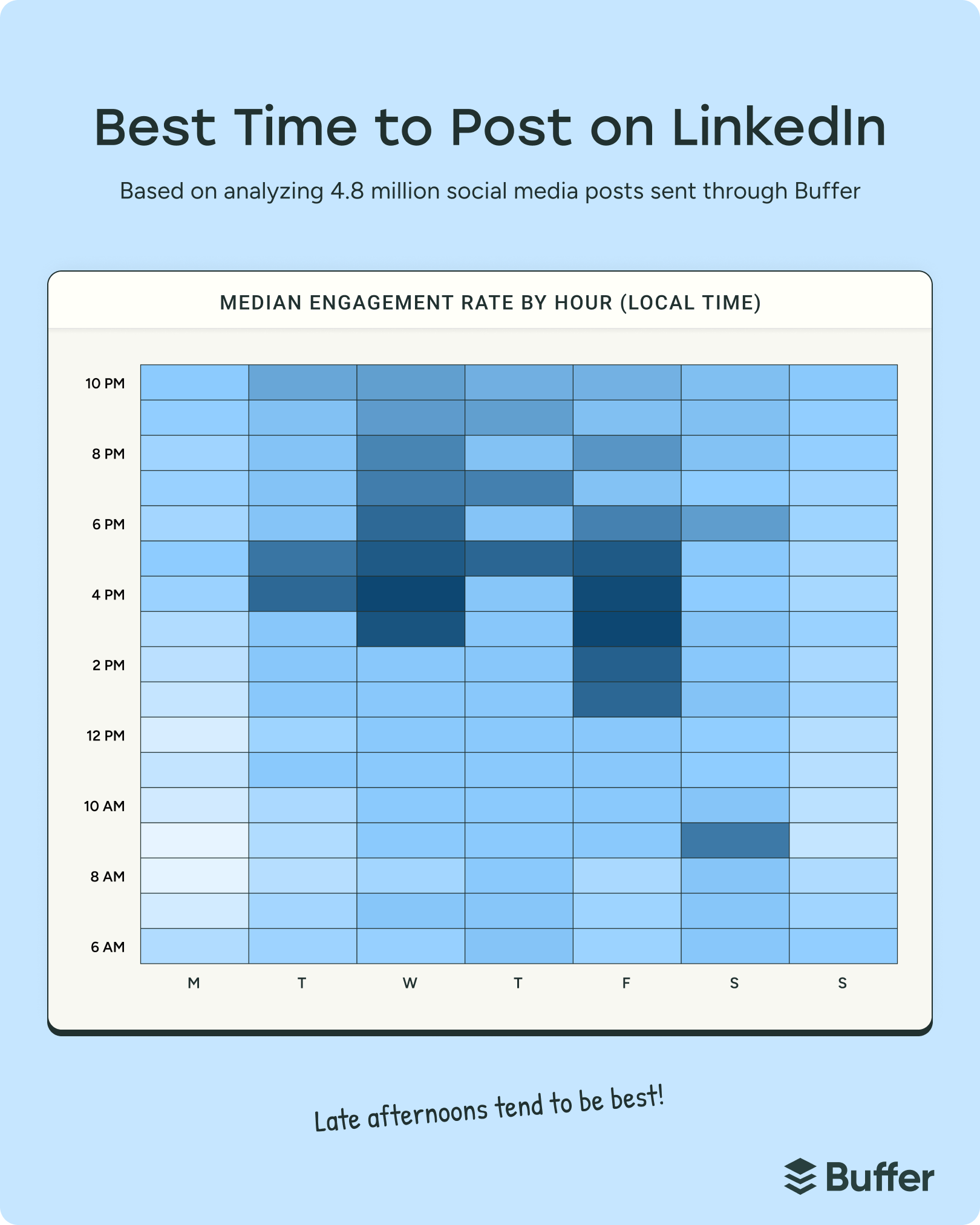
Specifically, the study identifies the prime window for maximizing LinkedIn engagement as typically occurring between 3 p.m. and 8 p.m. on weekdays. The data highlights 4 p.m. on Wednesday and both 3 p.m. and 4 p.m. on Friday as the absolute highest-engagement time slots across the entire week. This represents a significant recalibration of audience behavior, suggesting that professionals are increasingly consuming and interacting with professional content after they have concluded their formal workday, during commutes, evening wind-downs, or late-night industry news consumption.
The Evolving Landscape of Professional Engagement
The observed shift on LinkedIn is not an isolated phenomenon but rather part of a broader evolution in digital consumption habits. For years, professional platforms like LinkedIn thrived during typical business hours, with engagement peaking as users took short breaks or sought information relevant to their immediate work tasks. The 2025 data, for instance, showed a sharp decline in activity post-5 p.m., clearly demarcating professional engagement within the confines of the 9-to-5 workday.
However, the 2026 findings paint a different picture. The blurring lines between work and personal life, coupled with the pervasive availability of mobile devices, appear to have extended the "active" window for professional networking. Users are no longer strictly segregating their online activities; instead, they are integrating professional content consumption into their personal time, whether that’s during a commute home, while unwinding in the evening, or even catching up on industry news before bed. This behavioral change challenges long-held assumptions about professional content strategy and demands a dynamic adaptation from content creators.
Buffer’s data underscores that engagement—defined by reactions, comments, and reposts—is a critical benchmark for success on LinkedIn. The platform’s algorithm leverages these interactions as signals to determine a post’s value and relevance, subsequently influencing its distribution to a wider audience. Therefore, timing content to coincide with periods of high engagement is not merely about maximizing immediate views but about leveraging the algorithm to amplify reach organically. While not a guaranteed path to virality, strong initial engagement significantly boosts a post’s visibility within the LinkedIn ecosystem.
Day-by-Day Breakdown of Optimal Posting Times (All Times Local)
The study provides a granular breakdown of the best times to post for each day of the week, normalized by local time zones for universal applicability:
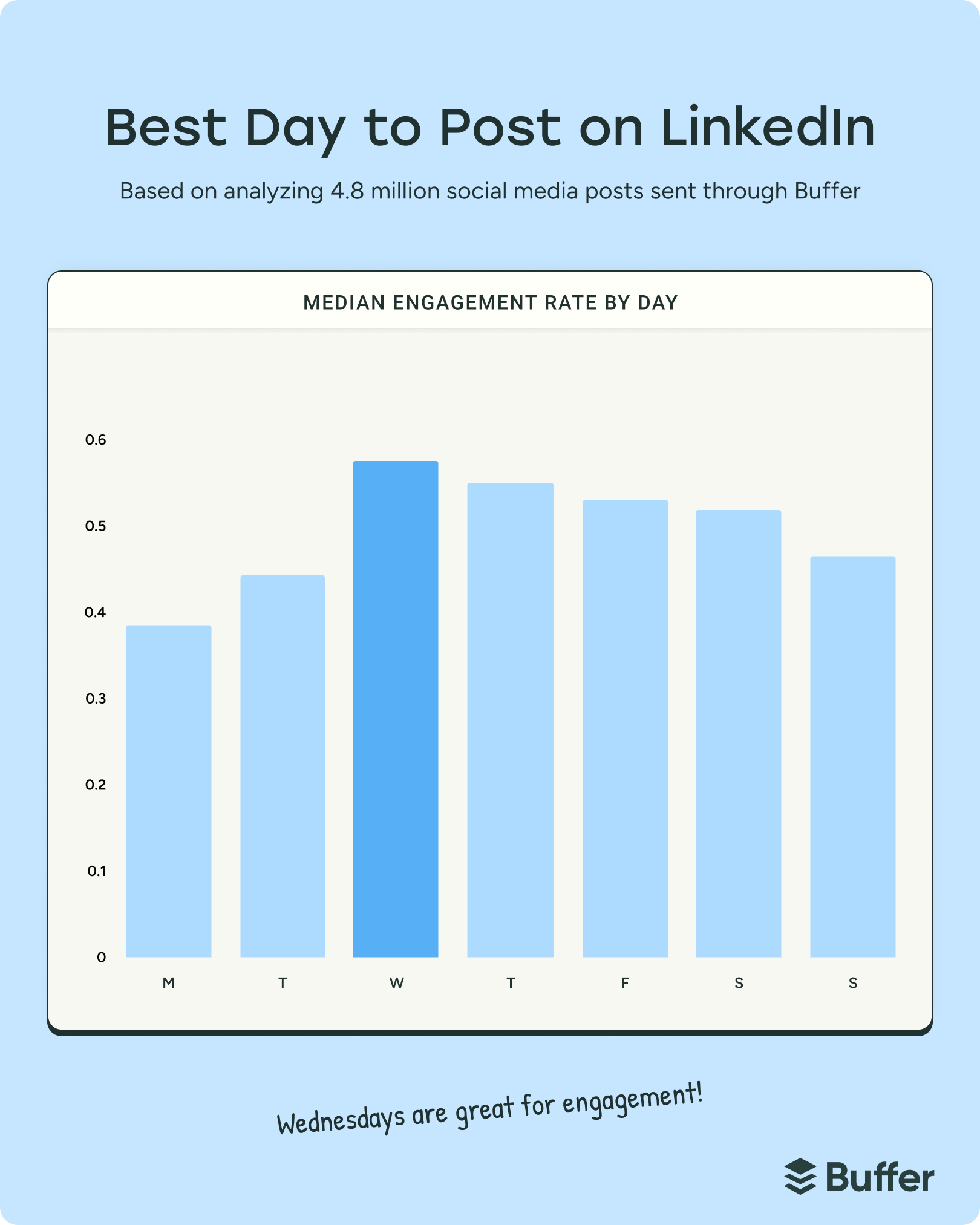
- Monday: The best time to post is 10 p.m., with 5 p.m. and 9 p.m. also showing strong engagement. Mondays generally exhibit lower overall engagement, suggesting that users are focused on starting their work week rather than extensive social media interaction. High-priority content might be better reserved for later in the week.
- Tuesday: Optimal posting occurs at 4 p.m., followed by 5 p.m. and 10 p.m. Similar to Monday, Tuesday sees slightly subdued engagement compared to midweek, necessitating careful consideration for high-stakes content.
- Wednesday: This day emerges as the undisputed champion for LinkedIn engagement. The best time is 4 p.m., a standout slot for the entire week. Other strong times include 3 p.m. and 5 p.m., creating a robust afternoon-to-early-evening window. Wednesday is identified as the prime day for sharing critical content.
- Thursday: The best time is 5 p.m., with 7 p.m. and 9 p.m. also performing well. This late-afternoon to evening trend reinforces the general shift toward post-work engagement.
- Friday: Friday maintains strong engagement, particularly as professionals wind down their week. The best time to post is 3 p.m., followed closely by 4 p.m. and 5 p.m. This makes Friday a valuable day for content distribution.
- Saturday: Engagement significantly drops on weekends. However, if posting is necessary, 9 a.m. is the optimal time, with 6 p.m. and 10 p.m. also showing some activity. Weekends should generally be avoided for content requiring high interaction.
- Sunday: Similar to Saturday, Sunday sees considerably lower engagement. The best time is 10 p.m., with 9 p.m. and 6 a.m. also noted, though these remain significantly weaker than weekday options.
Broader Implications for LinkedIn Marketing Strategies
The findings from Buffer’s 2026 LinkedIn analysis carry substantial implications for anyone leveraging the platform for professional growth, lead generation, or brand building. The shift away from traditional working hours means that content calendars, once heavily front-loaded in the morning, may need a significant overhaul.
- Content Scheduling: Marketers and individuals should prioritize late afternoon and evening slots, especially from Wednesday to Friday. This doesn’t entirely negate midday posts, as LinkedIn’s own marketing blog acknowledges that lunch breaks and mid-afternoon pauses still see some activity. However, these are no longer the peak engagement periods.
- Audience Behavior: The data suggests a more relaxed, perhaps contemplative, mode of engagement in the evenings. This could influence the type of content that resonates during these times. Thought leadership, insightful analyses, industry news summaries, or content designed for deeper reflection might perform exceptionally well when users are less rushed than during a workday scroll.
- Global Reach: The normalization of posting times by local time zones is crucial for international brands or individuals targeting diverse geographical audiences. It simplifies strategy, allowing creators to schedule content for 4 p.m. in New York, 4 p.m. in London, and 4 p.m. in Singapore without complex conversions.
- Algorithmic Understanding: Understanding that LinkedIn’s algorithm prioritizes engagement reinforces the need for compelling content delivered at opportune moments. The "golden hour," though not an officially confirmed fixed window, still points to the importance of early interactions in signaling a post’s value to the algorithm.
Expert Commentary and Industry Reactions
Julian Winternheimer, Buffer’s data scientist, expressed his observations on the evolving patterns: "The sustained shift into evening hours on LinkedIn is genuinely fascinating and somewhat unexpected given the platform’s professional nature. It speaks to a broader trend of digital integration into our daily lives, where the lines between ‘work time’ and ‘personal time’ for content consumption are increasingly blurred. For content creators, this isn’t just a minor tweak; it’s a fundamental signal to re-evaluate when and how they engage their professional audience."
Industry analysts also weighed in, highlighting the strategic adjustments required. Sarah Jenkins, a leading social media consultant, remarked, "This data from Buffer is a critical update for anyone serious about LinkedIn. For too long, the default strategy has been ‘post in the morning, during work hours.’ Now, we have clear evidence that professionals are seeking out valuable content after they’ve logged off their official duties. This opens up new opportunities for engagement and content types, perhaps favoring more in-depth articles or thought-provoking discussions that people can absorb without the immediate pressures of the workday."
Beyond Timing: The Interplay of Frequency and Content Type
While optimal timing is crucial, it’s part of a larger ecosystem of factors influencing LinkedIn success. Buffer’s research also touches upon posting frequency and content type as equally vital elements.
- Posting Frequency: A separate analysis by Buffer on over 2 million LinkedIn posts indicates that consistency is key. Posting 2 to 5 times per week is a recommended starting point, yielding approximately 1,182 more impressions per post and a 0.23 percentage point increase in engagement rate compared to posting just once a week. Higher frequencies, such as 6 to 10 posts per week, further amplify these gains, delivering an additional 5,001 impressions per post. For those able to sustain 11 or more posts per week, the benefits are dramatic, with nearly 17,000 more impressions and three times the engagement. This suggests that the LinkedIn algorithm rewards consistent activity, regardless of audience size.
- Content Type: The format of content also plays a significant role. Buffer’s data reveals that carousel (document) posts generate up to 596% more engagement than text-only posts, positioning them as the current standout format on the platform. Beyond format, content that delivers genuine insight, professional value, or a unique perspective consistently performs well, aligning with LinkedIn’s core mission as a professional development and networking hub.
Personalizing Your Strategy with Analytics
Despite these broad recommendations, Buffer emphasizes that every audience is unique. The provided optimal times serve as a powerful starting point, but individual experimentation and diligent analysis of personal social media analytics remain indispensable. While native LinkedIn Analytics can highlight top-performing posts, it lacks the precise timestamp detail needed for granular timing analysis (often showing only "3h" or "2d").
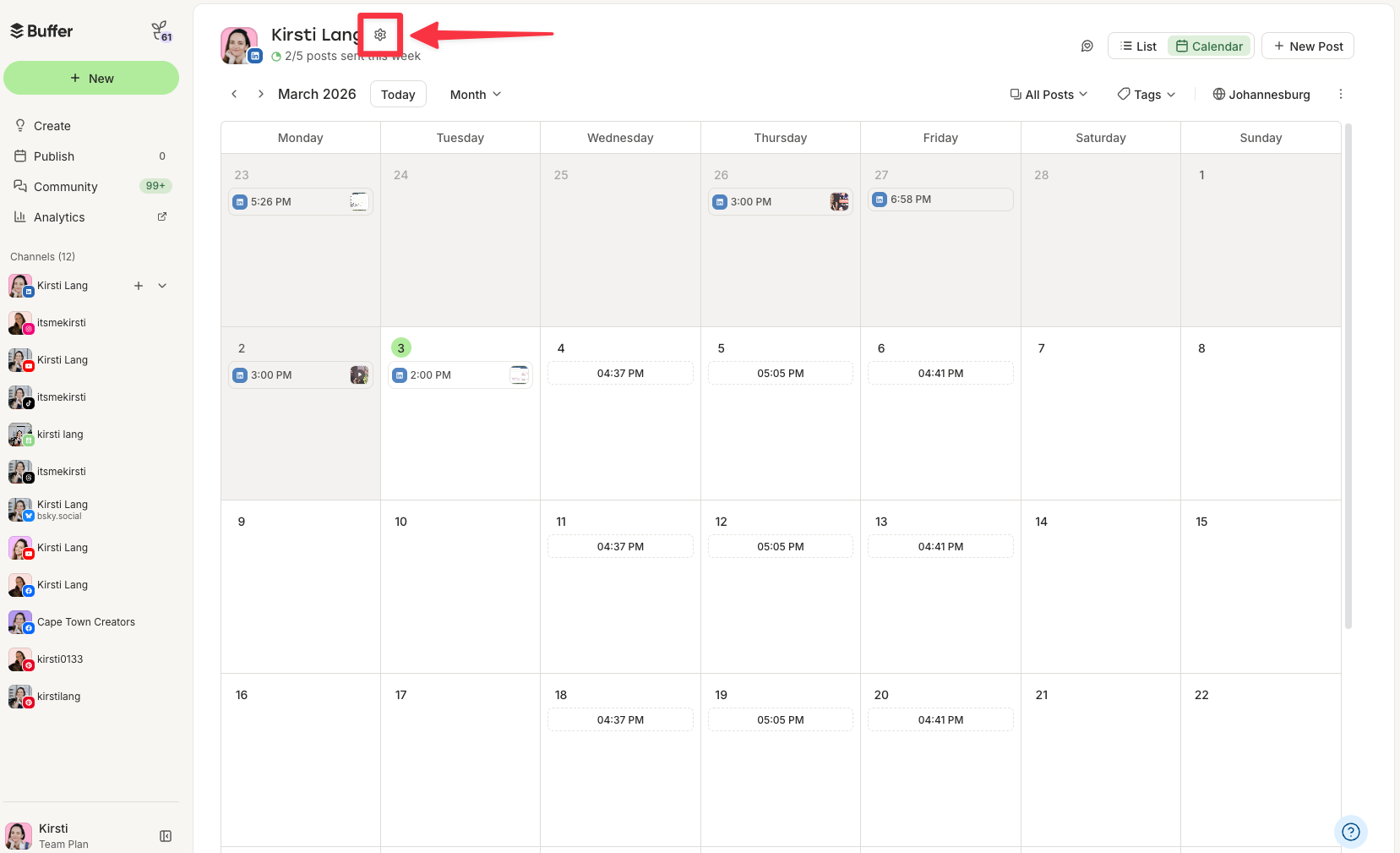
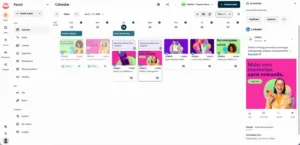
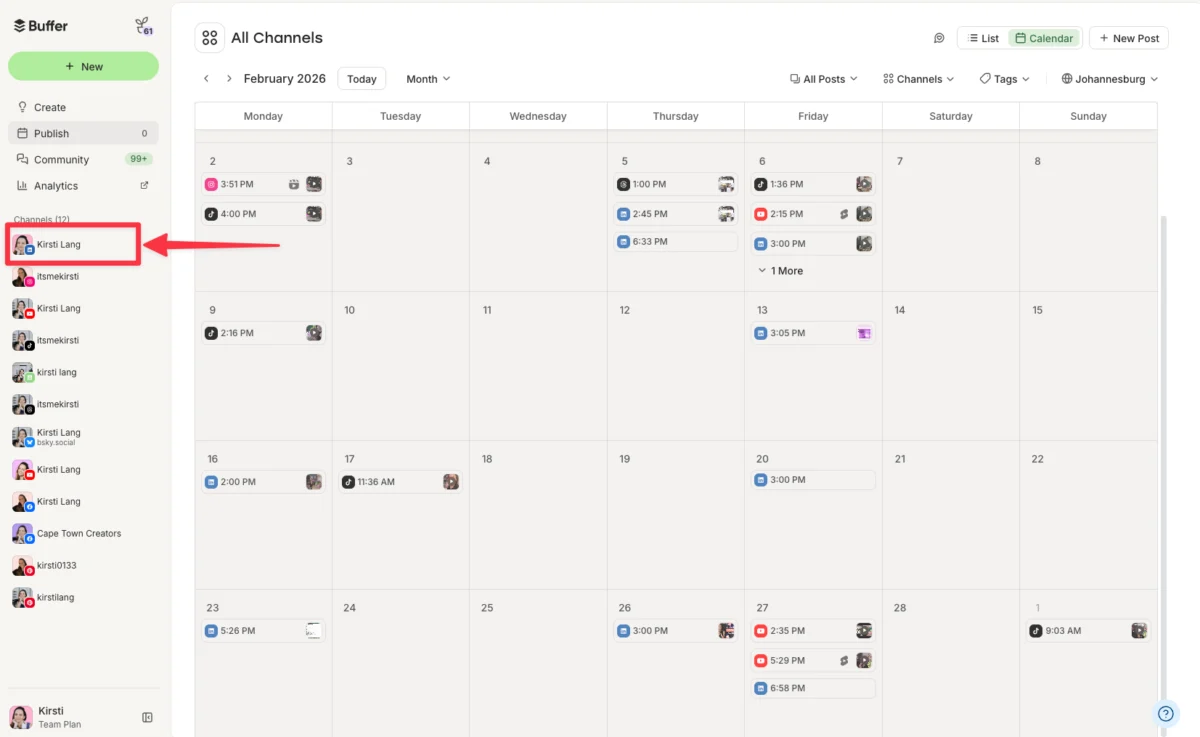
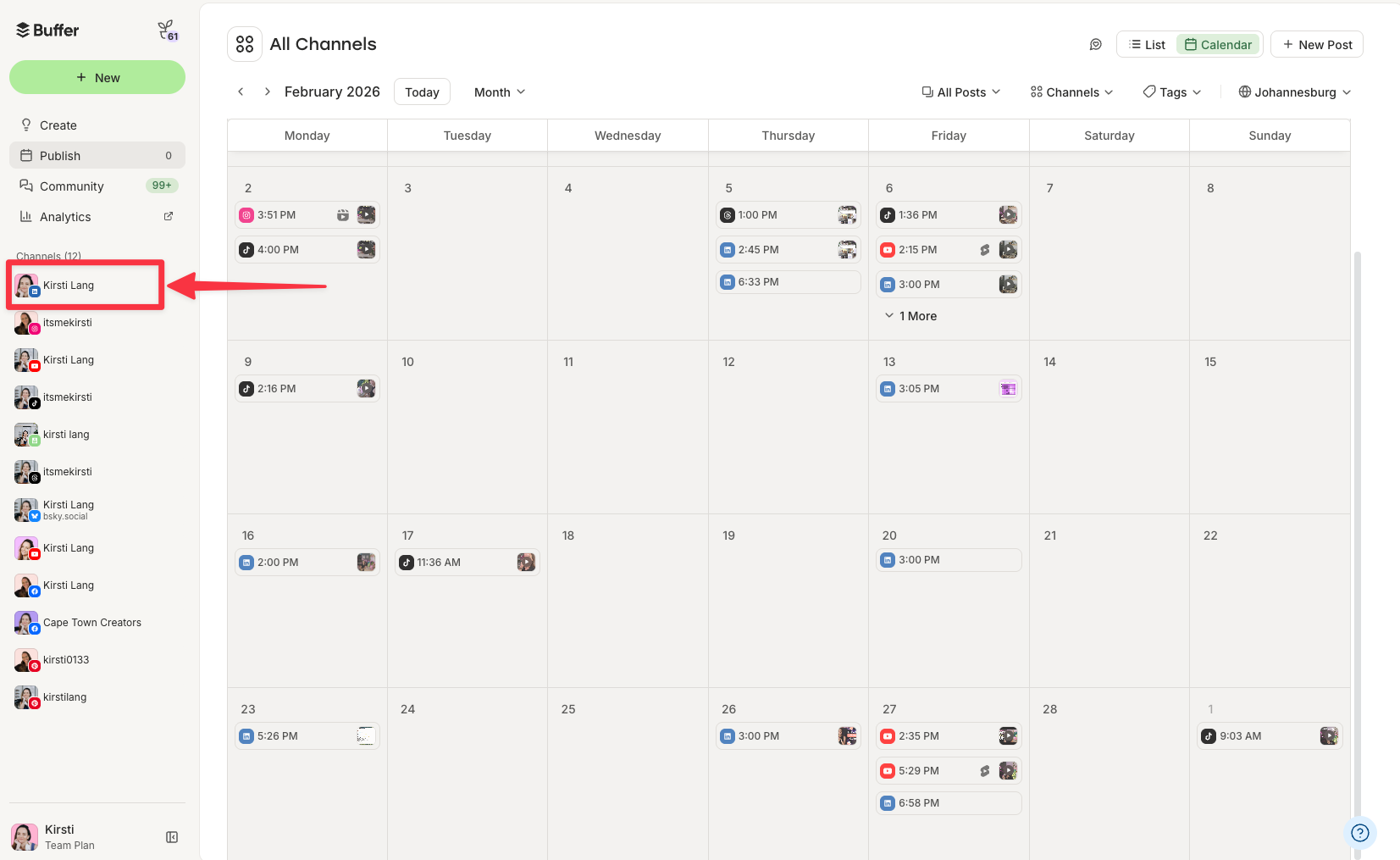
Tools like Buffer integrate these insights directly into their scheduling capabilities, allowing users to automatically populate their content calendars with recommended high-engagement slots. This automation simplifies the process, enabling users to leverage the latest data without manually tracking peak times. By continuously monitoring their own results through Buffer Insights or similar analytical dashboards, users can fine-tune their posting schedules to align perfectly with their specific audience’s behavior, ultimately maximizing reach and engagement.
Conclusion: Adapting to the New LinkedIn Landscape
The 2026 LinkedIn engagement data from Buffer signals a definitive shift in user behavior, with evening hours emerging as the new frontier for professional content interaction. This evolution necessitates a strategic re-evaluation for anyone looking to maximize their impact on the platform. By understanding and adapting to these new optimal posting times, prioritizing consistent, high-value content, and leveraging analytical tools, marketers, brands, and individual professionals can effectively navigate the dynamic landscape of LinkedIn and unlock greater opportunities for connection and growth in the years to come. The era of the "9-to-5" LinkedIn engagement is yielding to a more flexible, integrated approach, reflecting the ever-changing nature of work and digital life.