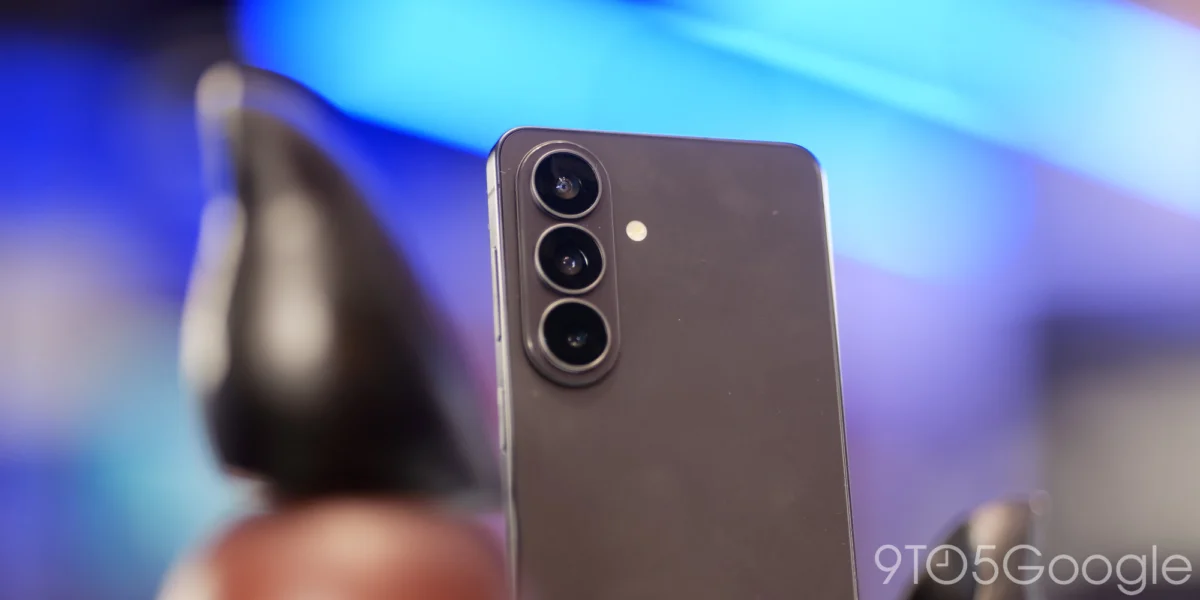
New documentation concerning the technical specifications of the Samsung Galaxy S27 series has surfaced, providing a detailed look at the internal hardware components Samsung is currently evaluating for its next-generation smartphone lineup. Based on recent reports from industry observers and supply chain leaks, the company appears to be moving toward a segmented strategy that prioritizes hardware consistency in entry-level models while attempting to overhaul the imaging architecture of its premium Pro and Ultra offerings. However, the proposed configuration suggests that some long-standing features—specifically the multi-lens telephoto systems that have defined the Ultra series—may be facing significant architectural changes that could alienate power users.
The Evolving Camera Landscape of the Galaxy S27 Series
The forthcoming Galaxy S27 lineup, which is expected to include the standard Galaxy S27, Galaxy S27+, Galaxy S27 Pro, and Galaxy S27 Ultra, displays a distinct divergence in hardware philosophy. According to data sourced from SammyGuru, the entry-level models, the Galaxy S27 and S27+, are slated to maintain a high degree of continuity with their predecessors. These devices are projected to utilize main camera sensors identical to those found in the previous generation, alongside an ultrawide sensor that has remained largely unchanged since the Galaxy S23 series.
While the telephoto and selfie sensors for these base models are slated for minor hardware updates, analysts note that these changes do not appear to represent a generational leap in imaging capability. For consumers looking for significant year-over-year improvements, the base and Plus models may present a conservative upgrade path, focusing more on software-based computational photography enhancements rather than optical hardware revolutions.
Conversely, the Galaxy S27 Pro and Galaxy S27 Ultra are being positioned to feature more substantial hardware shifts. Both devices are expected to incorporate a 200MP main camera sensor, likely the Samsung S5KHP6, alongside a 50MP ultrawide shooter. The most significant point of discussion, however, involves the telephoto array. While the Pro is expected to offer a 3x optical zoom, the Ultra is slated for a 5x optical zoom, both utilizing a 50MP sensor. The potential removal of a secondary telephoto lens—a staple of the Ultra series’ versatility—marks a significant departure from the multi-focal length approach that has historically distinguished Samsung’s top-tier devices from competitors.
Chronology of Samsung’s Camera Evolution
To understand the implications of these leaks, one must look at the historical trajectory of the Galaxy S series. Since the introduction of the "Ultra" branding, Samsung has consistently marketed its flagship devices as the gold standard for mobile zoom capabilities.

- Galaxy S20 Ultra (2020): Samsung introduced the periscope zoom lens, setting a new benchmark for optical reach in mobile devices.
- Galaxy S21-S23 Ultra Era: The company refined its dual-telephoto approach, offering both a 3x and 10x optical zoom lens, which allowed for exceptional detail across a wide range of focal lengths.
- Galaxy S24 Ultra (2024): A shift occurred as Samsung moved from a 10x optical zoom to a 5x optical zoom with a higher-resolution 50MP sensor, citing better low-light performance and crop-zoom capabilities as the primary drivers for the change.
- Galaxy S26/S27 Projection (2026-2027): Current leaks indicate that Samsung is looking to further streamline the hardware, potentially reducing the number of lenses to simplify the internal stack while increasing the pixel count of the remaining sensors.
This timeline demonstrates a transition from "maximum optical reach" to a focus on "sensor resolution and computational processing." By moving to 50MP sensors across the telephoto and ultrawide arrays, Samsung is likely attempting to rely on high-resolution cropping to achieve the equivalent of previous zoom levels, a move that offers both manufacturing cost benefits and potential gains in image clarity through pixel binning.
Technical Specifications and Hardware Analysis
The following table summarizes the projected hardware configurations for the Galaxy S27 series based on current supply chain reports:
| Feature | Galaxy S27 | Galaxy S27+ | Galaxy S27 Pro | Galaxy S27 Ultra |
|---|---|---|---|---|
| Main | 50MP (IMX955/S5KGNG) | 50MP (IMX955/S5KGNG) | 200MP (S5KHP6) | 200MP (S5KHP6) |
| Ultrawide | 12MP (IMX564) | 12MP (IMX564) | 50MP (S5KJN3/IMX855) | 50MP (S5KJN3/IMX855) |
| Telephoto | 12MP, 3x (S5K3K1) | 12MP, 3x (S5K3K1) | 50MP, 3x (S5KJN3/IMX855) | 50MP, 5x (S5KJN3/IMX855) |
| Selfie | 12MP (S5K3LU/IMX874) | 12MP (S5K3LU/IMX874) | 16MP (S5K2P5) | 16MP (S5K2P5) |
The reliance on common sensors like the Samsung S5KJN3 for both ultrawide and telephoto duties across the Pro and Ultra models suggests a move toward modular component sharing. This strategy is common in consumer electronics to streamline supply chain logistics and reduce costs. However, from a consumer perspective, this homogenization of hardware raises questions about the degree of differentiation between the Pro and the Ultra.
Industry Context and Competitive Pressures
Samsung’s strategy must be viewed against the backdrop of an increasingly aggressive mobile photography market. Manufacturers such as Oppo, Xiaomi, and Vivo have made significant gains in hardware, often utilizing larger 1-inch type sensors and sophisticated periscope assemblies that provide better light intake and more natural bokeh.
When manufacturers "cut" lenses or maintain aging sensor technology, they often cite the need to balance the rising costs of mobile processors, increased RAM requirements for on-device artificial intelligence, and the general inflationary pressures on component manufacturing. However, as competitors lean into larger physical optics, Samsung’s reliance on high-megapixel sensors to perform "in-sensor zoom" is increasingly scrutinized. While high-resolution sensors provide excellent detail in daylight, they historically struggle to match the light-gathering capability of larger physical glass at long focal lengths in low-light environments.
Implications for the Consumer
The implications for the average consumer are twofold. First, the standardization of the camera lineup means that the experience of using a Galaxy S27 Pro may be fundamentally similar to the Ultra in terms of primary imaging, with the Ultra’s value proposition potentially shifting toward its display size, battery life, and S-Pen integration rather than a superior camera system.

Second, the lack of significant upgrades in the base and Plus models suggests that Samsung is comfortable with the performance of its existing hardware. For users who upgrade their phones every two to three years, this may be acceptable, but for the enthusiast market, it may signal that the period of rapid hardware advancement in smartphone photography is reaching a plateau.
Official Stance and Market Response
As of this writing, Samsung has not issued an official statement regarding the specifications of the Galaxy S27 series. It is standard corporate policy for the company to remain silent on unannounced products. However, industry analysts suggest that if these leaks hold true, Samsung will likely pivot its marketing focus toward the "Galaxy AI" suite, emphasizing how software processing can compensate for hardware limitations.
The market response, as seen in early discussions on platforms like X and various tech forums, has been mixed. Many users have expressed disappointment regarding the potential loss of a dedicated secondary telephoto lens, which has been a hallmark of the Ultra series’ utility for event photography, travel, and wildlife documentation. Conversely, others note that if the 50MP telephoto sensor provides significantly better cropping capabilities than the previous 12MP telephoto, the trade-off may be justified in terms of overall image quality.
Ultimately, the Galaxy S27 series represents a critical junction for Samsung. As the company continues to navigate the "RAMageddon" era—where the cost of high-performance memory and chips limits the budget available for other components—it is forced to make difficult compromises. Whether these camera adjustments are perceived as a strategic optimization or a step back will depend on the final implementation of the image processing pipeline and how effectively Samsung can bridge the gap between physical hardware and computational enhancement. As the expected release date approaches, further leaks regarding the software-side optimizations will be essential in forming a complete picture of the device’s true capabilities.