Apple is poised to revolutionize its device acquisition model with the introduction of a new leasing program, tentatively named "Apple Upgrade," set to launch on July 28th. This initiative, reported by Bloomberg, will see Apple partner with the prominent financial technology company Klarna to offer consumers a subscription-like method for acquiring iPhones, Apple Watches, iPads, and Macs. The program aims to make Apple’s premium hardware more accessible and adaptable to evolving consumer needs, particularly in the wake of recent price adjustments across its product lines.
The "Apple Upgrade" program will operate on a tiered leasing structure. For iPhones and Apple Watches, users can expect a 24-month lease term. Larger devices such as iPads and Macs will be available under 36-month lease agreements. A key feature of this new program is its flexibility, allowing users to pay off their devices early, upgrade to newer models before the lease term concludes, and ultimately decide whether to purchase the device outright or return it at the end of the leasing period. This offers a departure from traditional outright purchase models and even Apple’s existing upgrade programs, providing a more dynamic ownership experience.
However, not all of Apple’s popular devices will be eligible for the "Apple Upgrade" program. Notably excluded from this new leasing initiative are the Apple Watch SE, the base model iPad, the upcoming iPhone 16, and a device referred to as the MacBook Neo. The specific reasons for these exclusions have not been officially disclosed, but it could indicate a strategy to focus the leasing program on higher-end or more frequently updated models where the leasing model might offer a more compelling value proposition or stimulate sales of newer iterations.
A significant distinction between "Apple Upgrade" and its predecessor, the iPhone Upgrade Program, is the exclusion of AppleCare. The existing iPhone Upgrade Program bundled Apple’s extended warranty and accidental damage coverage, a feature that will be absent in the new program. This means users will need to consider purchasing AppleCare separately or rely on their own insurance solutions if they wish to protect their leased devices. This decision could be a strategic move to streamline the program’s operational costs or to encourage consumers to make a conscious choice about their protection needs.
The introduction of "Apple Upgrade" comes approximately one month after Apple implemented a series of price increases across most of its device categories, with the exception of iPhones. This broader price hike, which impacted iPads, Macs, and other accessories, has been interpreted by industry analysts as a potential pressure point for consumer spending. The "Apple Upgrade" program is widely seen as a strategic response to this pricing shift, designed to mitigate the impact of higher upfront costs and to encourage continued consumer engagement with Apple’s ecosystem by offering more manageable payment options. By breaking down the cost of premium devices into smaller, predictable monthly payments, Apple aims to maintain sales momentum and customer loyalty, even in an environment of increased device prices.
Background: The Evolution of Device Acquisition
The traditional model of purchasing consumer electronics has long been an outright ownership paradigm. Consumers would save up, secure financing, or utilize credit cards to acquire devices. However, the increasing cost of flagship smartphones, laptops, and tablets has prompted a shift in consumer behavior and manufacturer strategies. Subscription and leasing models have gained traction in various industries, from automotive to fashion, and the tech sector is increasingly embracing this trend.
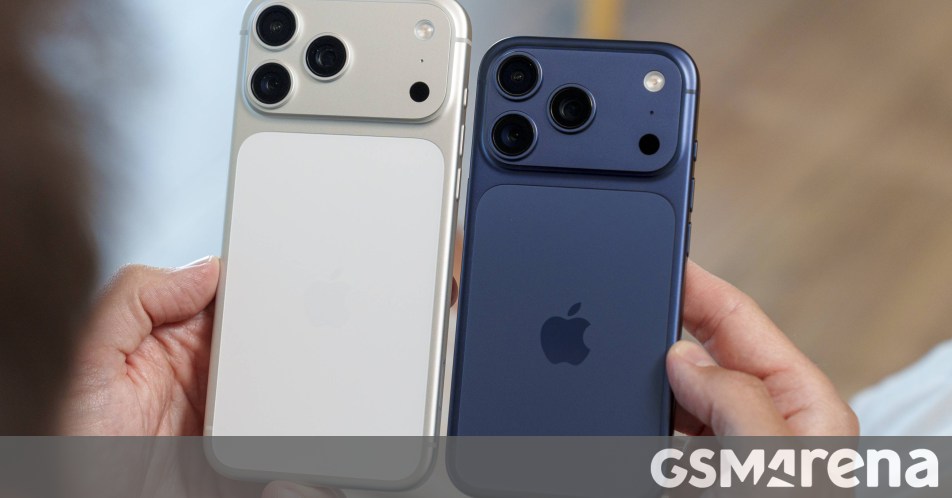
Apple’s first significant foray into a structured upgrade program was the iPhone Upgrade Program, launched in 2015. This program allowed customers to pay for their iPhones in monthly installments over 24 months, with the option to upgrade to a new iPhone after making 12 payments. It was a precursor to the current leasing trend, offering a more flexible way to own the latest iPhone. The discontinuation of this program with the launch of "Apple Upgrade" suggests a broader strategy to standardize and potentially expand leasing across more product categories.
The partnership with Klarna is also noteworthy. Klarna is a global financial technology leader known for its "buy now, pay later" (BNPL) services. Its integration into Apple’s leasing program indicates a commitment to leveraging sophisticated payment infrastructure and a deep understanding of consumer credit and installment plans. Klarna’s existing user base and its established reputation in the BNPL market could provide Apple with immediate access to a wider audience receptive to flexible payment options. Klarna’s services typically involve soft credit checks, which are less impactful on a consumer’s credit score than hard credit checks, making the application process more accessible.
The "Apple Upgrade" Program Details
Lease Terms and Device Eligibility:
- iPhone and Apple Watch: 24-month lease term.
- iPad and Mac: 36-month lease term.
- Excluded Devices: Apple Watch SE, base model iPad, iPhone 16, MacBook Neo.
Key Features:
- Soft Credit Check: Required for program eligibility, indicating a less stringent approval process compared to traditional loans.
- Early Payoff and Upgrade: Flexibility to settle the remaining lease balance and upgrade to a new device before the lease term ends.
- End-of-Lease Options: Users can choose to return the device or purchase it outright, providing control over their hardware lifecycle.
Distinction from Existing Programs:
- No AppleCare Inclusion: Unlike the iPhone Upgrade Program, AppleCare will not be automatically bundled. This necessitates separate consideration for device protection.
Rationale for Launch:
- Response to Price Increases: The program is likely designed to offset the impact of recent price hikes on iPads, Macs, and other devices, making them more affordable on a monthly basis.
- Stimulating Sales: By offering a more accessible entry point, Apple aims to encourage consistent device upgrades and maintain sales volume.
Supporting Data and Market Context
The global smartphone market, while mature, continues to see strong demand for premium devices. However, the average selling price (ASP) of smartphones has been steadily increasing. According to Statista, the global ASP for smartphones reached approximately $390 in 2023. For premium devices like iPhones, the ASP is considerably higher, with the latest models often exceeding $1,000. This trend makes outright purchases a significant financial commitment for many consumers.
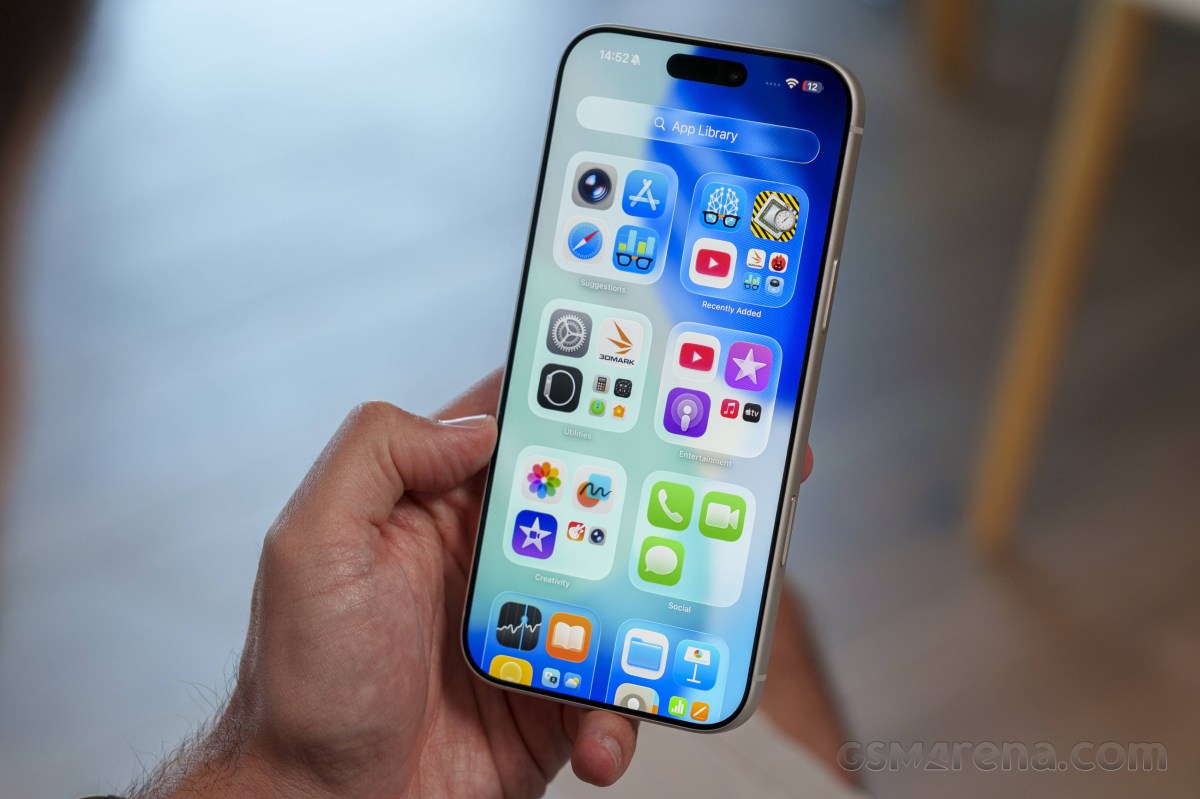
Similarly, the laptop and tablet markets also represent substantial investments. A new MacBook can range from $1,000 to over $3,000, while iPads also span a wide price spectrum. These costs can deter some consumers from upgrading as frequently as they might desire, or from purchasing these devices at all.
The rise of the subscription economy is a significant trend influencing consumer preferences. A study by Deloitte found that a growing number of consumers prefer subscription models for accessing goods and services, citing convenience, flexibility, and predictable costs as key drivers. This shift in consumer mindset aligns perfectly with Apple’s move towards a leasing model.
The partnership with Klarna also taps into the burgeoning "buy now, pay later" (BNPL) market. The global BNPL market was valued at over $100 billion in 2023 and is projected to grow significantly in the coming years. BNPL services have become increasingly popular among younger demographics and those seeking to spread out payments without incurring high interest rates associated with traditional credit cards.
Chronology of Events and Potential Impact
- September 2015: Apple launches the iPhone Upgrade Program, offering a monthly payment plan and upgrade option.
- Early to Mid-2024: Apple implements price increases across its product lines, excluding iPhones.
- Late June/Early July 2024: Reports emerge of Apple exploring new device leasing programs.
- July 21, 2024 (reported): Bloomberg reports on Apple’s planned "Apple Upgrade" program in partnership with Klarna, with a launch date of July 28th.
- July 28, 2024 (expected): Official launch of the "Apple Upgrade" program.
The implications of "Apple Upgrade" are far-reaching. For consumers, it offers a more manageable way to access and regularly update their Apple devices. This could lead to increased customer satisfaction and loyalty, as the barrier to entry for new technology is lowered. The flexibility to upgrade or purchase at the end of the lease also provides greater control over personal technology lifecycles.
For Apple, the program is a strategic move to bolster sales, especially in light of recent price adjustments. By offering predictable monthly payments, Apple can potentially smooth out sales fluctuations and encourage a more consistent upgrade cycle. This could also lead to a more predictable revenue stream from device leases.
The discontinuation of the iPhone Upgrade Program in favor of "Apple Upgrade" suggests a desire to consolidate and standardize its leasing offerings across the entire product ecosystem, with the exception of certain entry-level or specialized models. This could simplify marketing efforts and streamline operational management.
However, the exclusion of AppleCare might present a challenge. Consumers accustomed to the bundled protection might be hesitant to adopt the new program without it, or they may incur additional costs for separate warranty coverage. Apple will need to clearly communicate the benefits and options available for device protection.

Broader Industry Impact and Analysis
The success of Apple’s "Apple Upgrade" program could set a precedent for other consumer electronics manufacturers. As device prices continue to climb and consumers become more accustomed to subscription-based services, similar leasing or financing initiatives may become more prevalent across the industry. This could lead to a fundamental shift in how consumers acquire and interact with technology.
Furthermore, the partnership with Klarna highlights the growing influence of FinTech companies in shaping traditional retail landscapes. By integrating with established players like Apple, FinTech firms can expand their reach and offer their services to a broader customer base. This symbiotic relationship could foster further innovation in payment solutions and consumer credit.
Industry analysts will be closely watching the adoption rates and consumer reception of "Apple Upgrade." Key metrics will include the percentage of eligible device sales conducted through the leasing program, customer satisfaction with the leasing terms, and the impact on overall device upgrade cycles. The program’s performance could influence Apple’s future product release strategies and its approach to pricing and financing across its vast product portfolio.
In conclusion, the imminent launch of "Apple Upgrade" signifies Apple’s commitment to adapting its business model to meet evolving consumer demands and market dynamics. By leveraging partnerships with financial technology leaders and offering flexible leasing options, Apple aims to maintain its market dominance and ensure that its premium devices remain accessible to a wider audience. The program’s success will not only impact Apple’s bottom line but could also reshape the landscape of consumer electronics acquisition for years to come.