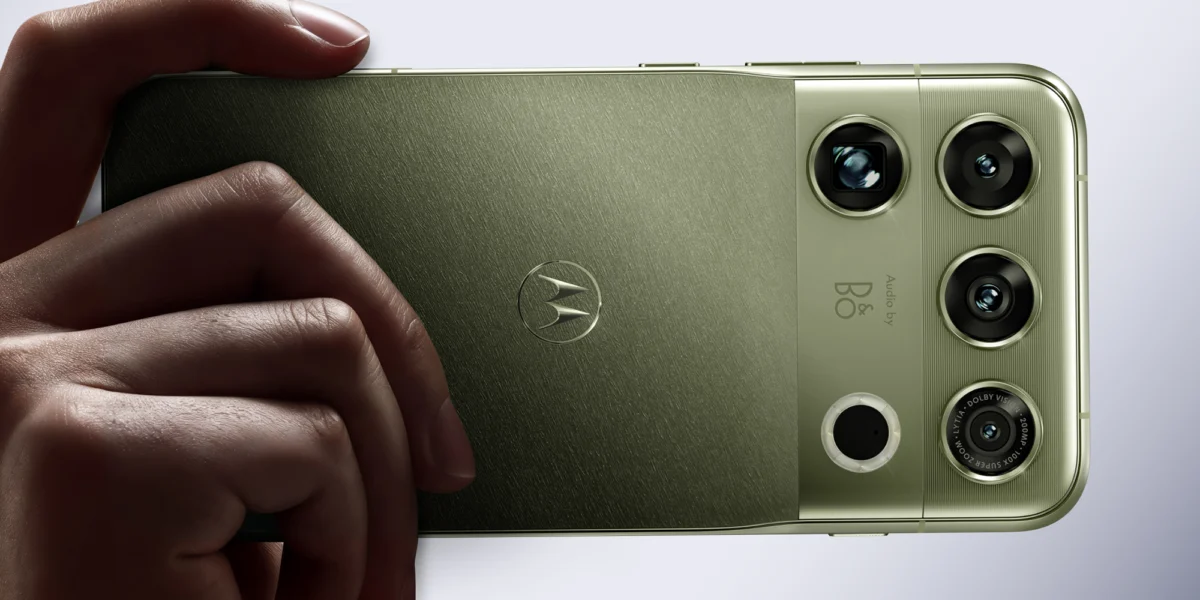
Following a highly anticipated tease during the annual Snapdragon Summit, Motorola has officially put to rest the speculation regarding the availability of its next-generation flagship, the Signature 27, in the North American market. The confirmation, issued directly to media outlets, signals a strategic pivot for the Lenovo-owned brand as it attempts to re-enter the premium smartphone tier in the United States—a segment the company has largely bypassed in favor of mid-range and budget-oriented devices over the past several years. While a precise release date remains forthcoming, the company has indicated that the device will arrive in the coming months, marking a significant milestone in Motorola’s product roadmap.
The Return to the Flagship Tier
For years, Motorola’s presence in the North American market has been defined by its highly successful Moto G series and the Razr foldable lineup. While the Razr has maintained a premium price point, the company has lacked a traditional "candy bar" flagship to compete directly with the Samsung Galaxy S-series or the Google Pixel Pro lineup. The Signature 27 is positioned to change this narrative.
At the core of the device is the newly unveiled Qualcomm Snapdragon 8 Elite Extreme Gen 6 processor. This chipset represents the cutting edge of mobile silicon, promising advancements in neural processing, energy efficiency, and thermal management. By committing to this hardware, Motorola is signaling its intent to capture the attention of power users who demand high-performance capabilities for gaming, multitasking, and on-device artificial intelligence tasks. Furthermore, the commitment to seven years of software updates places the Signature 27 in direct competition with the industry leaders who have recently moved to extended support cycles, effectively addressing one of the primary criticisms leveled against Motorola’s previous flagships regarding software longevity.
Chronology of the Announcement
The path to the Signature 27’s confirmation has been measured and deliberate. The initial spark occurred at the Snapdragon Summit, where the device was hinted at as a showcase for the latest Qualcomm technology. This served as a "soft launch," intended to build momentum among tech enthusiasts and industry analysts before the formal announcement.
The timeline leading up to this point has seen Motorola gradually refining its premium offerings. The company’s decision to pursue a "Signature" branding suggests a departure from its alphanumeric naming conventions, implying a focus on design language and premium materials. Following the summit, industry observers noted the absence of a flagship North American release, leading to widespread speculation about the device’s regional exclusivity. The recent confirmation by Motorola, explicitly stating that the device is the "newest addition to its North American smartphone portfolio," serves as the culmination of this strategic silence.
Bang and Olufsen: A Strategic Audio Alliance
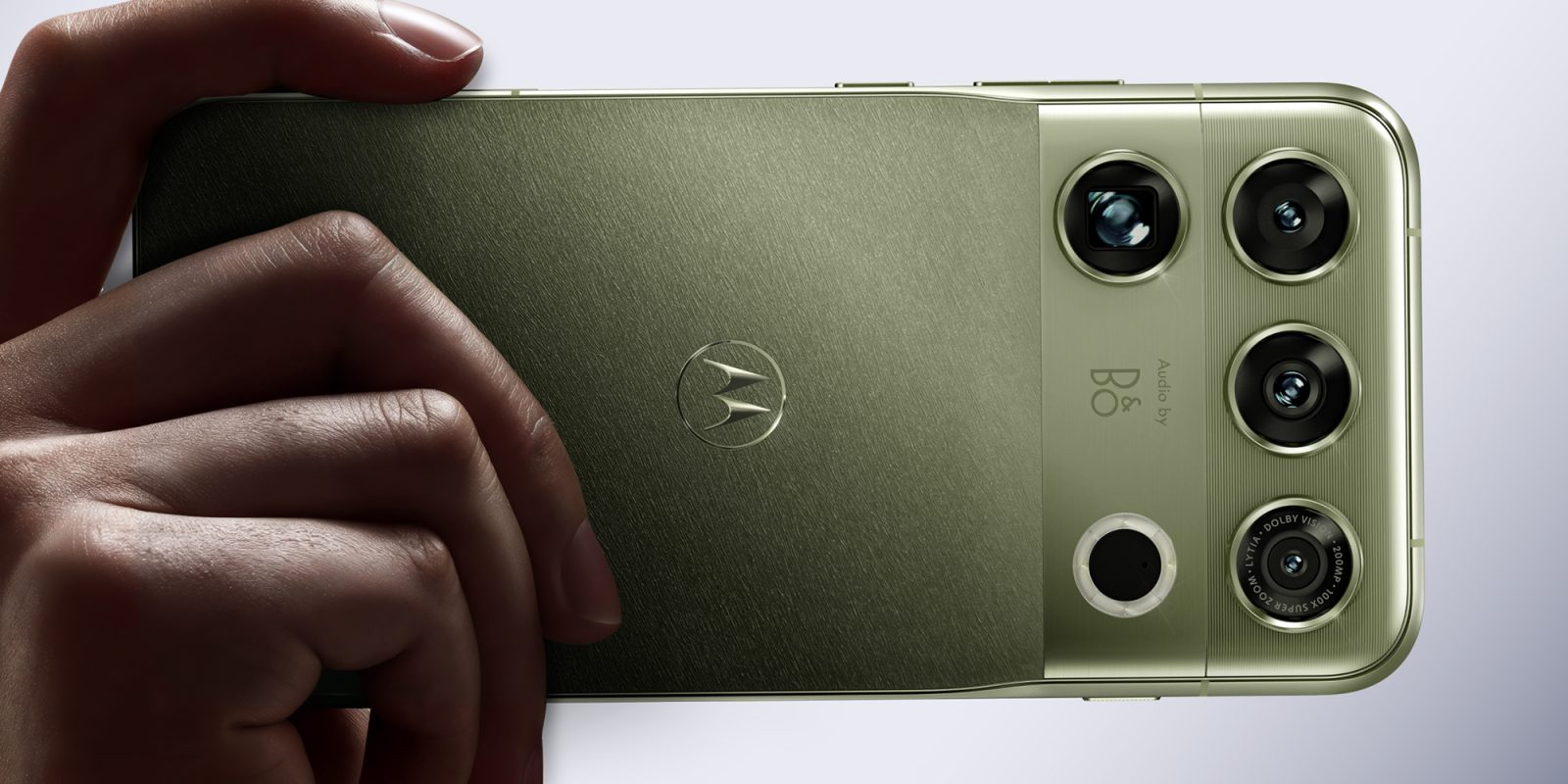
Perhaps the most significant differentiator announced alongside the hardware specifications is the multi-year partnership with the legendary Danish audio brand, Bang and Olufsen. This collaboration is framed as a foundational design philosophy rather than a simple branding exercise.
According to internal documentation shared by the company, the partnership is built on a shared belief in the intersection of high-performance technology and industrial design. Bang and Olufsen, which has a century-long history of defining high-end audio standards, will have its acoustic engineers directly involved in the tuning of the Signature 27’s audio output. The collaboration is expected to extend beyond simple hardware calibration; it will encompass new user interface sound modes, proprietary audio processing technologies, and a broader ecosystem integration that will eventually trickle down to other flagship devices in the Motorola portfolio.
Industry analysts view this partnership as a move to elevate the "sensory" experience of the device. In a market where hardware specifications like RAM and processor speeds are becoming increasingly commoditized, luxury collaborations serve as a vital marketing tool to differentiate products in a crowded field.
Industry Implications and Market Analysis
The re-entry of Motorola into the US flagship market is a development with significant implications for the competitive landscape. For the past decade, the North American market has been dominated by a duopoly consisting of Apple and Samsung, with Google’s Pixel series acting as the primary challenger. Motorola’s move represents a potential "third-way" for consumers who are seeking alternatives that offer high-end performance without being locked into the iOS ecosystem or the specific design paradigms of the dominant Android players.
Data from market research firms suggests that while the mid-range segment remains Motorola’s stronghold, the flagship segment is where brand prestige is forged. By launching the Signature 27 with a seven-year support promise, Motorola is attempting to mitigate the long-standing consumer perception that its devices are "disposable" compared to those of its rivals.
However, the challenge for Motorola remains distribution. In the United States, carrier partnerships are the primary driver of smartphone sales. To succeed, the Signature 27 will likely need to secure prominent placement within the retail stores of major carriers like Verizon, AT&T, and T-Mobile. Whether the device will be sold exclusively through unlocked channels or via carrier subsidies will be the next major detail to watch as the launch date approaches.

Technical Expectations
While full technical specifications remain subject to final verification upon release, the convergence of the Snapdragon 8 Elite platform and the seven-year support window sets a high bar. The integration of advanced AI capabilities—now a standard requirement for flagship devices—is expected to be a primary focus of the Signature 27’s software suite.
Furthermore, the design language, which Motorola has emphasized in its teaser materials, suggests a departure from the plastic-heavy builds of its entry-level devices. The industry expects premium materials such as aerospace-grade aluminum or titanium, combined with high-resolution, high-refresh-rate OLED displays. The collaboration with Bang and Olufsen also hints at a focus on superior stereo speaker quality, which has historically been a secondary concern in smartphone design.
Looking Toward the Launch
As the "coming months" window approaches, all eyes will be on the pricing strategy. Motorola has historically enjoyed a competitive pricing advantage, but competing in the flagship tier requires a delicate balance between maintaining profit margins and offering a value proposition that can sway customers away from established brand loyalties.
The Signature 27 represents more than just a new phone; it is a declaration of intent. For Motorola, the goal is to prove that it can once again compete at the highest level of the global smartphone market. By combining the latest in Qualcomm processing, a robust software support lifecycle, and a premium audio partnership with a historic brand, the company is assembling the necessary components to make a meaningful impact. Whether this will be enough to challenge the entrenched market leaders will be determined by the device’s real-world performance, its availability, and the execution of its marketing strategy as the release date nears.
As the industry waits for further updates, the confirmation of the Signature 27 serves as a reminder that the mobile landscape remains dynamic, with even the most established players capable of being challenged by a reinvigorated competitor. For the consumer, the return of a new flagship player promises increased innovation, better value, and more choice in a market that has long been defined by a predictable cycle of upgrades.