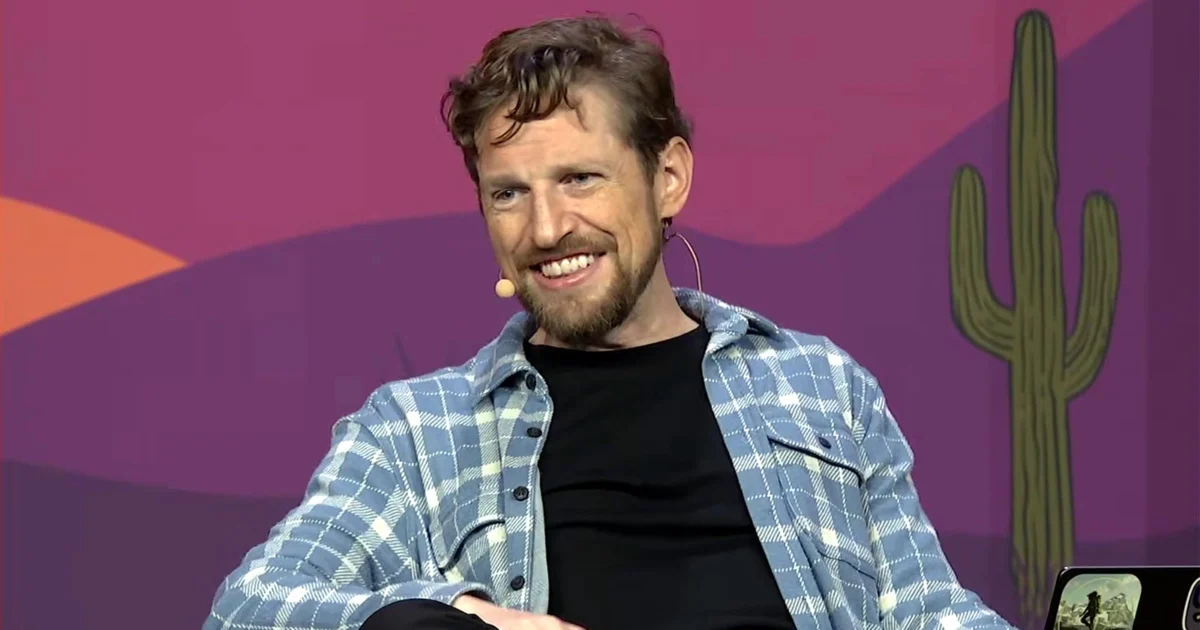
The corporate landscape surrounding Automattic, the driving force behind WordPress.com and a major contributor to the open-source WordPress project, has experienced a tumultuous period of leadership uncertainty. On Saturday, September 12, a spokesperson confirmed that Matt Mullenweg, the co-founder and long-time leader of the company, is back in control as CEO. This resolution brings an abrupt end to a high-stakes standoff that began earlier in the week when the company’s board of directors moved to remove him from his post. The circumstances of his return, however, have raised significant questions regarding corporate governance, the nature of digital control in remote-first organizations, and the authenticity of the company’s official communications.
The Chronology of a Corporate Standoff
The conflict emerged on Wednesday, September 9, when the Automattic Board of Directors took the unexpected step of placing Mullenweg on paid leave. The decision, which blindsided many within the industry, saw the immediate appointment of Mark Davies, the company’s Chief Financial Officer, as interim CEO. According to reports, Mullenweg was provided with only fifty minutes of notice prior to the board meeting, and his request for legal counsel to review the proceedings was summarily denied.
The initial announcement from the company was brief and adhered to standard corporate communication protocols. It stated: “Matt Mullenweg is currently on leave from Automattic. Mark Davies, Automattic’s CFO, will lead the company as interim CEO. The Board has full confidence in Mark’s leadership and in the team’s ability to execute against the company’s priorities.”
However, the transition proved to be technically incomplete. While the board had secured the executive title, they failed to account for Mullenweg’s continued access to the company’s internal communication infrastructure. On Friday, September 11, it became evident that Mullenweg still held administrative privileges within Automattic’s Slack workspace. Utilizing this access, he began removing board-aligned administrators and broadcasting messages to the staff asserting that he had reclaimed his position. This led to a period of confusion, with many observers questioning whether Mullenweg was genuinely back in charge or merely leveraging his digital access to disrupt the board’s decision.
The Battle for Public Perception
The digital standoff quickly transitioned to social media, where the influence of the WordPress ecosystem played a pivotal role. Mary Hubbard, the Executive Director of the WordPress project, issued a public statement via X (formerly Twitter), expressing her relief at Mullenweg’s return. Her endorsement was significant, as it highlighted the inseparable link between Automattic’s corporate health and the broader stability of the WordPress project.
Following Hubbard’s lead, a wave of "Automatticians"—the moniker for the company’s employees—began sharing messages of support for Mullenweg across various platforms. Mullenweg actively amplified these testimonials, effectively creating a feedback loop that signaled overwhelming internal support for his reinstatement. This grassroots campaign proved highly effective in shifting the narrative, as the volume of pro-Mullenweg content significantly outweighed any public discourse favoring the board’s initial decision to remove him.
Analyzing the Official Communication Shift
The resolution of the crisis was marked by a second official statement issued by Automattic at 5:00 PM EST on Saturday, September 12. The text read: “Matt Mullenweg is the chairman and CEO of Automattic, with full support of the board and if you search online you can see many top executives and Automatticians supporting him as well.”
The stark contrast between this statement and the one issued on Wednesday has become a focal point of analysis. Corporate communications are typically characterized by a formal, detached, and vetted tone, designed to mitigate risk and maintain professional decorum. The first statement fit this mold perfectly, utilizing standard corporate syntax.

In contrast, the second statement is noticeably informal and defensive. Its structure, a single run-on sentence that essentially serves as a call to action for the reader to verify the CEO’s support online, lacks the hallmarks of a professional public relations release. The inclusion of an argumentative clause—suggesting that skeptics simply “search online” to find evidence of support—has led to widespread speculation that the text was either written or directly dictated by Mullenweg himself, rather than by a corporate communications team. This shift suggests that the power dynamics within the company have not only returned to the status quo but that Mullenweg’s influence over the corporate identity has been solidified.
Contextualizing Automattic’s Role in the Digital Economy
To understand the gravity of this situation, one must consider the scope of Automattic’s reach. The company is the primary contributor to WordPress, an open-source platform that powers an estimated 43% of all websites on the internet. Because of this massive footprint, any instability at the executive level of Automattic sends shockwaves through the global web development and publishing communities.
The company operates with a remote-first culture, which likely facilitated the confusion regarding administrative access during the transition. In a traditional office environment, an ouster would involve the immediate collection of physical assets, such as building keys and company hardware. In a distributed digital environment, however, "control" is defined by credentials, Slack channels, and administrative permissions. The fact that Mullenweg was able to maintain this control underscores the unique vulnerabilities of modern, cloud-based corporate structures.
Financial and Operational Implications
Automattic has historically been a private company with a valuation in the billions, fueled by high-profile venture capital backing. Investors generally prioritize stability and clear succession planning, making the board’s initial decision to remove Mullenweg an indicator of deep, perhaps irreconcilable, differences regarding strategy or management.
The rapid reversal of that decision suggests that the board may have underestimated the level of internal loyalty Mullenweg commands. In organizations where the founder is synonymous with the brand, the board’s ability to exert authority is often constrained by the threat of mass talent attrition. The public display of support from long-term employees, such as James Grierson, serves as a testament to the cultural cohesion Mullenweg has built over his tenure.
Future Outlook and Governance Concerns
While the crisis has been averted for now, the incident leaves several lingering questions regarding the long-term governance of Automattic. The board’s initial attempt to remove the CEO indicates that there are active tensions regarding the company’s trajectory. Whether these tensions have been resolved or merely suppressed remains to be seen.
Furthermore, the optics of the situation present a challenge for the company’s reputation. For a firm that prides itself on the open-source philosophy of transparency and community, the closed-door maneuvering of the board, followed by a chaotic and informal reinstatement process, may affect trust among its enterprise partners and users.
Moving forward, stakeholders will be watching for signs of structural change within the board or a formal clarification of the events that led to the initial ouster. The episode serves as a case study in the complexities of leadership in the digital age, demonstrating that in an era of decentralized work, administrative access is as vital to corporate power as the official title of CEO. As Automattic continues to navigate its role as the backbone of the web, the stability of its leadership will remain a critical point of interest for the entire technology sector. The return of Mullenweg may have restored order, but the path taken to reach this conclusion has irrevocably altered the narrative surrounding his authority and the governance of one of the internet’s most influential organizations.