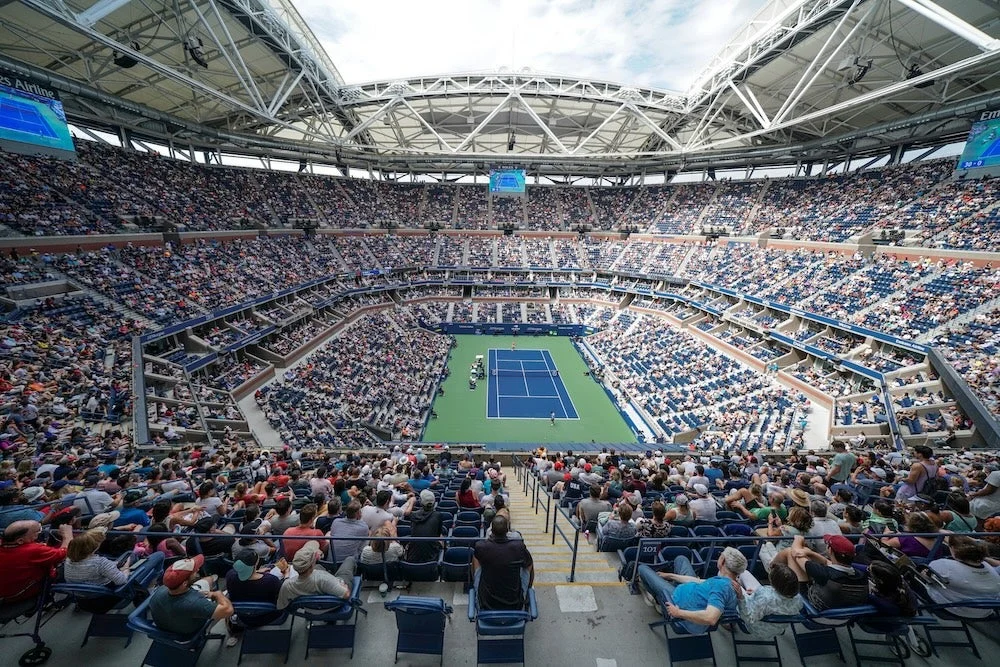
The intersection of sports, entertainment, and digital culture faced a sharp reckoning following widespread public criticism of content creators and social media influencers who attended the 2026 U.S. Open at the USTA Billie Jean King National Tennis Center in Flushing Meadows, New York. While the iconic tournament remains one of the premier global stages in professional sports, this year’s event catalyzed a broader industry-wide debate regarding the integration of non-traditional media personalities into historically rigid, etiquette-driven sporting environments.
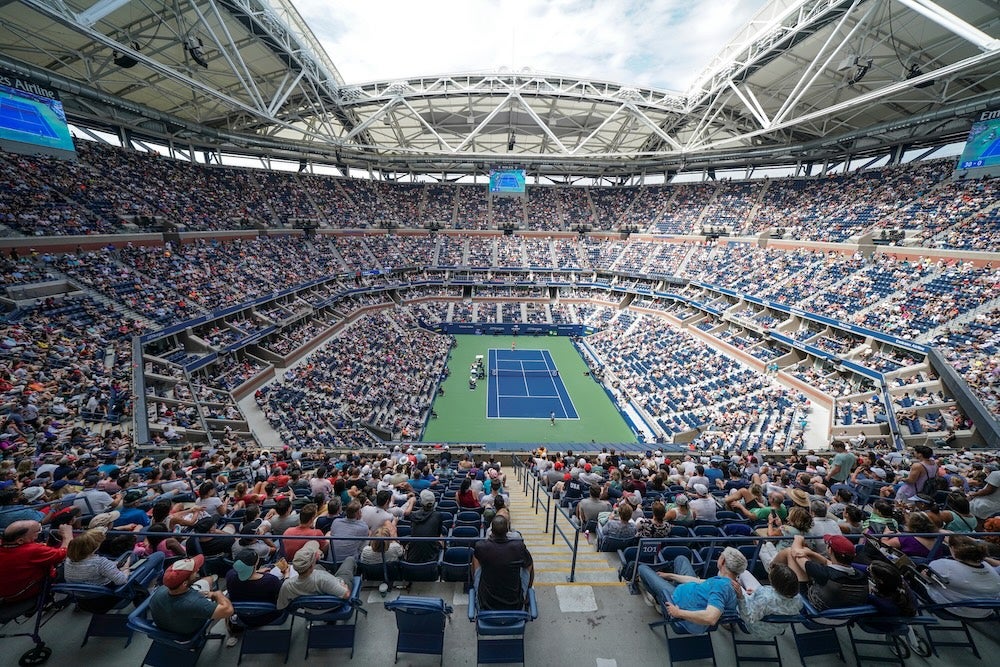
The immediate catalyst for the national dialogue centered on a high-profile group of influencers hosted in a luxury suite during the first-round women’s singles match between Naomi Osaka and Anastasia Zakharova inside Arthur Ashe Stadium. Eyewitness accounts, stadium personnel, and subsequent broadcast footage highlighted disruptive behavior from the invited contingent. Observers noted loud conversations during live points, a lack of awareness regarding traditional tennis match etiquette—such as remaining silent during active play—and an overriding preoccupation with generating real-time social media content rather than engaging with the athletic competition unfolding on the court.
The backlash was swift, spilling over from live spectators into mainstream media and digital commentary channels. Critics argued that the behavior displayed a disregard for the athletes, the historic prestige of the tournament, and fellow ticket-holders who had paid substantial sums to witness elite international tennis. However, behind the immediate wave of disapproval lies a more complex systemic issue facing public relations professionals, corporate brand strategists, sports leagues, and experiential marketing agencies: a profound disconnect between the strategic motivations driving brands to invite digital creators into exclusive spaces and the operational frameworks provided to ensure successful integration.
The Evolution of Experiential Marketing and the U.S. Open
To understand the friction at Arthur Ashe Stadium, one must examine the shifting landscape of sports marketing and how major tournaments have evolved into cultural crossroads. Over the past decade, tennis has successfully positioned itself at the nexus of high fashion, lifestyle, and high-performance athletics. Events like the U.S. Open are no longer evaluated solely by television ratings and ticket sales; they are measured by earned media value, social media share of voice, and cultural relevance.
Major brands across apparel, luxury goods, finance, and technology invest millions of dollars annually to secure hospitality suites, sponsor activations, and red-carpet experiences. A core component of this capital expenditure involves deploying influencer marketing campaigns. By embedding popular creators within these high-status environments, brands aim to capture younger, digitally native demographics who may not consume traditional linear television broadcasts of sports events.
However, this strategic rush to modernize audience engagement has frequently overlooked the cultural norms of the specific venues being utilized. Unlike music festivals, fashion weeks, or product launch parties—where hyper-connectivity, loud engagement, and constant content generation are encouraged—traditional sports venues operate under strict codes of conduct. Golf majors, tennis grand slams, and classical sporting competitions rely on crowd decorum to maintain competitive integrity. When digital creators, accustomed to environments built around self-promotion, are placed into these traditional arenas without adequate orientation, friction is almost inevitable.
Analyzing the Breakdown: Three Critical Missteps by Communicators
According to public relations and marketing experts, the incidents at the 2026 U.S. Open exposed three fundamental vulnerabilities in how agencies and corporate brands manage influencer partnerships.
1. Prioritizing Follower Count Over Niche Alignment
In the early stages of the creator economy, brand partnerships were frequently dictated by vanity metrics—specifically, the sheer size of a creator’s follower count. While the industry has matured significantly, many brands still succumb to the temptation of partnering with macro-influencers or mega-celebrities whose primary appeal is broad, general entertainment rather than a dedicated interest in the specific vertical of the event.
The U.S. Open acts as a massive convergence of sports, fashion, and entertainment, making it uniquely vulnerable to this miscalculation. Brands often select creators based on their general aesthetic appeal or high engagement rates across Instagram and TikTok, ignoring whether the individual has any authentic connection to tennis, sports culture, or live event etiquette. When a creator is brought into an environment purely for mass distribution rather than genuine interest, their behavior often reflects detachment, leading to the kind of performative disruption witnessed during the Osaka-Zakharova match.
Industry analysts suggest a strategic pivot toward micro- and nano-influencers who possess specialized, niche followings. A creator who focuses specifically on lifestyle sports, tennis fashion, or athletic culture is far more likely to understand and respect the environment of a Grand Slam tournament than a general lifestyle influencer parachuted into a suite for a single photo opportunity.
2. Failing to Treat Creators Like Onboarded Reporters
Perhaps the most glaring operational failure highlighted by the 2026 U.S. Open controversy is the disparity in how public relations professionals treat traditional journalists versus digital creators.
For decades, the PR industry has maintained rigorous onboarding protocols for reporters. Journalists covering a major sporting event are traditionally provided with media guides, credentialing briefings, clear explanations of press box etiquette, background context on the competitors, and direct lines of communication to media officers. They are assigned a "beat" and educated on the sensitivities of the environment they are entering.
Conversely, creators and influencers are frequently treated merely as walking billboards or mobile broadcasting units. They are often sent a digital ticket, ushered into a hospitality suite, and left to navigate complex social environments without foundational briefings. Creators rarely operate with a traditional journalistic beat; their content spans lifestyle, comedy, fashion, food, and entertainment, meaning their baseline understanding of niche institutional rules may be nonexistent.
When communicators fail to schedule preliminary briefing calls, provide written guides on venue etiquette, or clearly outline behavioral expectations, they effectively set the creators up to fail. Educating a creator on why tennis crowds remain silent during points is just as vital as briefing a reporter on interview protocols in the mixed zone.
3. Mismanaging the Balance Between Content Creation and Event Enjoyment
A third critical flaw identified in contemporary experiential marketing is the structural demand placed on creators to document every second of an event in real-time. Brands invite influencers explicitly to generate live culture and conversation, creating an implicit pressure cooker where the creator’s primary value depends on their ability to produce continuous, eye-catching content.
This dynamic creates an inherent conflict of interest between capturing a moment for social media and actually experiencing the event. To satisfy brand metrics, creators often hold up recording devices, film in restricted or disruptive ways, and focus heavily on branded backdrops rather than the athletic competition taking place meters away.
Moving forward, forward-thinking brands and public relations agencies are being forced to rethink their experiential strategies to eliminate this friction. Solutions being evaluated across the marketing sector include:
- Pre-Event Content Activations: Designing dedicated studio spaces or controlled photo-ops before the gates open to the public, allowing creators to capture all necessary promotional content without being distracted during live matches.
- Exclusive Access and Salon-Style Dinners: Providing creators with insider access to athletes, coaches, or tournament historians in closed-door settings, shifting the focus of the live-action event from content generation to genuine appreciation and enjoyment.
- Dedicated Creator Zones: Establishing specialized, acoustically isolated or visually integrated viewing areas where creators can collaborate, film, and react freely without disturbing traditional ticket-holders or athletes.
Broader Implications for the Creator Economy and Sports Institutions
The fallout from the 2026 U.S. Open extends far beyond a single match or a specific group of influencers. It represents a watershed moment for how sports leagues, entertainment venues, and corporate sponsors negotiate the boundaries of the modern creator economy.
As digital media consumption continues to eclipse traditional broadcasting among younger demographics, sports organizations cannot afford to wall themselves off from digital creators. Leagues rely on these non-traditional voices to maintain cultural relevance, expand global reach, and introduce legacy sports to audiences who consume media exclusively through short-form video platforms.
However, the events in New York demonstrated that institutions must establish firmer boundaries and higher standards of accountability. The backlash was not merely an expression of elitism or generational friction; it was a legitimate critique of behavioral disruption in spaces designed for focused athletic excellence.
Ultimately, the controversy surrounding the U.S. Open is not an indictment of creators themselves, nor is it proof that influencer marketing fails in traditional settings. Rather, it is an expectations problem. Brands and public relations professionals must decide whether they genuinely want new, diverse voices integrated thoughtfully into these cultural spaces, or if they are simply seeking modern distribution channels that magically conform to old-world rules without proper guidance.
As the industry absorbs the lessons of the 2026 tournament, the mandate for communicators is clear: bridge the gap between digital ambition and institutional reality through rigorous onboarding, strategic niche alignment, and structural respect for the venues and athletes at the heart of the experience.