The landscape of corporate reputation management is shifting beneath the feet of industry leaders, marked by high-stakes decisions ranging from theme park safety crises to the ethical deployment of artificial intelligence in retail and media. In a definitive move that underscores the widening chasm between objective data and public perception, Six Flags Magic Mountain has announced the permanent closure of its world-renowned X2 roller coaster. This high-profile shutdown comes in the wake of mounting litigation alleging severe physical injuries, highlighting the fragile nature of consumer trust in the modern entertainment sector.
Simultaneously, corporate giants across industries—including McDonald’s, Twitch, and Kroger—are grappling with their own distinct reputational and operational challenges. Whether navigating the fine line between optional algorithmic pricing recommendations and franchisee coercion, deploying automated transcription tools to police creator content for brand safety, or overhauling fundamental pricing architectures to mirror more aggressive discount competitors, modern enterprises find themselves forced to balance technological optimization with human sentiment.
The closure of X2 and its ripple effects across the amusement industry, alongside parallel crises in fast-food franchising, digital streaming, and grocery retail, offer a revealing case study in crisis communication, stakeholder relations, and the evolving demands of corporate transparency.
The Fall of X2: Six Flags Magic Mountain Pulls the Plug on a Flagship Attraction
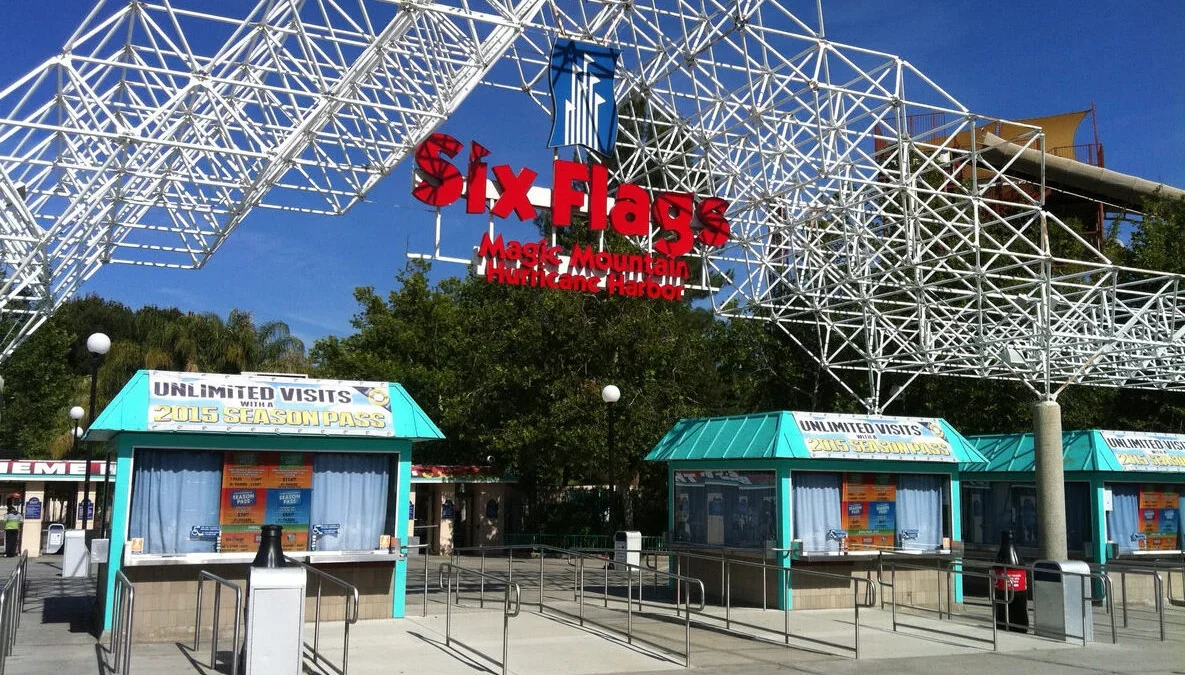
Six Flags Magic Mountain, the self-proclaimed "Xtreme Park" located in Valencia, California, made the decisive announcement that it will permanently retire X2, one of its most legendary and technologically ambitious roller coasters. The ride, celebrated globally for its revolutionary 360-degree rotating seats and blistering top speeds approaching 80 miles per hour, had been a cornerstone of the park’s thrill-seeking identity since its inception. However, mounting legal pressure and a palpable erosion of guest confidence ultimately forced executive hands.
The trajectory toward the ride’s demise accelerated sharply over the summer. X2 had been closed indefinitely since July 12, following a distressing sequence of events in which two female park visitors suffered severe brain injuries within a single week of riding the attraction. Both incidents required immediate medical hospitalization and ignited intense media scrutiny. The legal jeopardy deepened significantly when three additional lawsuits, all similarly alleging catastrophic traumatic brain injuries sustained on the ride, were formally filed in court.
Faced with mounting public concern, Magic Mountain President Brian Oerding addressed the situation directly. In an official company announcement, Oerding emphasized the gravity of the circumstances, stating that ride safety remains the foundational cornerstone of the business. When guest confidence experiences a systemic shock, Oerding noted, the organization must treat the matter with the utmost seriousness.
Yet, the decision to shutter the multi-million-dollar attraction was accompanied by a nuanced defense of the ride’s technical integrity. Company representatives maintained that X2 had consistently and rigorously passed a multitude of independent and internal safety inspections, adhering to or exceeding every regulatory standard required of modern amusement park infrastructure. Six Flags did not formally concede fault or validate the specific medical allegations contained within the pending litigation. Instead, leadership framed the shutdown through the lens of ethical responsibility, declaring that retiring the ride was simply "the right thing to do" to reassure the public.
The Psychology of Safety: Bridging the Gap Between Empirical Data and Public Trust
The handling of the X2 crisis offers a textbook lesson in modern public relations and crisis management: proving that a system is mechanically safe and convincing a skittish public that it is safe are two entirely different endeavors.
In historical crisis management playbooks, corporate entities frequently default to a defensive posture, relying heavily on technical data, compliance certifications, and engineering reports to debunk consumer fears. Six Flags possessed the technical capability to adopt this strategy. They could have continuously published inspection logs and regulatory sign-offs to justify keeping X2 operational. However, corporate leadership correctly recognized that empirical data alone cannot counteract a profound reputational deficit.
When safety becomes the primary existential concern for consumers, a loss of confidence ceases to be a mere public relations hurdle; it transforms into a critical business vulnerability that threatens enterprise-wide brand equity. By pairing decisive, permanent operational action with clear, empathetic, and concise language, Six Flags managed to prioritize guest welfare without inviting total legal liability. Stating that the closure was "the right thing to do" served a dual purpose: it signaled immediate responsiveness to community anxiety while maintaining a legally prudent distance from the specific claims made in the ongoing lawsuits.
Public relations professionals evaluating the Six Flags case are taking note of a vital takeaway: quantitative metrics and compliance certificates are largely ineffective when stakeholders are driven by emotional fear. True crisis remediation requires acknowledging the human element, stepping away from defensive data-dumping, and taking visible responsibility for the psychological comfort of the consumer base.
Algorithmic Tensions: McDonald’s Franchisees Push Back Against AI Pricing Models
While Six Flags navigates physical safety and public trust, the fast-food sector is confronting a different kind of operational friction driven by the rapid integration of artificial intelligence. McDonald’s Corporation has increasingly turned to machine learning and predictive AI models to generate localized pricing recommendations for its expansive menu items, such as the iconic Big Mac. By analyzing hyper-local competitor pricing, foot traffic patterns, and real-time consumer demand elasticity, the AI systems suggest optimal price points designed to maximize corporate revenue and margin performance.
Corporate leadership at McDonald’s has consistently maintained that these AI-generated pricing suggestions are entirely optional, leaving the ultimate pricing decisions squarely in the hands of individual franchise owners who operate local restaurants. However, interviews with multiple franchisees reveal a stark disconnect between corporate policy and ground-level reality. At least five prominent franchisees have stepped forward to express deep discomfort, describing a pervasive underlying pressure to comply with the machine-generated pricing recommendations regardless of local pushback.
Former franchise owner Karen King articulated the sentiment of many local operators in statements to industry reporters, noting that the illusion of choice has largely evaporated. Franchisees feel increasingly cornered, operating under the implicit understanding that deviating from corporate technological suggestions could invite administrative friction or unfavorable performance reviews.
This internal tension was further illuminated by comments from McDonald’s CEO Chris Kempczinski. During summer review sessions with franchise operators, Kempczinski explicitly criticized what he termed "pricing non-compliance." He directed sharp commentary at restaurants that chose to ignore corporate guidance—particularly regarding lower-priced menu options designed to capture cost-conscious consumers—noting that the financial results for those non-compliant locations were significantly softer.
The divergence between corporate framing and franchisee experience creates a severe reputational and managerial liability. When a multinational corporation labels a policy as voluntary while simultaneously penalizing or publicly shaming non-compliance, it breeds cynicism and damages institutional credibility. Financial analysts and trade observers have pointed out that this heavy-handed approach risks alienating both the franchise network and budget-strained consumers, potentially drawing unwanted antitrust scrutiny over vertical pricing controls. To mitigate these risks, McDonald’s faces an urgent imperative to clarify its operational policies and align its public rhetoric with the lived experiences of its local partners.
Digital Brand Safety: Twitch Deploys AI Audio Transcription for Content Moderation
In the digital media landscape, artificial intelligence is similarly reshaping how platforms manage brand partnerships and content moderation. Twitch, the leading live-streaming platform owned by Amazon, has confirmed the widespread deployment of automated AI transcription tools designed to monitor live creator broadcasts in real-time, evaluating their suitability for commercial advertising placements.
During industry discussions, Twitch CEO Dan Clancy detailed how the platform utilizes advanced natural language processing to listen to and transcribe livestreams continuously. The overarching goal of the system is to identify creators, topics, or contextual behaviors that may fall outside corporate brand-safety parameters. Advertisers utilizing the platform are now empowered to establish customized content parameters, signaling the specific types of environments and conversational tones they wish their brand identities to be associated with. The AI transcription layer then acts as an automated gatekeeper, vetting creators against these brand-specific safety filters.
While Clancy defended the heavy financial investments Twitch has made in algorithmic brand protection—emphasizing that the technology ensures advertising capital is deployed efficiently alongside compatible content—the initiative has met considerable resistance from the creator community. Prominent streamers have voiced strong skepticism regarding the AI system’s capacity to comprehend nuanced human context, irony, satire, or complex conversational flow. Furthermore, creators are expressing frustration over a distinct lack of transparency, noting that Twitch has not publicly released a comprehensive lexicon of the specific trigger words, behavioral markers, or thematic topics that could automatically disqualify a creator from ad revenue monetization.
This scenario highlights the growing pains of behind-the-counter AI implementation in digital media. While corporate brands gain an indispensable layer of protection against brand-association scandals, content creators are left vulnerable to algorithmic opacity. For platform operators like Twitch, the challenge moving forward lies in balancing brand assurance with procedural transparency, ensuring that automated moderation decisions can be clearly explained, audited, and successfully appealed when technological errors occur.
Strategic Realignment: Kroger Adopts Walmart’s Low-Cost Blueprint Amid Economic Pressures
Rounding out the current wave of corporate transformation, the American grocery retail sector is witnessing a high-stakes strategic pivot as traditional supermarket chains scramble to retain market share against aggressive discount competitors. Kroger, one of the nation’s largest traditional grocery operators, is actively borrowing the foundational playbook of retail titan Walmart, executing a sweeping operational overhaul designed to win back price-sensitive consumers navigating a challenging economic climate.
Under the leadership of CEO Greg Foran—who previously spearheaded Walmart’s U.S. retail operations—Kroger is aggressively trimming operational overhead and fundamentally shifting its promotional strategy. For years, traditional supermarkets relied heavily on complex webs of temporary sales, loyalty card discounts, and rotating promotions. Foran is systematically dismantling this model in favor of everyday low pricing, a strategy designed to build long-term consumer trust through consistent, predictable value rather than transient discount hunting.
This relentless focus on cost-cutting and margin efficiency has tangible operational consequences. In a stark demonstration of its commitment to pricing integrity, Kroger recently made the high-profile decision to halt the nationwide sale of Red Bull energy drinks after the manufacturer increased wholesale prices while allegedly offering superior pricing terms to a competing grocery chain.
"We have to be relentless on cost," Foran stated in recent interviews with financial media outlets. "Every dollar we take out is a dollar we can reinvest in areas customers will see."
The strategic shift represents a profound brand transformation for Kroger. Foran is deliberately altering how everyday shoppers perceive the company, transitioning the supermarket’s market identity from a destination where consumers must hunt for localized deals to a reliable sanctuary of consistent, everyday value. From a public relations and marketing perspective, this is a deeply visible maneuver. Kroger’s ultimate success will depend on whether shoppers can tangibly perceive these cost savings directly on the shelves, in weekly receipts, and across their household budgets, proving that corporate survival in a turbulent economy requires total alignment between internal cost discipline and external consumer value.