
The prospect of generating a sustainable income through digital content creation has evolved from a niche hobbyist endeavor into a recognized career path within the modern digital economy. While the internet is saturated with varying narratives—ranging from promises of overnight wealth to claims that professional blogging is a fallacy—data and long-term industry observation suggest a more nuanced reality. Making a living from a blog is an achievable professional goal, yet it is rarely the result of a rapid "get-rich-quick" scheme. Instead, it is the product of sustained effort, strategic monetization, and the cultivation of a loyal, engaged audience.
The Evolution of the Professional Blogger
In the early 2000s, blogging was primarily an outlet for personal expression. As the medium matured, platforms like WordPress and Blogger lowered the barrier to entry, allowing individuals to build specialized hubs of information. Industry experts who have navigated this transition note that the landscape has shifted from simple chronological journals to sophisticated media businesses.
For many, the journey begins with a blog serving as a digital portfolio or a creative outlet. As traffic grows, the transition to monetization typically follows a tiered approach: starting with small, incremental advertising revenue, moving to affiliate marketing, and eventually diversifying into premium products, membership sites, and consulting services. This progression often mirrors the trajectory of a small business startup, requiring a shift in mindset from "writer" to "publisher."
Chronology of Income Growth
The timeline for achieving profitability is often underestimated by newcomers. Empirical evidence from long-standing blogging communities indicates that professional-level income is rarely realized within the first 24 months of operation.
- The Foundation Phase (Months 1–12): Most creators operate at a net loss or break-even, focusing on content production, SEO optimization, and audience acquisition. Revenue during this period is typically negligible.
- The Traction Phase (Months 12–36): As domain authority grows and search engine traffic increases, bloggers often see the first signs of consistent, albeit modest, income. This is the period where most hobbyists pivot toward professionalization.
- The Scaling Phase (Months 36–60+): Successful bloggers reach a "critical mass" of traffic and brand trust. Statistics suggest that a significant majority of high-earning bloggers have been active in their specific niche for four years or longer.
Data-Driven Reality of Blogging Income
Market research and surveys conducted within the blogging industry reveal a stark reality regarding the distribution of wealth. While the "top 1%" of bloggers—those who reach six-figure monthly incomes—frequently dominate the conversation, they represent a small fraction of the total population of content creators.

In a comprehensive survey of 1,500 active bloggers, findings indicated that approximately 10% of those attempting to monetize their content reported zero income, while 28% earned less than 30 cents per day. Cumulative data shows that roughly 63% of participants earned less than $3.50 daily. However, the data also highlights the existence of a high-performing tier: 4% of respondents reported earning more than $10,000 per month, and 9% achieved part-time equivalent earnings of $1,000 or more monthly. These figures demonstrate that while the path is difficult, the potential for high-level financial success exists for those who can sustain their efforts long enough to build a substantial audience.
Diversification of Revenue Streams
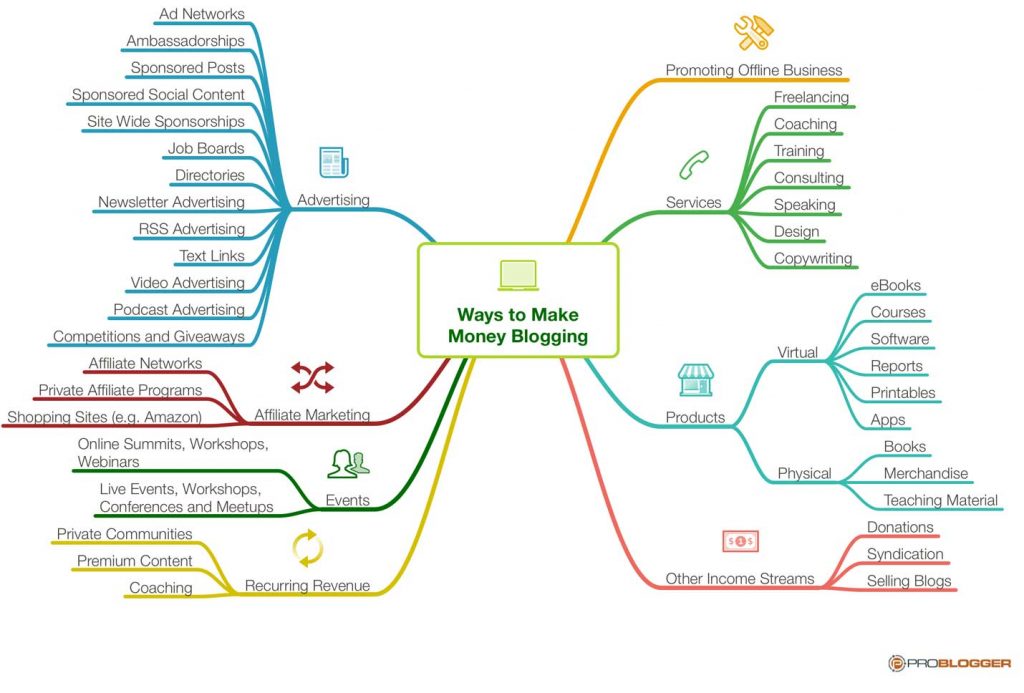
A critical observation in the professionalization of blogging is the move away from reliance on a single source of income. Successful bloggers employ a "mosaic" strategy, integrating multiple revenue channels to ensure financial stability.
- Advertising and Sponsorships: Traditional display ads remain a staple, but they are increasingly supplemented by direct sponsorship deals with brands that align with the blog’s specific niche.
- Affiliate Marketing: By promoting third-party products and receiving a commission for sales generated through their referral links, bloggers leverage their trust with their audience to drive conversions.
- Direct-to-Consumer Products: Many creators have pivoted to selling digital goods, such as e-books, online courses, and proprietary software, which offer higher margins than third-party advertising.
- Membership and Subscription Models: Platforms that allow readers to pay for exclusive content or community access provide a recurring revenue stream that is less susceptible to the volatility of search engine traffic.
The Myth of the "Make Money Online" Niche
A common skepticism toward blogging as a viable career arises from the prevalence of creators who earn money by teaching others how to blog. However, industry analysis confirms that the most profitable blogs are often found in "traditional" niches, such as travel, cooking, health, photography, and woodworking.
The economic reality is that general-interest or "life-style" topics often have a larger total addressable market than the "how to make money blogging" niche. For example, a specialized photography blog may generate ten times the revenue of a blog dedicated to blogging tutorials, simply because the demand for high-quality, professional photography equipment and instruction is vast and enduring. This serves as a primary indicator that blogging is a legitimate business model applicable across almost any subject matter, provided the creator can identify and serve a specific audience’s needs.
Strategic Implications: The Workload Factor
The shift from a "passive income" narrative to an "active business" reality is essential for aspiring creators. The notion that a blog can generate significant revenue with minimal maintenance is largely a fallacy. Professional blogging involves daily content creation, community management, technical troubleshooting, and constant analytical review.
Industry leaders emphasize that the key to profitability is the creation of original, helpful, and high-quality content that solves specific problems for the reader. This requires a commitment to consistency that often exceeds the demands of traditional employment. Furthermore, the ability to adapt to changing search algorithms and audience preferences is a prerequisite for long-term viability.
Analysis of Current Market Trends
The current climate for digital publishing is characterized by increased competition and higher quality standards. Search engines are prioritizing content that demonstrates "E-E-A-T" (Experience, Expertise, Authoritativeness, and Trustworthiness). This has effectively ended the era of low-quality, keyword-stuffed articles.
For the modern blogger, this represents a shift toward deeper, more researched content. The implication is that the barrier to entry has risen, but the potential for those who clear that barrier is greater than ever. Organizations that foster this growth—such as ProBlogger and other professional development networks—report that while the number of "full-time" bloggers is growing, the professional requirements for entry are becoming more rigorous.
Conclusion and Future Outlook
The evidence confirms that blogging is a viable, sustainable, and scalable business model, but it is not a shortcut to wealth. It is a long-term enterprise that requires a blend of creative output, analytical discipline, and strategic patience. For the individual willing to invest the time to build a brand, develop a unique voice, and diversify their revenue streams, the digital landscape offers a tangible path to self-employment.
As the digital economy continues to integrate content creation into the mainstream, the role of the professional blogger will likely become even more defined. The future of the industry belongs to those who view their blog not as a diary, but as a business—an asset that must be nurtured, protected, and consistently improved to meet the ever-evolving demands of the global digital audience. Those who approach the craft with this level of professionalism are finding that the "keyboard" is, indeed, a powerful tool for building a lasting and profitable career.