The landscape of wearable technology is undergoing a significant shift as tech giants pivot from experimental hardware toward mass-market consumer devices. Meta, under the stewardship of Mark Zuckerberg, has found unexpected success with its Ray-Ban Meta smart glasses, which integrated cameras and AI-driven features into a familiar, stylish form factor. However, as the company prepares for its annual Connect developer conference, slated for September 23 and 24, reports indicate that Meta is looking to broaden its appeal by addressing a primary friction point for many potential users: the presence of an integrated camera.
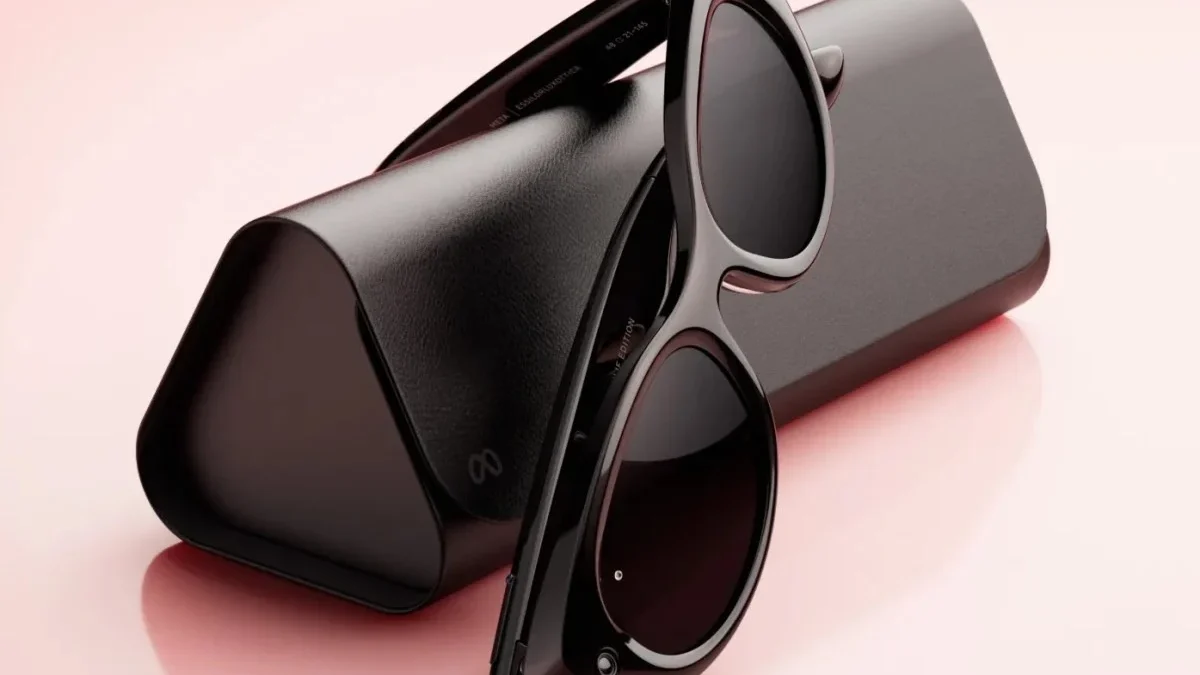
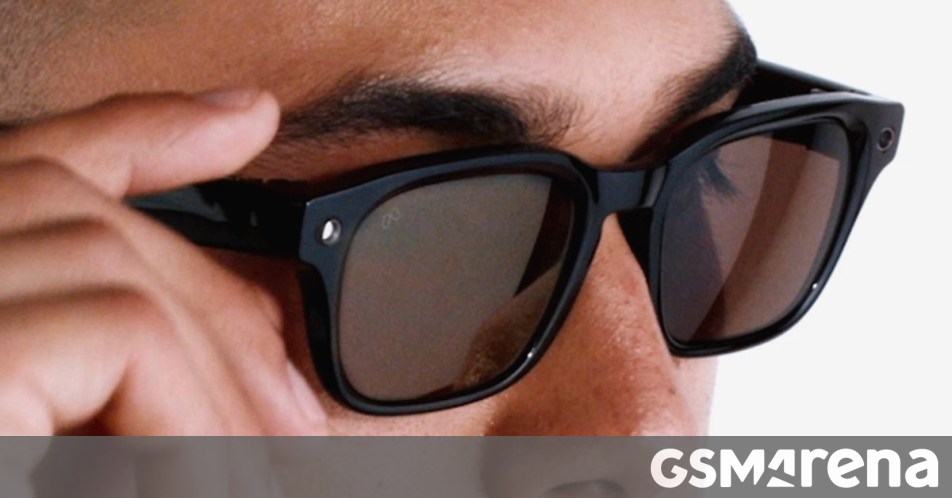
According to recent reports, Meta is internally developing a device codenamed "Luna," a pair of smart glasses that strips away the camera module while retaining the advanced audio and artificial intelligence capabilities that have become the hallmark of the company’s hardware strategy. This strategic pivot appears designed to capture a segment of the market that values the utility of a virtual assistant but remains wary of the privacy concerns associated with wearable cameras.
A Chronology of Meta’s Wearable Ambitions
Meta’s journey into the smart eyewear market began in earnest with the acquisition of various augmented reality (AR) startups and a long-term partnership with EssilorLuxottica, the parent company of Ray-Ban. The first-generation Ray-Ban Stories, launched in September 2021, served as a proof-of-concept. While those initial glasses faced criticism for limited battery life and basic functionality, they provided Meta with critical data regarding how consumers interact with head-mounted hardware.
The subsequent launch of the second-generation Ray-Ban Meta glasses in late 2023 represented a substantial leap forward. These devices introduced Meta AI, better camera sensors, and improved audio hardware. By the time of the 2024 fiscal reports, Meta’s Reality Labs division—the unit responsible for these products—reported that the glasses had become a genuine hit, exceeding internal sales expectations and signaling that consumers were finally ready to adopt smart eyewear.
The introduction of the Luna project, if confirmed at the upcoming Connect conference, represents a maturation of this strategy. By offering a version without a camera, Meta is effectively segmenting its product line. Just as consumers choose between different models of smartwatches or wireless earbuds, they will soon be able to choose between the feature-rich, camera-equipped Ray-Ban Meta glasses and the more streamlined, privacy-conscious Luna model.
Technical Specifications and Hardware Architecture
While the official announcement is expected later this month, technical details regarding the Luna project suggest a focus on high-fidelity audio and voice-based AI interaction. Unlike traditional smart glasses that might rely on bone conduction, the Luna glasses are expected to utilize directional speakers pointed toward the wearer’s ears, facilitating a private listening experience that does not completely isolate the user from their environment.
One of the most notable features rumored for the Luna device is the inclusion of a six-microphone array. This sophisticated hardware setup is designed to improve voice recognition and noise cancellation, ensuring that Meta AI can accurately interpret user commands even in crowded or windy urban environments. The integration of a dedicated physical button on the frame for instant AI activation underscores Meta’s focus on positioning the glasses as an "always-on" companion. By removing the camera, the power consumption profile of the glasses will likely shift, potentially allowing for a thinner frame or improved battery longevity compared to the current camera-toting models.
Addressing Privacy and the "Camera-Free" Demand
The push for a camera-free wearable is not merely a design choice; it is a direct response to the mounting privacy concerns that have dogged the wearable technology sector for over a decade. Since the early days of Google Glass—a product that famously faced backlash due to the perception that it allowed for clandestine recording—the "surveillance" aspect of smart eyewear has been a barrier to mass adoption.
By decoupling the AI experience from the camera, Meta is attempting to sidestep the social stigma associated with being filmed in public spaces. This is a critical development for adoption in professional environments, educational settings, and private social gatherings where camera use is either prohibited or considered impolite. Market analysts have noted that by neutralizing the privacy argument, Meta could significantly increase the Total Addressable Market (TAM) for its hardware, appealing to demographics that were previously uninterested in "smart" devices.
Market Implications and Competitive Landscape
The wearable device market is currently dominated by smartwatches and fitness trackers, but smart glasses represent the next frontier in the "post-smartphone" era. Apple’s Vision Pro has attempted to define the space through high-end spatial computing, while startups like Brilliant Labs and XREAL are experimenting with AR-lite overlays. Meta, however, is taking a different path: the "smart accessory" route.
By prioritizing form over heavy-duty AR, Meta is avoiding the technical hurdles of battery density and thermal management that have hampered competitors. If the Luna glasses ship in October as projected, they will likely be positioned as a lower-cost entry point into the Meta ecosystem. This competitive pricing strategy is intended to cement Meta’s role as the primary provider of AI-enabled eyewear, effectively locking users into their AI assistant platform before competitors can establish a foothold.
From an economic standpoint, the success of the Luna project could prove vital for the sustainability of Reality Labs. While the division currently operates at a significant loss, the transition from experimental research to high-volume consumer product sales is essential for proving the long-term viability of Meta’s hardware division to shareholders.
Reactions and Industry Outlook
While Meta has yet to provide an official statement on the Luna project, industry observers have offered a mostly positive outlook. Privacy advocates, who have long called for clear indicators and restrictions on wearable cameras, view the removal of the lens as a step toward more ethical hardware design. Simultaneously, investors are looking for signs that Meta can maintain the momentum generated by its recent AI initiatives.
"The move to strip the camera is a shrewd strategic play," says a senior analyst at a leading technology consulting firm. "It solves the ‘creepy’ factor, reduces the cost of goods sold, and broadens the addressable user base. If they can get the voice-to-AI latency low enough, they don’t even need a screen or a camera to make these devices feel futuristic."
However, challenges remain. The primary obstacle for the Luna glasses will be demonstrating sufficient utility. Without a camera to provide "multimodal" AI capabilities—such as identifying objects in the real world or translating street signs—the glasses must prove that voice-based interaction alone is enough to justify the purchase. Meta will need to demonstrate that its AI can assist users in meaningful ways, such as managing notifications, providing real-time navigation, or facilitating seamless communication, without relying on visual input.
Looking Toward the Connect Conference
As the September 23 date approaches, the technology community is watching Meta’s moves with renewed interest. The Connect conference has historically served as a platform for the company to signal its long-term vision, from the metaverse to its current focus on generative AI. The potential unveiling of the Luna glasses will serve as a litmus test for how much confidence Meta has in its AI-first hardware strategy.
If the launch is successful, it could trigger a trend across the consumer electronics industry, with other manufacturers likely following suit to produce "smart" wearables that prioritize privacy and simplicity over complex optics. As it stands, the industry is waiting to see if Meta can successfully transition from the "novelty" phase of wearable technology to the "utility" phase, where smart glasses become as ubiquitous as the smartphone itself.
The success of the Luna project will ultimately depend on three factors: the quality of the AI interaction, the comfort and design of the frame, and the perceived value-add for the consumer. If Meta delivers on these fronts, they may well secure their position as the undisputed leader in the smart eyewear market for years to come. With the shipping date rumored for October, consumers will not have long to wait to see if this pivot pays off in the competitive landscape of the late-2024 tech cycle.