Short-form video giant TikTok has officially announced its comprehensive lineup of special activations, strategic partnerships, and community-focused promotions in honor of Hispanic Heritage Month 2026. Running annually from September 15 to October 15, the nationwide celebration serves as a vital cultural touchstone for millions of users across the United States. This year, the platform is doubling down on its commitment to cultural visibility by spotlighting a diverse array of digital creators, launching interactive in-app challenges, and rolling out dedicated hashtag campaigns designed to honor the multifaceted stories, traditions, and contributions of the Hispanic and Latino diaspora.
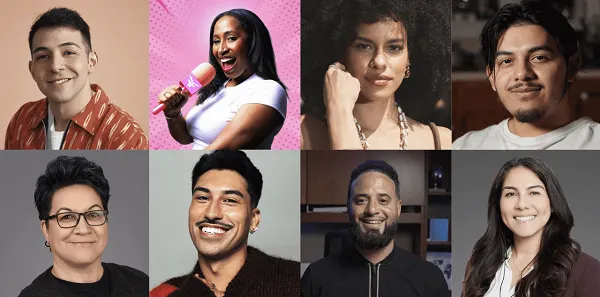
At the heart of TikTok’s 2026 campaign is an ambitious creator showcase that brings individual talents to the forefront of the platform. Among the prominent figures being featured are acclaimed journalist Fernando Hurtado, gifted musician Jasmine Wesley, and popular comedian Eric Sedeño. By elevating these distinct voices, TikTok aims to demonstrate how digital storytelling can bridge cultural divides, preserve heritage, and foster deep community bonds within an increasingly interconnected global digital ecosystem.
Cultural Significance and Historical Background of Hispanic Heritage Month
The origins of Hispanic Heritage Month trace back to 1968, when legislation was originally enacted under President Lyndon B. Johnson to authorize National Hispanic Heritage Week. Nearly two decades later, the observance was significantly expanded under President Ronald Reagan on August 17, 1988, being enacted into law effective September 15, 1989. The dates chosen for the month-long commemoration carry profound historical weight. September 15 marks the anniversary of independence for several Latin American nations, including Costa Rica, El Salvador, Guatemala, Honduras, and Nicaragua. Furthermore, Mexico and Chile celebrate their respective independence days shortly thereafter on September 16 and September 18, respectively.
In the modern digital era, platforms like TikTok have transformed how these cultural milestones are observed, shared, and passed down across generations. What once lived primarily in physical community centers, family living rooms, and local parades now finds a vibrant, borderless home on mobile screens. The hashtag #HispanicTikTok, alongside related tags like #LatinTikTok, has evolved into a bustling digital plaza. Here, users from diverse geographical backgrounds can exchange recipes, debate cultural nuances, share immigration stories, and celebrate linguistic diversity without geographical constraints.
Core Components of the 2026 TikTok Campaign
TikTok’s strategy for Hispanic Heritage Month 2026 extends far beyond passive observation, incorporating active user participation, institutional storytelling, and gamified community engagement. According to official communications released by the platform, the initiative is structured around three primary pillars: dedicated creator interviews, interactive in-app activations, and a nationwide participation competition.
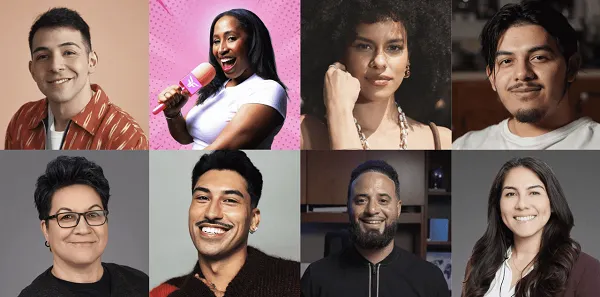
The flagship feature of the month-long rollout is the exclusive creator spotlight series. TikTok has partnered with thought leaders and entertainers across various disciplines to produce in-depth profiles. Journalist Fernando Hurtado will utilize the platform to discuss the evolving landscape of modern media, the importance of bilingual reporting, and the responsibility of authentic representation in newsrooms. Musician Jasmine Wesley will share her creative process, blending traditional Latin rhythms with contemporary genres to demonstrate the dynamic evolution of Hispanic music in the mainstream consciousness. Meanwhile, comedian Eric Sedeño will bring his signature humor to the forefront, examining shared cultural experiences, generational quirks, and the unifying power of laughter within Hispanic households.
These interviews will be hosted primarily on the official TikTok Creators profile, allowing millions of followers to gain intimate insights into the personal and professional journeys of these public figures. Complementing the profile interviews, TikTok has established a robust framework of thematic content hubs categorized by specific hashtags, including #HispanicTikTok, #LatinTikTok, #HispanicHeritageTikTokContest, and #CasaTikTok. These tags serve as central directories for user-generated content, making it effortless for the broader community to discover, share, and engage with celebratory videos.
To incentivize widespread participation, TikTok is launching the Hispanic Heritage TikTok Contest. This competitive activation invites users of all follower counts to submit original content reflecting their heritage, family traditions, historical appreciation, or lived experiences. By lowering the barrier to entry for viral participation, the platform hopes to surface hidden talents and unheralded community stories that might otherwise remain obscured by algorithmic saturation.
Data Insights and Digital Demographics
The launch of these activations aligns with broader demographic shifts and digital consumption habits across the United States. According to comprehensive data from the U.S. Census Bureau, the Hispanic population remains one of the fastest-growing demographic segments in the country, currently numbering over 65 million individuals and accounting for nearly 20% of the total U.S. population.
Concurrently, research from leading digital marketing and consumer analytics firms indicates that Hispanic and Latino consumers over-index significantly in mobile-first media consumption. Data compiled by organizations such as Nielsen consistently demonstrate that Hispanic audiences are enthusiastic adopters of social media platforms, viewing digital channels not merely as entertainment sources, but as essential tools for cultural preservation, social networking, and community building.
For TikTok, investing heavily in cultural heritage months is both an ethical imperative and a sound strategic decision. By actively nurturing and promoting marginalized or identity-specific communities, the platform strengthens user retention, deepens brand loyalty, and positions itself as a culturally literate space that mirrors the real-world diversity of its global user base.

Official Statements and Platform Philosophy
In outlining the vision behind the 2026 campaign, TikTok representatives emphasized the platform’s dedication to amplifying authentic voices that have historically been underrepresented in traditional mass media.
"We’re honoring creators, families, and communities who celebrate and share Hispanic and Latino heritage on TikTok through storytelling, tradition, language, and lived experiences," platform spokespersons stated in an official company release. "From cultural customs to historical figures, #HispanicTikTok continues to be a space where people can celebrate and share their stories."
This philosophy reflects an ongoing evolution in how major technology corporations approach cultural observances. Rather than relying on generic advertising campaigns or corporate boilerplate messaging, modern platforms increasingly utilize their proprietary infrastructure—such as curated creator networks, algorithmic visibility boosts, and interactive challenges—to hand the microphone directly to community members.
Broader Industry Implications and Economic Impact
The economic and cultural implications of TikTok’s Hispanic Heritage Month initiatives extend well beyond the parameters of a standard corporate social responsibility campaign. In the contemporary creator economy, visibility translates directly into economic viability. By placing creators like Fernando Hurtado, Jasmine Wesley, and Eric Sedeño on a prominent digital pedestal, TikTok provides these individuals with enhanced exposure, potential brand partnership opportunities, and expanded audience reach.
Furthermore, the mainstream visibility generated by #HispanicTikTok challenges monolithic representations of Hispanic and Latino identities. Because the diaspora is exceptionally diverse—encompassing individuals of Indigenous, European, African, and Asian descent, hailing from dozens of distinct countries with varied linguistic traditions—digital platforms offer a decentralized canvas where this complexity can be fully expressed. Creators are able to showcase regional culinary arts, localized slang, distinct musical styles, and diverse socio-economic realities, educating both in-group and out-group audiences in the process.
As digital platforms face increasing regulatory scrutiny and cultural expectations regarding inclusivity, initiatives like TikTok’s Hispanic Heritage Month 2026 showcase the tangible ways technology can foster intercultural understanding. By merging entertainment with education and community advocacy, TikTok continues to cement its status as a vital town square for the modern era—one where cultural heritage is not merely remembered, but actively lived, reimagined, and celebrated in real time by millions across the globe.