The final quarter of 2022 marked a period of rapid product development and structural consolidation for Meta Platforms, as the tech giant sought to adapt its ecosystem to changing consumer habits, tighter privacy regulations, and shifting monetization models. Throughout the fourth quarter and the broader span of 2022, the company rolled out significant updates across Facebook and Instagram. These updates touched upon native content scheduling, automated advertising suites, brand safety accreditations, and community management tools. As digital marketers and advertisers transitioned into 2023, the platform environment placed an increased emphasis on machine learning automation, streamlined cross-platform experiences, and short-form video optimization.
Platform Evolution and Strategic Shifts: A Retrospective of 2022
To understand Meta’s strategic direction heading into 2023, it is necessary to examine the foundational changes implemented throughout 2022. The digital advertising landscape experienced profound turbulence following Apple’s introduction of App Tracking Transparency (ATT) in 2021, which severely restricted third-party data tracking and attribution accuracy on iOS devices. In response, Meta accelerated its development of on-platform machine learning tools designed to maximize conversion efficiency despite reduced data visibility.
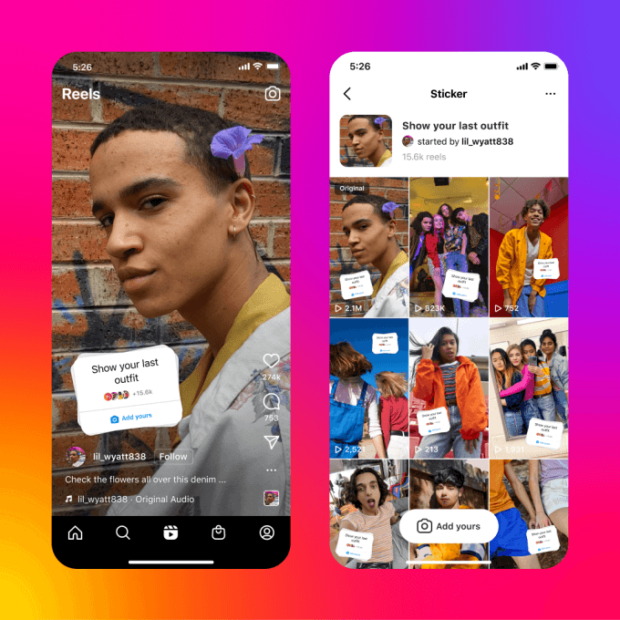
Concurrently, the rapid rise of short-form video consumption—driven primarily by TikTok—forced Meta to aggressively pivot its core feeds toward algorithmic content discovery. The rollout and scaling of Reels across both Facebook and Instagram became the company’s primary growth engine, transforming traditional social networks into discovery-driven entertainment platforms. Furthermore, Meta’s ongoing multi-billion-dollar investments in the metaverse under CEO Mark Zuckerberg signaled a long-term, structural bet on virtual and augmented reality, despite near-term commercial headwinds and investor scrutiny.
Enhancing Advertiser ROI: Best Practices and the Advantage+ Ecosystem
As algorithmic delivery systems grew more complex, advertisers frequently expressed frustration with shifting optimization benchmarks. In response, Meta released comprehensive advertising best practices in December 2022, backed by internal performance data designed to maximize campaign return on investment (ROI).
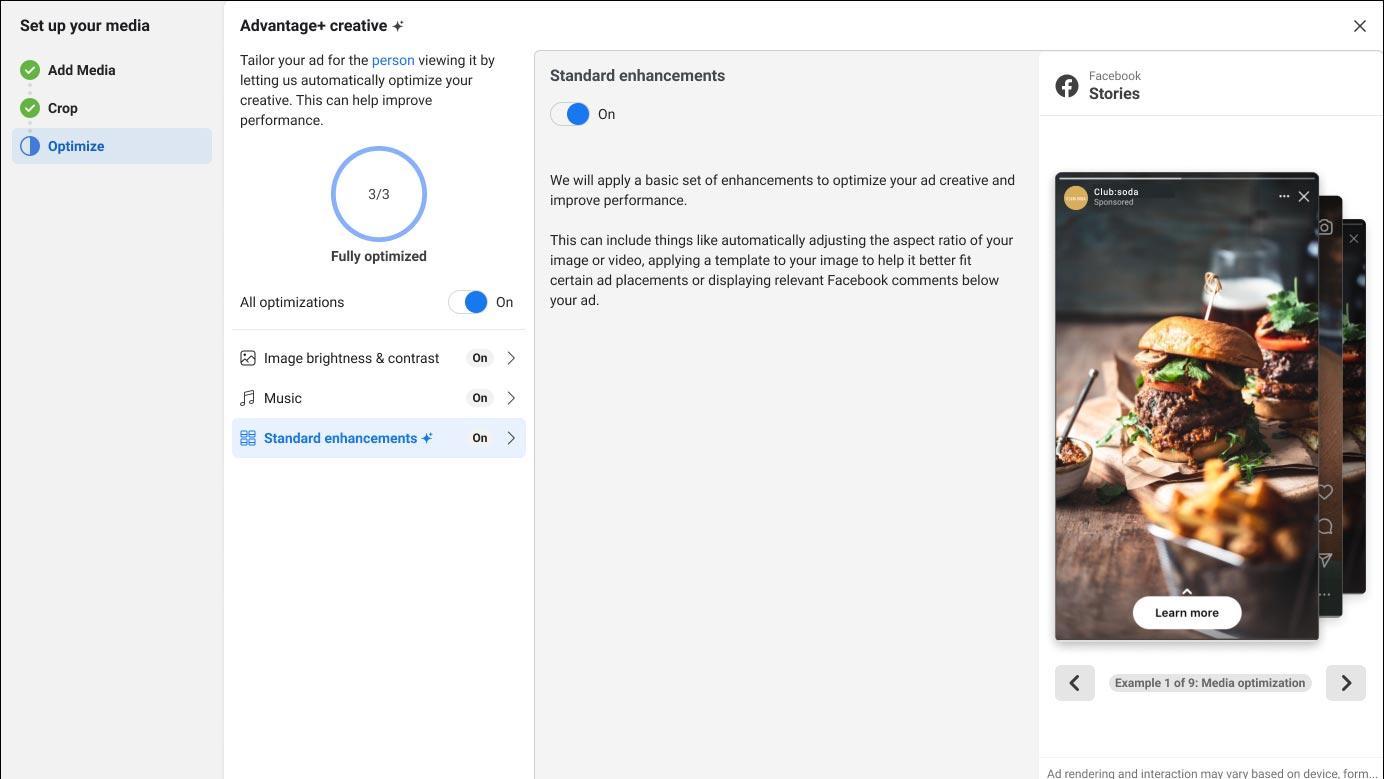
Central to this optimization push was the continued expansion of the Meta Advantage suite. Consolidated earlier in the year, the Advantage suite groups automated ad products into two primary categories: Advantage (which automates specific campaign elements, such as targeting or placements) and Advantage+ (which automates the entire end-to-end creation and optimization process).

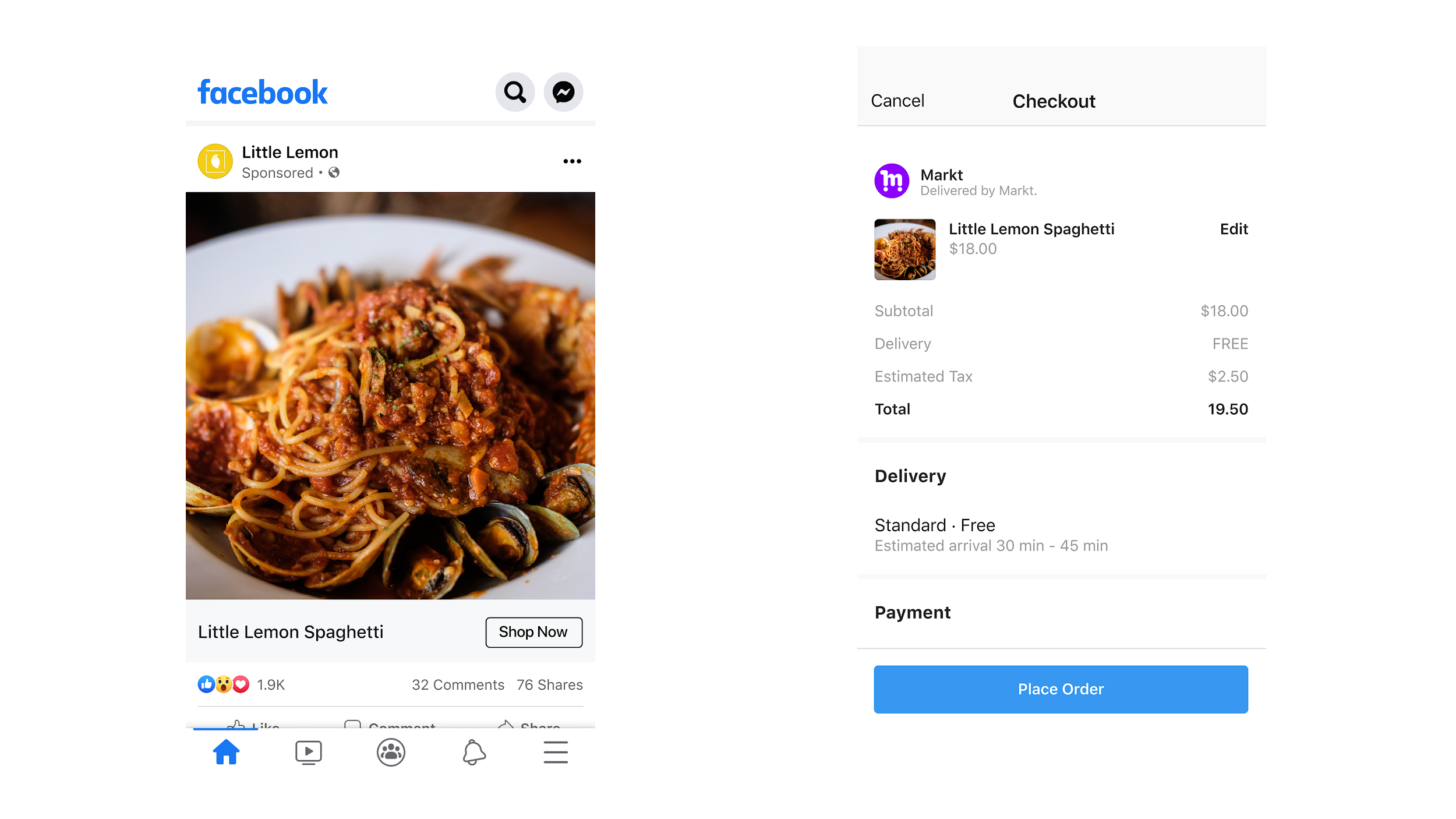
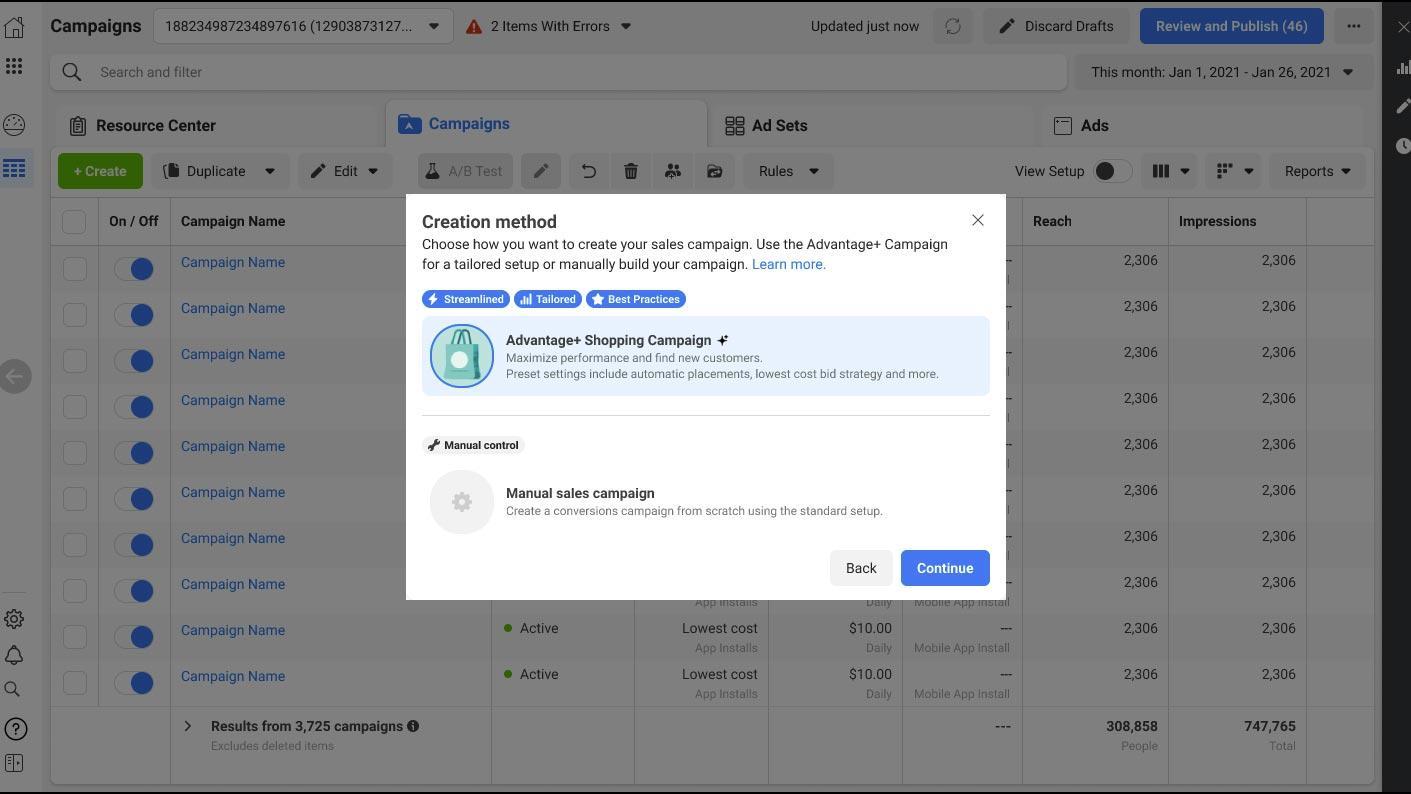
During August 2022, Meta formally introduced Advantage+ Shopping campaigns. Leveraging machine learning to build and split-test up to 1,000 creative variations simultaneously, these campaigns aimed to eliminate manual configuration overhead. Initial performance disclosures from Meta indicated substantial cost-efficiency gains, with internal A/B testing suggesting a 12% reduction in cost-per-purchase conversion compared to traditional standard ad setups. Subsequent updates integrated Facebook Shops directly into ads, allowing algorithms to route users dynamically to either a native shop checkout or an external web destination depending on predicted conversion probability.
Furthermore, Meta expanded its B2B targeting capabilities by introducing granular, on-platform job title and interest segments, narrowing the traditional performance gap between social graph advertising and professional-network-oriented platforms like LinkedIn.

Instagram Introduces Native Scheduling and Feed Enhancements
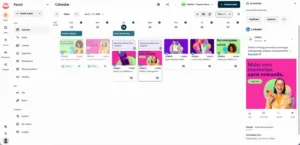
For years, social media managers relied on third-party software or desktop-only interfaces to schedule content on Instagram. Recognizing user demand for a more integrated workflow, Instagram released a native scheduling tool in late 2022. This functionality allowed Professional, Business, and Creator accounts to schedule Reels, photos, and carousel posts up to 75 days in advance directly within the mobile application.
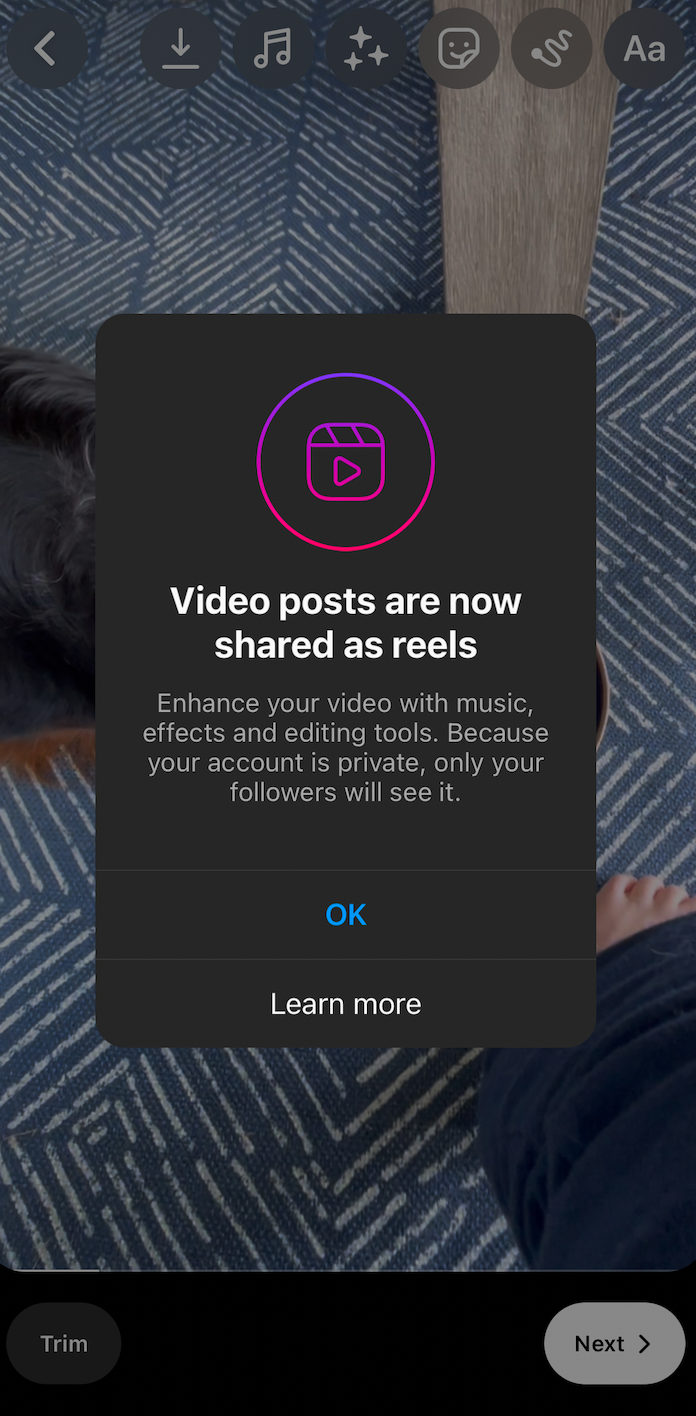
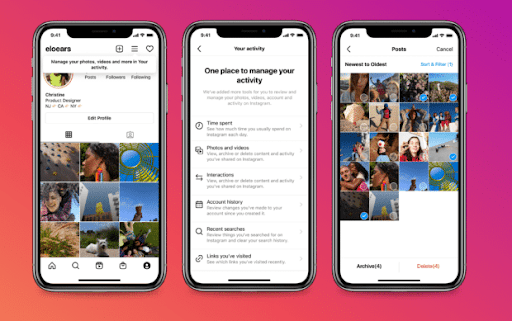
While the tool simplified planning for mobile-first creators, certain functional limitations remained at launch. Features such as product tagging, cross-posting to Facebook, and paid boosting were excluded from scheduled posts, requiring manual implementation upon publication. To support this scheduling functionality, Instagram concurrently updated its profile architecture, merging traditional video posts and IGTV formats into a single "Instagram Video" tab while automatically converting standard video posts under 15 minutes into full-screen Reels.
In addition to scheduling improvements, Instagram expanded its creative suite by allowing users to add up to 90 seconds of licensed music directly to static in-feed photo posts, bridging the gap between static imagery and audio-driven engagement formats.
Brand Safety Milestones and Intellectual Property Protections
Brand safety remained a critical operational priority for Meta throughout 2022, particularly as advertisers sought assurances regarding ad placement suitability. A major milestone was achieved in November 2022 when Meta secured accreditation from the Media Rating Council (MRC) for content-level Brand Safety on Facebook. Independent auditing firms evaluated the platform’s Partner Monetization Policies, Content Monetization Policies, and associated content-level suitability controls applied to Instant Articles and In-Stream video across desktop, mobile web, and mobile app environments.
To complement these safety measures, Meta addressed growing intellectual property concerns among creators and rights holders by launching the IP Reporting API in October 2022. Designed to integrate directly with the Graph API, the reporting interface allowed original content creators and trademark holders to flag copyright infringement, counterfeit products, and unauthorized impersonations in a streamlined manner, enhancing protection within the Business Manager environment.
Financial Commitments to Creators and Social Commerce Adjustments
Meta’s retention strategy for digital talent involved substantial financial investments throughout 2022. CEO Mark Zuckerberg announced that revenue-sharing models for creator monetization features—such as Badges, Subscriptions, and paid online events—would be suspended until at least 2024, allowing creators to retain 100% of their earnings (excluding applicable taxes). Additionally, Meta committed $1 billion toward various creator bonus programs through the end of 2022, rewarding milestones achieved through native creative tools.
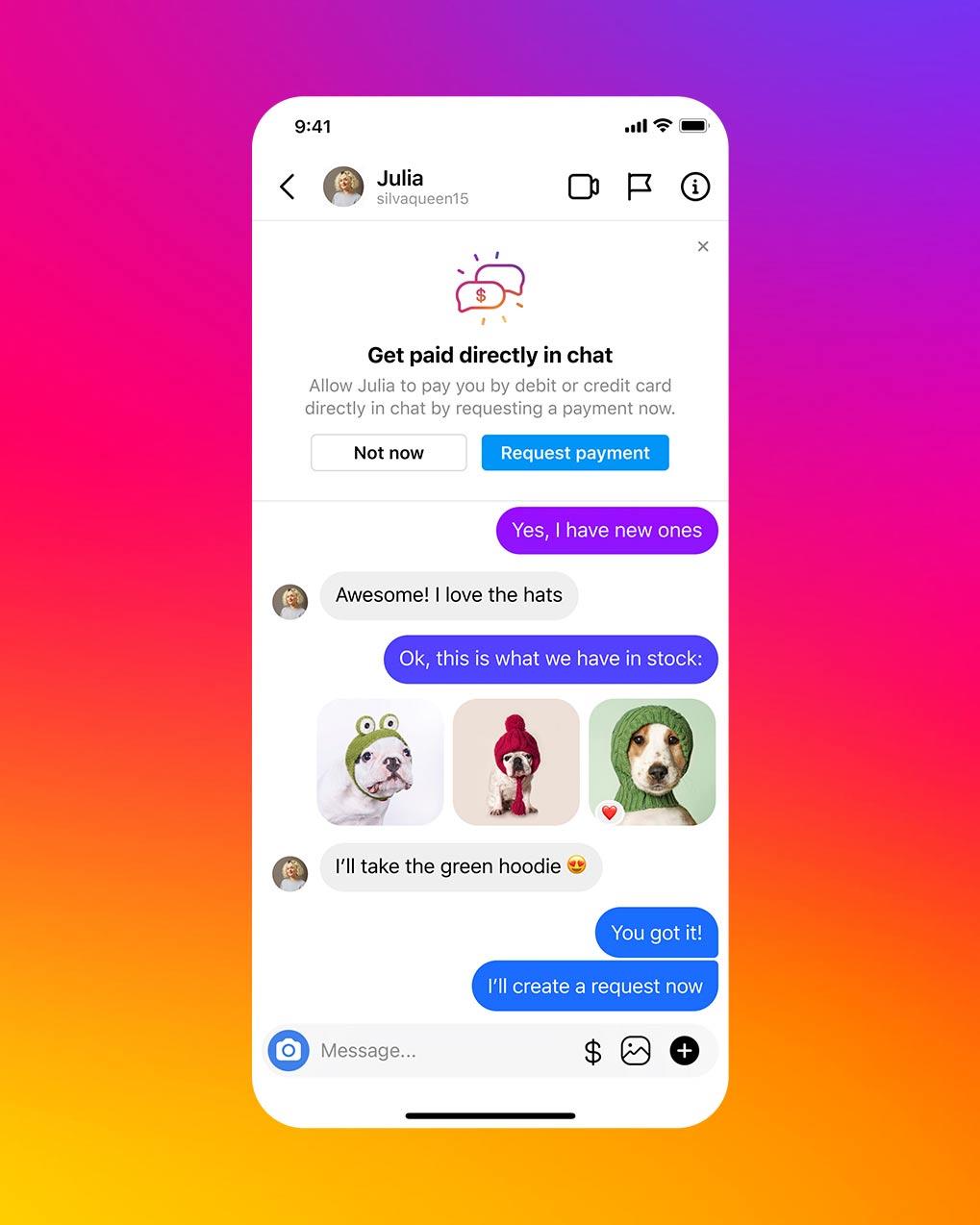
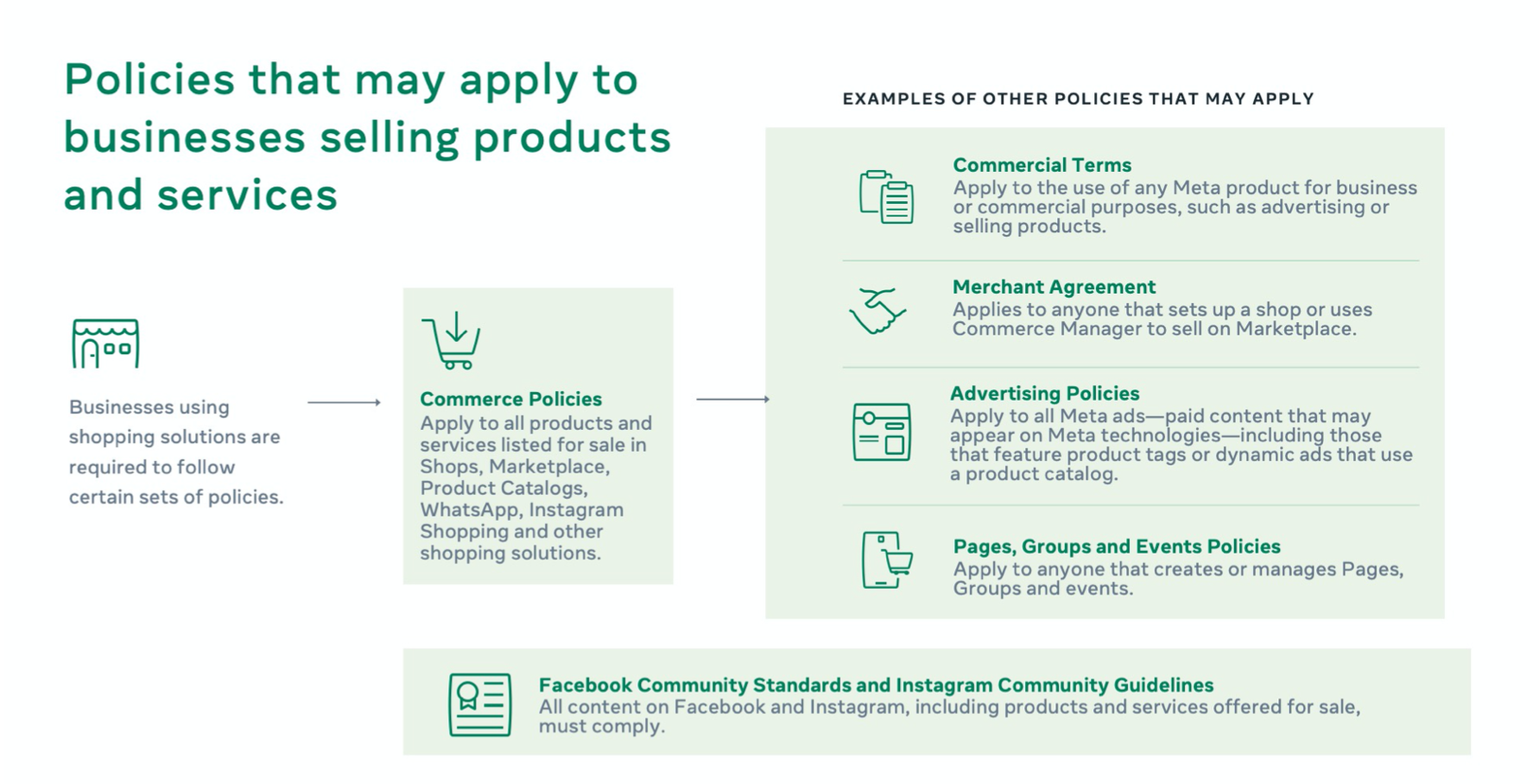
Simultaneously, Meta restructured its social commerce offerings. The company announced the sunsetting of Facebook Live Shopping effective October 1, 2022, as consumer viewing preferences shifted decisively toward short-form video formats like Reels. Despite scaling back live stream shopping events, Meta continued to facilitate in-chat financial transactions by rolling out native payment processing within Instagram Direct Messages (DMs), allowing eligible businesses to invoice and collect payments securely without redirecting customers to external web browsers.
Looking Ahead: Strategic Implications for 2023
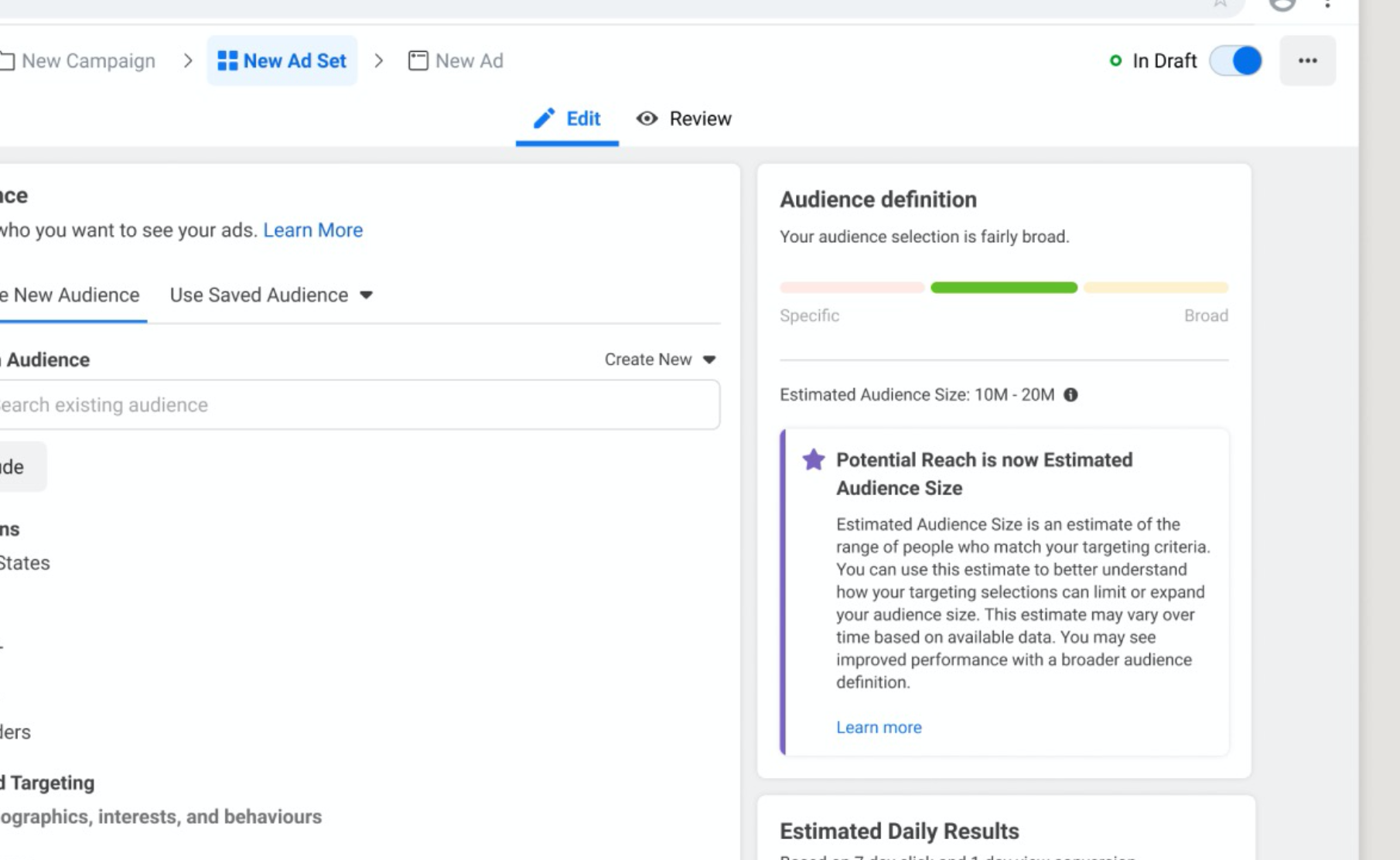
The structural updates deployed by Meta in late 2022 underscore a definitive industry transition toward automated media buying, algorithmic content distribution, and integrated social commerce. For digital marketers, navigating the post-ATT advertising environment requires an ongoing reliance on Meta’s machine learning infrastructure, particularly Advantage+ automation products.
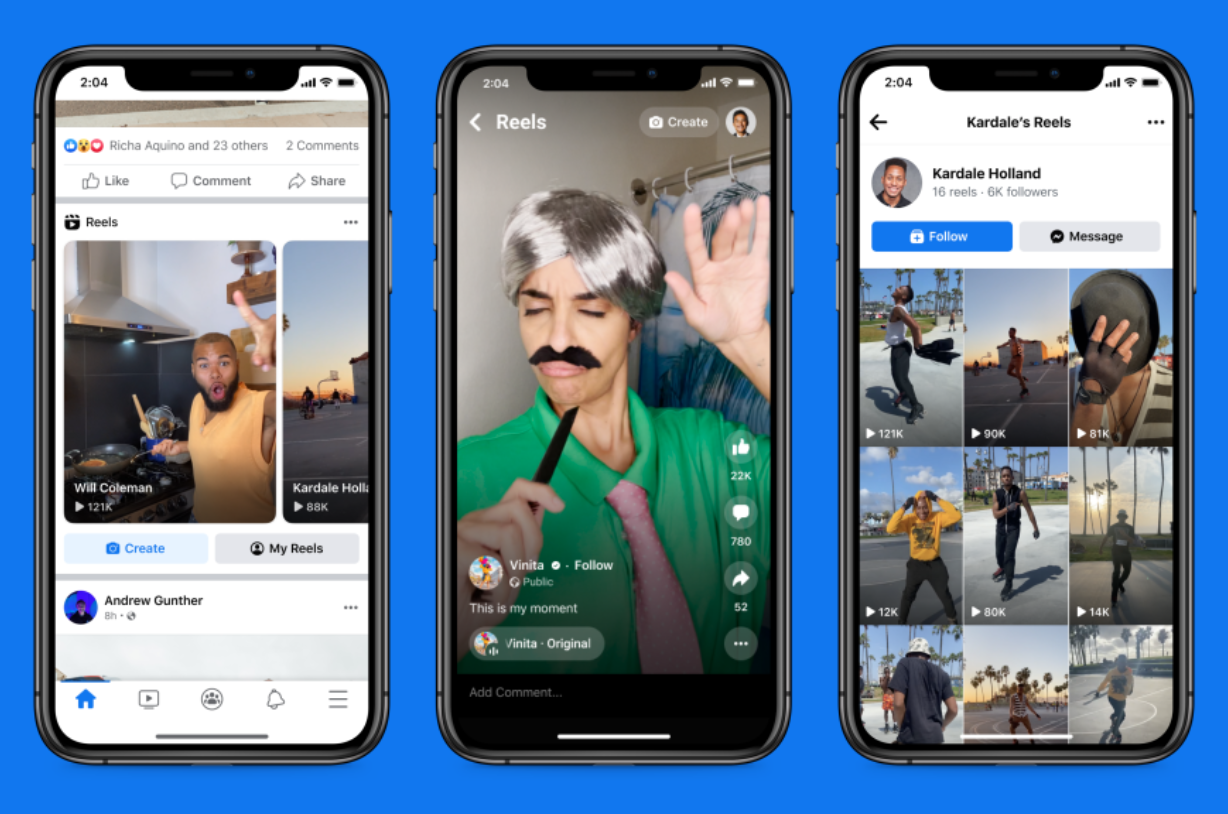
As Meta deepens its capital expenditure into artificial intelligence infrastructure, augmented reality, and the metaverse, the balance between platform monetization, user privacy, and brand safety will remain a central tension. Advertisers and creators entering 2023 must adapt to a highly automated, video-first ecosystem where algorithmic curation dictates organic discovery and campaign performance alike.