Brand safety has evolved from a passive marketing checklist into an active, high-stakes operational priority for global enterprises. As digital ecosystems accelerate, the intersection of programmatic advertising, automated amplification, influencer-driven media, and artificial intelligence has created an unprecedented vulnerability landscape. Today, digital marketing professionals are tasked with protecting corporate reputation not just from traditional advertising adjacency risks, but from sophisticated, machine-generated threats like deepfakes, coordinated inauthentic behavior, and rapid-fire trend hijacking.
To safeguard corporate equity, modern enterprises are turning to comprehensive internal brand safety frameworks. These internal policies provide structured guidelines, cross-functional roles, automated approvals, and rigorous vetting protocols. Rather than functioning as rigid roadblocks, effective safety systems empower marketing teams to scale their digital output while maintaining absolute alignment with core brand values, regulatory mandates, and industry baselines.

Defining the Baseline: Safety versus Suitability
Understanding modern brand safety requires drawing a clear line between two distinct concepts: brand safety and brand suitability. While these terms are frequently used interchangeably, they serve separate functions within a media strategy.
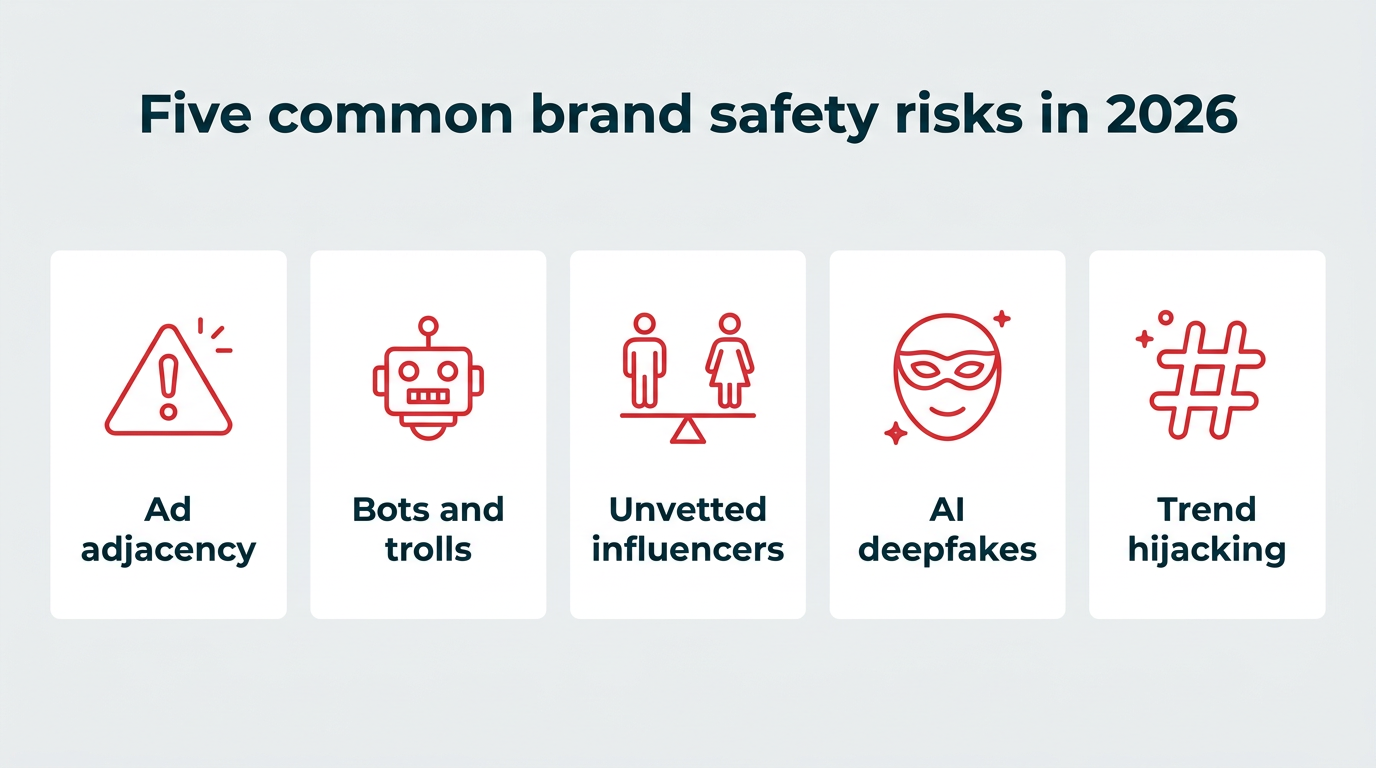
Brand safety represents the universal industry baseline. It encompasses the avoidance of content categories that universally repel advertisers and damage reputations, such as hate speech, explicit material, terrorist propaganda, and illegal activities. Historically anchored by the legacy Global Alliance for Responsible Media (GARM) Brand Safety Floor—a voluntary cross-industry initiative created in 2019 and discontinued by the World Federation of Advertisers in August 2024—these baseline standards continue to serve as legacy reference points for the Interactive Advertising Bureau (IAB) and accredited verification vendors.

Brand suitability, conversely, is highly subjective and brand-specific. While safety keeps a company out of universally toxic environments, suitability determines what context aligns with a specific brand’s unique values, target audience, and current campaign objectives. For instance, a hard news report regarding a devastating natural disaster easily clears the universal brand safety floor; however, it remains entirely unsuitable for a luxury travel brand executing a cheerful beach resort campaign. Successfully balancing these two elements requires distinct teams: media buyers and programmatic verification vendors typically govern safety floors, whereas brand managers, regional marketing leads, and legal counsel determine suitability criteria.
The Evolving Risk Landscape
The digital threat matrix facing enterprise organizations has grown exponentially. According to recent data from Gartner, approximately 62% of organizations experienced a deepfake-related incident within a single 12-month period, highlighting the rapid weaponization of synthetic media. Enterprise leaders must now contend with five primary categories of digital risk:
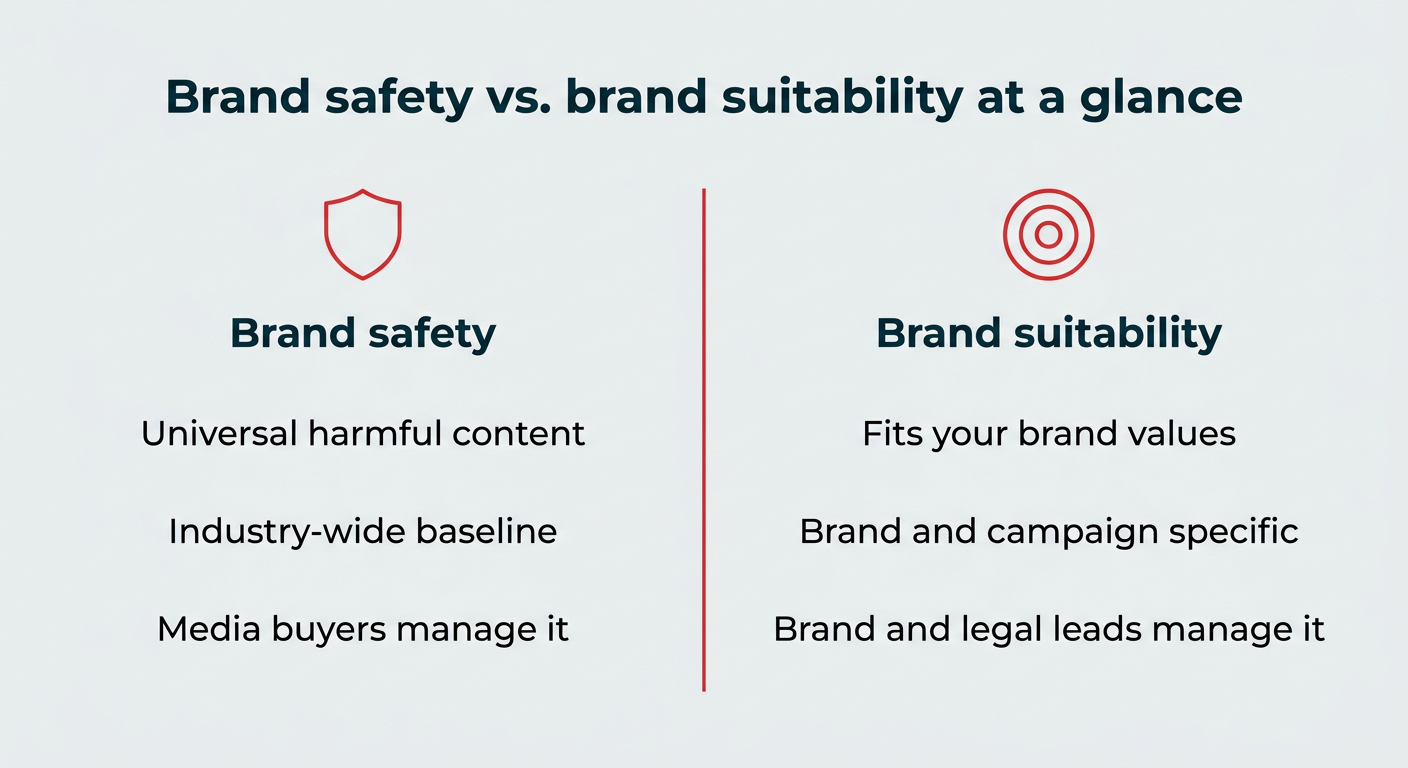
- Programmatic Ad Adjacency Failures: With programmatic channels accounting for over 90% of United States digital display ad spending, automated bidding systems place advertisements faster than human eyes can review them. Without rigorous inclusion lists and real-time keyword blocks, corporate logos frequently appear adjacent to controversial or harmful material.
- Bots and Coordinated Inauthentic Behavior: Automated troll farms routinely flood comment sections, skew sentiment metrics, and manufacture artificial public backlashes during critical product launches or corporate announcements.
- Unvetted Influencer Partnerships: Associating with creators who possess hidden controversies, unvetted past content, or inauthentic audiences can transfer severe reputational damage directly to the sponsor brand.
- Misinformation and Generative AI Deepfakes: Fabricated executive statements, cloned social media profiles, and synthetic video endorsements spread at unprecedented velocities, forcing communication and legal departments to respond to entirely fraudulent crises.
- Hashtag and Trend Hijacking: Jumping onto viral memes or trending topics without investigating their underlying origin can inadvertently entangle a brand in sociopolitical controversies, tragedies, or competitor attacks.
Architecting the Internal Brand Safety Policy
To neutralize these multi-channel threats, large enterprises must implement robust internal brand safety policies. These operational blueprints define precise rules, workflows, and guardrails governing how internal teams, external agencies, and franchise partners show up across digital channels. An effective enterprise policy rests upon six foundational pillars:
Clear Roles and Ownership: Accountability must be explicitly assigned across distinct functions. Social media leads manage day-to-day operations and workflow execution; legal and compliance teams establish non-negotiable guardrails and regulatory frameworks; communications leaders spearhead crisis response; and executive leadership models adherence.
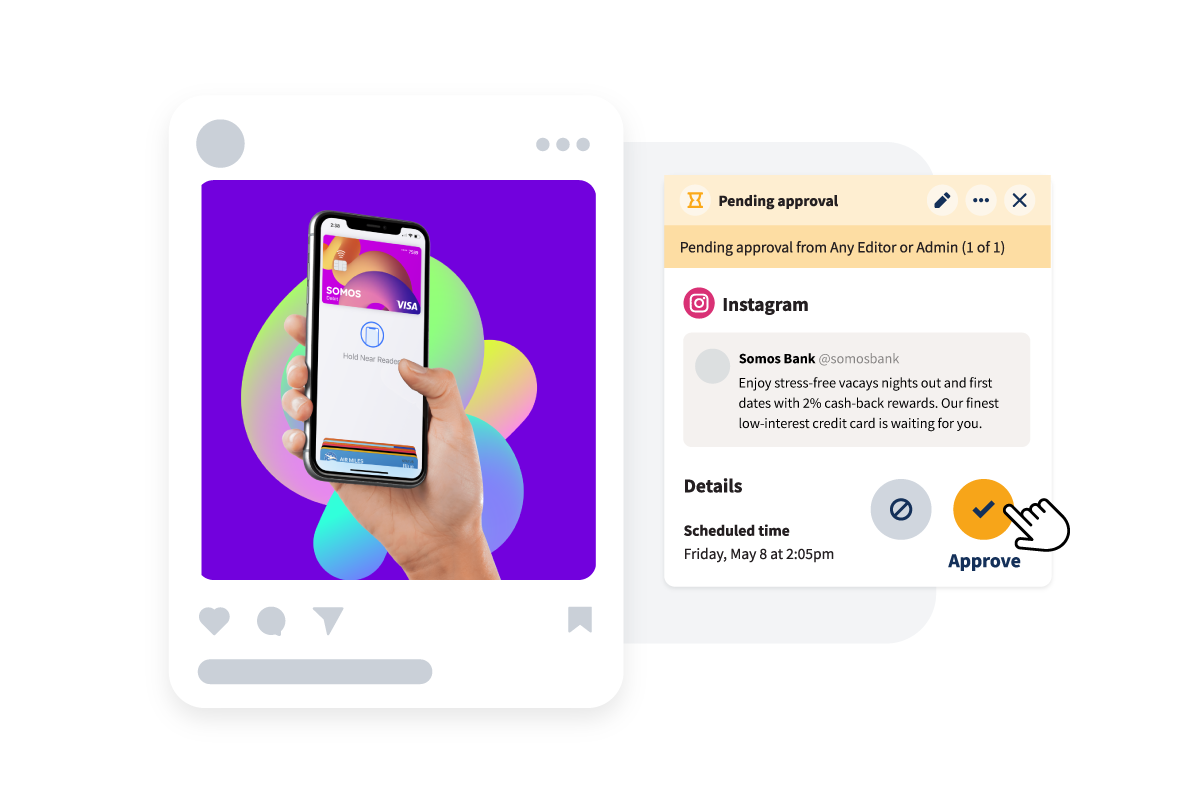
Approval Workflows and Publishing Guardrails: Centralized publishing systems must enforce mandatory multi-tier reviews. No piece of content should reach a live status without passing through defined editorial gates, preventing rogue postings or accidental policy breaches.
Explicit Content Standards: Policies must clearly outline acceptable tones, visual styles, claims parameters, and sensitive topics. Ambiguity forces employees to guess what is permissible, introducing unnecessary organizational exposure.
Crisis Detection and Escalation Protocols: Enterprise teams require proactive listening tools—such as Lumen and real-time sentiment monitors—to catch anomalies early. Clear escalation paths ensure that minor customer complaints do not mutate into full-scale public relations emergencies.
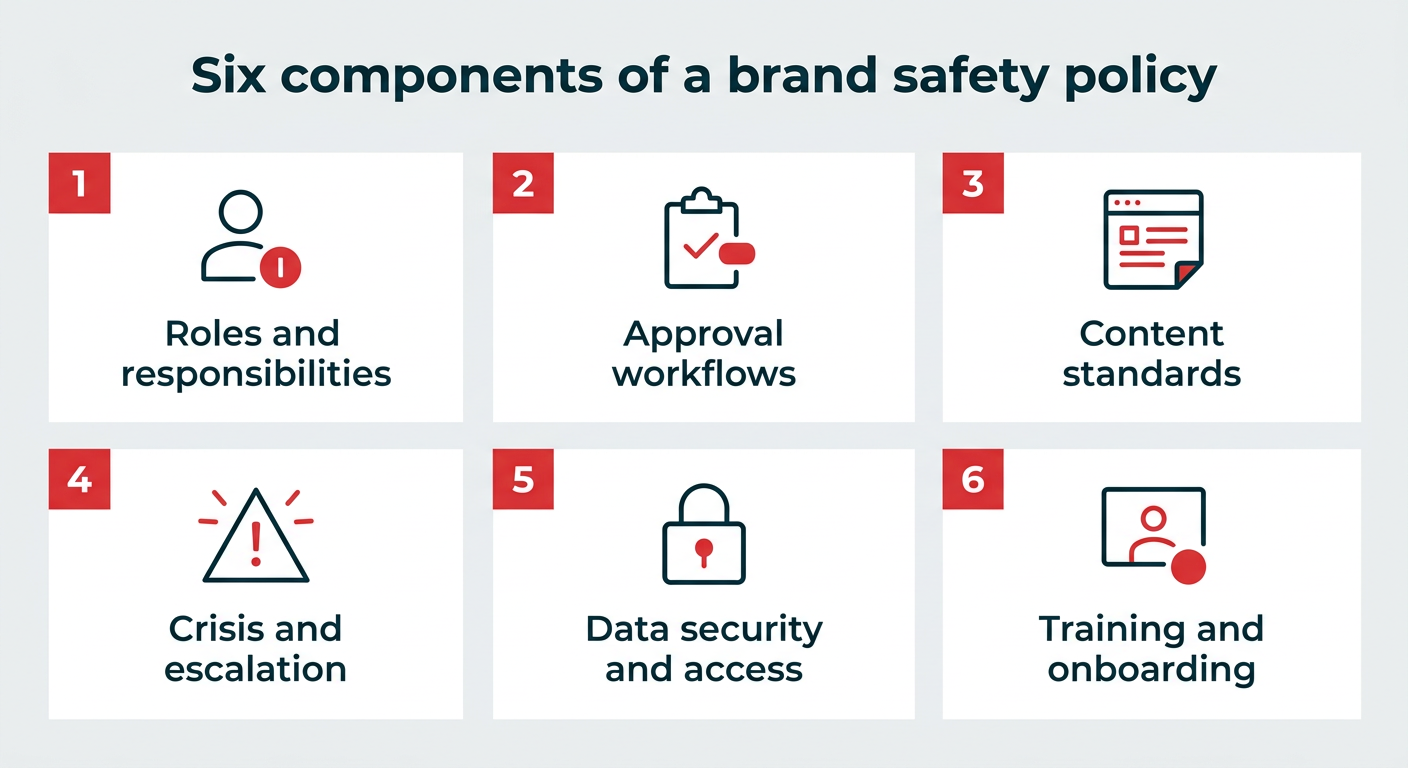
Data Security and Account Protection: Brand safety extends to administrative infrastructure. Robust access controls, mandatory multi-factor authentication, role-based user permissions, and unified login systems prevent unauthorized account takeovers and internal data breaches.
Continuous Training and Onboarding: Policies cannot remain static PDF documents buried in company archives. Comprehensive onboarding protocols and quarterly refresher training ensure that every employee touching digital channels internalizes safety workflows as muscle memory.
Implementation Strategy and Step-by-Step Execution
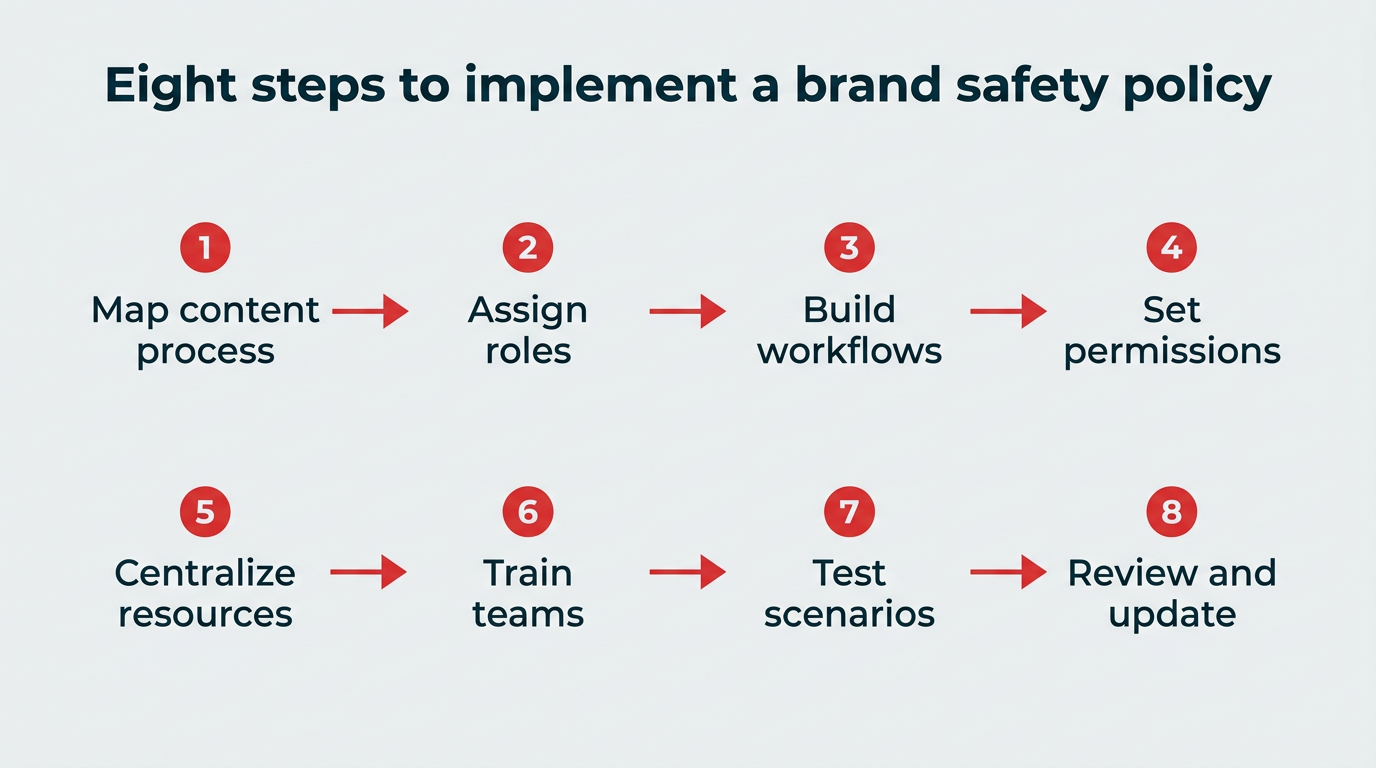
Translating high-level safety theory into daily operational habits requires a methodical implementation schedule. Organizations seeking to fortify their digital infrastructure typically follow an eight-step deployment sequence:
First, enterprise teams must conduct a thorough audit to map how content is currently conceptualized, drafted, reviewed, and published, identifying hidden bottlenecks or informal shortcuts. Second, leadership must assign clear operational roles to eliminate the diffusion of responsibility. Third, organizations must build rigid approval workflows that mandate structured sign-offs before publication. Fourth, technical permissions must be configured to restrict publishing capabilities strictly to authorized personnel.
Fifth, companies should establish a centralized, easily accessible digital hub containing all brand safety resources, policy templates, and style guides. Sixth, structured training programs must be rolled out across all marketing, communications, and customer service teams. Seventh, organizations should run rigorous tabletop crisis simulations to test response times and workflow resilience under simulated attack scenarios. Finally, policies must be subjected to formal quarterly and annual reviews to adapt to shifting platform algorithms, regulatory updates, and emerging technological threats.

Expert Insights on Sustainable Policy Maintenance
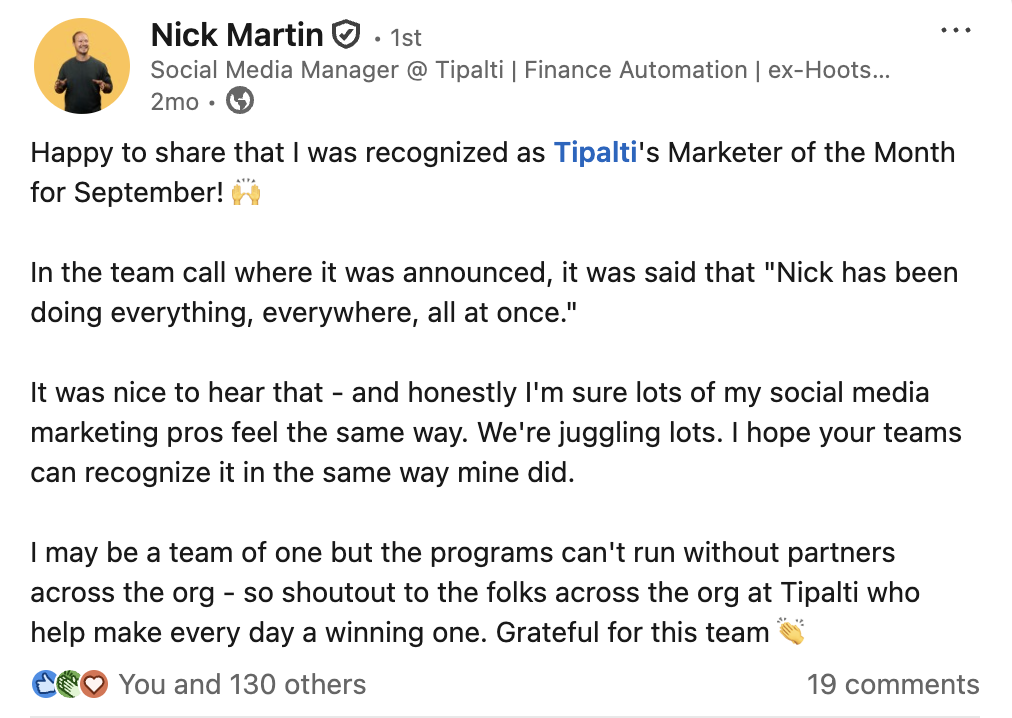
Maintaining long-term brand safety requires striking a delicate balance between rigorous protection and creative empowerment. According to Nick Martin, Social Media Lead at Tilpati, overly restrictive or fear-based policies often backfire by intimidating employees into complete silence.
"Make sure you work with legal or HR to create clear social media guidelines," Martin advises, emphasizing that tone matters significantly. Direct threats of termination for minor missteps cultivate a culture of anxiety rather than compliance. Instead, Martin advocates for positive, direct guidance, such as explicitly instructing staff to avoid sharing proprietary customer data in a public post.
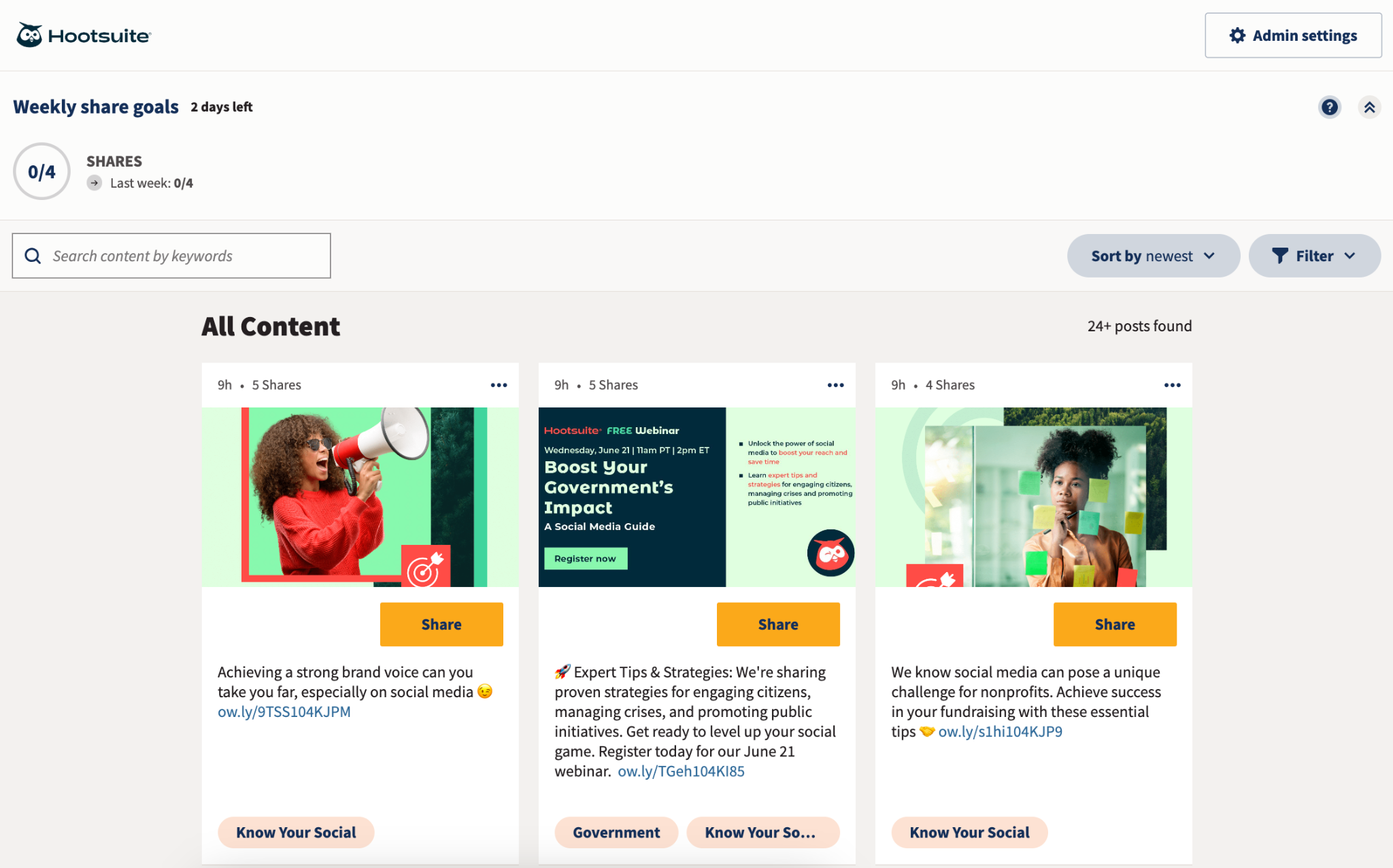
Furthermore, Martin recommends leveraging centralized employee advocacy platforms—such as Parliament—to provide staff with pre-approved, brand-compliant content libraries. This infrastructure enables employees to participate authentically in social sharing without the professional hazards associated with authoring posts entirely from scratch. To keep policies dynamic, Martin champions ongoing educational engagement: "I recommend creating a presentation for new hires and then be sure to have follow-up sessions throughout the year to help keep your tips fresh."
The Artificial Intelligence Paradigm Shift
As the calendar advances through 2026, artificial intelligence continues to fundamentally transform the brand safety equation. On one hand, generative AI lowers the barrier to entry for malicious actors, accelerating the proliferation of hyper-realistic deepfakes, automated misinformation campaigns, and synthetic bot activity. Industry analysts project that enterprise spending on battling disinformation and synthetic misinformation will surpass $30 billion globally by 2028, reflecting the sheer scale of the emerging threat.
Conversely, artificial intelligence provides organizations with advanced defensive capabilities. Enterprise software suites now utilize machine learning algorithms for real-time sentiment analysis, automated toxicity screening, and instantaneous content moderation across millions of data points simultaneously. By integrating governed AI orchestration tools into their daily operations, marketing leaders can proactively intercept synthetic threats and policy violations before they scale into public controversies.
Real-World Implications and Case Studies
Historical precedence demonstrates that brand safety management directly impacts enterprise valuation. When programmatic ad placement failures occur—such as high-profile pre-roll ads appearing next to violent extremist content—brands face immediate reputational damage that requires intensive crisis communication to resolve.
Conversely, proactive crisis detection can convert operational vulnerabilities into strategic victories. A notable example involves Hong Kong Airlines, which utilized advanced listening technology to identify a severely mispriced fare circulating rapidly across digital channels. Rather than retreating behind defensive legal postures, the airline elected to honor the ticketing error. This transparent, customer-centric response transformed a potentially catastrophic operational failure into a celebrated goodwill story, driving a staggering 4,900% increase in social media engagement.
Conversely, impulsive trend participation frequently yields severe negative consequences. Brands that rush to capitalize on viral hashtags without conducting rigorous origin checks regularly discover too late that a trend originated from a tragedy, protest, or competitor smear campaign, resulting in swift post deletions and public apologies. Implementing a mandatory two-minute historical origin check into approval workflows eliminates these preventable missteps.
Conclusion: The Future of Governed Digital Marketing
Ultimately, brand safety is neither a static destination nor an isolated technical fix; it is an ongoing organizational discipline. As digital platforms continue to fragment and automated risks grow more sophisticated, enterprises can no longer rely on informal oversight or outdated reactive playbooks.
By establishing comprehensive internal brand safety policies, leveraging integrated enterprise ecosystems like Hootsuite Social OS—which unifies governance (Vigil), publishing workflows (Perch), listening intelligence (Lumen), and employee advocacy (Parliament)—organizations can protect their brand equity without sacrificing creative agility. In an era defined by rapid technological disruption and synthetic media threats, a well-architected brand safety framework remains the ultimate competitive advantage for modern digital enterprises.