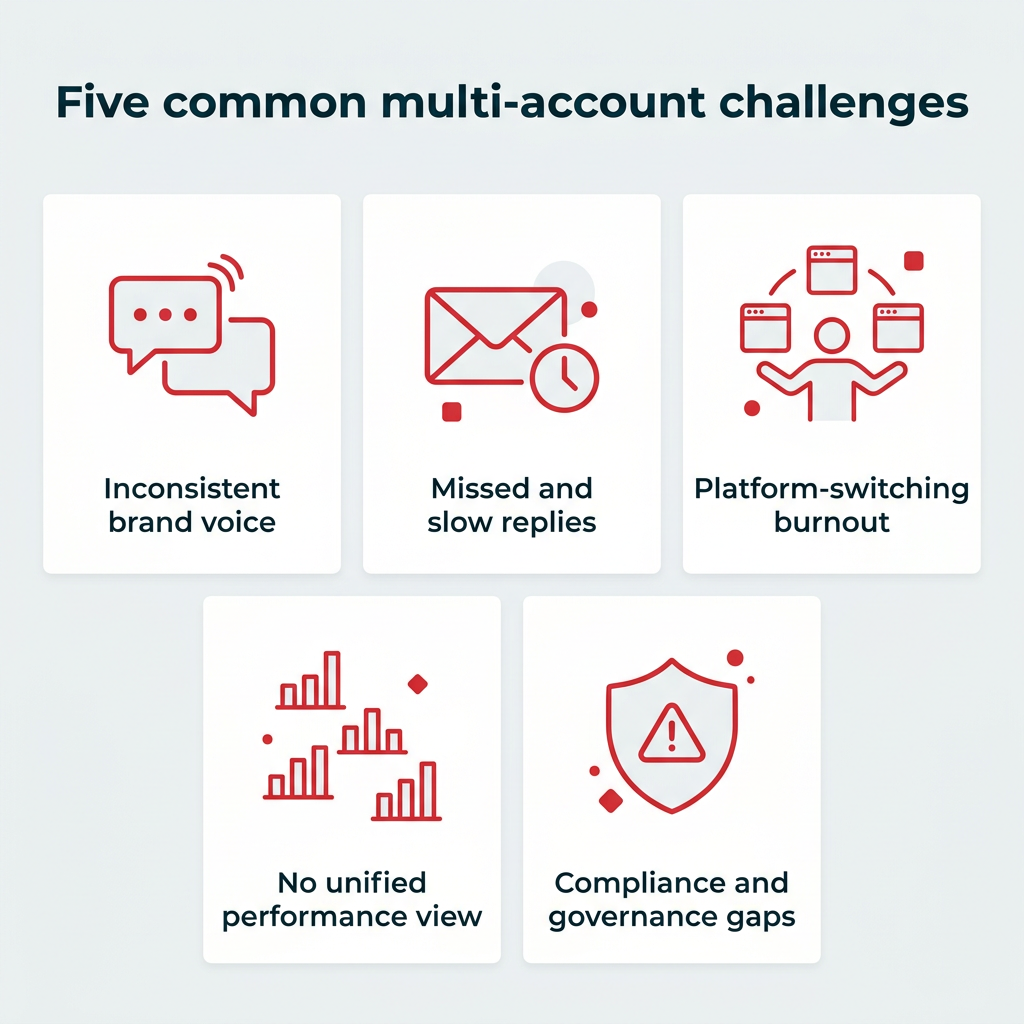
The operational complexities of managing multiple social media accounts across various brands, regional markets, and targeted demographics have grown exponentially as digital marketing budgets continue to expand globally. Recent industry data indicates that United States social network ad spending alone is projected to exceed $121 billion, underscoring the critical need for structured, scalable oversight. Without a unified management framework, organizations frequently encounter severe operational friction, including inconsistent brand messaging, heightened compliance risks, unaddressed customer inquiries, and widespread team burnout. Industry experts emphasize that centralizing digital operations is no longer optional for modern enterprises seeking to protect their brand equity and maximize return on investment.

To combat the inherent chaos of juggling numerous profiles, digital strategists recommend establishing repeatable systems for planning, publishing, customer engagement, and performance reporting. Transitioning away from fragmented workflows—such as manually switching between multiple mobile applications and desktop browser tabs throughout the workday—serves as the foundational step toward operational stability. According to social media strategist Jose-Andres Camacho of Intuit Mailchimp, unifying all brand profiles under a single management system streamlines cross-brand reporting, simplifies performance benchmarking, and significantly reduces cognitive fatigue for marketing personnel.
Establishing Purpose, Platform Selection, and Workflow Batching

Effective multi-account governance begins with defining a distinct purpose, mission, and measurable goal for every individual profile. Without clear parameters, organizations risk internal content overlap and mixed public messaging. Furthermore, marketing teams must strategically select their platform presence based on empirical audience demographics rather than attempting to maintain a presence everywhere. For instance, statistical data from the Pew Research Center highlights stark generational divides, showing that approximately 80% of adults aged 18 to 29 actively use Instagram, compared to just 19% of individuals aged 65 and older. Focusing resources on platforms where target audiences actively consume content prevents wasted effort and maximizes resource allocation.
Once platforms are chosen, productivity can be greatly enhanced through task batching and content repurposing. Rather than generating fresh material daily for every channel, high-performing teams group similar responsibilities—such as content creation, graphic design, and scheduling—into dedicated time blocks using frameworks like the Pomodoro Technique or designated focus sessions. Long-form assets, including whitepapers, webinars, and case studies, can be strategically dismantled into short-form videos, carousels, text posts, and quote graphics, provided the hooks and captions are customized to fit the native culture of each specific platform.
Scheduling, Inbox Management, and Governance Frameworks
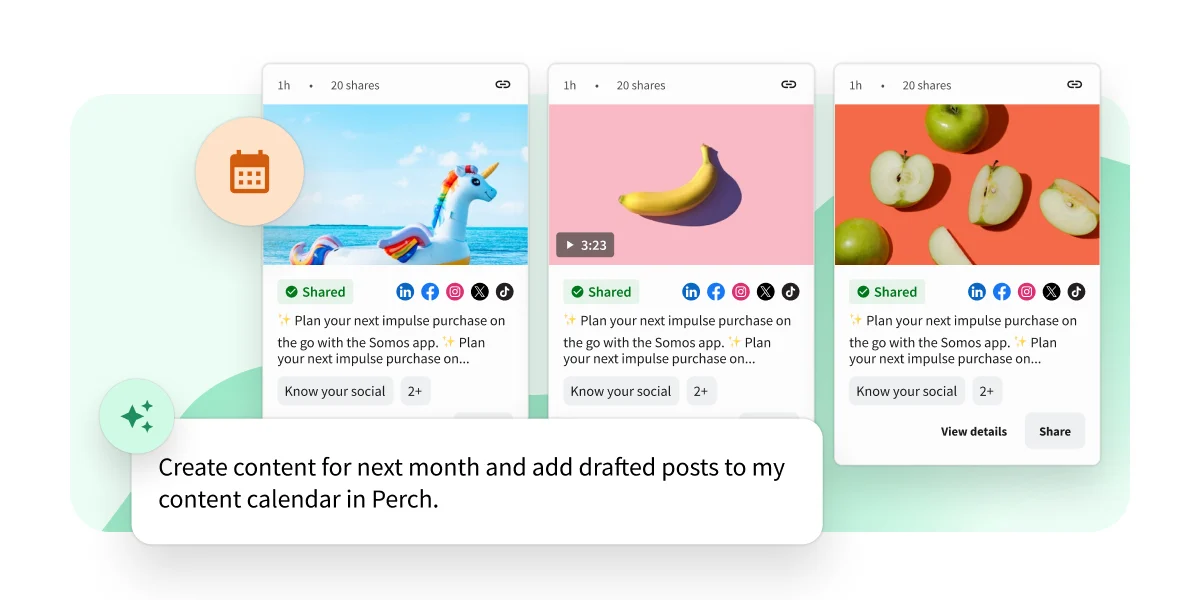
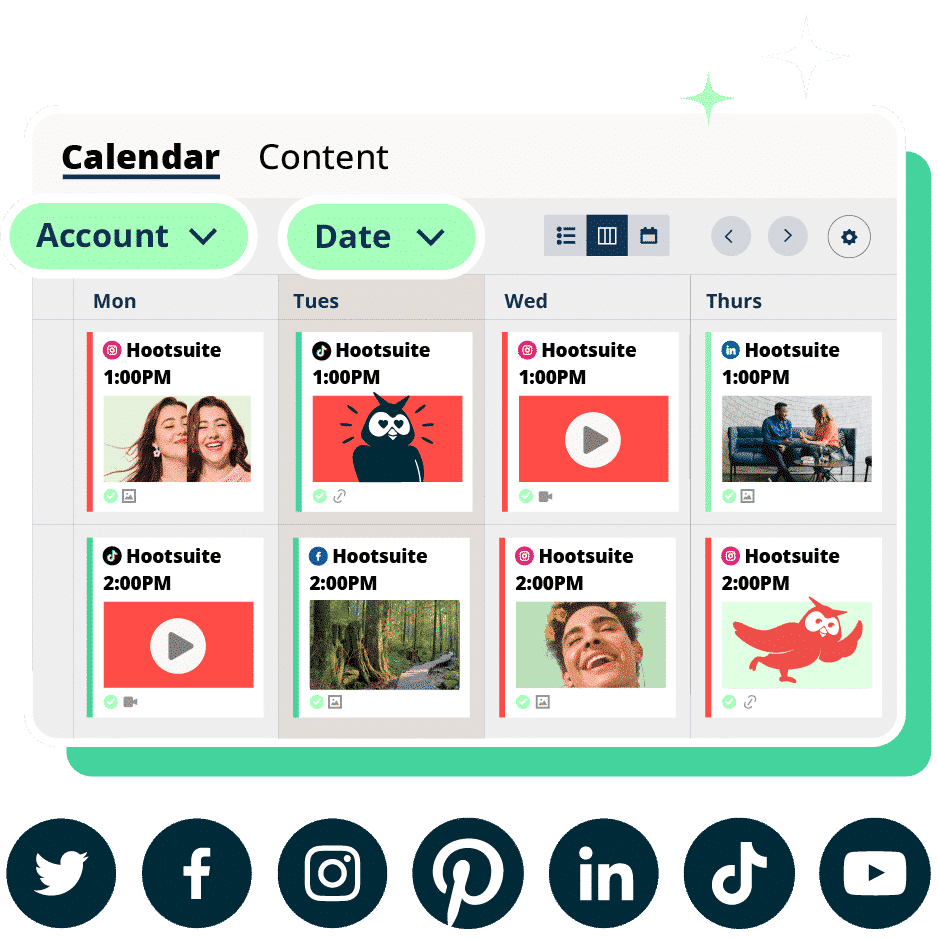
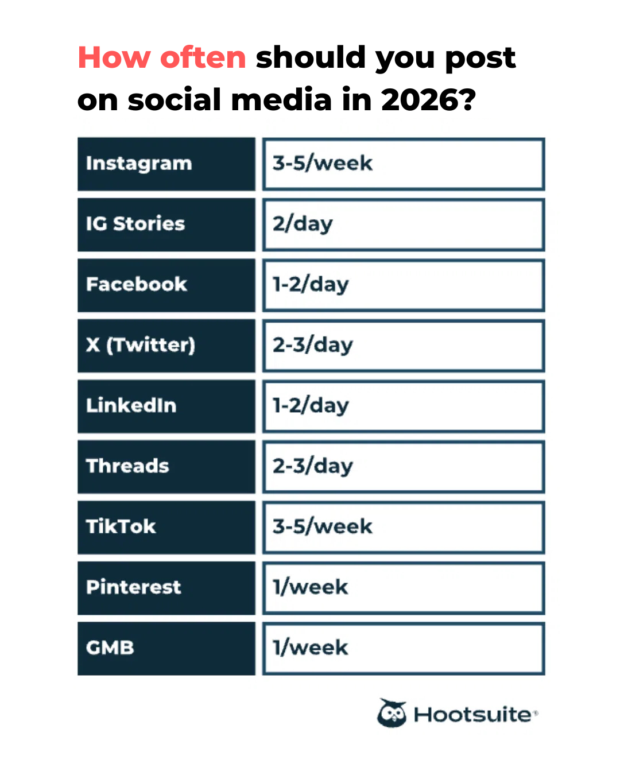
Publishing content live on a daily basis across multiple accounts represents a direct path to workforce exhaustion. Consequently, leveraging advanced social scheduling tools allows communications teams to plan ahead, maintain steady publishing cadences, and retain breathing room during daily operations. Research into optimal posting frequencies suggests maintaining a structured rhythm: three to five weekly posts for visual platforms like Instagram and TikTok, one to two daily posts for Facebook and LinkedIn, and higher-frequency updates for fast-paced environments like X and Threads. However, automated scheduling must always be balanced with situational awareness, requiring brands to pause or pivot pre-scheduled campaigns during unexpected global events.
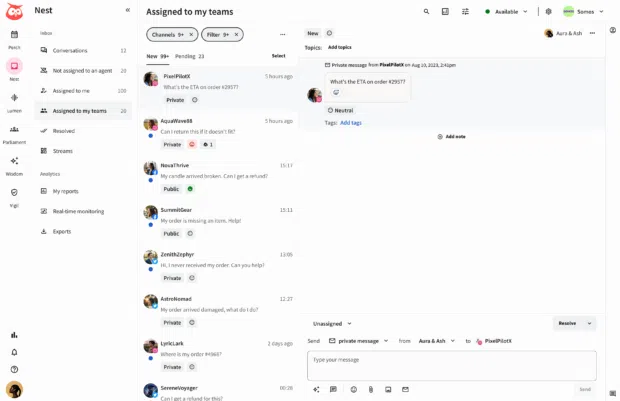
In tandem with publishing schedules, customer inbox management requires rigorous discipline to prevent missed messages and damaged brand reputations. Enterprise organizations often find conversations fragmented across customer support, public relations, and regional marketing departments. Implementing a unified social inbox resolves this fragmentation by routing, tracking, and resolving queries through centralized queues. Establishing specific daily response windows—such as morning, midday, and late afternoon checks—prevents constant context switching and ensures communities feel consistently heard and valued.
As organizations scale their digital footprint, robust approval workflows and internal governance become vital safeguards against reputational and regulatory crises. Industries bound by strict compliance mandates, such as finance, healthcare, and government agencies, require multi-tiered permission levels where content must pass through designated creators, reviewers, and publishers before going live. Centralized archiving and automated compliance oversight tools further protect enterprises by ensuring every published asset meets legal and brand safety standards.
Analytics, Social Listening, and the Integration of Artificial Intelligence
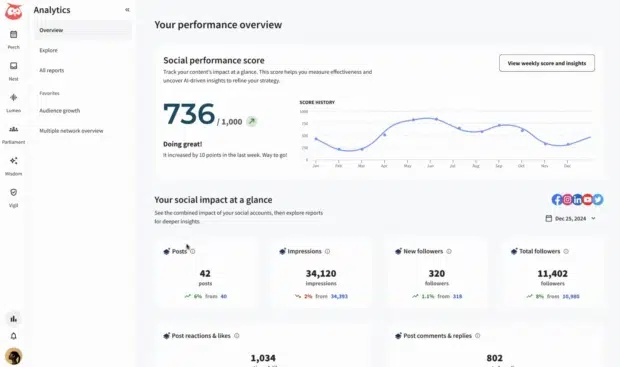
The long-term viability of any multi-account strategy depends entirely on rigorous performance auditing and data-driven adjustments. Key metrics—including engagement rates, audience growth velocity, click-through rates, and share of voice—must be monitored regularly through centralized analytics dashboards. By catching minor dips in engagement or slowing growth early, social media managers can recalibrate their tactics before minor issues compound into systemic failures. Furthermore, active social listening enables brands to monitor public sentiment, uncover partnership opportunities, and stay ahead of emerging industry trends.
In recent years, artificial intelligence has emerged as an indispensable asset for alleviating repetitive multi-account tasks, such as drafting initial copy, resizing visual assets, summarizing listening data, and generating performance reports. Industry practitioners frequently describe artificial intelligence as an always-on assistant that handles foundational busywork, allowing human strategists to focus on high-level creative direction and brand judgment. By training generative AI models and utilizing integrated operating system layers, enterprises can seamlessly draft, repurpose, and analyze content across dozens of channels simultaneously.
Selecting the Right Management Infrastructure
Choosing the appropriate social media management platform depends heavily on an organization’s scale, budget, and operational complexity. While lightweight applications like Buffer serve freelancers and small businesses managing a handful of channels effectively, they often lack the sophisticated multi-level approval workflows, deep analytics, and social listening capabilities required by larger enterprises. Specialized agency tools like Planable excel at visual content planning and multi-stage client approvals, though they may require supplementary software for robust listening and data analytics.
For complex enterprise environments juggling numerous global brands, comprehensive social operating systems like Hootsuite provide the necessary infrastructure. These unified platforms combine publishing, customer care inboxes, advanced listening, sentiment analysis, and role-based governance into a single dashboard. By centralizing these disparate functions, organizations can successfully eliminate operational silos, safeguard regulatory compliance, and accurately demonstrate the tangible business impact and return on investment of their social media marketing efforts to executive leadership.