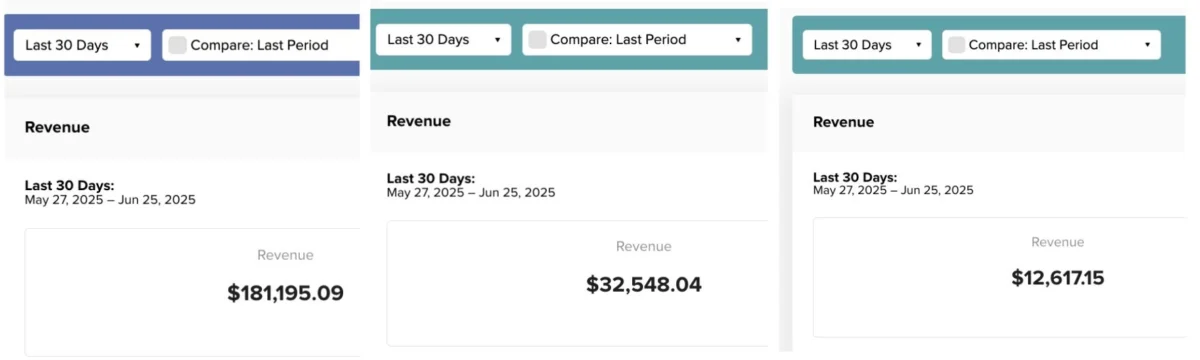
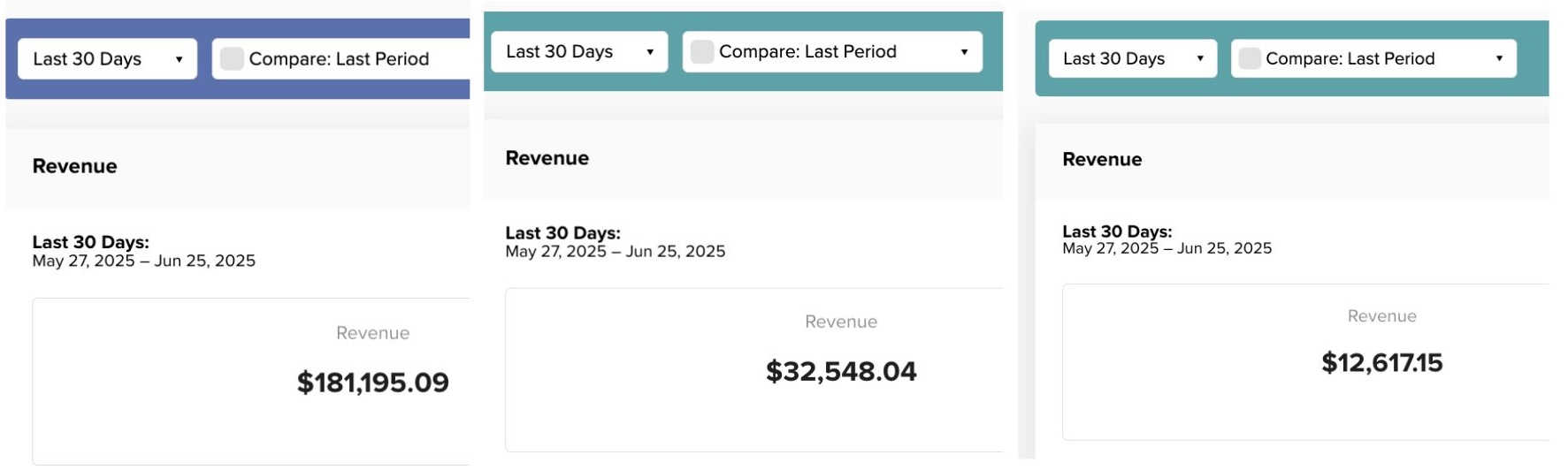
The digital publishing industry has undergone a seismic shift over the past several years, driven by continuous search engine algorithm updates, rising customer acquisition costs, and evolving consumer habits. While many online entrepreneurs remain entirely dependent on organic search engine optimization (SEO) to drive web traffic, veteran niche site creator Jon Dykstra has successfully pioneered an alternative operational model. By diversifying traffic sources and building an interconnected monetization ecosystem, Dykstra now operates multiple digital domains, each consistently generating over $100,000 in monthly net profit without relying on traditional search traffic.
This comprehensive operational blueprint, refined through more than 18 months of systematic testing, trial, and optimization, offers a modern case study in digital asset diversification. Rather than relying on a single traffic acquisition channel that remains vulnerable to algorithm volatility, Dykstra’s strategy integrates content publishing, automated audience capture, direct email monetization, and social media funneling into a unified, self-sustaining revenue flywheel.
Background Context and the Evolution of Niche Publishing
For over a decade, the standard playbook for independent web publishers involved targeting long-tail keywords, optimizing on-page SEO elements, and waiting for organic search engines to send steady streams of browser traffic. However, recent volatility in major search engine ranking algorithms has decimated the revenue stability of thousands of independent blogs and content sites. Publishers who relied exclusively on organic search found their businesses abruptly upended overnight.

Recognizing these systemic industry vulnerabilities, digital entrepreneurs began exploring hybrid models as early as 2023 and 2024. Dykstra’s approach represents a mature evolution of this trend. By treating organic search as an optional bonus rather than a foundational requirement, his publishing network insulates itself from sudden algorithmic shifts. Over an 18-month development timeline, Dykstra systematically tested various traffic vectors—including specialized social media automation, high-intent visual search engines, and direct subscriber engagement—until he identified a formula capable of scaling rapidly into six-figure monthly returns.
Step-by-Step Anatomy of the Content Empire Blueprint
Building a high-yielding, non-SEO-dependent content network requires a disciplined, multi-layered approach. According to the published operational framework, the strategy relies on six distinct structural pillars designed to capture, retain, and monetize audience attention efficiently.
Phase 1: Establishing Authority Through Quality Content
The foundation of the entire system begins with the publication of deeply engaging, high-value material tailored to specific niche audiences. Rather than deploying low-effort, high-volume content strategies designed solely to appease search bots, successful modern publishers focus on creating definitive resources that compel visitors to bookmark the site and return autonomously. This content serves as the anchor for all subsequent marketing and monetization efforts.
Phase 2: Aggressive Audience Capture and Retention
A critical failure point for many digital publishers is the passive loss of website visitors. Industry data indicates that without deliberate capture mechanisms, upwards of 95% of first-time site visitors depart permanently without leaving a digital footprint. Dykstra’s model mandates the immediate deployment of robust email infrastructure utilizing professional service providers such as Kit (formerly ConvertKit). By offering targeted lead magnets, content upgrades, and streamlined subscription forms across every published article, publishers transform casual browsers into owned, portable audiences.
Phase 3: Diversified On-Site Monetization
Maximizing revenue per user requires a balanced monetization mix. The first layer consists of passive display advertising through premium inventory networks like Mediavine, which automatically optimize ad yields based on user engagement and geography. Beyond display advertising, strategic affiliate marketing serves as a primary income driver. Instead of manually managing dozens of fragmented merchant programs, publishers utilize sitewide affiliate infrastructure platforms like Stay22 to dynamically route user clicks to the highest-converting retail partners. This ensures maximum commission payouts with minimal ongoing administrative friction.
Phase 4: Direct Newsletter Revenue Generation
Rather than treating email newsletters as mere broadcast channels, successful publishers monetize the inbox directly. By integrating platforms like SparkLoop with standard email service providers, creators can monetize their subscriber base through sponsored placements, curated recommendations, and internal cross-promotion. This creates an additional recurring revenue loop that functions independently of website page views.
Phase 5: Expanding Beyond Search via Alternative Traffic Vectors
To replace organic search traffic, publishers must actively intercept target audiences where they spend time online. Visual search platforms—specifically Pinterest, leveraged via specialized tools like Pin Clicks—offer substantial commercial intent outside of traditional search engines. Furthermore, carefully targeted social media strategies on platforms such as Facebook continue to yield highly qualified web traffic when executed systematically.
Phase 6: Automated Subscriber Acquisition via Social Platforms
Modern subscriber acquisition leverages social media messaging automation to drive hyper-growth. By deploying automated conversation tools like Manychat across Instagram, Threads, and Facebook, publishers can interact with users in real time, deliver requested resources, and seamlessly transition social engagement into owned email subscribers. This automation operates continuously, functioning as an around-the-clock digital sales representative.
The Flywheel Effect and Economic Implications

The true strength of Dykstra’s multi-channel framework lies in its compounding network effect. When properly configured, each component reinforces the others in a continuous loop:
- Targeted traffic arrives via social media, Pinterest, or direct channels.
- Visitors view monetized pages, generating immediate display advertising revenue.
- Users click optimized affiliate links, producing product commissions.
- Visitors convert into email subscribers via automated capture forms.
- Daily email dispatches drive subscribers back to fresh content, restarting the consumption cycle.
- Subscriber acquisition tools continuously feed new users into the top of the funnel.
This self-reinforcing dynamic yields remarkable financial resilience. After 1.5 years of structural refinement, Dykstra’s primary domain produces consistent six-figure monthly net revenue. This level of financial performance demonstrates that independent content creators are no longer bound by the whims of search engine updates, provided they own their audience relationships and diversify their revenue streams.
Industry Analysis and Future Outlook
Financial analysts and digital marketing experts observing this shift note that the traditional boundaries between content publishing, e-commerce, and media newsletters are rapidly dissolving. The success of multi-property digital networks highlights a broader macroeconomic trend within the creator economy: audience ownership and platform diversification are now absolute prerequisites for long-term business survival.
As advertising rates fluctuate and search engines increasingly prioritize their own native properties over independent publishers, models that rely on direct-to-consumer email relationships and social automation will likely become the industry standard. For independent creators willing to move beyond basic SEO tactics, the blueprint demonstrated by Dykstra provides a clear, scalable roadmap toward financial independence and sustainable digital asset growth.