The digital landscape is defined by a relentless competition for human attention. In an era where the average attention span is measured in seconds, the opening lines of a blog post or digital article serve as the primary gatekeeper for engagement. Data from the Nielsen Norman Group suggests that users often leave web pages within 10 to 20 seconds unless they find something that clearly signals value. Consequently, the "hook"—the opening sentence or paragraph—has transitioned from a stylistic choice to a critical component of content strategy.
Professional content creators and digital publishers have long recognized that while a headline is the primary advertisement for a piece of content, the opening line is the retention mechanism. If the headline acts as a door, the opening line is the hallway that dictates whether a visitor enters the room or exits the premises entirely.
The Psychology of the Hook: Establishing Relevance
Research into reader behavior indicates that readers scan content to assess whether a piece is worth their cognitive investment. A successful opening establishes a "contract" with the reader. By identifying a specific need or pain point in the opening paragraph, the author promises a solution, thereby creating a psychological incentive for the reader to continue. This technique is rooted in the "zeigarnik effect," a psychological phenomenon where people remember uncompleted or interrupted tasks better than completed ones. By posing a question or introducing a conflict at the start, the writer creates an "open loop" that the reader feels compelled to close by reading further.
Chronology of Engagement Strategy
The evolution of digital writing has seen a shift from traditional journalistic "inverted pyramid" structures—where the most critical information is placed at the very top—to more narrative-driven approaches.
- Early Web Era (Late 1990s): Content was primarily functional. Openers were brief and served as summaries.
- The Rise of the Blogosphere (2000s): Writers began experimenting with personality-driven hooks, personal anecdotes, and provocative questions to differentiate their voices in a crowded market.
- The Current Attention Economy (2015–Present): With the saturation of social media and mobile-first consumption, the opening line must now be optimized for speed, clarity, and immediate emotional or intellectual payoff.
11 Proven Strategies for Capturing Reader Attention
To sustain engagement, writers utilize a variety of structural and rhetorical techniques. These strategies are not mutually exclusive and can be adapted based on the target demographic.
1. The Needs-Based Identification
By articulating a problem the reader is currently facing, the writer validates the reader’s experience. This strategy works because it immediately positions the author as an empathetic expert who understands the reader’s challenges.
2. The Binary "Yes" Question
Copywriters frequently employ "yes-set" questions. By asking a question to which the reader’s natural response is "yes," the writer establishes a baseline of agreement. This rapport-building technique is essential for steering the reader toward a specific call to action later in the piece.
3. The Intriguing Revelation
Curiosity is a powerful motivator. An opening that promises a revelation—such as "The secret to doubling productivity is not what you think"—leverages the information gap theory, which posits that curiosity arises when there is a perceived gap between what a person knows and what they want to know.
4. Unexpected Anecdotes
Personal stories or unconventional facts act as a "pattern interrupt." When a reader encounters a narrative that deviates from the expected tone of a professional article, their brain shifts from passive scanning to active engagement.
5. Strategic Analogies
Analogies bridge the gap between complex information and relatable concepts. An opening that uses a strong analogy allows the reader to grasp the core theme of the post immediately, even if the topic is highly technical or abstract.
6. Assertive Claims
A bold, data-backed claim can establish immediate authority. This strategy is most effective when the claim is followed by empirical evidence or a promise of a structured, logical argument that supports the assertion.
7. The Power of Controversy
While risky, addressing a contentious issue can drive high levels of engagement. By challenging a common industry belief, a writer can mobilize a readership and encourage them to read further to understand the reasoning behind the counter-intuitive stance.
8. Sensory Visualization
By invoking imagery, a writer can make a digital experience feel tangible. This is frequently used in long-form journalism and storytelling to ground the reader in a specific setting or emotional state before presenting facts.
9. Statistical Anchoring
Hard data provides objective weight to an article. Starting with a surprising statistic—such as a specific failure rate or a market growth percentage—immediately signals to the reader that the post is grounded in research rather than opinion.
10. Authority Quotations
Opening with a quote from a recognized industry leader provides instant credibility. It aligns the article with existing intellectual frameworks and provides a sense of continuity for the reader.
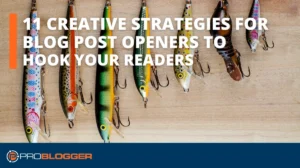
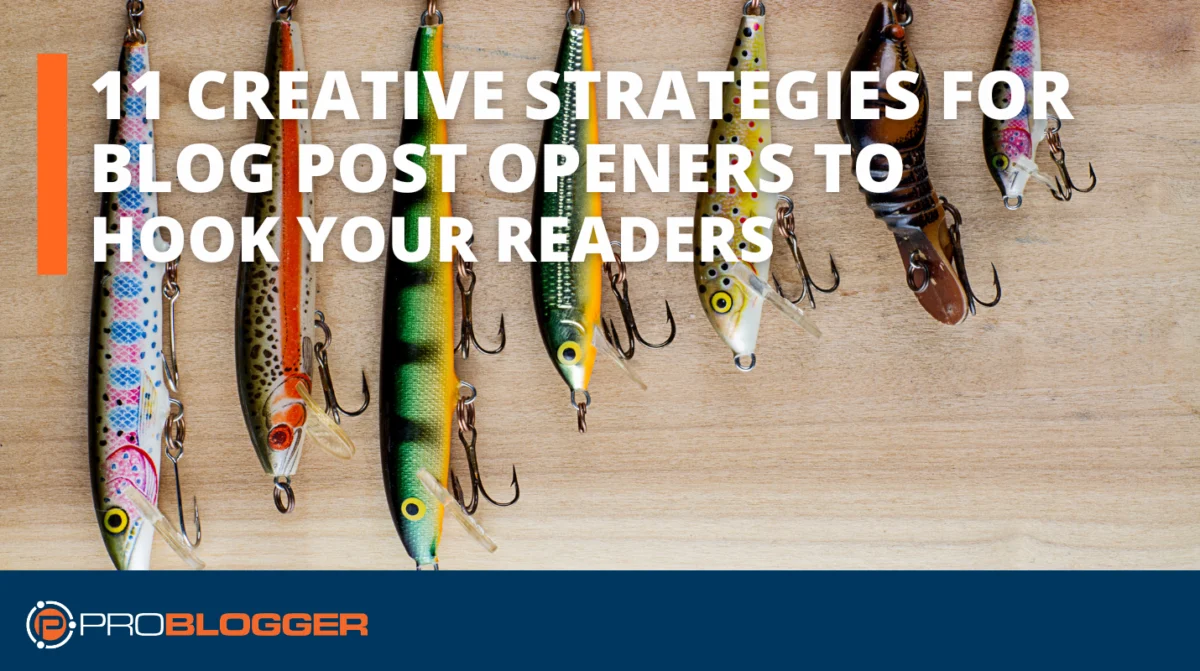
11. Visual Integration
In modern web design, the opening is not limited to text. A high-quality, relevant image serves as a visual hook. Data indicates that posts featuring strong visual openers see higher rates of dwell time, as the image provides an immediate, non-textual point of entry into the content.
Broader Implications for Content Creators
The technical mastery of opening lines has profound implications for digital publishing. Search Engine Optimization (SEO) metrics, such as "bounce rate" and "time on page," are heavily influenced by the effectiveness of these introductory sentences. Search engines like Google prioritize content that keeps users engaged, meaning that an effective hook is not just a stylistic achievement—it is a functional requirement for visibility.
Industry analysts suggest that as AI-generated content becomes more prevalent, the value of the "human" hook—the ability to weave empathy, nuance, and genuine connection into the first few lines—will become even more critical. While automated systems can generate information, they often struggle with the creative spontaneity required to hook a reader on an emotional or psychological level.
Strategic Recommendations
To maximize the effectiveness of these strategies, content creators should consider the following:
- Diversity of Approach: Rotating through these 11 strategies prevents the content from feeling repetitive to loyal readers.
- Testing and Analytics: Utilizing A/B testing on headlines and opening paragraphs can provide quantitative data on what resonates best with a specific audience.
- Alignment with Audience: The chosen opening must match the maturity and expectations of the target demographic. A technical audience may respond better to data-driven hooks, while a consumer-lifestyle audience may prefer anecdotal openings.
The craft of writing is a continuous process of refinement. By treating the opening line as the most critical piece of architecture in a digital article, writers can ensure that their ideas are not only read but also remembered in a competitive digital environment. The goal remains simple: to respect the reader’s time by delivering immediate value, starting with the very first word.