In the digital era, where the average human attention span has dwindled to approximately eight seconds, the opening lines of a blog post have become the primary determinant of content consumption. According to data from the Nielsen Norman Group, most web users spend less than 15 seconds on a page before deciding whether to stay or navigate away. Consequently, the first sentence of a piece of content is no longer merely an introduction; it is a strategic barrier against high bounce rates and a critical bridge to reader engagement. Content strategists and digital marketers classify the opening line as the "second most important component" of a publication, ranking only behind the headline in terms of its ability to influence reader behavior.
The Psychology of the Digital Hook
The objective of an opening line is to compel the reader to move to the second sentence, effectively initiating a "micro-commitment" that increases the likelihood of full consumption. This process relies on established psychological triggers, including curiosity, empathy, and the identification of a specific need. When a writer fails to secure the reader’s interest immediately, the bounce rate—the percentage of visitors who leave after viewing only one page—typically spikes. Industry benchmarks suggest that maintaining a bounce rate below 40% is ideal for high-performing blogs, and expert copywriters argue that the key to achieving this lies in the deliberate construction of the initial paragraph.
Chronology of Content Engagement
The evolution of online reading habits has necessitated a shift in how writers structure their work. During the early 2000s, search engine optimization (SEO) focused heavily on keyword density. However, as algorithms transitioned toward prioritizing user experience and dwell time, the structure of web content underwent a transformation. By 2010, the "hook" method became a standard in professional blogging. This shift required writers to pivot from descriptive introductions to high-impact, engagement-driven openings. Today, successful content creators utilize a variety of narrative devices to bypass the "skimming" habit that defines modern online reading.
Eleven Proven Strategies for Capturing Attention
1. Identification of User Pain Points
Effective content often begins by addressing a specific problem the reader is currently experiencing. By explicitly naming a challenge—such as technical debt, time management, or professional stagnation—the writer establishes immediate relevance. Data indicates that readers are significantly more likely to engage with content that promises a direct solution to a recognized struggle.
2. The "Yes-Set" Questioning Technique
Professional copywriters frequently employ the "Yes-Set" technique, where an opening question is designed to elicit an internal "yes" from the reader. By posing a question that mirrors the reader’s experience, the writer creates an immediate psychological rapport. This validation confirms that the reader has arrived at the correct source for their needs.
3. Intellectual Provocation
Posing an intriguing, non-binary question forces the reader to pause and evaluate their own knowledge. This approach creates an "information gap," a term coined by behavioral economists to describe the uncomfortable sensation of not knowing something, which motivates the reader to consume the rest of the text to resolve the curiosity.
4. The Power of Anecdotal Surprises
Personal narratives or counter-intuitive facts function as pattern interrupts. When a reader expects a formal tone, a brief, surprising anecdote can reset their focus. This is a common strategy in journalism, where "lede" paragraphs often use a specific, human-interest detail to anchor a larger, abstract topic.
5. Narrative Analogies
Using analogies to explain complex concepts serves as an cognitive shortcut for the reader. By framing a difficult subject in terms of a familiar, relatable story, the writer reduces the mental friction required to digest the information, leading to higher rates of retention and comprehension.
6. Authoritative Claims
A bold, data-backed, or experience-based claim establishes the writer as an authority. In an environment saturated with unverified information, readers gravitate toward content that signals expertise from the first sentence. However, this strategy carries the risk of requiring immediate substantiation within the subsequent paragraphs to maintain credibility.
7. Strategic Controversy
When deployed carefully, challenging the status quo or presenting a contrarian viewpoint acts as a powerful attention-grabber. This technique often sparks immediate discourse, which is a key metric for engagement on social-driven platforms.
8. Visualizing Scenarios
Engaging the reader’s imagination through sensory-rich language allows them to "inhabit" the topic. By asking the reader to visualize a specific scenario, the writer moves the content from the abstract to the tangible, making the subsequent advice feel more applicable to the reader’s reality.
9. Leveraging Statistical Impact
Hard data serves as an objective anchor for an argument. An opening that cites a surprising statistic—such as a market growth rate or a sobering failure rate—provides an immediate, factual reason for the reader to pay attention.
10. The Quotation Strategy
Utilizing a relevant, high-authority quote provides an immediate context for the discussion. It allows the writer to borrow credibility from a recognized figure, effectively setting the tone and intellectual stakes for the article before the writer’s own analysis begins.
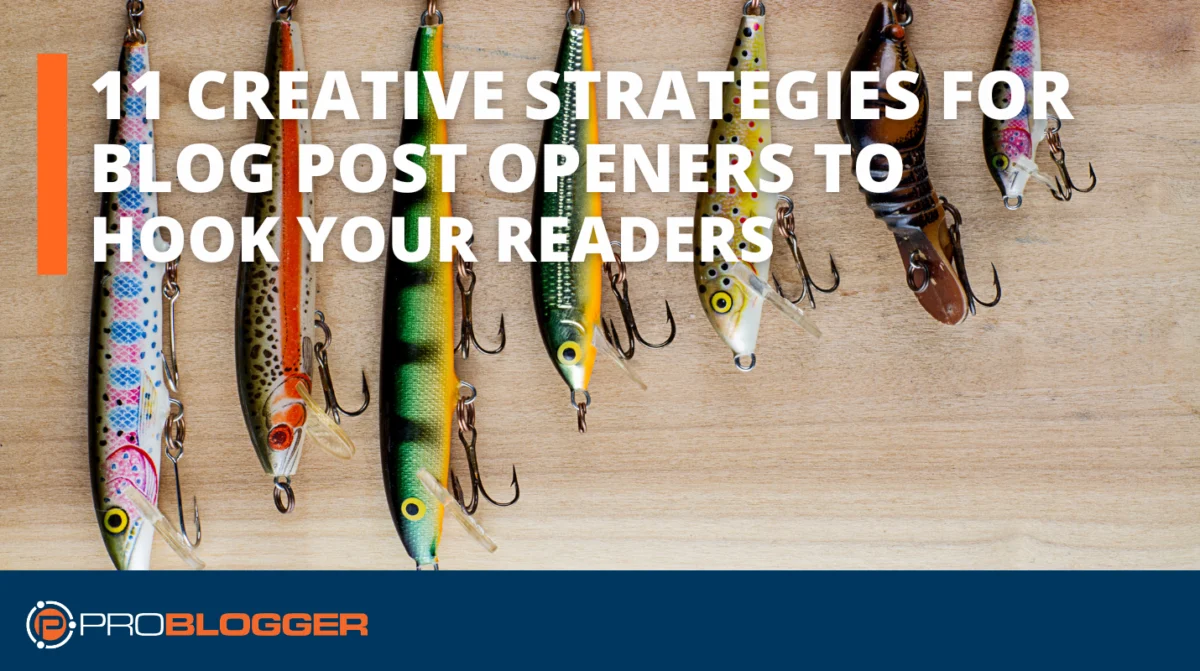
11. Visual-Textual Integration
In modern web design, the opening line is often paired with a compelling image. Research in visual communication shows that articles featuring high-quality, relevant imagery at the beginning receive 94% more views than those without. The image acts as a non-verbal hook that prompts the reader to scan the text.
Industry Perspectives on Engagement
Content analysts emphasize that no single strategy is universal. According to a 2023 report on digital publishing trends, the most successful long-form articles often utilize a hybrid approach, combining a surprising statistic with a relatable, problem-solving narrative. Media experts caution that while these techniques are effective, they must remain authentic to the brand voice. "The hook is the invitation," notes digital media consultant Sarah Jenkins. "But the content that follows is the dinner. If the invitation is the only thing of value, the audience will eventually stop coming."
Broader Implications for Digital Communication
The art of the opening line reflects a broader shift in the digital economy: the commoditization of attention. As content production increases exponentially, the "barrier to entry" for a reader’s time has become increasingly difficult to clear. This necessitates a more journalistic, rigorous approach to content creation, where every word is evaluated for its contribution to the overall goal of reader retention.
For businesses and independent creators, the implications are clear: investment in the first three sentences of a post yields a higher return on investment (ROI) than almost any other optimization tactic. By systematically testing these 11 strategies, writers can transform passive scrollers into engaged, loyal readers. Ultimately, the successful opening line is one that respects the reader’s time by signaling, with absolute clarity, that the following information is worth their focus. As the digital landscape continues to evolve, the ability to synthesize, intrigue, and inform within the first few seconds will remain the defining skill of the modern communicator.