In the digital landscape, where the average human attention span has dwindled to approximately eight seconds, the ability to capture interest immediately is the difference between a successful publication and an overlooked piece of content. Research from consumer behavior analysts indicates that a reader typically decides whether to continue reading a web article within the first few lines of text. While the headline serves as the initial "gatekeeper," the opening sentence acts as the crucial bridge, tasked with translating initial curiosity into sustained engagement.
The mechanics of reader retention are rooted in cognitive psychology. The "serial position effect," a phenomenon identified by psychologists, suggests that individuals are most likely to remember the first and last items in a series. By leveraging this, content creators can anchor their message in the reader’s memory from the very first interaction.
The Evolution of Digital Engagement
The necessity for high-impact openings has intensified alongside the rise of social media and mobile content consumption. Historically, journalistic writing followed the "inverted pyramid" style, placing the most critical information at the top to ensure that even if a reader stopped early, they received the core facts. Today, this strategy has evolved; writers must now synthesize factual reporting with narrative hooks that compel the audience to scroll further.
Data from web analytics firms suggests that articles with strong, provocative, or highly relevant opening lines see a 30% to 40% increase in average time-on-page compared to those with generic or passive introductions. This shift reflects a broader trend: as content volume increases, the "quality of entry" becomes the primary determinant of a post’s reach and authority.
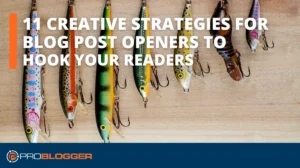
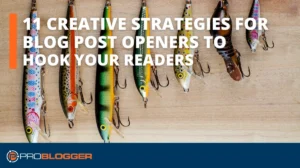
11 Strategic Approaches to Opening Content
Professional content strategists utilize a variety of psychological levers to secure a reader’s attention. These strategies are not mutually exclusive but function best when tailored to the specific demographic and intent of the target audience.
1. Identification of Core Needs
The most direct method to secure a reader is to explicitly address their pain points. By identifying a specific challenge or requirement in the first sentence, the author establishes immediate relevance. This technique functions as a promise of utility; the reader continues because they anticipate a solution to a problem they are currently facing.
2. The "Yes-Nudge" Questioning Technique
Posing a question that elicits an immediate, internal "yes" creates a psychological commitment. When a reader agrees with a premise, they are more likely to align with the subsequent arguments presented in the article. This creates a cognitive "buy-in" that makes the reader feel as though they are part of a dialogue rather than a passive recipient of information.
3. Cultivating Curiosity Through Intrigue
An intriguing question creates a "knowledge gap." Neuroscientific research suggests that when humans perceive a gap between what they know and what they want to know, the brain experiences a state of discomfort that can only be resolved by acquiring the missing information. By withholding the answer until later in the article, writers effectively force a deeper engagement.
4. Strategic Use of Anecdotes and Personal Narrative
Even in professional contexts, the use of a personal story can "break the pattern" of standard, robotic content. By sharing a brief, unexpected observation or a human-centric moment, authors create a rapport with the reader. This serves to humanize the brand and lowers the psychological barriers that often accompany dry, technical, or academic reporting.
5. Analogical Bridging
Analogies allow writers to explain complex, abstract concepts by linking them to familiar, everyday experiences. This is particularly effective in technical fields, where the reader may feel overwhelmed by jargon. A well-constructed analogy acts as a cognitive anchor, providing a foundation upon which the rest of the argument can be built.
6. The Power of Bold Claims
A definitive, authoritative statement—provided it is supported by evidence—establishes the writer’s credibility immediately. This approach is common in investigative journalism and editorial pieces where the author is taking a firm stance. However, this strategy requires high integrity; if a claim is made, the body of the article must provide rigorous verification to avoid damaging the author’s reputation.
7. Provocation and Controversy
While risky, introducing a point of contention can be a powerful driver of engagement. By challenging a common belief or highlighting a discrepancy in industry standards, a writer can stimulate critical thinking and discussion. This approach often results in a higher volume of comments and social media discourse, as readers are motivated to offer counterpoints or support the argument.
8. Visualizing Scenarios
Engaging the reader’s imagination allows them to "see" the consequence of a situation. By asking the reader to visualize a specific outcome—whether beneficial or disastrous—the author taps into emotional drivers. This method is highly effective for persuasive writing, as it forces the reader to consider the personal implications of the information being presented.
9. Leveraging Statistical Evidence
Data-driven openings are among the most effective tools for establishing authority. Starting with a startling statistic—for example, "Only 1% of users successfully navigate this interface"—provides immediate context and creates a sense of urgency. Numbers serve as an objective baseline that readers find difficult to ignore or dismiss.
10. The Authority of Quotation
Using a relevant quote from a recognized industry leader or historical figure can provide instant social proof. This strategy aligns the article with existing intellectual frameworks, signaling to the reader that the content is grounded in established expertise.
11. Impactful Visual Integration
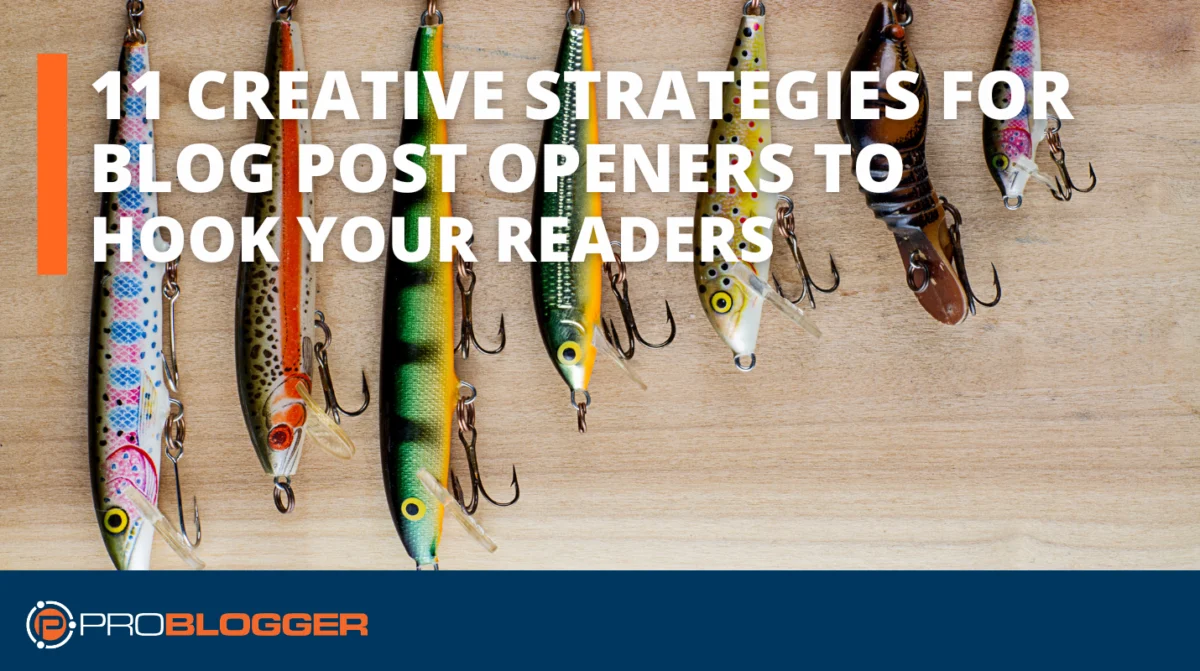
In a digital-first environment, the first image a reader encounters is often as important as the first word. A striking, high-quality image that complements the headline can create an emotional context that text alone cannot achieve. Data consistently shows that articles featuring visual leads experience higher click-through rates from RSS feeds and social platforms.
The Broader Implications of Opening Strategy
The intentional design of an opening line is not merely a stylistic preference; it is a fundamental component of content distribution. As search engine algorithms continue to prioritize user engagement metrics—such as bounce rate, dwell time, and scroll depth—the quality of a post’s introduction directly influences its search engine ranking.
When a reader leaves a page within seconds, it sends a negative signal to search engines, potentially devaluing the content. Conversely, a high-engagement opener encourages the user to interact with the page, which in turn signals that the content is valuable and relevant.
Best Practices for Implementation
To maintain a high standard of reader engagement, content creators should avoid using the same opening technique for every article. Over-reliance on one method can lead to "audience fatigue," where readers become desensitized to the stylistic patterns of the writer.
Furthermore, the integrity of the opener is paramount. The "bait and switch"—using a sensationalized opener that does not align with the body of the article—is a short-term strategy that leads to long-term audience attrition. The most effective openers are those that are honest, relevant, and directly connected to the value proposition of the article.
In conclusion, mastering the art of the opening line requires a balance of psychological insight and editorial discipline. By treating the first few words with the same level of care as the concluding argument, writers can significantly improve their ability to inform, influence, and retain their audience in an increasingly competitive information economy. Whether through a provocative question, a striking statistic, or a humanizing anecdote, the goal remains the same: to transform a casual observer into an invested, active reader.