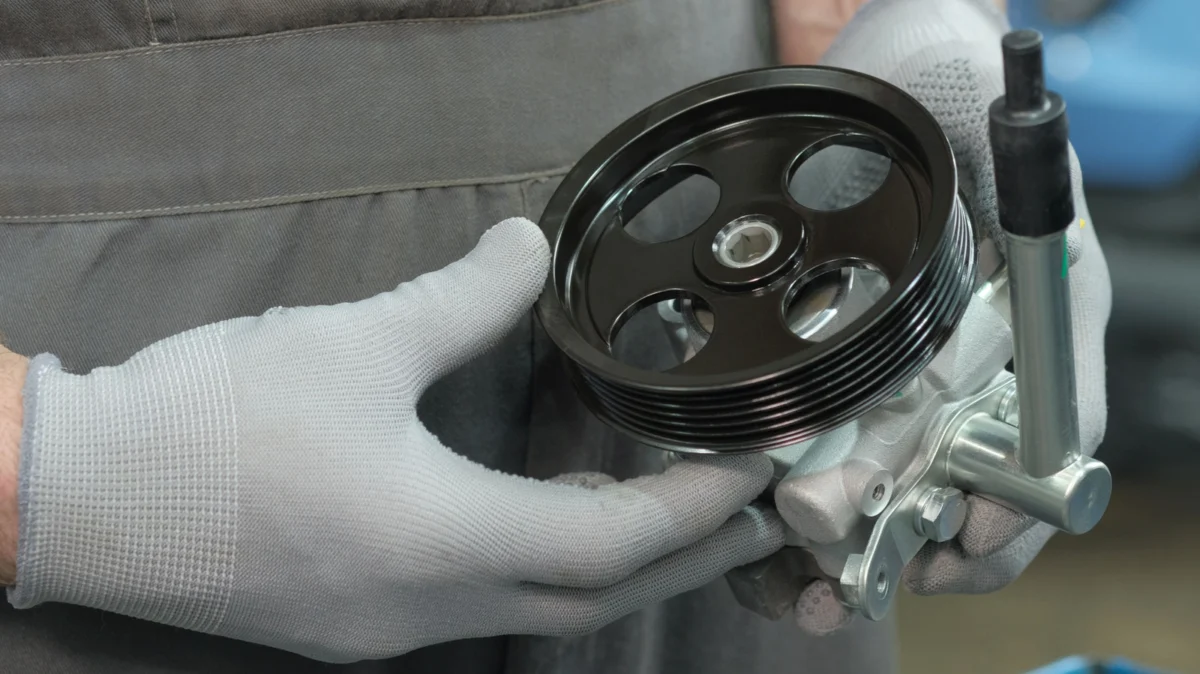
For as long as the automobile has existed, the fundamental challenge of steering has remained constant: translating the physical input of the driver into the mechanical rotation of front tires while overcoming the immense friction between rubber and road. In the early days of automotive engineering, steering was a purely mechanical endeavor. Drivers relied on their own physical strength to navigate, a task that became increasingly laborious as vehicle curb weights increased and tire designs shifted toward wider, high-grip compounds. The invention and subsequent mass adoption of the power steering pump revolutionized this experience, transforming heavy, cumbersome steering wheels into precision instruments. However, like any hydraulic component subjected to constant pressure and thermal stress, the power steering pump is a finite asset with a predictable lifecycle.
The Evolution and Mechanics of Hydraulic Steering
The transition from manual steering to power-assisted steering began in earnest during the mid-20th century. Chrysler introduced the first commercially available power steering system, marketed as "Hydraguide," in the 1951 Imperial. This development was a necessity driven by the post-war era’s push for heavier, more luxurious vehicles. The core of this technology is the power steering pump, a rotary device driven by the engine’s crankshaft, usually via a serpentine belt or a dedicated accessory belt.
The pump functions on the principle of fluid displacement. It draws hydraulic fluid from a reservoir and pressurizes it, sending the fluid through high-pressure hoses to the steering rack or steering gearbox. Inside the steering gear, this pressurized fluid acts upon a piston, which provides the mechanical force required to assist the driver’s input. Because the hydraulic system relies on the engine for its power, the assistance is directly tied to engine RPM. This is why steering feels significantly heavier when a vehicle is stationary or moving at low speeds; the pump is not spinning fast enough to provide maximum hydraulic pressure, requiring more effort from the driver.
Lifecycle Expectancy and Maintenance Milestones
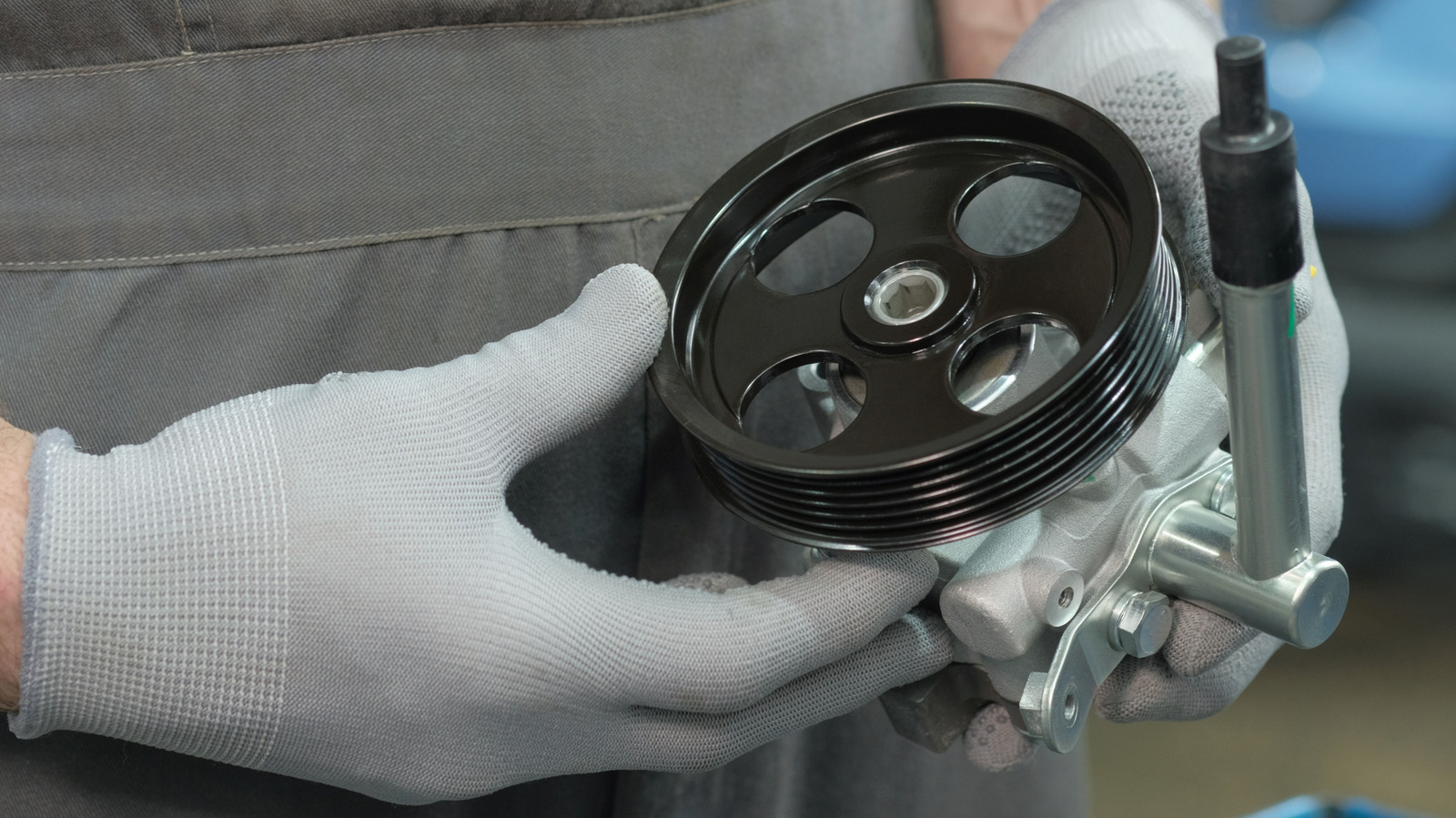
Under normal operating conditions, a modern power steering pump is designed to last between 80,000 and 120,000 miles. While this is an industry-standard estimate, the reality is that the lifespan of the unit is heavily dictated by maintenance habits and driving environments.
The primary catalyst for premature pump failure is the degradation of the power steering fluid itself. Hydraulic fluid is subject to thermal breakdown over time. As the fluid circulates through the pump, rack, and hoses, it absorbs heat generated by the mechanical friction of the system. Over a period of approximately four to five years, the chemical additives in the fluid—which are designed to prevent oxidation, foaming, and corrosion—lose their efficacy. When this occurs, the fluid becomes acidic and can carry microscopic metallic debris, which acts as an abrasive inside the tight tolerances of the pump’s internal vanes.
Chronology of Failure: Identifying the Warning Signs
Vehicle owners are often alerted to power steering issues through a series of progressive symptoms. Understanding this chronology is vital for preventing a complete system seizure:
- Early Stage (Subtle Audible Cues): The first indicator is often a faint, high-pitched whining sound that fluctuates with engine RPM. This is typically a sign of air bubbles in the system or a failing pump bearing.
- Intermediate Stage (Inconsistent Resistance): Drivers may notice "notchy" or inconsistent steering effort. This occurs when the pump is struggling to maintain consistent pressure during turns.
- Advanced Stage (Mechanical Pulsation): A rhythmic pulsing sensation felt through the steering wheel suggests that the internal vanes of the pump are damaged or that the system is suffering from cavitation.
- Critical Failure: If the pump seizes, the serpentine belt may snap or burn out, causing a total loss of power steering and potentially disabling the alternator or water pump, depending on the engine’s belt configuration. At this point, the steering becomes heavy and unresponsive, creating a significant safety hazard for the driver.
The Shift Toward Electric Power Steering (EPS)
While hydraulic power steering remains prevalent in millions of vehicles currently on the road, the automotive industry has undergone a paradigm shift toward Electric Power Steering (EPS). Since the early 2000s, manufacturers have moved toward EPS to improve fuel economy and reduce complexity. Because an electric motor only consumes power when the steering wheel is turned, it eliminates the "parasitic drag" that a hydraulic pump imposes on the engine.
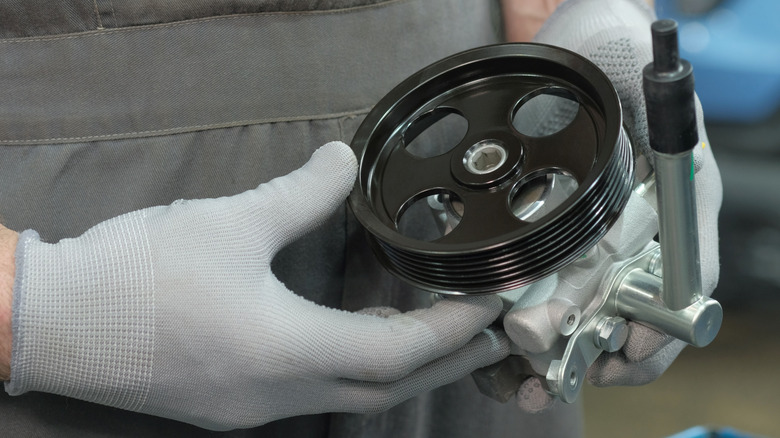
Despite this transition, the secondary market for hydraulic components remains robust. Because many heavy-duty trucks, fleet vehicles, and performance cars—such as the Subaru WRX and various off-road platforms—continued to utilize hydraulic systems well into the 2020s, the supply chain for replacement pumps is well-established. Remanufactured pumps are widely available through major auto parts retailers, and for those driving older or enthusiast-focused vehicles, the availability of original equipment manufacturer (OEM) parts is expected to remain stable for the foreseeable future.
Best Practices for Longevity
Extending the life of a power steering system requires a proactive approach rather than a reactive one. The following practices are recommended by automotive engineers to maximize the longevity of the pump:
- Routine Fluid Flushes: Replacing the power steering fluid every 50,000 miles, or every four years, is the most effective way to prevent premature wear. This removes contaminants that would otherwise score the internal components of the pump.
- Temperature Management: Drivers should be aware that fluid levels change based on thermal expansion. Always check the fluid level using the "Hot" and "Cold" markers on the reservoir cap. Overfilling the system can lead to pressurized leaks and seal failure.
- Avoiding "Lock-to-Lock" Strain: Forcing the steering wheel to its absolute limit (the "lock-to-lock" position) and holding it there creates an extreme pressure spike in the hydraulic system, which can stress the pump and hoses. Drivers are advised to ease off slightly once the steering reaches its limit.
- Regular Belt Inspection: Since the pump is driven by the serpentine belt, a cracked or worn belt can cause the pump to operate inefficiently. Checking the belt during every oil change is a simple, cost-effective preventative measure.
Implications for Vehicle Ownership
For owners of aging vehicles, the power steering pump is a reminder that hydraulic systems are a "use it or lose it" component. A vehicle that sits idle for extended periods is more susceptible to seal dry-rot and fluid degradation, which can lead to leaks once the car is returned to regular service.
From an economic standpoint, the cost of replacing a power steering pump is relatively moderate compared to other major engine repairs. However, the labor involved can vary significantly based on engine bay accessibility. In many compact or transverse-mounted engines, the pump is tucked behind other accessories, necessitating the removal of the alternator or air conditioning compressor to gain access. Consequently, while the part itself may be affordable, the labor costs can make the repair a significant line item.
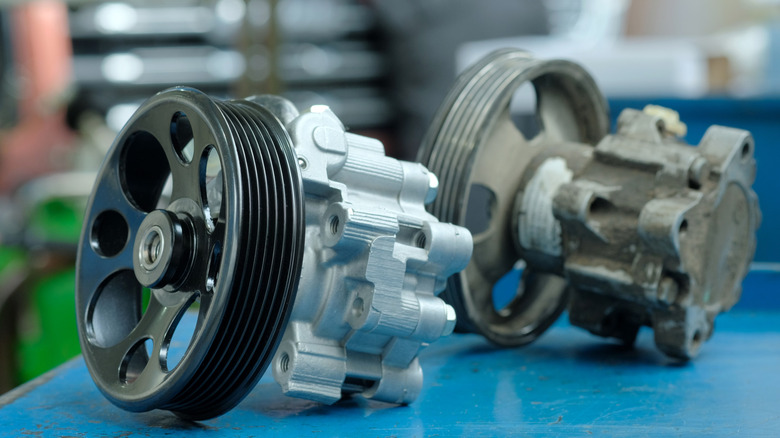
As the industry continues to move toward full electrification, the hydraulic power steering pump will eventually become a relic of automotive history. However, for the hundreds of millions of internal combustion vehicles currently in operation, the power steering pump remains a critical component that bridges the gap between driver intent and mechanical reality. By adhering to strict maintenance intervals and monitoring for early warning signs, vehicle owners can ensure their steering systems remain responsive, safe, and reliable throughout the life of the vehicle.