
The fundamental mechanics of how humanity discovers information online have undergone a tectonic shift. For decades, the digital economy was anchored by a predictable ritual: a user entered a query into a search engine, confronted a page of blue hyperlinks, and painstakingly navigated across multiple independent domains to investigate options, compare features, and synthesize conclusions. Today, that multi-step journey is rapidly vanishing. Armed with conversational generative artificial intelligence tools like OpenAI’s ChatGPT, Perplexity, Google’s AI Overviews, and Anthropic’s Claude, modern consumers and enterprise buyers increasingly bypass traditional search engine results pages entirely. Instead, they ask an algorithmic entity for one comprehensive, synthesized answer.
This behavioral pivot represents far more than a minor technical upgrade; it is a structural revolution that invalidates foundational tenets of digital marketing and search engine optimization. For the past twenty-five years, the primary metric of online visibility was simple: does a brand rank on the first page of Google? In the era of conversational answer engines, the guiding question has fundamentally evolved: do AI search tools even mention our brand, and if so, in what context?

The Evolution of Search: From Crawling Links to Direct Synthesis
To understand the magnitude of the current disruption, one must examine the chronology of internet discovery. The early web relied on static directories, which quickly gave way to algorithmic search engines in the late 1990s and 2000s, spearheaded by Google. These platforms indexed web pages based on keyword density, metadata, and, most importantly, inbound link authority—the PageRank algorithm that measured the trust and credibility of a site based on how many other sites pointed toward it.
Marketers spent decades mastering this ecosystem. They built elaborate inbound marketing funnels, optimized technical site performance, cultivated backlink profiles, and waged fierce battles for top-ranking keyword positions. The ultimate objective was to capture high-intent organic traffic and funnel visitors onto corporate landing pages where they could be nurtured through a deliberative buying cycle.

The genesis of the modern crisis began with the public rollout of generative pretrained transformers in late 2022. While early iterations of large language models functioned primarily as creative writing assistants and isolated chatbots, developers rapidly integrated real-time web-crawling capabilities. Platforms like Perplexity combined natural language processing with live search indices to pull data from across the web, assembling bespoke summaries complete with inline citations. Concurrently, Google introduced AI Overviews into its mainstream search experience, placing synthetic summaries directly above traditional organic listings.
Consequently, a profound shift occurred in consumer behavior. Users no longer wanted to sift through ten distinct blue links to piece together an answer; they expected the search interface itself to deliver the final conclusion.
The Scale of the Disruption: Empirical Data on Buyer Behavior
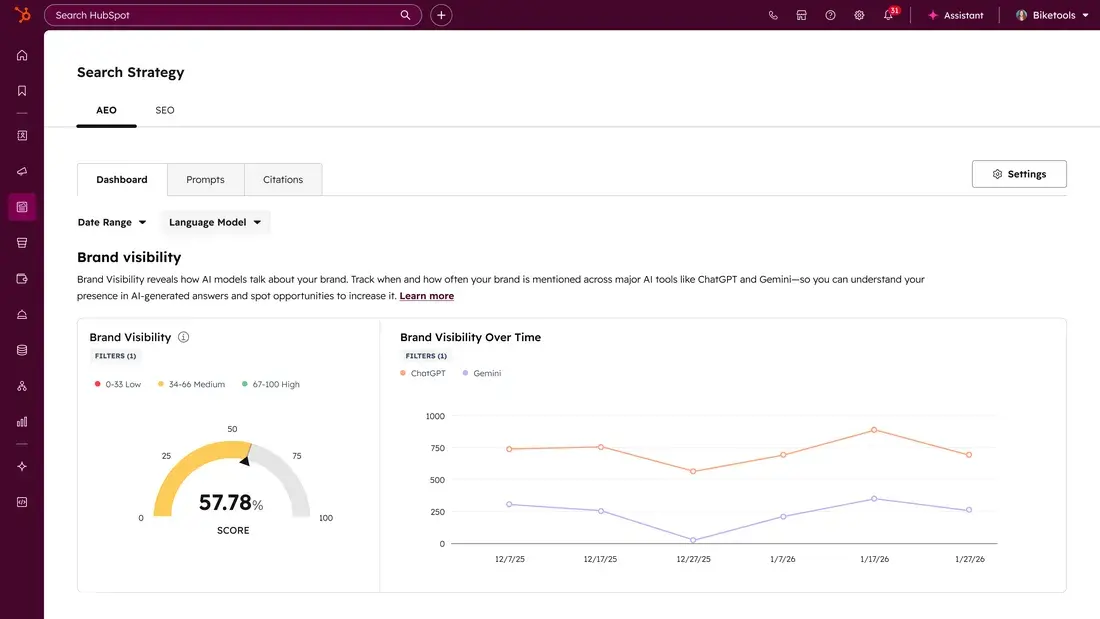
Recent empirical studies conducted by leading global research institutions underscore the velocity of this transition across both Business-to-Business (B2B) and Business-to-Consumer (B2C) markets.
According to comprehensive research published by Forrester, an astonishing 94 percent of B2B buyers utilized generative artificial intelligence during recent purchasing evaluation cycles. The granular breakdown of these statistics reveals the deep integration of AI into corporate procurement: 55 percent of respondents leveraged AI tools to directly compare competing vendor solutions, 54 percent used them for foundational product research, and 47 percent relied on AI systems to construct internal business cases for software and service acquisitions—all before ever speaking to a single human sales representative. Most notably, AI answer engines have officially overtaken vendor websites, human sales teams, and independent product experts to rank as the number one source for vendor research.
The consumer landscape mirrors this corporate transformation. Research compiled by McKinsey & Company indicates that approximately 50 percent of consumers across all demographic cohorts, including older generations traditionally viewed as laggards in digital adoption, routinely employ AI-powered search for everyday purchasing decisions. Furthermore, Adobe Digital Insights reported that 56 percent of United States consumers utilized generative AI during the holiday shopping season, representing a staggering 45 percent increase compared to the previous year.

Perhaps the most alarming metric for traditional digital marketers comes from Bain & Company, which documented that roughly 60 percent of all modern search queries now conclude without a single click to an external website. The user receives their answer directly within the conversational interface, closes the browser tab, and moves forward. For brands accustomed to harvesting high volumes of organic inbound web traffic, this "zero-click" phenomenon threatens the viability of conventional top-of-funnel acquisition strategies.
Categorizing the New Ecosystem: Answer Engines, Site Search, and AEO
As the market matures, the software industry has rapidly innovated to provide new tooling for enterprises navigating this landscape. Industry analysts broadly segment AI search technology into three distinct operational categories, each serving fundamentally different constituents and objectives.

-
Consumer-Facing Answer Engines
These are the external platforms utilized directly by buyers and researchers, such as ChatGPT, Google Gemini, Perplexity, and Claude. Users input natural language queries, and the underlying models synthesize information extracted from multiple web sources in real time. While some platforms emphasize transparent, verifiable inline citations, others rely more heavily on internal parametric memory trained on historical datasets. For marketers, these engines represent an opaque yet vital frontier. Brands cannot directly edit or pay to alter what an AI model states about their products, making earned media, digital PR, and structured data authority more critical than ever. -
Enterprise AI Site Search Tools
Positioned at the opposite end of the spectrum, AI site search tools are embedded directly into corporate websites, customer portals, e-commerce storefronts, and internal employee knowledge bases. When visitors or staff members utilize an internal search bar, natural language models interpret intent to retrieve exact documents, product variants, or policy answers without requiring rigid keyword matches. Prominent enterprise solutions in this category include Algolia—widely favored for high-performance e-commerce and developer flexibility through features like NeuralSearch—and Coveo, which specializes in complex enterprise ecosystems integrated deeply with platforms like Salesforce and SAP. Deploying robust internal AI search prevents frustrated visitors from abandoning a corporate website to consult an external answer engine, thereby safeguarding conversion rates. -
Answer Engine Optimization (AEO) Analytics Platforms
Emerging as the fastest-growing sector within marketing technology, AEO platforms are built specifically for brand custodians who need to monitor, measure, and optimize their visibility within third-party AI answer engines. Because traditional search console analytics cannot capture conversational impressions or synthetic citations, AEO tools systematically inject representative buyer prompts into engines like ChatGPT, Perplexity, and Gemini. They record whether a brand is recommended, benchmark performance against direct competitors, analyze citation sources, and deliver actionable remediation strategies to close visibility gaps.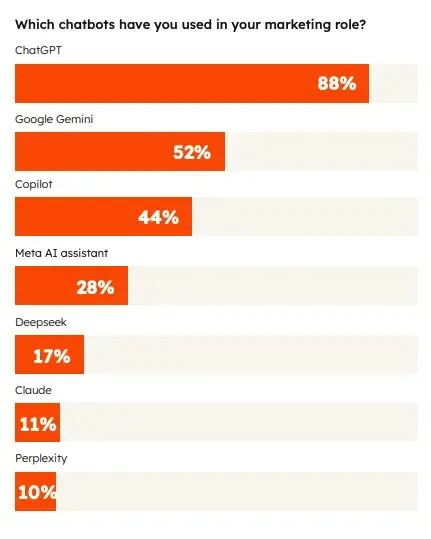
Industry Responses and the Rise of AEO Software
In response to the evaporation of organic web traffic, enterprise software providers have raced to introduce specialized measurement solutions. Leading this charge is HubSpot, which recently launched its dedicated AEO analytics suite alongside its existing marketing and CRM infrastructure.
Unlike standalone third-party AEO point solutions, HubSpot’s platform integrates directly with an organization’s proprietary Customer Relationship Management (CRM) data. By analyzing historical customer interactions, closed-won deals, and specific buyer inquiries, the software predicts the precise natural language prompts potential clients are typing into generative AI models. Early beta adopters prioritizing answer engine optimization reported a notable 20 percent increase in AI-driven referral traffic, providing a vital counterweight to declining traditional organic search yields.

Complementing comprehensive analytics suites, lightweight diagnostic utilities—such as free AI search graders—have gained traction as low-friction entry points for marketing teams. These tools generate instant, one-time visibility snapshots, allowing executives to audit their brand footprint across major conversational platforms before committing to recurring enterprise software contracts.
Implications and Strategic Imperatives for Modern Marketers
The ascent of AI-driven discovery signals the dawn of a new era in corporate communications and digital strategy. While the technical mechanics of search have shifted from keyword indexing to semantic synthesis, foundational commercial principles remain steadfast. The algorithms powering modern answer engines continue to reward credible, well-sourced information, transparent industry authority, and robust digital PR.

However, the passive marketing playbook of publishing optimized blog posts and waiting for inbound search traffic is officially obsolete. Organizations must proactively measure their algorithmic reputation, ensure their digital assets are easily ingested and cited by automated web crawlers, and invest in sophisticated internal site search to retain audiences once they arrive.
For marketing leaders navigating this volatile landscape, the imperative is clear: the transition from search engine optimization to answer engine optimization is no longer a speculative trend for the future. It is the defining operational reality of the present digital economy.